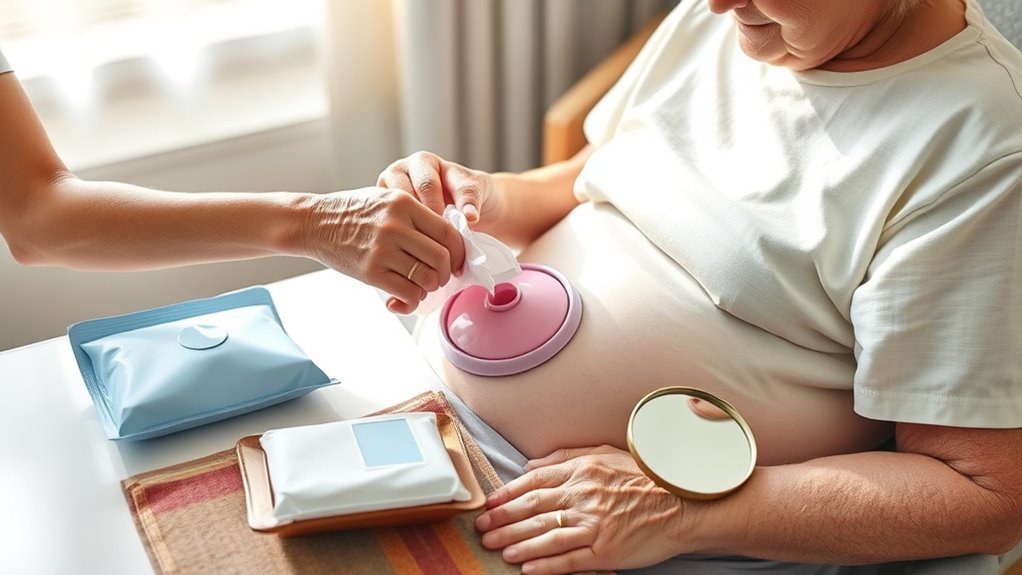

To help your loved one with a colostomy, learn how to keep the stoma clean and dry, and make certain their pouch fits well to prevent leaks. Regularly inspect the skin around the stoma for irritation or signs of infection, and change the pouch as needed. Use gentle skin cleansers and avoid harsh creams. Proper care can prevent discomfort and skin issues. Keep exploring for more tips to support your loved one effectively.
Listen free for 30 days with Audible
Thousands of audiobooks and originals — cancel anytime.
As an affiliate, we earn on qualifying purchases.
Key Takeaways
- Learn proper stoma inspection, cleaning, and appliance changing techniques to ensure skin health and prevent leaks.
- Help your loved one maintain a clean, dry skin area and ensure the pouch fits well.
- Recognize signs of skin irritation, infection, or leaks early and seek prompt medical advice.
- Use gentle, pH-balanced cleansers and avoid harsh chemicals during skin care routines.
- Provide emotional support and patience as your loved one adjusts to colostomy management.
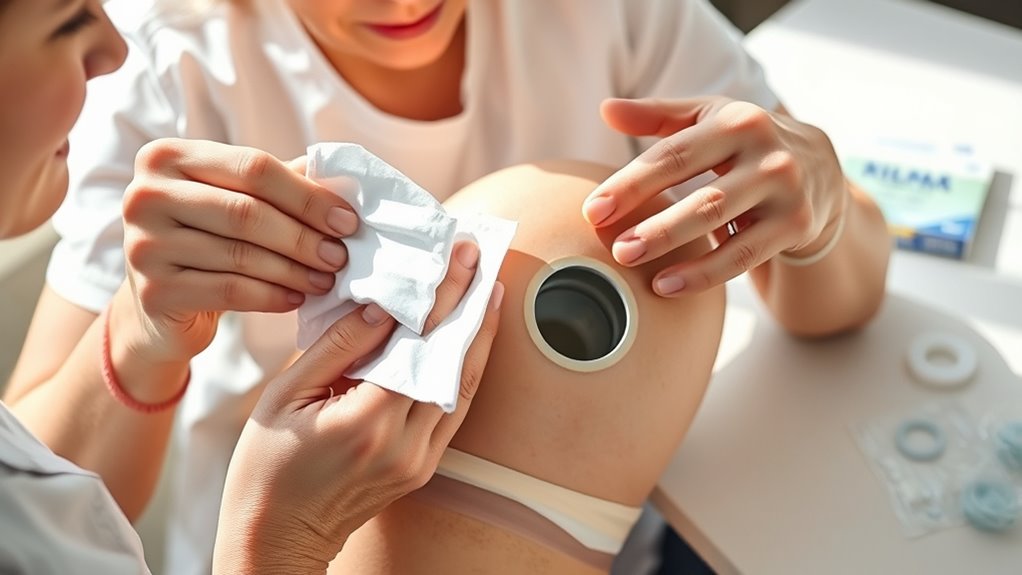
Caring for a colostomy requires understanding how to properly manage the stoma and surrounding skin to prevent infections and guarantee comfort. When you’re caring for someone with a stoma, your main focus should be on effective stoma management. This involves regularly inspecting the stoma and skin around it, ensuring the appliance fits well, and maintaining good hygiene. A well-fitted pouch helps prevent leaks and reduces the risk of skin irritation, which is common when waste comes into contact with the skin. To manage this, you need to measure the stoma accurately and choose the right size of the appliance. Cutting the skin barrier to fit snugly around the stoma prevents gaps that can cause irritation or leaks. Proper stoma management also means changing the pouch regularly—typically every 3 to 5 days or when it’s full—to keep the area clean and dry.
Pay close attention to the skin around the stoma, as skin irritation is a frequent concern for new users. Skin irritation can develop from leaks, adhesives, or exposure to waste, leading to discomfort and potential infections. To prevent this, ensure the skin around the stoma is clean and dry before applying a new pouch. Use gentle, pH-balanced cleansers without harsh chemicals, and pat the area dry carefully. Avoid using creams or powders that aren’t recommended by healthcare professionals, as these can interfere with the adhesive’s ability to stick properly. When irritation appears, it’s important to identify the cause—whether it’s a poor fit, leakage, or skin sensitivity—and address it promptly. Sometimes, using a barrier ring or a different appliance with a gentler adhesive can help reduce skin trauma.
During routine care, watch for signs of skin irritation such as redness, soreness, or skin breakdown. If you notice persistent irritation or infection symptoms like swelling, pus, or a foul smell, consult a healthcare provider immediately. Proper stoma management also involves educating yourself about different adhesive types and techniques, so you can adapt to changes in your loved one’s skin or stoma size. Remember, patience and careful attention to detail are key. Consistent, gentle skin care and a well-fitting pouch will help your loved one stay comfortable and confident. By staying proactive and informed, you can profoundly improve their quality of life and minimize common issues like skin irritation or leaks.
Frequently Asked Questions
How Can I Support My Loved One’s Emotional Adjustment?
You can support your loved one’s emotional adjustment by offering ongoing emotional reassurance and listening without judgment. Encourage open conversations about their feelings and struggles, and remind them they’re not alone. Connect them with peer support groups where they can share experiences and gain comfort from others facing similar challenges. Your empathy and consistent support help boost their confidence and ease their emotional journey.
What Are Common Complications to Watch For?
Watch for warning signs like skin irritation and stoma blockage. Skin irritation causes soreness, redness, and discomfort around the stoma, signaling the need for prompt attention. Stoma blockage results in swelling, pain, or a distended abdomen, requiring immediate medical care. Stay vigilant, observe changes carefully, and encourage your loved one to report any unusual symptoms. Prompt action helps prevent serious complications and guarantees comfort and confidence in their ongoing care.
How Do I Handle Odor Control Effectively?
To handle odor control effectively, you should regularly empty and clean the stoma bag, sealing odors inside. Use air fresheners with caution, and consider natural deodorizers like baking soda or odor-absorbing sachets near the bag. Also, choose a properly fitting bag to prevent leaks. Maintaining good hygiene and changing the appliance as recommended can markedly reduce odors and keep your loved one comfortable and confident.
What Supplies Do I Need for Ongoing Care?
Think of stoma supplies as your toolbox—essential for smooth daily care. You’ll need different supplies depending on stoma types, like pouches, skin barriers, and cleaning wipes. Don’t forget skin irritation creams to protect sensitive skin. I once cared for a loved one, and having the right supplies—especially extra pouches—made all the difference. Keep a well-stocked kit to guarantee comfort and confidence in managing ongoing stoma care.
When Should I Seek Medical Advice?
You should seek medical advice if your loved one experiences persistent pain, unusual swelling, or changes in their stoma’s appearance, such as discoloration or leakage. Pay attention to diet considerations, like sudden changes in bowel movements or signs of dehydration, and monitor physical activity levels—if certain activities cause discomfort or issues, consult a healthcare professional. Promptly addressing these signs guarantees proper care and prevents complications.
Conclusion
Taking care of a loved one with a colostomy may feel like steering through uncharted waters, but with patience and compassion, you become their steady lighthouse. Remember, your support helps them regain confidence and independence. By understanding their needs and offering gentle reassurance, you create a safe harbor amidst change. Your care transforms a challenging journey into a shared voyage, illuminating the path with kindness and strength. Together, you turn adversity into a demonstration of resilience.
Flea & tick season Picks
flea and tick prevention
As an affiliate, we earn on qualifying purchases.