
TL;DR
New blood tests claimed to predict Alzheimer’s are causing confusion and emotional distress among patients and healthcare providers. Experts warn about limitations and ethical concerns, while authorities call for cautious use.
Recent reports indicate that blood tests marketed as tools to predict Alzheimer’s disease are causing widespread confusion and emotional distress among patients and healthcare providers. While some companies and clinics are beginning to offer these tests, experts caution that their accuracy and ethical implications remain uncertain, raising concerns about potential misdiagnoses and psychological harm.
Multiple companies have started offering blood tests purported to identify early markers of Alzheimer’s disease, promising earlier diagnosis and intervention. However, the scientific community has raised questions about the reliability of these tests, with some studies suggesting limited accuracy in predicting disease progression. According to Dr. Lisa Chen, a neurologist at the National Institute on Aging, ‘While promising, these tests are not yet validated for widespread clinical use and should be approached with caution.’
Patients undergoing these tests report experiencing anxiety, confusion, and distress, especially when results are ambiguous or misinterpreted. Healthcare providers are concerned that without proper counseling, individuals may draw false conclusions or undergo unnecessary emotional suffering. The Food and Drug Administration (FDA) has not yet approved these tests for diagnostic purposes, emphasizing that they are still in experimental or investigational stages.
Potential Impact on Patients and Medical Practice
This development matters because inaccurate or misinterpreted test results could lead to unnecessary psychological distress, unwarranted medical interventions, or delayed diagnosis of other conditions. The rise of these blood tests highlights the urgent need for clear guidelines, validation studies, and patient education to prevent harm. It also underscores ongoing challenges in early Alzheimer’s detection and the ethical considerations around predictive testing.

Eldoncard INC Blood Type Test, 1 Pack
- Fast Results: Determine blood type in minutes
- Easy to Read: Clear and straightforward results
- Durable Record: Permanent blood type record on card
As an affiliate, we earn on qualifying purchases.
As an affiliate, we earn on qualifying purchases.
Emerging Blood Tests and Regulatory Caution
Over the past year, several biotech firms have announced blood-based tests claiming to identify early signs of Alzheimer’s disease, often marketed directly to consumers or through clinics. These tests analyze biomarkers such as amyloid proteins or other indicators associated with Alzheimer’s pathology. Despite initial enthusiasm, the scientific community has expressed reservations about their diagnostic accuracy, with some studies showing inconsistent results. Regulatory agencies like the FDA have issued statements urging caution and emphasizing that these tests should not replace comprehensive clinical evaluation.
Historically, Alzheimer’s diagnosis relied on clinical assessments, imaging, and cerebrospinal fluid analysis, which are more invasive and costly. Blood tests offer a less invasive alternative but are still under validation. The debate around these tests reflects broader concerns about premature adoption of unproven medical technology and the potential for psychological and social harm.
“These blood tests are still considered investigational and should not be used as standalone diagnostic tools for Alzheimer’s disease.”
— FDA spokesperson
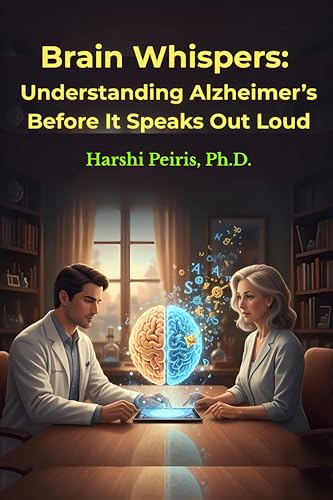
Brain Whispers: Understanding Alzheimer’s Before It Speaks Out Loud: Exploring the New Science of Blood Biomarkers and Early Alzheimer’s Detection
As an affiliate, we earn on qualifying purchases.
As an affiliate, we earn on qualifying purchases.
Unverified Accuracy and Ethical Concerns Persist
It remains unclear how accurate these blood tests truly are across diverse populations, and whether they can reliably predict Alzheimer’s years before symptoms appear. The long-term psychological impact of testing and the potential for misuse or overdiagnosis are still being studied. Regulatory agencies have not approved these tests for clinical diagnosis, and their role in medical practice remains uncertain.
Brain Whispers: Understanding Alzheimer’s Before It Speaks Out Loud: Exploring the New Science of Blood Biomarkers and Early Alzheimer’s Detection
As an affiliate, we earn on qualifying purchases.
As an affiliate, we earn on qualifying purchases.
Further Validation and Guidelines Expected Soon
Researchers and regulators are expected to conduct larger validation studies over the coming year to assess the accuracy and safety of these blood tests. Medical societies are likely to develop guidelines on their appropriate use, emphasizing the importance of counseling and confirmatory testing. Meanwhile, healthcare providers are urged to discuss the limitations and risks with patients considering these tests.

Choose Health 7-in-1 Metabolic Health Test | Cholesterol, Average Blood Sugars, Insulin Resistance And Many More | At-Home Test Kit | Not avail in NY, RI
- 7-in-1 Health Testing: Cholesterol, Blood Sugar, Insulin Resistance
- Easy Blood Sample Collection: Painless finger prick at home
- Quick, Accurate Results: Results in 5-10 days via app
As an affiliate, we earn on qualifying purchases.
As an affiliate, we earn on qualifying purchases.
Key Questions
Are blood tests for Alzheimer’s diagnosis reliable now?
Currently, these tests are considered investigational and are not validated for routine clinical diagnosis. Experts advise caution and recommend comprehensive evaluation before making any conclusions.
Can these tests cause psychological harm?
Yes, receiving uncertain or false-positive results can lead to anxiety, confusion, and distress, especially if not properly counseled.
Are regulatory agencies approving these blood tests?
No, the FDA and other authorities have not approved these tests for diagnostic use, emphasizing that they are still under investigation.
What should patients do if they are offered these tests?
Patients should consult healthcare professionals, understand the limitations, and avoid making health decisions based solely on these tests until they are validated.
Source: rss