
TL;DR
A severe heat wave is impacting the US, including major World Cup locations. Athletes are training to acclimate, while the public is advised to stay hydrated and avoid peak heat. Details on specific measures and ongoing developments remain emerging.
A severe heat wave is currently impacting several US cities hosting World Cup matches, with temperatures reaching into the high 90s and near 100 degrees Fahrenheit, prompting health warnings and athlete preparations. This development matters because it directly affects both professional athletes competing in the tournament and millions of Americans facing dangerous heat conditions.
Temperatures in cities like Kansas City and Philadelphia are expected to reach into the 90s and close to 100 degrees, with the National Weather Service issuing extreme-heat warnings. Athletes participating in the World Cup are undergoing specialized heat acclimatization protocols, including heat-training camps and hydration strategies, to mitigate the effects of the heat. For example, teams like Norway and Brazil have engaged in outdoor heat exposure and fluid analysis to prepare their players.
Experts note that athletes typically need about 15 days of heat adaptation, but many have less time due to travel schedules or late arrivals. Common heat mitigation techniques include wearing cooling vests, taking ice baths, and utilizing hydration breaks mandated by FIFA, such as ice slurries and cold towels. Meanwhile, the general public is advised to wear breathable clothing, stay in shaded areas, exercise during cooler hours, and drink plenty of water to reduce heat-related risks.
Implications of Extreme Heat for Athletes and Public Safety
This heat wave highlights the importance of heat acclimatization for athletes and underscores the health risks faced by the general population during extreme temperatures. Effective preparation and awareness can prevent heat-related illnesses and improve performance, especially as climate change increases the frequency of such events. The ongoing situation emphasizes the need for public health measures and sports strategies to adapt to rising temperatures.
COLD FACTOR Phase Change Cooling Vest for Men & Women, Ice Pack Cooling
- Long-Lasting Cooling: Up to 2 hours of stable cooling
- Universal & Adjustable Fit: Fits men and women comfortably
- Breathable & Lightweight: Promotes unrestricted movement
As an affiliate, we earn on qualifying purchases.
As an affiliate, we earn on qualifying purchases.
Recent Heat Events and Preparations for the World Cup
In recent months, teams like Norway and Brazil have actively engaged in heat training, including outdoor workouts and fluid analysis, to prepare for the tournament’s challenging climate. Historically, host countries like Brazil in 2014 have chosen training locations based on climate to gain an edge, with some teams training in cooler mountain regions or hotter coastal areas. The current US heat wave coincides with the tournament, intensifying concerns about athlete safety and public health.
“Athletes generally need about 15 days of heat acclimatization, but many have less, which can increase their risk of heat-related issues.”
— an anonymous researcher

Muscle Rehab Epsom Salt Bath Soak with Arnica – Muscle Recovery 29 oz
- Muscle Relief and Recovery: Relieves soreness and fatigue after workouts
- Fast-Dissolving Formula: Melts completely with no residue or stains
- Premium Natural Ingredients: Includes Arnica, turmeric, peppermint, and spearmint
As an affiliate, we earn on qualifying purchases.
As an affiliate, we earn on qualifying purchases.
Uncertain Factors in Heat Wave Impact and Response
It is not yet clear how effective the current heat acclimatization measures will be for all athletes, especially those arriving late or with limited preparation time. Additionally, the full extent of public health responses and community-level interventions remains to be seen as temperatures continue to rise and emergency measures are implemented.
Outdoor Products 2.0L Hydration Reservoir
- Removable hose for easy cleaning: Removable hose for simple cleaning
- Wide mouth opening: Wide mouth for ice and filling
- Low profile cap: Compact cap for easy packing
As an affiliate, we earn on qualifying purchases.
As an affiliate, we earn on qualifying purchases.
Next Steps for Athletes and Public Safety Measures
Athletes will continue their heat acclimatization protocols, with teams monitoring hydration and performance closely. Public health officials are expected to issue further advisories, and local authorities may establish cooling centers or implement additional safety measures. As the heat wave persists, both athletes and civilians will need to adapt dynamically to ensure safety and performance.
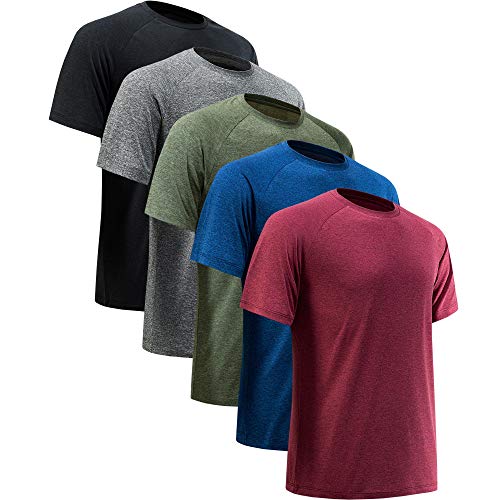
MCPORO Workout Shirts for Men Short Sleeve Quick Dry Gym T Shirt, X-Large
- High-Performance Activewear: Breathable, stretchy, modern design
- Soft & Comfortable: Moisture-wicking, 4-way stretch fabric
- Ideal for Workouts: Keeps you dry, cool, and supported
As an affiliate, we earn on qualifying purchases.
As an affiliate, we earn on qualifying purchases.
Key Questions
What are the best ways for athletes to prepare for extreme heat?
Experts recommend heat-training camps, hydration strategies, wearing cooling gear, and practicing in hot conditions for about 15 days before competition.
How can the general public stay safe during a heat wave?
Wear lightweight, breathable clothing, stay in shaded or air-conditioned areas, exercise during cooler parts of the day, and drink plenty of water.
Will the heat affect the outcome of the World Cup matches?
Extreme heat can reduce player performance and stamina, potentially influencing match results, though teams are preparing to mitigate these effects.
Are there long-term health risks associated with heat waves?
Yes, prolonged exposure to high temperatures can cause heat exhaustion, heatstroke, and other health issues, especially among vulnerable populations.
Source: The Atlantic