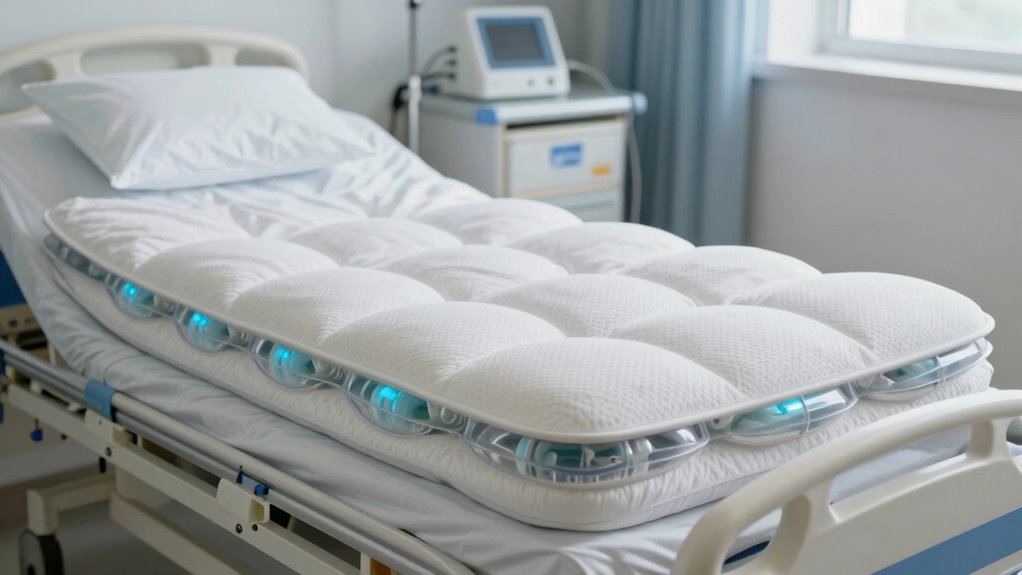

When selecting an alternating air pressure mattress for bedsores, the key considerations are effectiveness, ease of use, and durability. The Vive 8″ Alternating Pressure Mattress stands out as the best overall choice for its reliable pressure redistribution and user-friendly features. For those seeking a budget-friendly yet effective option, the Vive Alternating Air Pressure Mattress Pad delivers solid performance at a lower price point. Meanwhile, the MedVance Medical Alternating Air Mattress offers advanced features with remote control, ideal for institutional settings. However, buyers face tradeoffs between cost, complexity, and longevity. Keep reading to see how these options compare and find the best fit for your needs.

Turn quiet afternoons into listening time
- Thousands of audiobooks, podcasts and originals
- Listen on your phone, tablet or Echo — also offline
- Cancel anytime
Complete the kit


Key Takeaways
- Top picks are distinguished by their pressure redistribution effectiveness and ease of setup.
- Price often correlates with features; more expensive models typically offer quieter pumps and better durability.
- Remote control functions tend to be found in higher-end options, improving ease of use for caregivers.
- Weight capacity and material quality are crucial for long-term use, especially in home versus hospital settings.
- Most models share core features but differ significantly in noise levels, maintenance needs, and portability.
| Vive 5-inch Alternating Pressure Mattress – Air Topper Pad for Bed Sores and Ulcers |  | Best Compact Solution for Limited Space | Material: Vinyl, Rubber | Height: 5 inches | Number of Air Chambers: 16 | VIEW ON AMAZON | See Our Full Breakdown |
| Vive Alternating Air Pressure Mattress Pad – The Original Bed Sore Solution |  | Best Value for Effective Bed Sore Relief | Item Size: 36” W x 78” L | Item Weight: 7.4 pounds | Support Weight Capacity: 300 pounds | VIEW ON AMAZON | See Our Full Breakdown |
| MedVance Medical Alternating Air Mattress with Remote Control – 8″ Thick |  | Best for High-Risk Patients Needing Hospital-Grade Support | Thickness: 8 inches | Size: 80″ x 36″ x 8″ | Weight Capacity: 450 pounds | VIEW ON AMAZON | See Our Full Breakdown |
| Vive 8″ Alternating Pressure Mattress – Low Air Loss Hospital Replacement |  | Best for Hospital or Home Use with Adjustable Support | Size: 8 inches | Air chambers: 16 | Weight capacity: 350 pounds | VIEW ON AMAZON | See Our Full Breakdown |
| Drive Medical Med-Aire Low Air Loss Mattress Replacement System |  | Best for Advanced Pressure Relief and Safety Monitoring | Material: Polycarbonate | Made in: USA | Air Cells: 20 replaceable 8-inch bladders | VIEW ON AMAZON | See Our Full Breakdown |
| Therahab Alternating Pressure Air Mattress with Pump – Stage 2 Bed Sores |  | Best for Targeted Stage 2 Pressure Sore Care | Height: 4.5 inches | Number of air cells: 18 | Operation: Electric pump | VIEW ON AMAZON | See Our Full Breakdown |
| Alternating Air Pressure Mattress Pad with Quiet Pump & Waterproof Cover |  | Best for General Prevention and Long-Term Comfort | Number of Air Cells: 130 | Pump Noise Level: Under 28 dBA | Material: PVC | VIEW ON AMAZON | See Our Full Breakdown |
| Alternating Air Pressure Mattress for Bed Sore Prevention and Pressure Ulcer Relief, Hospital & Home Use Bed Bubble Pad Cushion, Medical Mattress Topper with Ultra-Quiet Pump |  | Best for Hospital and Home Use with High Weight Capacity | Material: Heavy gauge vinyl | Dimensions: 78 x 36 x 2.5 inches | Weight Capacity: 300 lbs | VIEW ON AMAZON | See Our Full Breakdown |
| Invacare MA500 microAIR Alternating Pressure Mattress System, 350 lb. Capacity |  | Best for Low to Medium Risk Patients and Safety Features | Weight Capacity: 350 lbs | Cycle Cycle: 2:1 | Cover Material: Quilted nylon | VIEW ON AMAZON | See Our Full Breakdown |
| Alcedo Alternating Air Pressure Mattress Pad for Hospital and Home Use |  | Best Overall for Versatile Hospital and Home Use | Size: 75″ x 35″ | Weight Capacity: 300 lbs | Material: High-density, breathable, waterproof | VIEW ON AMAZON | See Our Full Breakdown |
| Alternating Pressure Relief Air Mattress Pad for Bed Sores & Ulcers |  | Best for Portable and Quiet Relief in Home and Hospital Settings | Material: Medical-grade PVC | Support Weight: 298 lbs | Number of Bubble Cells: 130 | VIEW ON AMAZON | See Our Full Breakdown |
| Vive Home Hospital Bed Mattress with Alternating Pressure Pad |  | Best for Stable Support and Adjustable Pressure at Home | Pump Noise Level: Ultra-quiet | Pressure Adjustment: Adjustable dial | Support Surface: Alternating pressure pad | VIEW ON AMAZON | See Our Full Breakdown |
| Lunderg Pressure Relief Alternating Air Pressure Mattress Pad & Quiet Pump |  | Best for Long-Term Use with Quiet Operation and Comfort | Maximum Weight Capacity: 300 lbs | Pump Noise Level: 23 dBA | Inflation Time: about 20 minutes | VIEW ON AMAZON | See Our Full Breakdown |
| alternating air pressure mattresses for bedsore | Weight Capacity | Material |
|---|---|---|
| Vive 5-inch Alternating Pressu | 300 pounds | Vinyl, Rubber |
| Vive Alternating Air Pressure | — | Vinyl |
| MedVance Medical Alternating A | 450 pounds | — |
| Vive 8" Alternating Pressure M | 350 pounds | — |
| Drive Medical Med-Aire Low Air | 350 lbs | Polycarbonate |
| Therahab Alternating Pressure | — | — |
| Alternating Air Pressure Mattr | 300 lbs | PVC |
| Alternating Air Pressure Mattr | 300 lbs | Heavy gauge vinyl |
| Invacare MA500 microAIR Altern | 350 lbs | — |
| Alcedo Alternating Air Pressur | 300 lbs | High-density, breathable, waterproof |
| Alternating Pressure Relief Ai | — | Medical-grade PVC |
| Vive Home Hospital Bed Mattres | — | — |
| Lunderg Pressure Relief Altern | — | — |
More Details on Our Top Picks
Vive 5-inch Alternating Pressure Mattress – Air Topper Pad for Bed Sores and Ulcers
This 5-inch mattress stands out for its portability and ease of use, making it a good choice for those needing a simple, space-saving pressure relief option. Unlike the MedVance 8-inch model, it offers a thinner profile that fits easily on many beds, but this comes at the expense of some comfort and support capacity. Its 16 sealed air chambers and quiet pump provide effective pressure redistribution, yet the bulkiness can be an issue on smaller beds or for caregivers who prefer a less obtrusive setup. The waterproof vinyl cover simplifies cleaning, but the reliance on a power source means it isn’t suitable for those with frequent power outages or limited outlets.
Pros:- Compact and lightweight design for easy setup
- Customizable firmness for comfort
- Quiet, effective pump operation
- Waterproof, breathable cover for hygiene
Cons:- Limited thickness reduces support for very high-risk patients
- May be bulky on small or non-standard beds
- Requires continuous power connection
Best for: Patients in need of a lightweight, easy-to-install overlay for home use or small hospital beds
Not ideal for: Users requiring extensive pressure redistribution or higher weight support, as it is less robust than larger models like the MedVance with 8-inch thickness
- Material:Vinyl, Rubber
- Height:5 inches
- Number of Air Chambers:16
- Pump:Variable pressure, ultra-quiet
- Cover:Waterproof vinyl, breathable, latex-free
- Weight Capacity:300 pounds
Our verdict“This mattress suits caregivers seeking a space-efficient, straightforward overlay for low to moderate pressure ulcer prevention.”
Vive Alternating Air Pressure Mattress Pad – The Original Bed Sore Solution
Compared to the MedVance 8-inch mattress, the Vive pad offers a more affordable, flexible option with 130 air cells designed for effective pressure redistribution. Its wave-like therapy promotes circulation and healing while the whisper-quiet pump ensures restful sleep. The vinyl construction is durable and waterproof, supporting up to 300 lbs, but it requires regular maintenance to keep it functioning optimally and can be bulky on some beds. The flexible hoses and compatibility with various bed types make it accessible for many users, though those with very limited space or specific aesthetic preferences may find it less appealing.
Pros:- Effective pressure relief promotes healing
- Quiet, customizable pump for comfort
- Durable, waterproof vinyl cover
- Easy installation with flexible hoses
Cons:- Requires regular cleaning and maintenance
- Bulkier design may be cumbersome on some beds
- Limited to beds with suitable support surfaces
Best for: Families seeking a reliable, budget-friendly device to prevent and treat bedsores at home
Not ideal for: Caregivers or patients needing high support capacity or advanced digital controls, as it lacks the sophistication of hospital-grade systems like MedVance
- Item Size:36” W x 78” L
- Item Weight:7.4 pounds
- Support Weight Capacity:300 pounds
- Material:Vinyl
- Number of Air Cells:130
- Pump Noise Level:22 dBA
Our verdict“This pad offers excellent value for users prioritizing affordability and straightforward pressure relief.”
MedVance Medical Alternating Air Mattress with Remote Control – 8″ Thick
This 8-inch mattress excels in hospital settings with its advanced features like digital controls, alarm diagnostics, and a low air loss design, providing superior pressure management compared to the Vive 5-inch model. Its support for up to 450 pounds and inclusion of an emergency CPR function make it suitable for high-acuity patients. However, its weight of 28 pounds and higher price point can be limiting for home caregivers or smaller facilities. While the digital controls offer precise adjustments, the complexity might be overwhelming for first-time users who prefer simplicity over sophistication.
Pros:- Ultra-quiet pump for undisturbed rest
- Digital controls with alarms and emergency CPR
- Low air loss system enhances comfort and skin health
- Removable, water-resistant quilted cover
Cons:- Heavy and less portable for frequent repositioning
- Higher cost compared to simpler models
- Requires continuous power supply
Best for: Healthcare providers or families caring for high-risk, immobile patients needing hospital-grade support
Not ideal for: Individuals seeking a lightweight or budget-friendly option for home use, given its weight and cost
- Thickness:8 inches
- Size:80″ x 36″ x 8″
- Weight Capacity:450 pounds
- Pump:Digital with diagnostic alarms
- Support:Low air loss, low noise
- Additional Features:Emergency CPR, removable cover
Our verdict“This mattress offers the most comprehensive features for high-risk patients in clinical settings but may be overkill for casual home use.”
Vive 8″ Alternating Pressure Mattress – Low Air Loss Hospital Replacement
This 8-inch mattress provides a balance of support and comfort, with 16 air chambers and adjustable pressure settings that make it suitable for preventing and treating pressure ulcers. It performs better than the thinner Vive 5-inch model in terms of support capacity and is comparable to the MedVance in features, though with fewer digital controls. Its waterproof vinyl cover ensures durability, but setup can be more involved due to the air chamber adjustments, and the bulky design might challenge some bed frames. It’s a practical choice for caregivers who want reliable, adjustable pressure relief without the high cost of hospital systems like MedVance.
Pros:- Effective pressure relief with adjustable settings
- Quiet pump operation for peaceful rest
- Durable waterproof vinyl cover
- Supports up to 350 pounds
Cons:- Setup requires adjusting air chambers individually
- Bulky design may limit compatibility with some beds
- Limited warranty period of 60 days
Best for: Hospitals and clinics looking for a dependable, adjustable mattress for patient care, or home users needing a sturdy, supportive overlay
Not ideal for: Those seeking a lightweight, plug-and-play solution, as setup and maintenance can be cumbersome
- Size:8 inches
- Air chambers:16
- Weight capacity:350 pounds
- Cover material:Waterproof vinyl
- Pump:Variable pressure, quiet
- Static head cells:3
Our verdict“This mattress provides reliable, adjustable support suitable for both hospital and home environments, especially where durability matters.”
Drive Medical Med-Aire Low Air Loss Mattress Replacement System
Compared with the other models, the Drive Med-Aire stands out for its replaceable air bladders and high capacity support of 350 lbs, making it a durable choice for ongoing care. Its 20 replaceable 8-inch bladders and 8-liter-per-minute pump cycle every 10 minutes deliver consistent pressure redistribution, which is crucial for high-risk patients. The breathable cover and automatic pressure monitoring add layers of safety and comfort. However, this setup is bulkier and more expensive, making it less suitable for casual home use. Its reliance on electrical power and maintenance needs also present logistical considerations that other, simpler options lack.
Pros:- Effective pressure redistribution reduces ulcer risk
- Breathable, moisture-reducing cover supports skin health
- Automatic and manual pressure adjustments enhance safety
- Replaceable bladders for extended durability
Cons:- Requires regular maintenance and setup
- Bulkier and more complex to operate than simpler systems
- Higher price point limits suitability for some home users
Best for: Professional caregivers or families needing a hospital-grade, adaptable system for long-term pressure ulcer prevention
Not ideal for: Individuals with limited space or those seeking an affordable, lightweight mattress for occasional use, due to its size and cost
- Material:Polycarbonate
- Made in:USA
- Air Cells:20 replaceable 8-inch bladders
- Pump Flow Rate:8 liters per minute
- Cycle Time:10 minutes
- Weight Capacity:350 lbs
Our verdict“This system offers the most advanced features for professional or long-term care, with durability and safety at its core.”
Therahab Alternating Pressure Air Mattress with Pump – Stage 2 Bed Sores
The Therahab Alternating Pressure Air Mattress stands out for its focus on stage 2 pressure sore relief, utilizing 18 air cells to deliver targeted support. Unlike larger systems like the Invacare MA500, it offers a more compact solution for specific wound management. Its whisper-quiet pump and waterproof design promote comfort and durability, but the need for an outlet limits portability and flexibility for travel or emergency situations. This model is ideal for caregivers managing early-stage bedsores in a fixed setting, where focused support is essential. It’s less suitable for those requiring full-body coverage or portable options due to its weight and limited coverage area. Effective for localized pressure relief, but less versatile for broader needs.Pros:- Provides focused support specifically for stage 2 sores
- Quiet operation ensures restful sleep
- Waterproof and durable for long-term use
Cons:- Requires connection to an electrical outlet, limiting mobility
- Limited to stage 2 support, not adaptable for other wound stages or full-body needs
Best for: Patients with stage 2 pressure sores needing targeted, consistent support in a stationary environment
Not ideal for: Mobility-challenged users who need portable solutions or full-body coverage for multiple bedsores
- Height:4.5 inches
- Number of air cells:18
- Operation:Electric pump
- Purpose:Stage 2 pressure sore prevention and treatment
- Waterproof:Yes
Our verdict“This mattress is best suited for caregivers needing reliable, targeted support for early-stage pressure ulcers in fixed locations.”
Alternating Air Pressure Mattress Pad with Quiet Pump & Waterproof Cover
The Alternating Air Pressure Mattress Pad offers a high-density setup with 130 independent air cells, making it a versatile choice for preventing bedsores across different risk levels. Compared to the more specialized Therahab, this pad provides broader coverage and gentle cycling, which can be more comfortable for users at moderate risk. Its ultra-quiet pump and waterproof surface simplify overnight use and cleanup, but the cycling pattern might not suit sensitive sleepers or those prone to discomfort from movement. It’s best for seniors or individuals with limited mobility who need a reliable all-around preventative device. However, its size and maintenance needs may be less appealing for users seeking lightweight, portable options. Ideal for long-term prevention in a stable, home environment.Pros:- 130 independent air cells promote even pressure redistribution
- Ultra-quiet pump minimizes sleep disturbance
- Waterproof, easy-to-clean surface enhances hygiene
Cons:- Requires regular maintenance of the pump to ensure performance
- Limited flexibility for use on smaller or non-standard beds
Best for: Older adults or long-term care patients at moderate risk of pressure ulcers needing reliable, continuous support
Not ideal for: Active users or those with very limited bed space, due to its size and setup requirements
- Number of Air Cells:130
- Pump Noise Level:Under 28 dBA
- Material:PVC
- Waterproof:Yes
- Dimensions:75″L x 35″W
- Weight Capacity:300 lbs
Our verdict“This pad makes sense for caregivers seeking a comprehensive, low-maintenance prevention solution for moderate-risk patients.”
Alternating Air Pressure Mattress for Bed Sore Prevention and Pressure Ulcer Relief, Hospital & Home Use Bed Bubble Pad Cushion, Medical Mattress Topper with Ultra-Quiet Pump
The Hospital-grade mattress excels through its durable vinyl construction and 130 air cells, designed for both prevention and treatment of pressure ulcers. Its near-silent pump makes it suitable for sensitive environments, and its compatibility with standard beds offers flexibility. Compared with the Invacare MA500, it emphasizes a medical-grade build and a slightly more compact profile, but it comes with a higher price and may be bulkier for home use. This makes it perfect for hospitals or clinics, but less practical for portable, home-only settings where weight and size are concerns. It’s a solid choice for facilities needing reliable pressure management without sacrificing durability. Best suited for clinical environments or homes needing hospital-grade support.Pros:- Effective pressure redistribution with 130 cells
- Quiet, adjustable pump for patient comfort
- Heavy gauge vinyl ensures long-term durability
Cons:- Heavy and bulky, challenging for regular repositioning
- Requires electrical power, limiting mobility
Best for: Hospitals or care facilities requiring durable, reliable pressure relief systems for multiple patients
Not ideal for: Home users seeking lightweight or portable solutions due to its bulk and weight
- Material:Heavy gauge vinyl
- Dimensions:78 x 36 x 2.5 inches
- Weight Capacity:300 lbs
- Pump Flow Rate:4 LPM
- Cycle Time:5 minutes
Our verdict“This system is best for clinical settings where durability and reliability are prioritized over portability.”
Invacare MA500 microAIR Alternating Pressure Mattress System, 350 lb. Capacity
The Invacare MA500 offers an advanced cell-in-cell design, enhancing safety during power failures—a feature that makes it stand out from models like the Therahab, which lacks such safety mechanisms. Its 2:1 cycle ratio provides a quieter, gentler therapy, suitable for users with sensitive skin or light risk profiles. However, its bulkiness and weight make it less practical for portable use or quick repositioning. Ideal for low to medium risk patients needing a reliable, safe pressure redistribution system, but not suited for high-risk or active users requiring lighter equipment. Best for safety-conscious caregivers managing low to medium risk patients in static environments.Pros:- Cell-in-cell design prevents bottoming out during power failures
- Effective pressure redistribution for ulcer prevention
- Breathable, easy-to-clean cover
Cons:- Bulkier and heavier than some alternatives
- Designed for low to medium risk, not high-risk patients
Best for: Patients at low to medium risk of pressure sores, especially where safety during power outages is critical
Not ideal for: Highly mobile or active users needing lightweight, portable options
- Weight Capacity:350 lbs
- Cycle Cycle:2:1
- Cover Material:Quilted nylon
- Safety Feature:Cell-in-cell design
Our verdict“This mattress system is well-suited for safety-focused care environments with stable patient needs.”
Alcedo Alternating Air Pressure Mattress Pad for Hospital and Home Use
This model stands out for its durable, breathable materials and robust support for up to 300 lbs, making it a reliable choice for both hospital and homecare settings. Compared to the Lunderg model, it offers a more comprehensive, adjustable pressure system, though it requires more setup and is limited to twin size, which could be a drawback for larger beds. The ultra-quiet pump provides a peaceful sleep environment, and the waterproof cover adds durability. However, securing the uninflated portion can be cumbersome, and its higher price point may deter budget-conscious buyers. This pick is ideal for caregivers or patients who need a sturdy, adjustable mattress with flexible hospital or home use options.
Pros:- Effective pressure redistribution and bedsore prevention
- Supports up to 300 lbs with durable, waterproof materials
- Quiet, adjustable pump for customized comfort
- Fits standard hospital beds
Cons:- Requires setup and securing of uninflated areas can be tricky
- Limited to twin size, unsuitable for larger beds
Best for: Caregivers needing a durable, adjustable pressure mattress suitable for both hospital and home environments
Not ideal for: Individuals seeking a lightweight or highly portable mattress, as setup is more involved and the size is limited
- Size:75″ x 35″
- Weight Capacity:300 lbs
- Material:High-density, breathable, waterproof
- Pump Features:Adjustable pressure, ultra-quiet, built-in metal hooks
- Included Components:Alternating pressure pad, pump
- Model Number:P01
Our verdict“Best suited for caregivers or patients who need a reliable, adjustable mattress for long-term hospital or home care with high support needs.”
Alternating Pressure Relief Air Mattress Pad for Bed Sores & Ulcers
This option makes a compelling case for mobility and quiet operation, with a lightweight design and a cycle time of just 5 minutes, surpassing the inflation time of the Lunderg model. Its medical-grade PVC ensures durability, while the pump’s noise level below 40 dB promotes restful sleep. Compared with the Alcedo model, it is more portable and easier to store, but the initial inflation takes 30-40 minutes, which may delay immediate use. The 130 bubble cells provide effective pressure redistribution, though the limited size to twin beds restricts its use for larger beds. This mattress is best for those needing a quiet, portable solution that can be easily moved and stored.
Pros:- Effective pressure redistribution with 130 bubble cells
- Quiet, energy-efficient pump for restful sleep
- Portable, easy to store, and lightweight at 6.6 pounds
- Durable medical-grade PVC construction
Cons:- Initial inflation can take up to 40 minutes
- Limited to twin beds, not suitable for larger beds
- Requires regular maintenance and cleaning
Best for: Patients or caregivers seeking a lightweight, portable mattress for home or hospital use with quick pressure relief cycles
Not ideal for: Users needing a larger or more robust support system for bigger beds or heavier patients, as the size is limited
- Material:Medical-grade PVC
- Support Weight:298 lbs
- Number of Bubble Cells:130
- Pump Noise Level:Less than 40 dB
- Inflation Time:30-40 minutes
- Weight:6.6 pounds
Our verdict“Ideal for mobility-focused users who prioritize quiet operation and portability over large size or quick setup.”
Vive Home Hospital Bed Mattress with Alternating Pressure Pad
This system offers a balanced mix of quiet operation and stable support, with an ultra-quiet pump and adjustable pressure dial, making it suitable for patients recovering at home. Compared with the Lunderg model, it features a sturdier foam frame that enhances stability but may be less portable. The setup can be complex for some users due to multiple components. It provides effective pressure relief and is ideal for long-term use, but the limited 60-day guarantee on the pressure pad may concern those seeking extended durability. This mattress is best for users who prioritize stability, adjustable comfort, and a quiet environment in a home setting.
Pros:- Quiet pump ensures peaceful sleep
- Effective pressure relief for bedsore prevention
- Adjustable pressure for personalized comfort
- Sturdy foam frame provides added stability
Cons:- Limited guarantee period on pressure pad
- Potentially complex setup process for some users
Best for: Individuals recovering at home who need adjustable, stable pressure support with a focus on long-term comfort
Not ideal for: Users seeking a lightweight or highly portable mattress, as setup is more involved and the system is bulkier
- Pump Noise Level:Ultra-quiet
- Pressure Adjustment:Adjustable dial
- Support Surface:Alternating pressure pad
- Frame Material:Sturdy foam
- Guarantee:1-year on pump, 60-day on pressure pad
Our verdict“Best for home users who want a stable, adjustable mattress with a focus on long-term support and quiet operation.”
Lunderg Pressure Relief Alternating Air Pressure Mattress Pad & Quiet Pump
This mattress excels in delivering a gentle, comfortable experience with a soft layer and a very quiet pump operating at just 23 dBA, making it ideal for prolonged use without disturbance. Its inflation time of about 20 minutes is faster than some alternatives, like the Alcedo model, but still requires some patience. The addition of static mode offers versatility for users with varying needs. Compared to the Vive model, it may be bulkier but offers enhanced comfort and support for long-term use. Suitable for both hospital and home care, it balances ease of setup with consistent pressure therapy. This mattress is best for caregivers or patients who prioritize quiet operation and long-term comfort within a larger bed setup.
Pros:- Very quiet pump at 23 dBA for undisturbed sleep
- Supports long-term pressure relief with soft comfort layer
- Supports up to 300 lbs for heavy patients
- Easy to set up and use
Cons:- Inflation process takes about 20 minutes
- Bulkier design may be cumbersome in tight spaces
- Requires connection to power outlet
Best for: Long-term care settings where quiet operation and comfort are priorities, especially for bedridden patients needing ongoing pressure relief
Not ideal for: Those who need quick inflation or are limited by space, as setup takes approximately 20 minutes and the mattress may be bulky
- Maximum Weight Capacity:300 lbs
- Pump Noise Level:23 dBA
- Inflation Time:about 20 minutes
- Modes:Alternating, Static
Our verdict“Best suited for long-term care environments where quiet operation and comfort significantly impact patient well-being.”

How We Picked
Products were evaluated based on performance in pressure redistribution, ease of operation, build quality, and maintenance requirements. We prioritized models that balance reliability with user-friendly features, especially for home users and caregivers. Durability, noise levels, and value for price also played key roles in the ranking. The selection process aimed to identify options suitable for a range of needs, from basic prevention to more advanced pressure management, ensuring buyers can find a product that matches their specific situation.Factors to Consider When Choosing Alternating Air Pressure Mattresses For Bedsores
Choosing the right alternating air pressure mattress involves understanding several critical factors. Beyond initial price, consider how the device interacts with the user’s environment, its ease of use, and its durability. Proper selection can prevent further skin breakdown and improve comfort, but a mismatch can lead to frustration or ineffective pressure relief. Here are the key considerations to keep in mind when evaluating options.Pressure Redistribution Performance
The core purpose of these mattresses is to evenly distribute pressure and reduce the risk of bedsores. Look for models with adjustable pressure settings and proven pressure cycle patterns that mimic professional-grade systems. Cheaper models may have inconsistent cycles or less reliable pressure control, which can compromise skin integrity over time. Ensuring the mattress offers effective pressure redistribution is the most important factor for long-term prevention and care.
Ease of Use and Control
Ease of operation is especially critical for caregivers and users with limited mobility. Models with remote controls or simple interface panels make adjustments straightforward, reducing the likelihood of misuse. Quiet pumps not only improve comfort but also make overnight use less disruptive. Avoid overly complex systems if the user lacks technical assistance, as frustration can lead to improper use and reduced effectiveness.
Durability and Build Quality
The longevity of the mattress depends heavily on construction materials and pump quality. Cheaper models may use thinner fabrics or less robust pumps that wear out faster or generate more noise. For long-term use, especially in institutional settings or for users with high weight capacities, investing in a sturdily built mattress can reduce replacement costs and improve user comfort over years of use.
Maintenance and Cleaning
Hygiene is a key concern with pressure mattresses. Select models with waterproof covers and easily removable, washable components. Pumps that are simple to clean and maintain help prevent bacterial build-up and prolong device life. Poor maintenance options can lead to device failure or hygiene issues, undermining the mattress’s preventative function.
Cost and Value
While higher-priced models generally offer quieter operation, better durability, and advanced features, they may be unnecessary for some users. Conversely, lower-cost options might save money upfront but could incur higher replacement or maintenance costs later. Balance your budget with the expected lifespan, features, and your specific care needs to find the best value. Consider whether investing in a premium model results in tangible benefits for your situation.
Frequently Asked Questions
Can I use an alternating air pressure mattress at home for prevention?
Yes, many models are designed for home use and can effectively help prevent bedsores if used consistently. Look for mattresses that are easy to operate, lightweight, and have adjustable pressure settings. Proper placement and regular repositioning are also essential components of prevention, so choose a model that fits your environment and comfort needs. Keep in mind that some advanced features found in hospital-grade mattresses may be less necessary at home, so balance functionality with simplicity.
How long do these mattresses typically last?
The lifespan of an alternating air pressure mattress depends on its build quality and usage intensity. On average, well-made models can last 3 to 5 years with proper maintenance. Cheaper or heavily used models may need replacement sooner, especially if the pump or fabric wears out. Regular cleaning, avoiding sharp objects, and following manufacturer instructions can extend the device’s lifespan. Consider this when budgeting for your purchase, especially for long-term care.
Are quieter pumps worth paying extra for?
Quiet pumps significantly improve comfort, especially for overnight use, and reduce caregiver fatigue. They can make a noticeable difference in a sleep environment, preventing disturbances that could interfere with rest or healing. While models with quiet pumps tend to be more expensive, this feature is often well worth the investment if comfort and peace of mind are priorities. For long-term use, quieter operation can also reduce stress and ensure consistent pressure management.
What size should I choose for a hospital versus home setting?
Size choices depend on the user’s weight, mobility, and the bed or surface on which the mattress will be placed. Hospital models tend to be larger and more robust, supporting higher weight capacities and more frequent use. Home models are typically smaller and lighter, designed for ease of handling. Always check dimensions and weight limits before purchasing to ensure compatibility with your bed and to meet safety standards. Proper sizing ensures effective pressure relief and user comfort.
Is it better to choose a model with additional features like remote control or alarms?
Additional features such as remote controls and pressure alarms can enhance ease of use and safety. Remote controls simplify adjustments, especially for users with limited mobility, while alarms alert caregivers to issues like pump failure or pressure problems. However, these features usually come with a higher price tag and may add complexity. Consider your specific needs, environment, and budget—these extras are most valuable in institutional or high-risk settings where monitoring is critical.