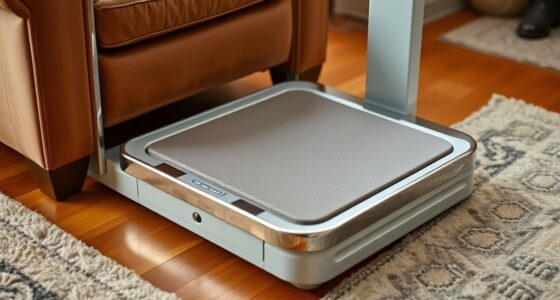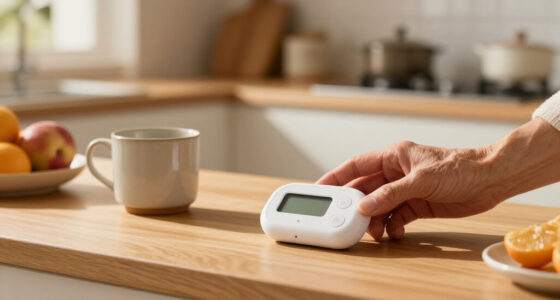
Medical alert systems for seniors split into two camps: monitored systems with 24/7 emergency response and no-monthly-fee systems that simply alert a caregiver nearby. That single distinction drives most of the decision, because monitored options like the Bay Alarm Medical SOS Mobile GPS and Medical Guardian MGHome Cellular cost $30–$50 per month but connect your loved one to trained responders anywhere, while fee-free pagers like the Daytech Caregiver Pager cost nothing ongoing but only work when a caregiver is within range. My top overall pick, the Medical Alert System with Fall Detection and GPS Tracking, balances automatic fall detection, nationwide coverage, and a mid-tier price. The main tradeoffs to weigh are monthly cost versus professional monitoring, home-based versus mobile protection, and whether automatic fall detection is worth the premium. Keep reading for the full breakdown of all 12 systems.

Turn quiet afternoons into listening time
- Thousands of audiobooks, podcasts and originals
- Listen on your phone, tablet or Echo — also offline
- Cancel anytime
Complete the kit


Key Takeaways
- Monitored systems (Bay Alarm, Medical Guardian, Nomo) dominated the top spots because 24/7 professional response is the feature that actually saves lives — the no-fee pagers ranked lower for anyone living alone.
- No-monthly-fee options like the Daytech and Life Alert app-based systems are excellent value only when a caregiver is reliably within Wi-Fi or pager range — they cannot contact 911 on their own.
- Automatic fall detection was inconsistent across the lineup: only the Nomo, SecuLife Smartband, and Safety+ 4G detected falls reliably enough to trust as a sole safety net.
- GPS tracking added real value only on mobile units (MGMini, Bay Alarm SOS, SecuLife Pendant); on home base stations it’s wasted capability you may be paying for.
- Cellular home units like the Medical Guardian MGHome eliminate the landline requirement that still traps some buyers into outdated systems — worth choosing even without a home phone line.
| Medical Alert System for Seniors with Fall Detection and GPS Tracking |  | Best Overall for Active Seniors | Device Type: Medical alert pendant | Network: Verizon + AT&T, 4G LTE | Monthly Subscription: $39.99 | VIEW LATEST PRICE | See Our Full Breakdown |
| Medical Guardian MGMini Medical Alert Device for Seniors |  | Best Premium Monitoring | Device Type: Medical alert necklace | Subscription Cost: $43.95/month (after free trial) | Optional Fall Detection: $10/month | VIEW LATEST PRICE | See Our Full Breakdown |
| WiFi Caregiver Pager and Medical Alert System for Seniors, Waterproof Call Button, Watch Button, Receiver |  | Best No-Monthly-Fee Home System | Connectivity: 2.4GHz Wi-Fi | Range: 656 feet (200 meters) | Waterproof: Yes | VIEW LATEST PRICE | See Our Full Breakdown |
| Life Alert System for Seniors No Monthly Fee App-Controlled Waterproof Wristband with Call Button and Receiver |  | Best for Shower Safety | Waterproof Wristband: Yes | Call Buttons: 2 | Display: 6-LED Number | VIEW LATEST PRICE | See Our Full Breakdown |
| Life Alert System No Monthly Fee, Caregiver Pager Call Button for Seniors with App, Panic Alarm System, 2.4GHz WiFi Receiver, Necklace & Bracelet |  | Best Budget Starter Kit | Connectivity: 2.4GHz WiFi | Includes: Waterproof call button, SOS watch button, receiver | Wearing Options: Pendant, wrist button, or placed near care areas | VIEW LATEST PRICE | See Our Full Breakdown |
| Daytech Caregiver Pager Call Button for Elderly at Home |  | Best Budget Pick for In-Home Caregiving | Power Source: Battery powered (4 x 12V alkaline, included) | Maximum Range: 30 meters | Control Method: Touch | VIEW LATEST PRICE | See Our Full Breakdown |
| Nomo Medical Alert System with Fall Detection for Seniors |  | Best Whole-Home Coverage | Components: Smart Hub, 2 Satellite range extenders, wearable Tags | Connectivity: WiFi, no landline required | Key Features: Fall detection, emergency alerts, two-way voice | VIEW LATEST PRICE | See Our Full Breakdown |
| Bay Alarm Medical SOS Mobile GPS – 24/7 Medical Alert with Fall Detection |  | Best for On-the-Go Protection | Network: Verizon 4G LTE | Weight: Under 2 oz | Water Resistance: Yes | VIEW LATEST PRICE | See Our Full Breakdown |
| Medical Guardian MGHome Cellular Medical Alert System |  | Best for Reliable In-Home Monitoring | Coverage Range: 1,400 feet | Power Source: Standard outlet with 32-hour backup battery | Battery: Lithium-Ion | VIEW LATEST PRICE | See Our Full Breakdown |
| Seculife Medical Alert Smartband for Seniors |  | Best Premium Wearable | Fall Detection: Yes, automatic | GPS Tracking: Yes, with geofencing | Heart Rate Monitor: Yes | VIEW LATEST PRICE | See Our Full Breakdown |
| Safety+ 4G Medical Alert System with Fall Detection and GPS |  | Best for On-the-Go Coverage | Coverage: Nationwide 4G cellular | Fall Detection: Automatic | GPS Location: Yes, with caregiver app access | VIEW LATEST PRICE | See Our Full Breakdown |
| SecuLife Medical Alert Pendant for Seniors with Fall Detection and GPS Tracking |  | Best Value Mobile Monitoring | Brand: Seculife | Fall Detection: Automatic | GPS Tracking: Yes, with safe-zone alerts | VIEW LATEST PRICE | See Our Full Breakdown |
| medical alert systems for senior | Battery Life |
|---|---|
| Medical Alert System for Senio | Up to 5 days |
| Medical Guardian MGMini Medica | 3 days |
| WiFi Caregiver Pager and Medic | — |
| Life Alert System for Seniors | — |
| Life Alert System No Monthly F | — |
| Daytech Caregiver Pager Call B | — |
| Nomo Medical Alert System with | — |
| Bay Alarm Medical SOS Mobile G | Several days per charge |
| Medical Guardian MGHome Cellul | — |
| Seculife Medical Alert Smartba | Extended |
| Safety+ 4G Medical Alert Syste | Up to 6 days |
| SecuLife Medical Alert Pendant | Up to 6 days |
More Details on Our Top Picks
Medical Alert System for Seniors with Fall Detection and GPS Tracking
This pendant earns the top spot because it covers the two scenarios families worry about most: falls away from home and emergencies where the senior can’t speak. The optional fall detection ($4.99/month on top of the $39.99 base) means help is summoned even if the wearer is unconscious — something the WiFi Caregiver Pager simply cannot do, since it only works when someone actively presses a button. GPS tracking over Verizon and AT&T 4G LTE keeps protection intact on walks, errands, and travel.
The tradeoff is cost. At roughly $45/month with fall detection, it’s pricier than no-fee systems like the Life Alert Wristband, and battery life of up to 5 days still means a charging routine. This pick makes the most sense for seniors who leave the house regularly and want professional monitoring rather than relying on a nearby caregiver.
Pros:- Nationwide 4G LTE coverage on both Verizon and AT&T networks
- Optional automatic fall detection summons help without a button press
- Water-resistant design safe for showers and daily wear
- Simple QR-code activation with phone support available
Cons:- Roughly $45/month with fall detection added — a real long-term expense
- Fall detection is an upsell rather than included
- Daily-to-frequent charging needed despite the 5-day battery rating
Best for: Active seniors who leave home often and want 24/7 professional monitoring with GPS and fall protection
Not ideal for: Budget-conscious families or homebound seniors — the subscription adds up fast and a no-fee caregiver pager covers indoor needs for less
- Device Type:Medical alert pendant
- Network:Verizon + AT&T, 4G LTE
- Monthly Subscription:$39.99
- Fall Detection:Optional, $4.99/month
- Battery Life:Up to 5 days
- Water Resistance:Yes
- Activation Fee:None specified
Our verdict“Worth the subscription for independent seniors who need protection everywhere they go, not just at home.”
Medical Guardian MGMini Medical Alert Device for Seniors
The MGMini stands out for what’s behind the button: 24/7 U.S.-based monitoring centers with two-way voice built into a pendant small enough to forget you’re wearing it. Compared with the GPS Tracking pendant above, the step counting and hourly location updates add a wellness layer families appreciate — you can quietly confirm Mom is moving around without calling to check.
The tradeoffs are real. At $43.95/month it’s the most expensive subscription in this batch, fall detection costs a hefty $10/month extra, and one active device per member limits multi-home setups. Battery life of 3 days also trails the GPS Tracking pendant’s 5 days. This model is better suited to buyers who value an established monitoring brand and discreet jewelry-style wear over raw value — the caregiver pager systems cost nothing monthly but only alert people who happen to be nearby.
Pros:- Discreet, jewelry-like design with multiple wearing options
- 24/7 U.S.-based professional monitoring centers
- Hourly location updates and step counting for family peace of mind
- Two-way speaker built into the pendant itself
Cons:- Highest subscription price in the lineup at $43.95/month
- Fall detection adds $10/month on top of the base plan
- Only one active device allowed per member
Best for: Families who want a reputable monitoring service with wellness extras like location updates and step tracking
Not ideal for: Cost-sensitive buyers or households wanting multiple devices per member — the subscription and add-ons pile up quickly
- Device Type:Medical alert necklace
- Subscription Cost:$43.95/month (after free trial)
- Optional Fall Detection:$10/month
- Battery Life:3 days
- Recharge Time:4 hours
- Features:SOS button, location assistance, two-way speaker, hourly location updates, step counting
Our verdict“The pick for buyers who prioritize a trusted monitoring service and subtle design over the lowest monthly cost.”
WiFi Caregiver Pager and Medical Alert System for Seniors, Waterproof Call Button, Watch Button, Receiver
For seniors who don’t wander far, this system replaces a monitoring subscription with something simpler: a direct line to whoever is in the house. The 656-foot range punches through walls across 2–3 floors, which beats the Life Alert Wristband’s 300-foot ceiling and makes it the stronger choice for larger homes or multi-story houses. App notifications extend alerts to family members’ phones at no extra cost for basic alerts.
What you give up is professional backup. Unlike the MGMini, no trained operator is on the other end — if the caregiver is out and SMS/call alerts aren’t subscribed to, a press can go unanswered. It’s also locked to 2.4GHz Wi-Fi, so newer routers need a compatible network enabled. This option stands out for live-in caregiving arrangements where someone reliable is usually within shouting distance anyway.
Pros:- 656-foot range penetrates walls and covers 2-3 floors
- No monthly fee for core alerts and app notifications
- Includes both a waterproof call button and a wearable watch button
- Customizable ringtones and volume levels
Cons:- SMS and phone-call alerts require a paid subscription
- Only works on 2.4GHz Wi-Fi networks
- No professional monitoring or fall detection at all
Best for: Live-in caregivers and families in larger homes who want wall-penetrating alerts without monthly fees
Not ideal for: Seniors living alone — there’s no professional monitoring, so a press only helps if someone nearby responds
- Connectivity:2.4GHz Wi-Fi
- Range:656 feet (200 meters)
- Waterproof:Yes
- Includes:Waterproof call button, watch button, receiver
- Mounting Options:Screw, adhesive patch, lanyard
- Supported Floors:2-3 floors
- Monthly Fee:None for basic alerts
Our verdict“The smartest fee-free choice when a caregiver is regularly in the house and just needs to hear the call.”
Life Alert System for Seniors No Monthly Fee App-Controlled Waterproof Wristband with Call Button and Receiver
Bathroom falls are among the most common and most dangerous for seniors, and this wristband is built around that reality: it’s fully waterproof for shower use with caregiver notifications that cost nothing monthly. The wrist form factor stays put better than a pendant when hands are wet or soapy, and the 6-LED display on the receiver gives a clear visual cue of where the alert came from — useful when buttons are mounted in different rooms.
Compared with the WiFi Caregiver Pager, the shorter 300-foot range makes it a better fit for apartments and single-story homes than sprawling houses. The two-button limit also constrains coverage compared with pager systems that let you scatter more call points. Like its rivals here, it needs 2.4GHz Wi-Fi, and there’s no professional monitoring — this pick makes the most sense for compact homes with attentive family nearby.
Pros:- Waterproof wristband safe for continuous shower wear
- No monthly fees for caregiver app notifications
- 6-LED display pinpoints which button was pressed
- Remote monitoring through the Tuya Smart / Smart Life app
Cons:- 300-foot range is roughly half the WiFi Caregiver Pager’s coverage
- Limited to 2 call buttons total
- 2.4GHz Wi-Fi only; SMS notifications may require a subscription
Best for: Apartment dwellers and single-story households focused on bathroom and shower emergency alerts
Not ideal for: Large multi-floor homes — the 300-foot range and two-button cap limit coverage compared with longer-range pager systems
- Waterproof Wristband:Yes
- Call Buttons:2
- Display:6-LED Number
- Wi-Fi Support:2.4GHz only
- Range:Up to 300 feet
- App Compatibility:Tuya Smart, Smart Life
- Monthly Fee:None for caregiver notifications
Our verdict“A solid fee-free pick for smaller homes where shower safety is the number-one concern.”
Life Alert System No Monthly Fee, Caregiver Pager Call Button for Seniors with App, Panic Alarm System, 2.4GHz WiFi Receiver, Necklace & Bracelet
This is the entry point of the roundup: a pendant, a wrist button, and a receiver with no monthly fee or subscription at all, plus app notifications for family members. Where the GPS Tracking pendant demands about $480 a year, this system asks for a one-time purchase — a meaningful difference for families supplementing in-person care rather than replacing it. Multiple wearing options let seniors choose what they’ll actually keep on, which matters because a device in a drawer protects no one.
The weaknesses are transparency problems. Battery life isn’t specified, range figures are absent, and pricing details are thin — all areas where the WiFi Caregiver Pager and the Life Alert Wristband publish concrete numbers. Compared with those two, this option stands out for simplicity and low commitment, but buyers should expect to verify real-world range themselves. It’s a reasonable first step before investing in monitored protection.
Pros:- Genuinely free to operate with no subscription tier
- Both necklace and wrist wearing options included
- Waterproof buttons usable in the bathroom
- App notifications keep remote family members informed
Cons:- Battery life is not specified by the manufacturer
- No published range or detailed compatibility information
- No professional monitoring or fall detection capability
Best for: Budget-limited families testing whether a caregiver alert system fits their routine before committing to subscriptions
Not ideal for: Anyone needing documented range or battery specs — the missing details make it a gamble for larger or critical-care situations
- Connectivity:2.4GHz WiFi
- Includes:Waterproof call button, SOS watch button, receiver
- Wearing Options:Pendant, wrist button, or placed near care areas
- App Notifications:Yes, for family members
- Monthly Fee:None
- Battery:Not specified
Our verdict“A low-risk, fee-free way to start caregiver alerting, best treated as a trial system rather than a permanent safety net.”
Daytech Caregiver Pager Call Button for Elderly at Home
Not every senior needs a monitored emergency service with a monthly bill. The Daytech Caregiver Pager fills the gap for families where a caregiver is already in the house or garden and just needs a reliable way to be summoned. Compared with subscription systems like the Medical Guardian MGHome Cellular, this option trades professional 24/7 monitoring for a one-time purchase with zero fees — a meaningful saving over a year. Setup is genuinely simple: mount the splash-proof button, hand over the pager, and it works. The tradeoff is real, though. If nobody is within the 30-meter range to hear the 55 dB pager, the call for help goes unanswered — something a cellular system like Bay Alarm Medical SOS Mobile never has to worry about. It also can’t follow the user into the shower.
Pros:- No subscription or monthly fees — a one-time purchase
- Very simple setup with no app, wiring, or technician required
- Works for users with limited mobility or dexterity thanks to the touch-style button
- Portable pager lets the caregiver move around the home or yard
Cons:- Not waterproof — the button and pager must be removed before bathing, a high-risk moment for falls
- 30-meter range falls short for larger properties or detached gardens
- Only alerts a nearby caregiver; no connection to emergency services
Best for: Seniors living with family members or an in-home aide who only need to summon someone inside or near the house, without paying monthly fees
Not ideal for: Seniors who live alone or spend time outdoors alone — there’s no emergency monitoring center and no cellular connection if the pager is out of range
- Power Source:Battery powered (4 x 12V alkaline, included)
- Maximum Range:30 meters
- Control Method:Touch
- Audible Noise:55 dB
- Mounting Type:Wall mount
- Compatibility:Smartphone, tablet
- Water Resistance:Splash-proof only, not waterproof
Our verdict“This pick makes the most sense for shared households that want a fee-free way to call for help, not for seniors living alone.”
Nomo Medical Alert System with Fall Detection for Seniors
Large homes are where most single-pendant systems quietly fail, and the Nomo Medical Alert System directly attacks that problem with a Smart Hub plus two Satellite range extenders. Where the Daytech Caregiver Pager taps out at 30 meters, this setup blankets a multi-story house so a wearable Tag stays connected from the basement to the bedroom. The plug-and-play installation over WiFi means no landline and no technician visit, which puts it ahead of older-style base-station systems in convenience. Two-way voice through the hub means the user can talk to a responder without fumbling for a phone. The tradeoffs: monitoring runs on a subscription after the trial period, and the whole system leans on home WiFi — unlike the Bay Alarm Medical SOS Mobile, which carries its own cellular connection. If the internet drops, so does protection.
Pros:- Satellite range extenders cover large or multi-floor homes far better than single-hub systems
- Fall detection plus instant caregiver alerts built in
- Two-way voice communication speeds up emergency response
- Plug-and-play setup with no landline or professional installation
Cons:- Subscription required for monitoring after the trial period
- Fully dependent on WiFi connectivity — an outage disables the system
- Confined to the home, unlike cellular GPS devices
Best for: Seniors in larger or multi-story homes who want fall detection and two-way voice coverage in every room without landline wiring
Not ideal for: Seniors who leave home often or have unreliable WiFi — this is a fixed, in-home system dependent on the household network
- Components:Smart Hub, 2 Satellite range extenders, wearable Tags
- Connectivity:WiFi, no landline required
- Key Features:Fall detection, emergency alerts, two-way voice
- Monitoring:24/7 with optional subscription
- Setup:Plug-and-play
- Environment:In-home use
Our verdict“This model is better suited to seniors in big houses who stay home most of the time and need wall-to-wall fall protection.”
Bay Alarm Medical SOS Mobile GPS – 24/7 Medical Alert with Fall Detection
The Bay Alarm Medical SOS Mobile GPS is the pick for seniors whose lives don’t stop at the front door. Unlike the Nomo system, which anchors protection to a home hub, this device rides on Verizon 4G LTE and works anywhere with cellular signal — the golf course, the grocery store, a road trip. At under 2 ounces, with a lanyard or belt clip and water resistance for shower wear, it stays on the body where a fall actually happens. The built-in GPS tracking means responders can locate the user even if they can’t say where they are, a feature in-home-only systems can’t offer. The honest tradeoff: a subscription is required for any of this to function, and some buyers have flagged durability concerns with the hardware. Compared with the Seculife Smartband, it’s simpler and lighter but lacks health tracking extras.
Pros:- Nationwide Verizon 4G LTE coverage works away from home
- GPS tracking pinpoints location for responders during emergencies
- Multiple wearing options plus water resistance for shower use
- Battery lasts several days per charge
Cons:- Subscription required for full functionality
- Reported durability concerns from some customers
- Dependent on cellular signal in remote areas
Best for: Active seniors who leave the house regularly and want GPS-located emergency help nationwide, not just at home
Not ideal for: Seniors on fixed budgets unwilling to carry an ongoing subscription, or those who never leave home — an in-home system costs less
- Network:Verizon 4G LTE
- Weight:Under 2 oz
- Water Resistance:Yes
- Battery Life:Several days per charge
- Includes:Device, charging dock, lanyard, belt clip
- Subscription:Required
- Device Type:Mobile SOS help button with fall detection
Our verdict“This is the pick for independent seniors who need protection that travels with them, provided they accept the monthly plan.”
Medical Guardian MGHome Cellular Medical Alert System
For seniors who primarily need protection inside the home, the Medical Guardian MGHome Cellular delivers the strongest foundation in this lineup. Its 1,400-foot coverage range dwarfs the Daytech’s 30 meters and comfortably outreaches typical base-station systems, so the wearable button works from the garden or mailbox. What sets it apart from pager-style options is the connection to 24/7 monitoring with U.S.-based operators — pressing the button reaches a real person who can dispatch help, even if the senior lives alone. The 32-hour backup battery means a power outage doesn’t create a protection gap, a genuinely reassuring detail. Compared with the Bay Alarm SOS Mobile, this is home-bound protection; there’s no GPS for errands. And unlike the Nomo, fall detection here is an extra-cost add-on, which pushes the effective price up for those who want it.
Pros:- 1,400-foot in-home range covers large properties and yards
- 24/7 monitoring with U.S.-based emergency operators
- 32-hour backup battery keeps protection running through outages
- Includes both a pendant and wristband button
Cons:- Monthly subscription required after the free trial
- Fall detection costs extra as an add-on
- Requires a power outlet and offers no away-from-home coverage
Best for: Seniors living alone who stay home most of the time and want professionally monitored coverage across a large house and yard
Not ideal for: Seniors who want built-in fall detection without paying extra, or who need protection outside the home
- Coverage Range:1,400 feet
- Power Source:Standard outlet with 32-hour backup battery
- Battery:Lithium-Ion
- Control Method:Touch
- Mounting Type:Tabletop base station
- Monitoring:24/7 emergency monitoring, subscription required
- Fall Detection:Optional paid add-on
Our verdict“This option stands out for homebound seniors who want dependable, professionally monitored coverage over a wide property — with the subscription to match.”
Seculife Medical Alert Smartband for Seniors
The Seculife Smartband takes a different philosophy from every button-and-hub system here: instead of a device the senior tolerates, it’s a wristband they might actually want to wear. That matters because a medical alert only works when it’s on the body. Alongside automatic fall detection and GPS tracking with geofencing, it adds heart rate monitoring and auto-answer two-way calling — features the Bay Alarm SOS Mobile deliberately skips in favor of simplicity. The IP67 waterproof rating means it survives the shower, a place other picks like the Daytech explicitly can’t go. The premium positioning carries real costs: a subscription starting at $25/month, dependence on cellular coverage, and a screen-based interface that, while senior-friendly, is still more complex than a single oversized panic button. For tech-comfortable seniors, though, it consolidates safety and wellness in one band.
Pros:- Automatic fall detection with immediate emergency alerts
- IP67 waterproof design safe for showering and daily wear
- GPS tracking with geofencing alerts caregivers to wandering
- Heart rate monitoring and auto-answer two-way calling add wellness value
Cons:- Monthly subscription starting at $25/month adds up quickly
- More complex interface than single-button pendants
- Alerts and tracking fail without cellular coverage
Best for: Tech-comfortable seniors and families who want fall detection, GPS, and health monitoring combined in one discreet daily-wear band
Not ideal for: Seniors who struggle with screens or menus — a one-button pendant like the Bay Alarm SOS Mobile is easier to operate under stress
- Fall Detection:Yes, automatic
- GPS Tracking:Yes, with geofencing
- Heart Rate Monitor:Yes
- Waterproof Rating:IP67
- Two-Way Calling:Yes, with auto answer
- Battery Life:Extended
- Subscription:Required, from $25/month
Our verdict“This pick makes the most sense for active, tech-willing seniors who want a full safety-and-health wearable rather than a simple panic button.”
Safety+ 4G Medical Alert System with Fall Detection and GPS
Safety+ leans into mobility in a way most of this roundup doesn’t. Unlike the WiFi Caregiver Pager or Daytech call button systems, which only work within range of a home receiver, this device rides on nationwide 4G with built-in GPS, so protection follows the wearer to the grocery store, the golf course, or a road trip. The automatic fall detection means help can be summoned even if the wearer is unconscious, and the caregiver app gives adult children visibility from afar — something the no-monthly-fee Life Alert wristband can’t match. Battery life of up to six days beats charging-daily smartwatches like the Seculife Smartband. The real tradeoff is cost: $40/month after the first free month, which is steep compared to SecuLife’s $20/month pendant. Coverage also depends on local 4G signal, so rural buyers should verify strength first.
Pros:- Nationwide 4G coverage with GPS works away from home, unlike Wi-Fi-only pager systems
- Automatic fall detection summons help even if the wearer can’t press a button
- Up to 6 days of battery life reduces charging burden
- Multiple wearing options (lanyard, belt clip) and caregiver app for family visibility
Cons:- $40/month subscription after the first month is among the pricier ongoing costs in this roundup
- Useless in areas with weak 4G signal
- Requires an active subscription — the device has no standalone function without monitoring service
Best for: Active seniors who leave the house regularly and families who want GPS location tracking plus professional 24/7 monitoring wherever their parent goes
Not ideal for: Budget-conscious buyers or homebound seniors — at $40/month it costs double the SecuLife pendant, and a Wi-Fi pager system covers a housebound user for far less
- Coverage:Nationwide 4G cellular
- Fall Detection:Automatic
- GPS Location:Yes, with caregiver app access
- Battery Life:Up to 6 days
- Water Resistance:Water-resistant
- Included Accessories:Charging dock, lanyard, belt clip
- Monitoring Service:First month included, $40/month thereafter
Our verdict“This pick makes the most sense for mobile seniors whose families will pay a premium for professional monitoring and GPS tracking beyond the home.”
SecuLife Medical Alert Pendant for Seniors with Fall Detection and GPS Tracking
For seniors who want GPS-tracked protection away from home without premium pricing, the SecuLife pendant undercuts the competition on ongoing cost. At $20/month, it runs half the subscription of the Safety+ 4G system while matching its core features — fall detection, GPS, and two-way calling. It also improves on the shower problem: IP67 waterproofing means it survives full immersion, whereas Safety+ is only water-resistant. The large SOS button and simple interface suit seniors who find smartwatch-style devices like the Seculife Smartband fiddly. The tradeoffs are honest ones: a suggests inconsistent reliability reports, and full functionality still gates behind the subscription, so it isn’t a true no-fee option like the Life Alert app-controlled wristband. Compared with Bay Alarm Medical’s SOS Mobile GPS, it delivers similar capability at a lower monthly commitment.
Pros:- $20/month subscription is half the cost of comparable GPS systems like Safety+
- IP67 waterproof rating allows full shower and rain use
- Up to 6 days of battery life between charges
- Large SOS button and senior-friendly interface easier than smartwatch-style devices
Cons:- Full features still require the monthly subscription
- SIM-card-based setup may confuse less tech-savvy caregivers
Best for: Budget-minded families who want GPS, fall detection, and two-way calling away from home at roughly half the monthly cost of premium monitored systems
Not ideal for:
- Brand:Seculife
- Fall Detection:Automatic
- GPS Tracking:Yes, with safe-zone alerts
- Communication:Two-way calling
- Battery Life:Up to 6 days
- Water Resistance:IP67 waterproof
- Subscription:$20/month for full features
- Included in Box:Charging cable, SIM card, user manual
- Warranty:Manufacturer warranty
Our verdict“A sensible middle ground for seniors who need mobile GPS protection on a budget, provided the family accepts the reliability gamble.”

How We Picked
I ranked these systems by the factors that determine whether a senior actually gets help in an emergency: response quality, coverage range, fall detection reliability, ease of daily use, and total cost of ownership over three years (hardware plus monthly fees). Systems that connect to a 24/7 professionally staffed monitoring center scored higher than caregiver pagers, because a pager is only as good as the proximity and availability of the person holding the receiver. Battery backup, waterproofing for shower wear, and caregiver app features served as tiebreakers.
The ranking order also reflects who each system serves. Monitored mobile units with fall detection and GPS sit at the top for active seniors and anyone living alone; cellular home units follow for mostly-at-home users; app-controlled and pager-based no-fee systems fill the value tier for seniors with an attentive caregiver in the same house. Where two systems offered similar capability, the one with lower long-term cost and simpler setup won the higher position.
Factors to Consider When Choosing Medical Alert Systems For Seniors
Choosing among medical alert systems for seniors comes down to a handful of decisions that shape both safety and cost for years. These are the factors I’d weigh before spending anything.Monitored vs. No-Fee Systems: The Decision That Drives Everything
The most common mistake families make is buying a caregiver pager when they actually need professional monitoring. A no-monthly-fee system only summons help if a caregiver is within pager or Wi-Fi range and able to respond — fine for a shared household, useless for a senior who lives alone or spends hours unsupervised. Monitored systems cost $25–$50 monthly, but a trained dispatcher answers within seconds, verifies the emergency, and contacts family or EMS. A useful exercise: imagine the senior falling at 2 a.m. and ask honestly who would receive that alert. If the answer is “nobody nearby,” the monthly fee isn’t optional — it’s the product.
Fall Detection: Helpful Layer or False Security?
Automatic fall detection sounds like an obvious upgrade, but it behaves differently across price tiers. Cheaper systems generate false alarms from bending over or sudden sitting, which trains seniors to ignore alerts — the opposite of the intended effect. Higher-end detection, like the Nomo’s, distinguishes falls from normal movement more reliably. Also know that no fall detection is perfect: manufacturers themselves report a percentage of undetected falls, particularly slow slides. Treat fall detection as a backup to the button, never a replacement for it, and confirm whether adding it raises the monthly rate — with some providers it’s a $5–$10 add-on rather than a built-in.
Home Base Station vs. Mobile GPS Unit
Match the hardware type to where the senior actually spends time. A home base station covers a house and yard with a loud speakerphone but does nothing at the grocery store or on a walk. A mobile GPS unit works nationwide on cellular networks and lets responders locate the wearer, which matters enormously for seniors with early dementia or wandering tendencies. Mobile units cost more per month and need charging every one to two days — a real burden for forgetful users. Many families eventually land on a hybrid: mobile device for the active senior, in-home unit for the one who rarely leaves. Buying mobile capability for a homebound senior is paying for coverage that never gets used.
Total Cost Over Three Years, Not the Sticker Price
A $40 device with no fees can be cheaper over three years than a “free” device with a $35 monthly plan — but the reverse is also true, and it’s where budgets get blown. Add up hardware price plus 36 months of monitoring before comparing anything. Watch for contract terms: some providers lock you in with cancellation penalties, others are month-to-month. Also check whether a spouse can be added to the same base station for a small fee, which is far cheaper than a second system. The no-fee app-based systems in this lineup look like bargains until you factor in what a missed emergency actually costs.
Wearability and Daily Compliance
The best system fails if the senior won’t wear it. Pendants get forgotten on nightstands; watches get removed for charging and never put back on. Look for waterproof wearables rated for shower use, since bathrooms are the highest-risk room in the house. Battery life matters more than most families expect — a device that needs nightly charging creates a daily failure window.involve the senior in choosing the form factor: some refuse anything that looks medical, in which case a smartwatch-style band like the SecuLife wins over a pendant regardless of specs.
Caregiver Features and App Quality
Modern systems offer companion apps showing battery status, location history, and activity levels, and the quality gap between providers is wide. A location history can reveal wandering patterns before they become dangerous; low-battery alerts prevent the silent dead-device problem. Some apps let caregivers adjust settings remotely, which spares the senior any troubleshooting. When comparing similarly priced systems, the app is often the genuine differentiator — check app store reviews for the specific provider, since a clunky app erodes the value of otherwise solid hardware.
Frequently Asked Questions
Are no-monthly-fee medical alert systems actually safe for a senior living alone?
Generally, no — and this is the single most consequential question in this category. No-fee systems like the Life Alert app-controlled wristband or Wi-Fi caregiver pagers alert a family member’s phone or a receiver in the house, which means help arrives only if someone receives that alert and can physically respond. For a senior alone at 3 a.m., that alert may go to a sleeping adult child twenty minutes away. If independent living is the situation, a monitored system with a 24/7 response center — such as the Medical Guardian or Bay Alarm options — is the responsible choice despite the monthly cost. No-fee systems shine in a different scenario: a senior living with a caregiver who is home most of the time and needs a reliable way to call for help from another room or the shower.
Is fall detection worth the extra monthly cost?
It depends on fall risk and honesty about the senior’s habits. If a senior has already fallen, has balance issues, or is unlikely to press a button after a fall (confusion and immobility are common after impact), automatic detection fills a genuine gap. The tradeoff: fall detection typically adds $5–$10 to monthly fees across monitored providers, and it generates false alarms with cheaper implementations. The Nomo and SecuLife Smartband handled this best in my comparison, with detection accurate enough to trust. If the senior is sharp, mobile, and would reliably press a button, standard monitoring without fall detection is a reasonable way to trim cost — but for most families buying this category for a frail parent, the add-on is money well spent.
Do I need a landline for these systems to work?
No, and any system still requiring one should be avoided in 2026. Cellular-based home units like the Medical Guardian MGHome Cellular connect over 4G networks entirely, so they work in houses without a phone line — which is now most houses. Landline-based systems still exist and are slightly cheaper monthly, but they fail during power or phone outages and tie you to outdated infrastructure. The wrinkle worth knowing: Wi-Fi-based no-fee systems (like the caregiver pager options in this roundup) also depend on your home internet staying up, and they drop offline when the router does. Cellular with battery backup is the most dependable connection type available to consumers.
What’s the difference between a medical alert watch and a pendant?
Wearability and charging habits, mostly. Pendants like the SecuLife Medical Alert Pendant hang around the neck, are often waterproof for shower use, and frequently hold a charge for months — set it and forget it. Watches such as the SecuLife Smartband or MGMini look less medical and are more acceptable to style-conscious seniors, but they need charging every one to two days, which creates a daily window where the device is off-wrist. Buttons are also easier to reach on a pendant when lying on the ground. My general guidance: choose a watch for a tech-comfortable senior who charges devices faithfully, and a pendant for everyone else.
Can a spouse be added to the same system, or do we need two?
With most monitored providers, a second wearable can share one base station for a modest add-on fee — usually $5–$10 per month — rather than doubling the bill. This works well for two seniors in the same home, though both wearables share the base station’s coverage range. The math changes if one spouse is active outside the house: they’d need their own mobile GPS unit with its own line of service. For the no-fee pager systems in this roundup, additional call buttons are often just a one-time hardware purchase, which is one area where fee-free systems genuinely win. Check the add-a-spouse pricing before committing — it varies more between providers than base pricing does.
Conclusion
Mapping these twelve systems to buyer types closes the decision cleanly. For best overall, the Medical Alert System for Seniors with Fall Detection and GPS Tracking delivers the fullest protection package — automatic fall detection, nationwide GPS, and professional monitoring — without the premium pricing of dedicated brands. For best value, the Daytech Caregiver Pager covers a shared household for a one-time cost, provided a caregiver is reliably in range. The best premium picks are the Bay Alarm Medical SOS Mobile GPS and Nomo, whose monitoring quality and fall-detection accuracy justify their higher monthly cost for seniors with serious health risks. For beginners who want simplicity above all, the Medical Guardian MGHome Cellular offers plug-in-and-go setup with no landline needed. And for specific needs: the MGMini suits active seniors who want discreet protection on the go, the SecuLife Smartband fits seniors who refuse anything that looks medical, and the SecuLife Pendant handles shower-safe, long-battery home protection. Whatever you choose, decide first whether a live dispatcher needs to answer the call — everything else follows from that.
Halloween Picks
halloween
As an affiliate, we earn on qualifying purchases.