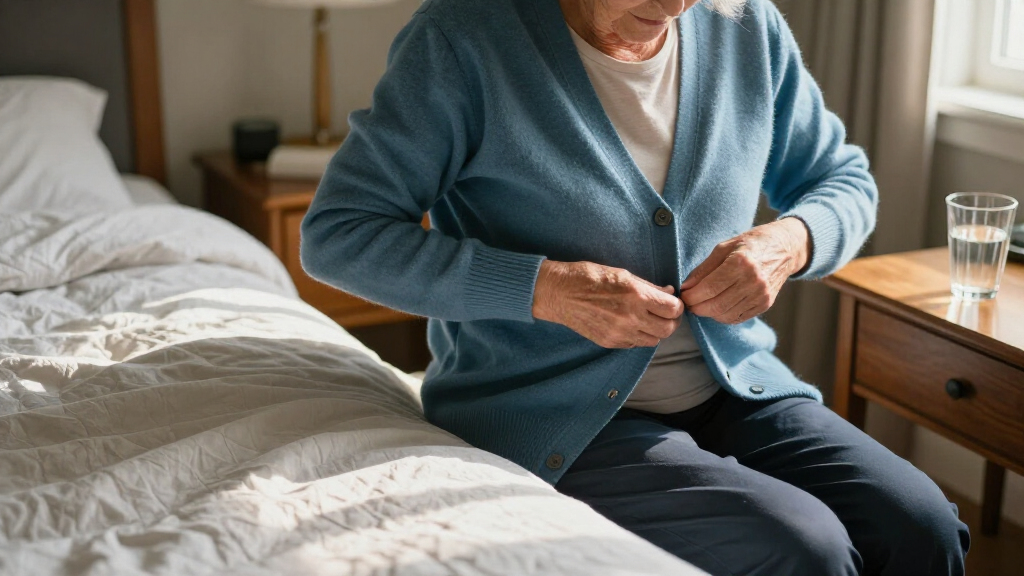

Adaptive clothing for seniors can make dressing easier for the wearer and caregivers, but the right choice depends on mobility, personal preference, and how much hands-on help is needed. I would choose the Silverts Women’s Adaptive Open Back Top as the best overall pick because its back-opening design focuses on assisted dressing without requiring a full outfit change. The Silverts Magnetic Closure Fleece Cardigan stands out for a familiar layer with easier fastening, while the Deyeek Tear-Away Pants with Side Snaps suit care routines that call for access without removing trousers. The main tradeoffs are coverage versus access, familiar styling versus specialized closures, and everyday wear versus post-surgery use. Read on for the full breakdown and guidance on matching each design to a senior’s routine.

Turn quiet afternoons into listening time
- Thousands of audiobooks, podcasts and originals
- Listen on your phone, tablet or Echo — also offline
- Cancel anytime
Complete the kit


Key Takeaways
- Back-opening garments, especially the Silverts Open Back Top, are aimed at assisted dressing; they trade conventional front access for easier garment changes when arm movement is limited.
- Magnetic closures are not the same as tear-away designs: the Silverts cardigan keeps a familiar front-opening look, while snap-panel options prioritize quick access and care tasks.
- Post-surgery pieces serve a narrower need. Tear-away shirts and pants can help avoid pulling garments over sensitive areas, but their specialized openings may be unnecessary for everyday dressing.
- Bottoms and nightwear solve different access problems. Open-back fleece pants and an open-back nightgown focus on assisted dressing, while side-snap pants and capris allow more targeted access.
- More adaptive features do not automatically mean a better fit. Choose the least specialized opening that addresses the person’s actual mobility, care, and comfort needs; the anti-strip jumpsuit and front-closure bra meet particularly specific needs.
| Silverts Women’s Adaptive Magnetic Closure Fleece Cardigan | 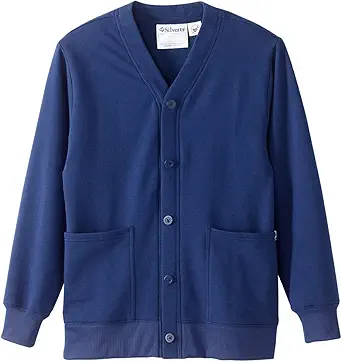 | Best Everyday Layer | Fabric: 62% polyester, 33% cotton, 5% spandex | Closure: Hidden magnetic closures | Style: Open front | VIEW LATEST PRICE | See Our Full Breakdown |
| Silverts Women’s Adaptive Open Back Top |  | Best for Assisted Dressing | Fabric: Interlock, 60% cotton and 40% polyester | Closure: Shoulder snaps | Neckline: V-neck | VIEW LATEST PRICE | See Our Full Breakdown |
| Men’s Adaptive Post-Surgery Recovery Shirt with Tear-Away Snaps |  | Best for Complex Medical Access | Fabric: 65% polyester, 30% viscose, 5% spandex | Closure: Snaps | Opening locations: Shoulders, sleeves, and sides | VIEW LATEST PRICE | See Our Full Breakdown |
| Deyeek Men’s Post-Surgery Tear-Away Short-Sleeve Shirt |  | Best Straightforward Recovery Shirt | Fabric: 65% polyester, 30% rayon, 5% spandex | Sleeve length: Short sleeve | Closure: Snaps | VIEW LATEST PRICE | See Our Full Breakdown |
| Men’s Anti-Strip Back-Zip Adaptive Jumpsuit for Elderly Men |  | Best for Caregiver-Controlled Dressing | Fabric: 95% cotton, 5% spandex | Closure: Full-back security zipper | Fit: Relaxed | VIEW LATEST PRICE | See Our Full Breakdown |
| Silverts Women’s Adaptive Open Back Fleece Pants |  | Best for Warm, Seated Dressing | Fabric composition: 62% polyester, 33% cotton, 5% spandex | Closure: Adjustable snaps | Design: Open back with overlapping panels | VIEW LATEST PRICE | See Our Full Breakdown |
| Deyeek Women’s Open-Back Hospital Gown with Shoulder Snaps |  | Best for Hospital and Home-Care Wear | Fabric: 95% polyester, 5% spandex | Sleeves: Long sleeves | Closure: Shoulder snaps | VIEW LATEST PRICE | See Our Full Breakdown |
| Deyeek Women’s Tear-Away Capri Pants for Post-Surgery Recovery |  | Best for Leg Access and Warm-Weather Recovery | Fabric: 95% polyester, 5% spandex | Style: Capri pants with fully opening sides | Closure: Hook and loop | VIEW LATEST PRICE | See Our Full Breakdown |
| Deyeek Women’s Tear-Away Pants with Side Snaps |  | Best for Everyday Versatility | Material: 93% polyester, 7% spandex | Closure: Full-length side snaps with waistband fastener | Waistband: Elastic | VIEW LATEST PRICE | See Our Full Breakdown |
| Silverts Women’s Adaptive Open-Back V-Neck Nightgown |  | Best for Lightweight Assisted Nightwear | Fabric: 92% polyester, 8% spandex | Care: Machine wash | Design: Open back with shoulder closures and overlapping panels | VIEW LATEST PRICE | See Our Full Breakdown |
| Alessandra B Adaptive Cotton Bra with Front Closure and Wide Straps | 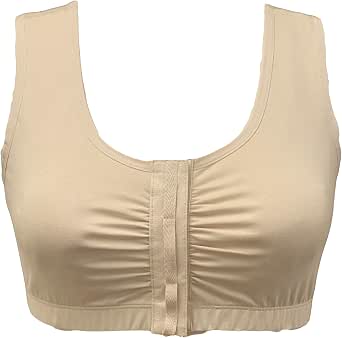 | Best for Easier Everyday Dressing | Fabric: 95% cotton, 5% spandex | Underwire: Wire-free | Closure: Front closure | VIEW LATEST PRICE | See Our Full Breakdown |
| adaptive clothing for senior | Closure | Care | Fabric | Origin |
|---|---|---|---|---|
| Silverts Women’s Adaptive Magn | Hidden magnetic closures | Machine wash and tumble dry | 62% polyester, 33% cotton, 5% spandex | Imported |
| Silverts Women’s Adaptive Open | Shoulder snaps | Machine wash | Interlock, 60% cotton and 40% polyester | — |
| Men’s Adaptive Post-Surgery Re | Snaps | Machine wash | 65% polyester, 30% viscose, 5% spandex | Imported |
| Deyeek Men’s Post-Surgery Tear | Snaps | Machine wash cold; tumble dry low | 65% polyester, 30% rayon, 5% spandex | Imported; country not specified |
| Men’s Anti-Strip Back-Zip Adap | Full-back security zipper | Machine wash | 95% cotton, 5% spandex | Imported |
| Silverts Women’s Adaptive Open | Adjustable snaps | Machine wash; tumble dry low | — | — |
| Deyeek Women’s Open-Back Hospi | Shoulder snaps | Machine wash cold | 95% polyester, 5% spandex | Imported |
| Deyeek Women’s Tear-Away Capri | Hook and loop | Machine wash | 95% polyester, 5% spandex | Imported |
| Deyeek Women’s Tear-Away Pants | Full-length side snaps with waistband fastener | Machine wash | — | Imported |
| Silverts Women’s Adaptive Open | — | Machine wash | 92% polyester, 8% spandex | — |
| Alessandra B Adaptive Cotton B | Front closure | — | 95% cotton, 5% spandex | Imported |
More Details on Our Top Picks
Silverts Women’s Adaptive Magnetic Closure Fleece Cardigan
For an older adult who wants extra warmth without managing a conventional row of buttons, this cardigan pairs an open-front cut with hidden magnetic closures. The opening reduces the need to lift the arms overhead, while the magnets offer a simpler fastening option for some people with limited hand dexterity. Its fleece interior adds light insulation, making it more of a comfortable layer than a medical-access garment. Compared with the Silverts Women’s Adaptive Open Back Top, it is easier to put on independently but does not open at the shoulders for assisted dressing. The relaxed fit and pockets favor daily wear; the tradeoff is that the product details do not give a warmth rating or fit measurements, and magnets may not suit every wearer or care situation.
Pros:- Open-front design avoids pulling a garment over the head
- Hidden magnetic closures can simplify fastening for limited dexterity
- Fleece interior provides lightweight warmth
- Front pockets keep small everyday items close
Cons:- Does not provide the shoulder-opening access of the Silverts Women’s Adaptive Open Back Top
- Magnetic closures may not suit every wearer or care situation
- No specific sizing or fit measurements are provided
Best for: Older adults seeking a lightweight, familiar-looking layer who have difficulty with buttons or overhead dressing but can manage a cardigan themselves.
Not ideal for: People who need clothing that opens fully for assisted dressing or medical access, or anyone for whom magnetic closures are unsuitable.
- Fabric:62% polyester, 33% cotton, 5% spandex
- Closure:Hidden magnetic closures
- Style:Open front
- Fit:Relaxed
- Warmth feature:Fleece interior
- Pockets:Front pockets
- Care:Machine wash and tumble dry
- Origin:Imported
Our verdict“Choose this for easy-to-fasten everyday warmth, but pick the Silverts open-back top when assisted dressing access matters more than independent wear.”
Silverts Women’s Adaptive Open Back Top
This top is the clearest choice here for someone who cannot comfortably lift their arms into a standard shirt. Shoulder snap closures let a caregiver arrange the garment around the wearer, while full back coverage keeps it looking more like a conventional top than an open-back gown. Its lightweight cotton-polyester interlock fabric and V-neck suit routine indoor wear, though the garment is designed around assisted dressing rather than independent changes. Compared with the Silverts Women’s Adaptive Magnetic Closure Fleece Cardigan, this top gives caregivers more direct access at the shoulders but offers less warmth and no stated pockets. The snap design is practical, but it may feel less familiar than ordinary clothing, and the product information gives no sizing or fit details to help families choose confidently.
Pros:- Shoulder snaps allow dressing without lifting the arms into sleeves
- Full back coverage offers a familiar top-like appearance
- Lightweight cotton-polyester fabric is described as breathable
- Embroidered V-neck adds a decorative detail
Cons:- Designed for assisted dressing rather than conventional independent dressing
- No sizing or fit details are provided
- Does not offer the fleece warmth or pockets of the Silverts magnetic cardigan
Best for: Older adults with limited shoulder or upper-body mobility who need a caregiver to dress them while maintaining full back coverage.
Not ideal for: People who dress independently and want a conventional pull-on top, or buyers who need detailed sizing guidance before ordering.
- Fabric:Interlock, 60% cotton and 40% polyester
- Closure:Shoulder snaps
- Neckline:V-neck
- Back coverage:Full
- Fabric characteristics:Lightweight and breathable
- Detail:Embroidered neckline
- Care:Machine wash
Our verdict“Choose this when caregiver access and full back coverage matter more than independent dressing or added warmth.”
Men’s Adaptive Post-Surgery Recovery Shirt with Tear-Away Snaps
Among these five picks, this shirt is the most specifically equipped for dressing around treatment needs: snaps at the shoulders, sleeves, and sides can open multiple areas for care, and the description calls out slings, casts, and IV lines. That makes it a more targeted recovery garment than the Deyeek Men’s Post-Surgery Tear-Away Short-Sleeve Shirt, whose supplied details describe similar opening points but do not mention those particular supports. The soft polyester-viscose-spandex blend and short sleeves suit recovery or rehabilitation, while machine washing supports routine laundry. The tradeoff is that sizing guidance recommends going up for casts or braces, so fit may be less straightforward than with everyday adaptive clothing. Snap fastenings also add more points to manage and will not suit everyone.
Pros:- Shoulder, sleeve, and side snaps provide access at several areas
- Designed to accommodate slings, casts, and IV lines
- Short sleeves can simplify access to arms during care
- Machine-washable fabric blend supports routine laundering
Cons:- Sizing guidance recommends choosing a larger size for casts or braces
- Multiple snap closures may be inconvenient or unsuitable for some wearers
- Recovery-focused design is less suited to ordinary daily wear
Best for: Men recovering from surgery or undergoing treatment who need clothing that can open around a sling, cast, brace, or IV line.
Not ideal for: Older adults seeking a simple everyday shirt without medical-access openings, or anyone who dislikes multiple snap closures.
- Fabric:65% polyester, 30% viscose, 5% spandex
- Closure:Snaps
- Opening locations:Shoulders, sleeves, and sides
- Sleeve length:Short sleeve
- Intended use:Post-surgery recovery, chemotherapy, and rehabilitation
- Care:Machine wash
- Origin:Imported
- Fit guidance:Choose a larger size for casts or braces
Our verdict“Pick this over the Deyeek tear-away shirt when explicit support for casts, slings, or IV lines is a priority.”
Deyeek Men’s Post-Surgery Tear-Away Short-Sleeve Shirt
The Deyeek is a focused option for men who need easier observation or care access during recovery but do not need the product description to call out accommodation for an IV line or cast. Snap openings at the shoulders, sleeves, and sides allow sections of the shirt to be opened without fully removing it, which can make care less disruptive. The polyester-rayon-spandex blend is described as soft and breathable, and the care instructions specify cold machine washing with low tumble drying. Compared with the Men’s Adaptive Post-Surgery Recovery Shirt with Tear-Away Snaps, it has a similarly useful opening layout but less detail about specific medical equipment and sizing guidance. That makes fit harder to judge in advance. Its recovery-oriented appearance and multiple snaps may also be more than an everyday wearer needs.
Pros:- Shoulder, sleeve, and side snaps support access during care
- Soft, breathable fabric blend is suited to recovery wear
- Short sleeves leave the arms accessible
- Cold wash and low tumble-dry instructions are clearly specified
Cons:- No sizing or fit details are provided
- Product details do not specify accommodation for IV lines, casts, or braces
- Multiple openings and a recovery-focused design may not suit routine wear
Best for: Men who need a simple short-sleeve recovery shirt with multiple access points for observation or care.
Not ideal for: Buyers needing explicit accommodation guidance for IV lines, casts, or braces, or those who need fit measurements before choosing a size.
- Fabric:65% polyester, 30% rayon, 5% spandex
- Sleeve length:Short sleeve
- Closure:Snaps
- Opening locations:Shoulders, sleeves, and sides
- Intended use:Post-surgery recovery and limited mobility
- Care:Machine wash cold; tumble dry low
- Origin:Imported; country not specified
Our verdict“Choose this for basic care access during recovery, and favor the other tear-away shirt if you need more explicit guidance for medical equipment.”
Men’s Anti-Strip Back-Zip Adaptive Jumpsuit for Elderly Men
This jumpsuit serves a different need from the tops in this group: its full-back security zipper is designed to help caregivers manage dressing, hygiene, and medical checks while reducing the chance of accidental opening. That makes it more appropriate for supervised care than for someone who wants a shirt that opens at the shoulders for treatment access. The relaxed fit, cotton-spandex stretch, and tagless seams are intended to support extended wear, but a back zipper means the wearer may not be able to manage dressing independently. Compared with the Silverts Women’s Adaptive Magnetic Closure Fleece Cardigan, this is a more secure, full-garment solution rather than an easy-on everyday layer. Its narrow use case is also its main limitation: it is not the flexible choice for ordinary outfits or quick independent changes.
Pros:- Full-back security zipper supports caregiver-assisted dressing and care
- Designed to reduce accidental openings
- Cotton-spandex fabric offers stretch
- Relaxed fit and tagless seams are intended for extended-wear comfort
Cons:- Back zipper may require caregiver assistance
- One-piece design is less flexible than adaptive tops and separates
- Does not provide the multiple medical-access openings found on the recovery shirts
Best for: Caregivers dressing older men who need a secure one-piece garment for extended wear, hygiene assistance, or medical checks.
Not ideal for: Older adults who dress independently, prefer separates, or need frequent access through shoulder and sleeve openings.
- Fabric:95% cotton, 5% spandex
- Closure:Full-back security zipper
- Fit:Relaxed
- Seams:Tagless
- Intended features:Dressing, hygiene, and medical-check assistance
- Care:Machine wash
- Origin:Imported
Our verdict“Choose this for caregiver-managed dressing and secure extended wear, but skip it if independent changes or flexible medical access are priorities.”
Silverts Women’s Adaptive Open Back Fleece Pants
I’d choose these pants when warmth and assisted dressing matter more than quick access to the legs. Their overlapping open-back panels and adjustable snaps let a caregiver dress someone while seated, standing, or lying down, without the wearer needing to step into conventional trousers. The stretchy fleece blend adds softness and flexibility for extended wear. Compared with Deyeek’s Tear-Away Capri Pants, these prioritize coverage and warmth over cooler temperatures and access along the full leg. The tradeoff is that fleece may feel too hot indoors or in warm weather, and the listing provides no detailed sizing information. The 31-inch inseam may also be a poor match for some heights, so I’d check fit carefully before ordering.
Pros:- Overlapping open-back panels support assisted dressing in several positions.
- Adjustable snap closures help caregivers secure the pants with coverage.
- Soft, stretchable fleece blend offers warmth and flexibility.
- Machine-washable fabric simplifies routine laundry.
Cons:- Fleece may be uncomfortably warm in hot rooms or warmer seasons.
- Sizing details are not provided in the supplied product information.
- The 31-inch inseam may not suit shorter wearers.
Best for: Seniors or people in recovery who need caregiver-assisted dressing from a seated or lying position and prefer warm, full-length pants.
Not ideal for: People who overheat easily, need frequent access to the legs for care, or require detailed sizing guidance before buying.
- Fabric composition:62% polyester, 33% cotton, 5% spandex
- Closure:Adjustable snaps
- Design:Open back with overlapping panels
- Inseam:31 inches
- Care:Machine wash; tumble dry low
- Intended dressing positions:Seated, standing, or lying down
Our verdict“Choose these for warm, full-length coverage during assisted dressing, but look elsewhere if the wearer needs a cooler fabric or easy leg access.”
Deyeek Women’s Open-Back Hospital Gown with Shoulder Snaps
This gown is my pick for people who want one loose garment for sleep, hospital stays, or home care. Its shoulder snaps and overlapping open back make dressing easier when lifting the arms or pulling clothing over the head is difficult, while the roomy cut suits rest and care routines. The lightweight polyester-spandex fabric is a cooler alternative to Silverts’ Open Back Fleece Pants, which are designed for warmth rather than sleeping or upper-body access. The gown’s pockets are useful for small essentials, though the listing does not specify their placement or size. It is less suited to anyone who wants a conventional nightgown silhouette: the open-back construction favors caregiver access, and the supplied information advises checking the size chart. Cold-water washing is another care constraint.
Pros:- Shoulder snaps and an overlapping back simplify dressing and undressing.
- Lightweight polyester-spandex fabric is suited to sleep and indoor care.
- Loose fit allows room for comfort during rest.
- Pockets provide space for small personal items.
Cons:- Open-back styling may not suit wearers who prefer conventional nightwear.
- Fit depends on checking the size chart; sizing details are not supplied here.
- Machine washing is specified for cold water.
Best for: Seniors in hospital or home care who need a loose sleep garment with shoulder access and an open back for assisted dressing.
Not ideal for: Shoppers seeking a conventional fully closed nightgown, or buyers who cannot check the size chart before ordering.
- Fabric:95% polyester, 5% spandex
- Sleeves:Long sleeves
- Closure:Shoulder snaps
- Back design:Open back with overlapping panels
- Pockets:Yes
- Care:Machine wash cold
- Origin:Imported
Our verdict“Pick this gown for relaxed hospital or home-care wear with easier shoulder access, not for a standard closed-back nightgown.”
Deyeek Women’s Tear-Away Capri Pants for Post-Surgery Recovery
I’d favor these capris when access to the legs for care is the main need. The sides open fully with hook-and-loop closures, so a caregiver can reach the legs without pulling the pants over the feet; the adjustable elastic waist adds another way to adapt the fit. Their shorter length and lightweight blend also distinguish them from Silverts’ Open Back Fleece Pants, which offer warmer coverage but do not provide the same full side access. The compromise is the closure: hook-and-loop can lose adhesion with repeated use, so these may be less dependable over time than snap-based options such as Deyeek’s full-length Side Snap Pants. The supplied listing also lacks sizing and fit details, making a confident fit choice harder.
Pros:- Fully opening sides allow direct access to the legs for care.
- Hook-and-loop closures support dressing without stepping into the pants.
- Capri length may feel cooler than full-length adaptive pants.
- Machine-washable fabric suits regular recovery wear.
Cons:- Hook-and-loop closures may lose adhesion with repeated use.
- Sizing and fit details are not provided in the supplied listing.
- Capri length offers less leg coverage than full-length options.
Best for: People recovering from surgery or injury, or wheelchair users, who need caregivers to reach the legs without removing the pants.
Not ideal for: Buyers who want long, warm coverage, need detailed fit information, or prefer closures that do not rely on hook-and-loop.
- Fabric:95% polyester, 5% spandex
- Style:Capri pants with fully opening sides
- Closure:Hook and loop
- Waist:Adjustable elastic waist
- Care:Machine wash
- Origin:Imported
Our verdict“Choose these capris for cooler wear and direct leg access during recovery, but skip them if durable closures or warm full-length coverage matter more.”
Deyeek Women’s Tear-Away Pants with Side Snaps
Among these bottoms, I’d choose the Deyeek Side Snap Pants for someone who wants adaptive access without giving up everyday features. Full-length side snaps make dressing and removal easier, while the elastic waistband and two pockets give them a more familiar pants feel than the open-back Silverts Fleece Pants. That makes this pair a stronger fit for regular wear as well as recovery, though the listing does not say that the sides open fully for leg care as the Deyeek Tear-Away Capri Pants do. The light, stretchy polyester-spandex blend supports a loose fit, but the product information gives no sizing details. The listing also does not specify snap adjustment or fastener durability, so buyers who need frequent medical access may prefer the capris’ clearly described fully opening sides.
Pros:- Full-length side snaps make dressing and removal easier.
- Elastic waistband supports a more flexible fit.
- Two side pockets add practical everyday utility.
- Loose polyester-spandex fabric is suited to recovery and regular wear.
Cons:- The listing does not specify whether the sides open fully for leg care.
- Sizing and fit details are not provided in the supplied information.
- Snap durability and adjustability are not described.
Best for: Seniors or recovering adults who want full-length adaptive pants for routine wear, with side access, an elastic waist, and pockets.
Not ideal for: People who need fully opening sides for frequent leg treatment or require specific fit and closure details before choosing.
- Material:93% polyester, 7% spandex
- Closure:Full-length side snaps with waistband fastener
- Waistband:Elastic
- Pockets:Two side pockets
- Fit:Loose fit
- Care:Machine wash
- Origin:Imported
Our verdict“Choose these for everyday full-length adaptive wear with pockets, but opt for the tear-away capris if direct leg access is the priority.”
Silverts Women’s Adaptive Open-Back V-Neck Nightgown
This nightgown is the most specialized choice here for assisted dressing at bedtime. Its open back and shoulder closures reduce the need to lift the wearer’s arms or pull clothing over the head, while overlapping panels provide coverage when seated or lying down. The lightweight stretch fabric makes it a softer, less insulating alternative to Silverts’ Open Back Fleece Pants, and the V-neck with lace trim gives it a more finished look than a basic care gown. The tradeoff is its narrow purpose: the design is made for assisted dressing, not for shoppers seeking a conventional closed-back nightgown. Compared with Deyeek’s open-back hospital gown, this option emphasizes the V-neck and trim, while the Deyeek listing specifically includes pockets and long sleeves.
Pros:- Open back and shoulder closures simplify assisted dressing.
- Overlapping panels provide coverage while seated or lying down.
- Lightweight polyester-spandex fabric suits extended wear.
- V-neck and lace trim offer a more finished appearance.
Cons:- Open-back construction may not suit those seeking conventional nightwear.
- The listing does not specify sleeves or pockets.
- Fit details are not included in the supplied product information.
Best for: Seniors with limited mobility who need a lightweight nightgown that a caregiver can put on without lifting their arms.
Not ideal for: People who dress independently and want conventional back coverage, or shoppers who need long sleeves or pockets.
- Fabric:92% polyester, 8% spandex
- Care:Machine wash
- Design:Open back with shoulder closures and overlapping panels
- Neckline:V-neck with lace trim
- Intended use:Assisted dressing, home, rehabilitation, and care environments
Our verdict“Choose this nightgown for lightweight, caregiver-assisted bedtime dressing, but select a conventional gown if the wearer wants a closed back.”
Alessandra B Adaptive Cotton Bra with Front Closure and Wide Straps
The front closure makes this bra a more targeted adaptive choice than the Silverts Women’s Adaptive Open Back Top, which changes how a top is put on rather than simplifying bra fastening itself. Its wire-free construction and cotton-spandex blend suit everyday wear when comfort and less restrictive dressing matter more than structured shaping. Wide straps may help spread pressure across the shoulders, while the elastic underband offers another way to put it on: it can slip over the head if reaching for the closure is difficult.
The tradeoff is limited fit guidance: the product information gives no sizing or fit details, and there are no customer reviews to help judge support or ease of use. Unlike the open-back garments elsewhere in this roundup, it is not described as a post-surgery access garment. I would choose it for routine dressing support, but look elsewhere when clinical access or detailed fit reassurance is a priority.
Pros:- Front closure can reduce the need to reach behind the body.
- Over-the-head option provides an alternative if fastening the closure is difficult.
- Wide straps are intended to reduce shoulder digging.
- Cotton-spandex blend is described as soft and breathable.
Cons:- No fit details or customer feedback are provided to help judge sizing and support.
- The product information does not describe molded cups or other structured shaping.
- Unlike open-back recovery garments in the roundup, it is not presented as a solution for clinical access.
Best for: Seniors who want a wire-free everyday bra with front fastening and an over-the-head option, especially if reaching behind the back is difficult.
Not ideal for: Shoppers who need documented sizing and fit guidance, strong shaping, or a garment specifically described for post-surgery access.
- Fabric:95% cotton, 5% spandex
- Underwire:Wire-free
- Closure:Front closure
- Strap type:Basic, wide straps
- Underband:Elastic
- Dressing options:Front closure or slip over the head
- Origin:Imported
Our verdict“Choose this bra for flexible, simpler everyday dressing, but not when fit guidance, structured support, or post-surgery access is the main need.”

How We Picked
I compared these 11 garments by how directly their opening and closure designs address common dressing barriers for seniors: limited reach, difficulty with buttons or zippers, discomfort when clothing is pulled over the head or limbs, and the need for caregiver access. I also weighed how well each item fits its intended role, from everyday layering and sleepwear to post-surgery dressing and resistance to undressing. Designs that appear more broadly useful for routine dressing rank ahead of items with a narrower clinical or behavioral purpose.
The ranking also reflects tradeoffs in coverage, familiarity, and specialization. A magnetic cardigan may feel more like ordinary clothing, while a back-opening garment can be more practical when a wearer needs substantial help. Tear-away panels can support access but add closures and a more purpose-specific appearance. I did not treat any closure as a substitute for checking sizing, fabric care instructions, or whether the wearer can tolerate the garment; those details should be confirmed for the specific listing before purchase.
| adaptive clothing for senior | Care | Origin |
|---|---|---|
| Silverts Women’s Adaptive Magn | Machine wash and tumble dry | Imported |
| Silverts Women’s Adaptive Open | Machine wash | — |
| Men’s Adaptive Post-Surgery Re | Machine wash | Imported |
| Deyeek Men’s Post-Surgery Tear | Machine wash cold; tumble dry low | Imported; country not specified |
| Men’s Anti-Strip Back-Zip Adap | Machine wash | Imported |
| Silverts Women’s Adaptive Open | Machine wash; tumble dry low | — |
| Deyeek Women’s Open-Back Hospi | Machine wash cold | Imported |
| Deyeek Women’s Tear-Away Capri | Machine wash | Imported |
| Deyeek Women’s Tear-Away Pants | Machine wash | Imported |
| Silverts Women’s Adaptive Open | Machine wash | — |
| Alessandra B Adaptive Cotton B | — | Imported |
Factors to Consider When Choosing Adaptive Clothing For Seniors
Before choosing a garment, I would start with the dressing task that causes the most difficulty—not with the longest list of adaptive features. The following factors help narrow the field and avoid buying clothing that solves the wrong problem.
Match the opening to the movement that is difficult
Think through the steps that are hard: reaching behind the body, raising the arms, bending to pull up trousers, or managing small fasteners. A back-opening top may reduce the need to pull clothing over the head, while side snaps can limit how much a person must move a leg through a pant opening. Magnetic fronts address hand dexterity more directly than restricted shoulder movement. A common mistake is choosing a garment labeled adaptive without checking which movement its design actually changes. If the wearer can dress independently with a familiar front opening, an easier closure may be more useful than a full back-opening design.
Choose between caregiver access and everyday independence
Adaptive clothing can be designed to support a caregiver, the wearer, or both, and those aims are not always identical. Open-back garments can simplify dressing for someone who needs substantial assistance, but they may be less convenient for someone who prefers to dress independently. Tear-away panels can help during care or recovery, yet they involve closures that may need help to position and fasten. Ask who will put the garment on, how often assistance is available, and whether the wearer wants to manage the closures alone. Buying for the caregiver’s convenience without including the wearer can lead to a garment that is practical on paper but unwelcome in daily use.
Treat recovery clothing as a temporary-use decision
Post-surgery garments may reduce friction or avoid pulling clothing across a sensitive area, but they are not automatically the best choice for long-term dressing support. Before buying, check whether the opening lines up with the surgical site and any dressings or medical access needs; garment design alone cannot confirm compatibility. Think about how many times the item will be worn and whether the person will still need the same access after recovery. A specialized tear-away style can be helpful for a defined period, while a familiar adaptive top or pair of pants may serve more routines. Follow the care team’s guidance when clothing needs to accommodate a wound, device, or treatment.
Check fit as a movement and care issue
Fit affects more than appearance: tight openings can make assisted dressing harder, while excess fabric may bunch under the body or interfere with movement. Use the product’s own size chart rather than assuming a familiar size transfers across brands, and check whether measurements refer to the garment or the wearer. For seated wear, consider how waistbands, seams, and fabric sit when the person is in their usual position. If the item will be put on by a caregiver, allow room for the intended dressing method without choosing a size so loose that it shifts. When fit is uncertain, review the seller’s measurement and return details before ordering.
Balance familiar appearance with specialized function
Some seniors value clothing that resembles what they already wear; others prefer a garment designed around care access, regardless of conventional styling. A familiar cardigan or nightgown may be easier to accept as part of a daily wardrobe, while an anti-strip jumpsuit is intended for a specific safety and care concern. Consider where the garment will be worn, whether it needs to coordinate with existing clothes, and how comfortable the wearer feels about its appearance. Specialized closures can add convenience but may also make a garment feel less ordinary. A good choice solves the dressing problem while preserving as much personal preference as possible.
Compare laundering needs and wardrobe frequency
Care routines matter when an item will be worn often or handled by several caregivers. Check the listing’s washing and drying instructions, closure care, and any notes about fastening components before adding a garment to a regular rotation. A single adaptive piece may not be enough if it is needed daily and must be washed between wears; a spare can prevent rushed dressing when laundry is pending. On the other hand, buying several specialized pieces before confirming comfort and fit can leave unused garments. Start with the item that addresses the most frequent difficulty, then expand the wardrobe only after the wearer has had a chance to assess it.
Frequently Asked Questions
Should I choose an open-back top or a front-closure top for someone with limited shoulder movement?
The better choice depends on whether the person can move their arms forward and manage a front closure more easily than reaching overhead or behind the back. An open-back top may be simpler for a caregiver to put on when arm movement is very limited, while a front-opening style can preserve more independent dressing for someone with usable hand and arm function. Also consider whether the wearer can tolerate being turned or positioned during dressing. Check the garment’s exact opening and fastening arrangement rather than relying on the product title alone. If movement limits are related to an injury or surgery, follow the clinician’s dressing guidance.
Are tear-away shirts and pants suitable for everyday wear, or mainly for recovery?
Tear-away styles can work beyond recovery if their access panels solve a recurring dressing or care need, but they are more specialized than ordinary adaptive clothing. Consider whether the wearer needs frequent access to a particular area and whether the closures feel comfortable and secure during routine activity. For occasional dressing support, a familiar garment with easier closures may be simpler to maintain and wear. Also check whether the person can operate the snaps or needs a caregiver to do so. The intended use and the wearer’s comfort should guide the decision, not the recovery label by itself.
How can I tell whether side-snap pants or open-back pants are the better choice?
Side-snap pants are more relevant when the main need is targeted access or avoiding a full garment removal during care. Open-back pants are aimed more at assisted dressing when putting on conventional trousers is difficult, though the precise construction should be checked on the listing. Consider whether the person can lift each leg, stand or transfer safely, and tolerate the dressing steps the design still requires. Think about who will help and whether access needs happen often enough to justify a specialized opening. If the main difficulty is pulling pants up and down independently, neither design should be assumed to solve it without checking the fit and closure layout.
What should I verify before buying an adaptive garment for a surgery or medical device?
Check where the garment opens, whether that opening corresponds to the area needing access, and whether seams or closures could press against the site or device. Read the sizing and care instructions, and confirm that the garment can accommodate any dressing or equipment without restricting movement. Product descriptions cannot establish that a design is suitable for a particular procedure or medical setup. Ask the care team about clothing restrictions, especially when a wound, drain, or device is involved. If the need is temporary, also weigh whether a specialized item is more useful than adapting clothing already available.
Is a magnetic closure a good choice for someone with weak hand strength?
A magnetic closure may be easier to manage than small buttons for some people, but it still depends on being able to bring the garment panels together and position them correctly. Hand weakness, tremor, vision limits, and reduced sensation can affect how practical it feels. Compare the closure with the wearer’s actual range of movement and dexterity rather than assuming magnets make dressing fully independent. If a caregiver will assist, consider whether the closure speeds up their routine without causing unwanted opening during wear. Review the product details for how the closure fastens and any care instructions before choosing it.
Conclusion
For a broadly useful assisted-dressing option, I would start with the Silverts Women’s Adaptive Open Back Top as the best overall pick. The best value choice depends on the needed function: the Deyeek Women’s Tear-Away Pants with Side Snaps are a practical starting point for targeted access, while the Silverts magnetic cardigan makes more sense when easier fastening is the priority. For a best premium recommendation, the Alessandra B front-closure cotton bra is the most specialized pick here for a supportive undergarment with a front closure and wide straps, though its fit and needs should be checked carefully. For beginners, I would start with a familiar garment such as the cardigan before moving to a full open-back or tear-away design. For specific needs, choose the anti-strip jumpsuit for its focused purpose, post-surgery tear-away clothing for recovery access, and the open-back nightgown or fleece pants for assisted dressing at home; the right pick is the one whose opening solves the actual barrier without adding features the wearer does not need.
Cold & flu season Picks
humidifiers
As an affiliate, we earn on qualifying purchases.