
You might not realize how essential proper bed height is, but it directly impacts both patient safety and your wellbeing. Setting the bed at the right height prevents falls, makes transfers easier, and reduces strain on your back and joints. If you overlook this detail, you risk accidents and injury. Understanding how to adjust bed height properly guarantees smoother care and protects everyone involved. Keep going to discover key tips that can make a real difference in your daily routines.
Key Takeaways
- Proper bed height prevents falls and injuries, ensuring patient safety during transfers and repositioning.
- Correct height reduces strain on caregivers, minimizing the risk of back and joint injuries.
- Compatibility with transfer devices and equipment depends on optimal bed height, preventing delays and hazards.
- Regular adjustments tailored to patient needs improve care efficiency and reduce accident risks.
- Small changes in bed height significantly enhance safety, ergonomics, and overall quality of care.
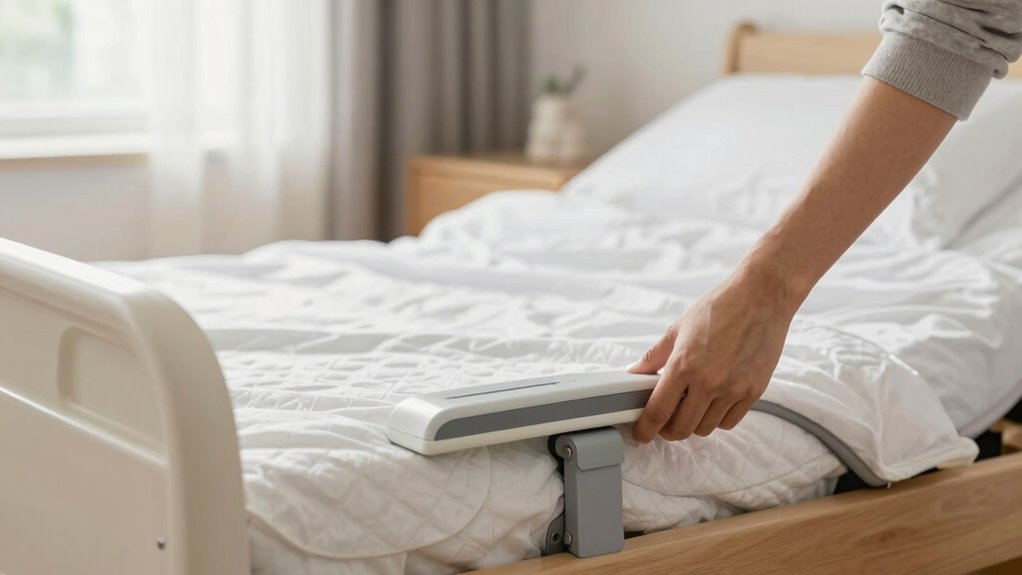
Many caregivers overlook how essential bed height is to both patient safety and their own well-being. Adjusting the bed properly isn’t just about comfort; it’s a key safety measure that can prevent falls and injuries. When beds are too high or too low, the risk of accidents increases, especially for patients with limited mobility or balance issues. You need to guarantee the bed height aligns with the patient’s size and needs, making transfers and repositioning safer and easier. Proper bed height also minimizes strain on your back and joints, reducing the risk of caregiver injuries. Maintaining good ergonomics is fundamental for your health, and adjusting the bed correctly plays a significant role in that.
Proper bed height enhances safety, reduces falls, and supports caregiver ergonomics for better patient care.
Another key aspect often overlooked is equipment compatibility. Not all beds or accessories are designed to operate at the same height, so you must verify that the bed’s height adjustments work seamlessly with your existing equipment—like lifts, bedside tables, or monitoring devices. If the bed height isn’t compatible with other equipment, it can create unsafe situations or hinder routine tasks. For example, a bed that’s too high may make it difficult to use certain lifts or transfer devices properly, while a bed that’s too low might make it hard to access essential supplies or perform care tasks effectively. Compatibility issues can also compromise patient safety if the equipment doesn’t function correctly due to incorrect bed positioning. Additionally, understanding bed height adjustability features can help caregivers optimize safety and efficiency during care routines. Being aware of ergonomic principles can further enhance your ability to set the bed at an optimal height for both safety and comfort. Regular training on bed height adjustment can improve your confidence in making these important modifications. Recognizing the importance of equipment compatibility can also prevent delays and reduce frustration during routine procedures.
You should regularly check and adjust the bed height based on specific patient needs and the equipment you’re using. This means understanding the features of the bed and ensuring it can be customized to match other tools or devices in your care environment. It’s also important to communicate with your team about desired bed heights, especially during patient transfers or procedures, to prevent mishaps. When you take these steps, you’re actively reducing risks associated with improper height, like falls or equipment malfunctions.
In essence, paying close attention to bed height isn’t a minor detail—it’s a fundamental part of providing safe, effective care. It enhances patient safety by reducing fall risks and improves your own safety by lowering injury potential. Ensuring equipment compatibility means that all tools work harmoniously, making your job easier and safer. When you prioritize proper bed height, you’re not only protecting your patient but also safeguarding your health and efficiency as a caregiver. Small adjustments can make a significant difference, so always stay attentive to how bed height impacts the overall safety and functionality of your caregiving environment.
Frequently Asked Questions
How Do I Determine the Ideal Bed Height for a Patient?
To determine the ideal bed height, you should position the bed so you can comfortably reach the patient without straining, ensuring their comfort and safety. The bed should be stable and level, preventing slips or falls. Adjust the height until you can support the patient’s limbs and assist with transfers easily, typically aligning the bed height with your waist or hip, depending on the caregiver’s height and the patient’s needs.
Can Adjusting Bed Height Prevent Caregiver Injuries?
Adjusting bed height is like tuning a musical instrument — it guarantees harmony between you and the patient. Yes, it can prevent caregiver injuries by improving bed height ergonomics, reducing strain on your back and shoulders. When you use proper caregiver technique and set the bed at the right height, you minimize the risk of musculoskeletal injuries. Always tailor bed height to the task, making caregiving safer and more comfortable.
What Are the Risks of Incorrect Bed Height Settings?
Incorrect bed height settings can lead to poor bed height ergonomics, increasing your risk of musculoskeletal injuries and fatigue. If the bed’s too high or low, it compromises patient comfort and makes caregiving tasks harder, which can cause strain and accidents. Maintaining ideal bed height guarantees you work comfortably, reduces injury risks, and enhances patient comfort, creating a safer, more efficient caregiving environment.
How Often Should Bed Height Be Reassessed for Safety?
You should reassess bed height ergonomics and patient comfort at least weekly or whenever there’s a change in patient condition. Regularly checking guarantees the bed is at the ideal height, reducing strain on caregivers and enhancing safety. If the patient’s mobility or weight changes, or after any adjustments, it’s essential to recheck the bed height to maintain proper ergonomics and support comfort, preventing potential injury or discomfort.
Are There Specific Bed Height Standards for Different Patient Conditions?
Yes, specific bed height standards vary based on patient conditions. You should adjust bed height considering ergonomics and patient comfort, especially for those with mobility issues or post-surgical needs. For bariatric patients, lower heights may enhance safety, while taller settings help caregivers prevent strain. Always assess individual needs, ensuring the bed height improves ergonomics and maximizes patient comfort, reducing fall risks and promoting smoother care.
Conclusion
Think of your bed as the foundation of safety and comfort, a sturdy boat that carries your loved ones through calm and stormy waters alike. When you adjust the height just right, you’re not just changing a number—you’re setting the stage for easier, safer moments that protect them from harm. Remember, a well-placed bed is like a lighthouse guiding them safely home, showing that every detail truly makes a difference in their well-being.