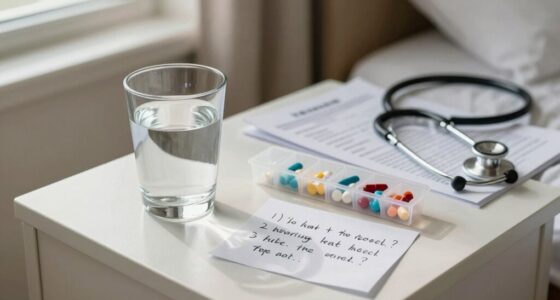
As a caregiver, it’s essential to be alert for duplicate medications, which can cause serious side effects or overdose. Always review all prescriptions, over-the-counter drugs, and supplements to catch duplicates early. Keep an organized medication list and communicate openly with healthcare providers. Monitor for side effects like dizziness or nausea, and stop duplicates under medical guidance. Staying informed about medication safety helps protect your loved one; learning more can further empower your caregiving efforts.

Get comfort and care essentials delivered free — and shop member deals
- Fast, free delivery on millions of items
- Access to Prime Big Deal Days deals on October 6–7
- Prime Video, Amazon Music and more included
Key Takeaways
- Regularly review all medications to prevent accidental duplication and ensure accurate medication lists.
- Monitor for side effects like nausea, dizziness, or irregular heartbeat, and seek medical advice if they occur.
- Communicate promptly with healthcare providers about any medication errors or concerns.
- Educate yourself on each medication’s purpose, side effects, and proper usage.
- Use organized medication management tools to enhance safety and prevent future duplications.
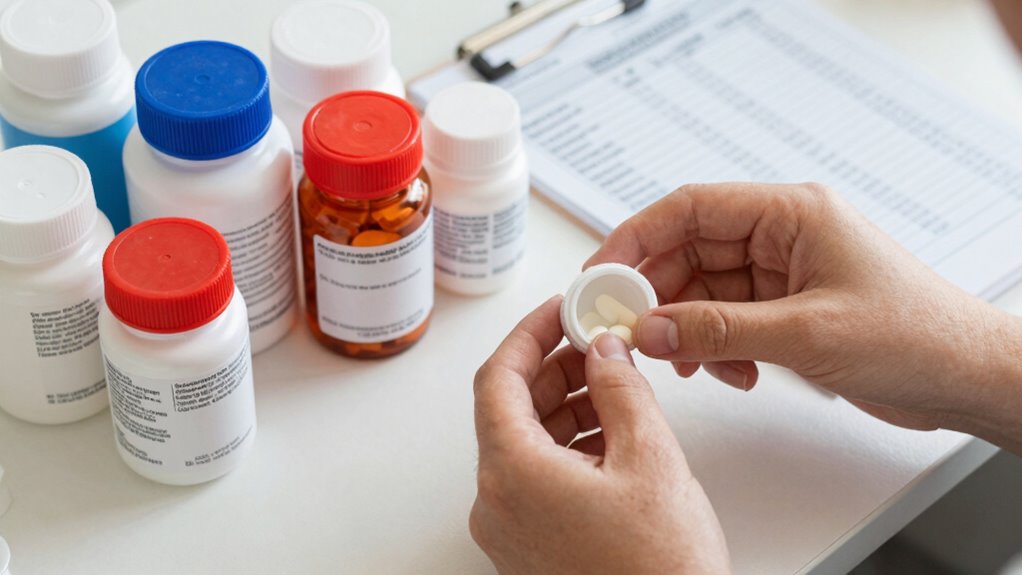
Have you ever wondered what to do when a caregiver accidentally gives a loved one duplicate medications? It can be unsettling to realize that your loved one might have taken the same medication twice, whether due to miscommunication or oversight. The first step is to stay calm and assess the situation. It’s important to understand that accidental duplication can sometimes lead to increased side effects or complications, so acting swiftly and thoughtfully is essential.
When duplicate medications are identified, medication reconciliation becomes a critical tool in managing the situation. This process involves reviewing all of your loved one’s medications—prescriptions, over-the-counter drugs, and supplements—to get a clear picture of what’s being taken. By cross-checking medication lists, you can determine if the duplication is ongoing or a one-time mistake. Medication reconciliation helps prevent future errors, ensuring that everyone involved in caregiving has accurate, up-to-date information. It also aids healthcare providers in adjusting medication plans if needed, reducing the risk of adverse effects from duplication.
Once you’ve identified the duplicate, it’s vital to monitor your loved one for any side effects. Common symptoms of taking too much of a medication include nausea, dizziness, confusion, or changes in heart rate. If you notice any of these, contact their healthcare provider immediately. Managing side effects involves not just stopping the duplicate medication if it’s still being taken, but also supporting your loved one through any discomfort or symptoms that arise. Sometimes, additional treatments or interventions are necessary, especially if the overdose has led to more serious complications. Understanding medication safety is crucial in preventing future incidents. Additionally, educating yourself about medication interactions can help you recognize warning signs early and prevent similar issues. Regularly reviewing medication instructions and side effect profiles can also enhance safety. Staying informed about medication management strategies can further empower you to handle such situations effectively.
It’s equally important to communicate with healthcare professionals about what happened. They can provide guidance on how to proceed, whether that means adjusting the medication regimen or providing specific instructions for side effect management. Going forward, establishing clear communication channels helps prevent future duplication. Keep an updated, organized list of all medications your loved one takes, and review it regularly with healthcare providers. Educate yourself about each medication’s purpose and possible side effects, so you can spot issues early. Additionally, being aware of off-road vehicle safety can help in other areas of caregiving, especially if your loved one enjoys outdoor activities or physical therapy that involves mobility devices. Proper education and awareness about piercings and their care can also prevent complications if your loved one has body jewelry, ensuring safety and hygiene are maintained.
As an affiliate, we earn on qualifying purchases.
Frequently Asked Questions
How Can I Identify Duplicate Medications in Prescriptions?
You can identify duplicate medications by carefully doing a medication reconciliation and prescription review. Check each medication’s name, dosage, and frequency, and compare them to see if any are similar or identical. Look for different brand names or generic equivalents that serve the same purpose. If you spot duplicates, consult the healthcare provider to clarify and avoid potential medication errors or adverse effects. Regular reviews help keep medication management safe.
Are Over-The-Counter Drugs Often Duplicated With Prescription Meds?
You might not realize it, but over-the-counter drugs often duplicate prescription medications, risking medication interactions and dosage confusion. This hidden overlap can lead to unintended side effects or reduced effectiveness. As a caregiver, stay vigilant—always check labels and consult healthcare providers before adding any OTC drug. Being proactive prevents dangerous duplicates, ensuring safer medication management and peace of mind for everyone involved.
What Are the Legal Implications of Managing Duplicate Medications?
Managing duplicate medications can impact your legal liabilities if errors lead to adverse effects or medication misuse. You’re responsible for maintaining medication compliance, ensuring the right drugs are taken correctly, and avoiding dangerous duplications. Failing to monitor or document these issues might result in legal consequences. Always double-check prescriptions, consult healthcare providers, and keep detailed records to protect yourself legally and promote safe medication management for your loved ones.
How Do I Communicate Medication Concerns With Healthcare Providers?
Did you know that communication errors contribute to 70% of medication mistakes? To guarantee medication safety, openly discuss concerns with healthcare providers, asking clarifying questions and confirming instructions. Be patient advocate by documenting any issues, side effects, or questions about duplicate medications. Use clear, respectful language, and stay engaged in the conversation. This proactive approach helps prevent errors and ensures your loved one receives safe, effective care.
Can Duplicate Medications Cause Long-Term Health Effects?
Duplicate medications can cause long-term health risks because they may lead to harmful medication interactions, such as increased side effects or toxicity. Taking the same or similar drugs unnecessarily burdens your body’s organs, like the liver and kidneys, over time. To protect long-term health, you should regularly review medications with healthcare providers, verify proper dosages, and avoid combining duplicates unless instructed. Staying informed helps prevent potential complications.
pill organizer with daily compartments
As an affiliate, we earn on qualifying purchases.
As an affiliate, we earn on qualifying purchases.
Conclusion
Being aware of duplicate medications helps you prevent accidental overdoses and guarantees your loved one’s safety. It might seem like a hassle to double-check every pill, but the peace of mind it offers is worth it. Remember, asking your healthcare provider or pharmacist for clarification can save you from potential mistakes. Staying vigilant today keeps your loved one healthier and happier tomorrow—so take that extra moment to review their medications. Your care makes all the difference.
As an affiliate, we earn on qualifying purchases.
As an affiliate, we earn on qualifying purchases.
Cold & flu season Picks
humidifiers
As an affiliate, we earn on qualifying purchases.