
TL;DR

Turn quiet afternoons into listening time
- Thousands of audiobooks, podcasts and originals
- Listen on your phone, tablet or Echo — also offline
- Cancel anytime
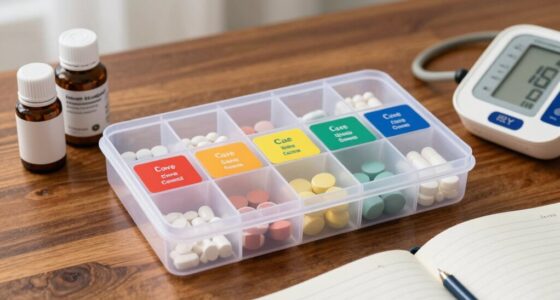
Automatic pill dispensers help seniors take medications correctly. Recent advances like smart connectivity and user-friendly design make them more effective and easier to use. Choosing the right device boosts safety and independence.
Imagine a device that not only keeps your loved one’s pills organized but also gently reminds them when it’s time to take each dose. That’s what an automatic pill dispenser does. With seniors managing multiple medications daily, these devices turn chaos into clarity. They’re not just gadgets—they’re lifelines for health and independence.
If you’re caring for an aging parent or grandparent, understanding how these devices work, their latest features, and how to pick the right one can transform daily routines. Let’s explore how technology is making medication management simpler, safer, and more reliable for seniors.
Choose a device that matches the senior’s tech comfort level and physical abilities.
Smart features like connectivity and AI can greatly enhance safety but come at a higher cost.
Safety features such as locking compartments and tamper-proof designs are essential.
Set up caregiver alerts and remote monitoring if you need oversight without intrusion.
Always check insurance options to help offset the cost of advanced models.
What Makes an Automatic Pill Dispenser Easy and Safe for Seniors?
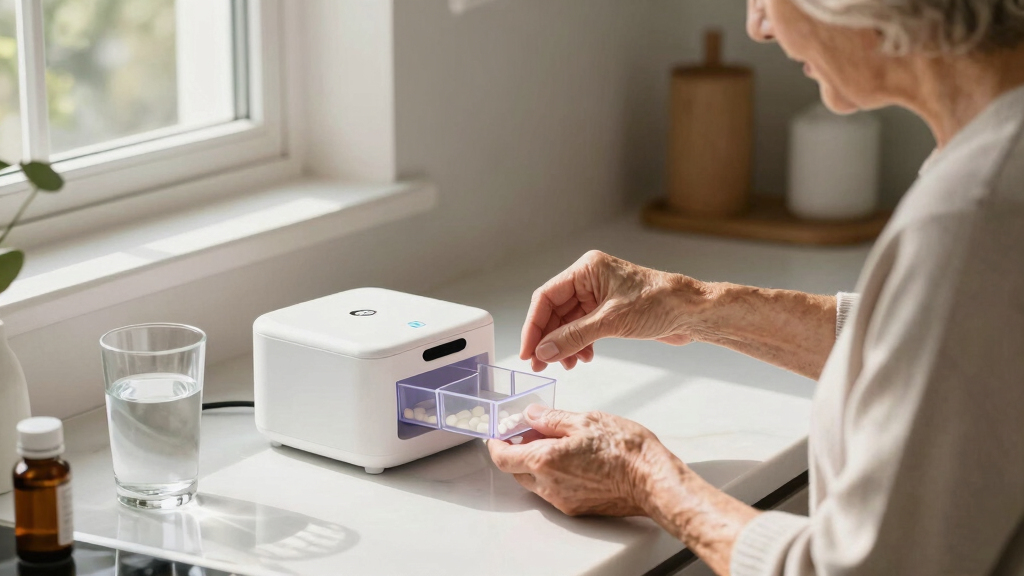
An automatic pill dispenser is designed with simplicity in mind. Large buttons, clear displays, and audible alerts make it accessible. For example, a dispenser with a bright screen and a loud alarm helps a visually impaired senior know it’s time to take pills.
Many models feature locking compartments to prevent accidental overdose or double dosing. Imagine a device that only releases pills at scheduled times, ensuring your loved one gets the right dose, every time, without confusion or risk.
Ease of setup is key. Look for models that come with simple instructions, or even one-touch programming. If your senior struggles with tech, some devices allow caregiver setup and remote monitoring.
Understanding these features is crucial because they directly impact safety and usability. Devices that are too complicated can lead to missed doses or accidental errors, while overly simplistic models might lack necessary safeguards. Finding the right balance enhances compliance and peace of mind for caregivers and seniors alike.
automatic pill dispenser for seniors
As an affiliate, we earn on qualifying purchases.
As an affiliate, we earn on qualifying purchases.
How Do Recent Tech Advances Make These Devices Smarter and More Reliable?
Today’s automatic pill dispensers are more than just storage boxes. Many now feature smart technology that learns habits and adapts reminders. For example, some use AI to detect when a dose is missed and send alerts to caregivers, allowing timely intervention that can prevent health complications.
Connectivity is a game-changer. Devices with Bluetooth or Wi-Fi sync with smartphones or caregiver apps, allowing remote oversight. This means caregivers can monitor adherence without being physically present, which is especially valuable for those caring from afar or managing multiple seniors. This real-time oversight can prevent risky situations and ensure timely medication intake, ultimately safeguarding health and reducing emergency incidents.
Design improvements include voice commands and more portable models. Think of a discreet, pocket-sized dispenser that still offers all the safety features, perfect for travel or outings. These innovations make medication routines more adaptable to various lifestyles, increasing compliance and independence while reducing caregiver burden.
However, integrating smart features involves tradeoffs such as higher costs and potential privacy concerns. Caregivers must weigh the benefits of real-time monitoring and AI-driven alerts against these factors, considering the senior’s comfort with technology and the importance of data security.
smart medication dispenser with reminder
As an affiliate, we earn on qualifying purchases.
As an affiliate, we earn on qualifying purchases.
Compare Top Features in Automatic Pill Dispensers — What Matters Most?
| Feature | Basic Model | Mid-Range Smart Dispenser | High-End Connected Device |
|---|---|---|---|
| Price Range | $30–$50 | $80–$150 | $200+ |
| Alerts | Sound only | Sound + visual | Sound + visual + smartphone notifications |
| Connectivity | None | Bluetooth | Wi-Fi + app integration |
| Locking | Yes | Yes | Yes, with remote locking |
| Capacity | 7-14 doses | 14-28 doses | Varies, customizable |
Choosing the right model depends on the senior’s medication routine, safety needs, and budget. A basic model offers essential functions for simple schedules, but smart devices provide added layers of safety and oversight, which are especially valuable for complex regimens or when caregiver involvement is high. Understanding these tradeoffs helps ensure the chosen device effectively supports medication adherence and safety.
As an affiliate, we earn on qualifying purchases.
Practical Tips for Picking the Perfect Dispenser for Your Loved One
- Assess their dexterity and vision. Choose models with large buttons, easy-to-read displays, or voice control to accommodate physical limitations and sensory impairments, ensuring they can operate the device comfortably and reliably.
- Match the device’s capacity to their medication schedule. If they take multiple pills at different times, select a dispenser with sufficient compartments to avoid overloading or confusion, which can compromise adherence.
- Look for safety features like locking doors and tamper-proof designs. These prevent accidental overdose or misuse, but should also be accessible in emergencies, balancing security with accessibility.
- Consider connectivity options. If remote monitoring or caregiver alerts are priorities, choose devices with Bluetooth or Wi-Fi capabilities. This enables oversight without intruding on daily routines.
- Check for ease of setup and ongoing support. User-friendly instructions and responsive customer service reduce frustration and help maintain consistent use, which is crucial for long-term adherence.
For example, a senior with arthritis might struggle with tiny buttons. A model with big, tactile buttons and clear audio cues could be a lifesaver, ensuring they can operate the device independently and safely.
As an affiliate, we earn on qualifying purchases.
What Are the Biggest Safety and Privacy Concerns?
Safety is the main goal of these devices, but some features can raise concerns. Devices with connectivity collect data—who sees it? How secure is it?
Choose reputable brands that comply with medical device standards and have clear privacy policies. For example, a well-known brand encrypts data and only shares info with authorized caregivers, reducing the risk of data breaches that could compromise personal health information or lead to unauthorized access.
Additionally, consider how the device’s lock and tamper-proof design balances safety with emergency access. Overly secure devices might hinder quick access during urgent situations, so selecting a model with a straightforward emergency override is important to ensure safety without sacrificing security.
Understanding the implications of connected devices helps prevent privacy violations and ensures that data handling aligns with legal and ethical standards, maintaining trust and compliance.
How Much Do These Devices Cost, and Are They Worth It?
Prices vary widely—basic models start around $30, while advanced smart dispensers can cost $200 or more. The investment depends on the senior’s needs and health complexity. While higher-priced models offer more safety features, connectivity, and customization, they also require careful consideration of whether those features genuinely add value for the user.
Think of it as an investment in safety and independence. For example, avoiding a medication error can save hospital visits, reduce stress, and improve health outcomes, ultimately making the higher initial cost worthwhile over time. It’s important to evaluate whether the added features will be used effectively and provide tangible benefits.
Some insurance plans or Medicare might cover certain devices if prescribed by a healthcare provider, making them more accessible. Consulting with healthcare professionals can help determine if coverage applies and guide the selection of an appropriate device based on medical necessity and budget constraints.
Frequently Asked Questions
How do automatic pill dispensers work exactly?
They store medications in labeled compartments, then alert the user when it’s time for each dose. Some automatically dispense the right amount, while others just remind the user to take pills from a specific compartment.
Are automatic pill dispensers safe for all seniors?
Most are safe if chosen correctly, but consider their dexterity, eyesight, and cognitive ability. For example, a senior with arthritis might prefer a model with larger buttons and simple setup.
Can I program these devices myself?
Many modern dispensers are designed for easy setup with step-by-step instructions. Some models even allow caregivers to program remotely using a smartphone app.
What features should I prioritize?
Look for ease of use, safety features like locking compartments, alert types (sound, visual, notifications), and connectivity options if remote monitoring is desired.
Are these devices covered by insurance?
Coverage varies. Some insurance plans or Medicare may reimburse or help pay for certain models if a healthcare provider recommends them. Check with your insurer for specifics.
Conclusion
A good automatic pill dispenser isn’t just a gadget—it’s peace of mind wrapped in technology. It helps seniors stay independent, safe, and on schedule, turning medication management from a daily worry into a simple routine.
As technology advances, these devices become more intuitive and connected. Think about what features will truly help your loved one and remember: the right device can turn chaos into calm—one dose at a time.
Halloween Picks
halloween
As an affiliate, we earn on qualifying purchases.