

To scam-proof your senior loved one, look for signs of financial abuse like missing belongings or unexplained transactions. Set up safeguards such as joint accounts, fraud alerts, and regular account checks. Talk openly about finances, encouraging your loved one to share concerns. Use technology like scam call blockers and monitoring apps. Collaborate with professionals and report any suspicious activity promptly. Keep informed about common scams to stay one step ahead—there’s more you can do to protect them effectively.
Key Takeaways
- Educate seniors about common scams, warning signs, and safe communication practices to prevent fraud and abuse.
- Establish strong financial safeguards like joint accounts, regular monitoring, and trusted contacts for early detection.
- Encourage open, supportive conversations about finances and health to build trust and facilitate early intervention.
- Utilize technology such as fraud alerts, secure banking apps, and scam call-blocking tools to monitor and protect accounts.
- Collaborate with professionals—lawyers, healthcare providers, and social services—to create a comprehensive safety plan.

CPR V5000 Call Blocker for Landline Phones – You Can Manually Block All Calls with the Big Red Button – Pre-Programmed with 5,000 Known Nuisance Numbers – Caller ID is Required
COMPATIBILITY: For traditional analog landline phones and services from providers such as AT&T, Verizon, Frontier Communications, CenturyLink, and…
As an affiliate, we earn on qualifying purchases.
As an affiliate, we earn on qualifying purchases.
Recognizing the Signs of Financial Exploitation
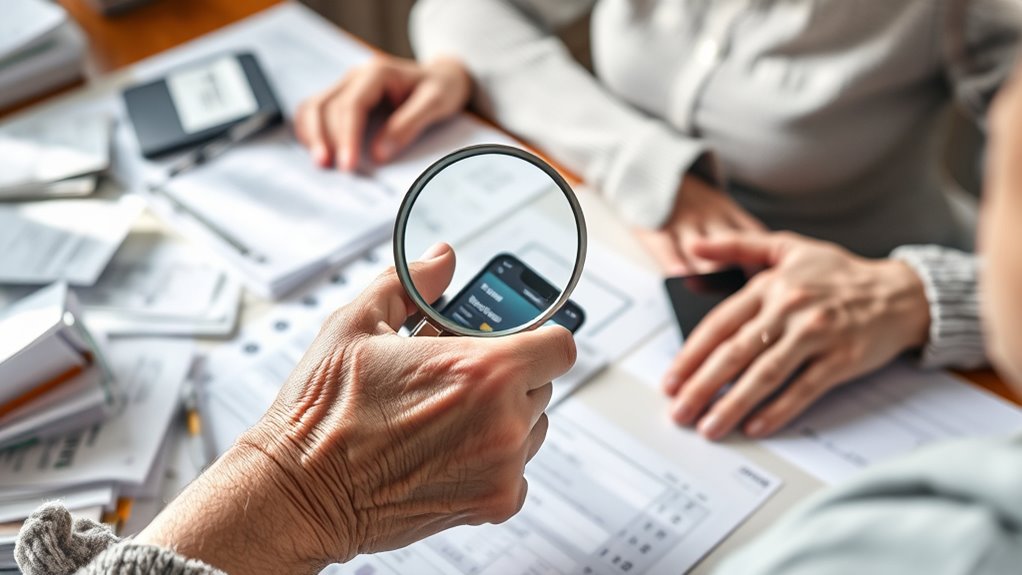
Recognizing the signs of financial exploitation is essential to protecting your loved ones or yourself from ongoing harm. Watch for sudden changes in financial habits, such as missing belongings or unpaid bills, and unexplained withdrawals or transactions. Be alert if your loved one becomes secretive about their finances or if someone is pressuring them into making unusual financial decisions. Notice if they seem confused when discussing money or if their financial documents are missing or altered. Unusual phone calls or messages requesting money or personal information are red flags, especially if they come from unfamiliar sources. Regularly reviewing bank statements and credit reports helps detect suspicious activity early. Understanding the Mental Wellbeing Index can also provide insight into their emotional health, which may be affected by financial stress or exploitation. Staying vigilant can prevent further loss and ensure timely intervention to safeguard assets and well-being. Additionally, familiarizing yourself with Financial Exploitation Warning Signs can empower you to act quickly when concerns arise. Being aware of the electric bike market and its features can also help identify potential scams related to purchasing or investing in such products. Educating yourself about Water Safety tips can also prevent accidental injuries or drownings that might be used to distract or manipulate vulnerable seniors. Furthermore, consulting with a financial advisor experienced in elder care can provide personalized strategies for safeguarding assets and recognizing early signs of abuse.
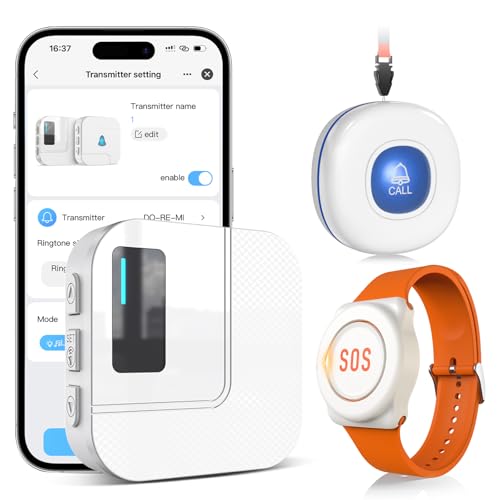
CallToU Wi-Fi Wireless Caregiver Pager Call Button for Elderly at Home , APP Emergency Alert for Seniors, Patients, and the Disabled with 1 Call Button, 1 Watch Button, 1 Receiver (2.4GHz Wi-Fi)
Wireless APP Caregiver Pager: The WIFI wireless caregiver pager use 433MHz technology for a 328ft /100m range, penetrating…
As an affiliate, we earn on qualifying purchases.
As an affiliate, we earn on qualifying purchases.
Understanding Who Is Most At Risk

Certain groups of seniors face a higher risk of financial exploitation, making it essential to understand who is most vulnerable. Women, especially those over 65, are targeted more frequently, often due to their higher likelihood of living alone or managing finances alone. Seniors with disabilities or cognitive issues are especially at risk, as their decision-making can be compromised. Nonwhite seniors face a markedly higher chance of abuse, partly due to social and economic disparities. Those requiring assistance with daily activities or living in care facilities are more vulnerable to exploitation by caregivers or staff. Wealthier seniors are less targeted, but those with fewer resources often have less support and fewer protective measures. Recognizing these risk factors helps you identify who needs extra vigilance and support. Additionally, understanding the lifecycle and performance metrics of reconditioned batteries can help ensure that seniors use safe and reliable energy sources, reducing the risk of accidents or failures. Being aware of fraud prevention techniques can further empower families to safeguard their loved ones against scams and elder abuse. Implementing security measures such as regular check-ins and monitoring can also significantly reduce vulnerability to exploitation. It’s also important to recognize that vulnerable populations may not always have access to adequate resources or education about common scams, which underscores the need for targeted outreach and support programs. Furthermore, educating seniors about common scams and warning signs can greatly enhance their ability to recognize and avoid fraudulent schemes.

Life Alert System No Monthly Fee, Caregiver Pager Call Button for Elderly at Home, Medical Alert Systems for Seniors with App, Panic Button Alarm System, 2.4GHz WiFi Receiver, Necklace, Bracelet
LIFE ALERT SYSTEM NO MONTHLY FEE – This Wi-Fi caregiver pager call button designed for elderly parents and…
As an affiliate, we earn on qualifying purchases.
As an affiliate, we earn on qualifying purchases.
Building Strong Financial Safeguards

Building strong financial safeguards is essential to protect seniors from exploitation and fraud. Start by setting up joint accounts with trusted family members or legal representatives who can monitor transactions and flag suspicious activity. Limit access to bank accounts and financial information, and avoid sharing passwords or PINs. Consider using fraud detection tools offered by banks, such as alerts for large or unusual transactions. Regularly review bank and credit card statements together to spot any irregularities. Establish power of attorney carefully, choosing someone trustworthy and understanding their responsibilities. Educate your loved one about common scams and warning signs of financial abuse. Incorporating innovative cloud security solutions can provide an additional layer of protection for digital financial assets. Utilizing security best practices is also vital to maintaining your senior’s financial safety and preventing unauthorized access. Implementing multi-factor authentication adds an extra security step to protect accounts from unauthorized access. Being aware of digital security threats can further enhance this protection by preparing your loved one to recognize and respond to emerging scams. Additionally, teaching your senior about phishing awareness can help them avoid falling victim to deceptive communications.

Password Book with Lock & Alphabetical Tabs, Password Keeper Book for Seniors, Genuine Leather Address Book, European Inspired Lockable Organizer Journal for Office Work Study & Gift Use
1️⃣ Privacy Protection with Lock – Keep Your Information Secure Protect your personal information with a built-in lock…
As an affiliate, we earn on qualifying purchases.
As an affiliate, we earn on qualifying purchases.
Communicating Openly About Finances

Have you talked openly with your senior loved ones about their finances? Starting honest conversations helps build trust and awareness. Encourage them to share their financial goals and concerns, and listen without judgment. Explain the importance of monitoring accounts and recognizing suspicious activity. Make it clear that they can come to you if anything feels off. Avoid making these talks feel intrusive; instead, frame them as support and partnership. Regular check-ins help keep the lines of communication open, making it easier for your loved one to ask for help or share worries. By fostering transparency, you empower them to spot scams early and make informed decisions. Incorporating cybersecurity best practices into your discussions can further help protect their digital assets. Being aware of common financial scams enables both of you to stay vigilant and respond appropriately. Open dialogue is a critical step in protecting their assets and maintaining their independence.
Leveraging Technology to Detect and Prevent Fraud

Technology offers powerful tools to help detect and prevent elder financial fraud before it causes significant harm. You can set up fraud alerts on bank accounts and credit reports to catch suspicious activity early. Automated monitoring systems can flag unusual transactions, such as large withdrawals or transfers, so you can review them promptly. Secure online banking apps allow seniors or trusted family members to monitor accounts in real-time, reducing the risk of unauthorized access. Identity theft protection services can notify you of potential misuse of personal information. Additionally, caller ID and scam call-blocking apps help filter out fraudulent calls. By leveraging these technologies, you empower yourself to identify red flags quickly, intervene sooner, and safeguard your loved one’s finances effectively. Proper device security measures, such as strong passwords and regular software updates, are also crucial for maintaining overall safety and preventing unauthorized access to digital accounts. Implementing cybersecurity best practices can further strengthen your defenses against digital threats. Being aware of vetted resources and services can help ensure you are using trustworthy tools to protect your loved ones.
Collaborating With Trusted Professionals and Institutions

Partnering with trusted financial institutions and healthcare professionals helps you spot and prevent elder financial abuse early. These experts can monitor unusual activity and provide essential guidance to protect your loved ones. Building strong relationships with them creates a crucial safety net against scams and exploitation. Additionally, understanding privacy risks associated with AI technology can help you make informed decisions when utilizing digital tools to safeguard seniors. Being aware of digital security best practices can further enhance their protection and reduce vulnerability to cyber scams. Familiarity with the limitations of AI can also help you avoid over-reliance on automated alerts that may overlook subtle signs of abuse. Developing trustworthy communication channels with professionals ensures timely intervention and ongoing oversight. Moreover, staying informed about elder abuse warning signs can empower you to act swiftly if issues arise.
Partner With Financial Institutions
Collaborating with financial institutions is a essential step in safeguarding seniors from financial exploitation. You can do this by encouraging your loved one to establish accounts with trusted banks or credit unions known for elder fraud prevention. Request account alerts for large or unusual transactions, and consider setting up automatic monitoring for suspicious activity. Many financial institutions offer tools like trusted contact programs, where they notify a designated person if they detect suspicious activity. Regularly review account statements together, and educate your loved one about common scams. Building a strong partnership with bankers and financial advisors helps catch potential issues early, making it harder for fraudsters to take advantage of seniors’ trust and assets. This proactive approach adds a critical layer of protection.
Engage Healthcare Professionals
Engaging healthcare professionals adds an essential layer of protection against financial exploitation. These trusted experts can identify early signs of abuse, such as sudden financial disinterest, missed appointments, or behavioral changes. Make sure your loved one’s doctors, nurses, and social workers are aware of your concerns and encourage open communication. Regular check-ins with healthcare providers can uncover underlying health issues that may increase vulnerability, like cognitive decline or emotional distress. Collaborate with professionals to develop care plans that include safeguards against financial exploitation, such as appointing a healthcare proxy or power of attorney. Healthcare providers often work with legal and social services, creating a support network that helps protect your loved one’s assets and well-being. Active engagement with professionals strengthens your efforts and promotes ongoing oversight.
Reporting Suspected Abuse and Taking Action

Recognizing and reporting suspected elder abuse promptly is essential to protecting vulnerable seniors from ongoing harm. If you notice signs like sudden financial changes, unpaid bills, or suspicious transactions, don’t hesitate to act. Contact local adult protective services, law enforcement, or the elder abuse hotline immediately. Keep detailed records of any suspicious activity, including dates, amounts, and descriptions. Encourage your loved one to speak up and reassure them they won’t face blame or embarrassment. If you suspect fraud, report it to their bank or financial institution, which can flag accounts for suspicious activity. Taking swift action can stop further exploitation, help authorities investigate, and ensure your loved one receives the support they need. Your quick response is critical to their safety and well-being.
Educating Seniors and Their Caregivers About Common Scams

To protect your loved ones from financial scams, it is crucial to recognize common schemes like fake calls, phishing emails, and bogus investment opportunities. Sharing simple prevention tips, such as never giving out personal information over the phone or verifying sources independently, can make a big difference. Educating seniors and caregivers about these tactics helps them stay alert and avoid falling victim.
Recognizing Common Scams
Have you ever wondered how scammers target seniors? They use a variety of tactics designed to exploit trust and fear. Common scams include fake lotteries, impersonation calls from “official” agencies, and phishing emails that look legitimate. Scammers often pose as bank representatives, government officials, or tech support, urging seniors to share personal information or make payments. Romance scams are also prevalent, where perpetrators build fake relationships to gain access to money. You might notice warning signs like urgent requests for secrecy, high-pressure tactics, or offers that seem too good to be true. Recognizing these tactics early can help you and your loved one avoid falling victim. Staying vigilant and questioning suspicious communications are key steps in identifying common scams before they do damage.
Sharing Prevention Tips
Educating seniors and their caregivers about common scams is essential to prevent financial exploitation. By understanding how scammers operate, you can recognize warning signs early. Share examples of typical schemes, like fake calls from “official” agencies, phishing emails, or fraudulent investment opportunities. Emphasize the importance of verifying identities before sharing personal information or money. Encourage open conversations about finances, so your loved one feels comfortable discussing suspicious activity. Teach them to be cautious with unsolicited offers or urgent requests for funds. Regularly review bank statements and account activity together. Remind seniors not to feel pressured into quick decisions. Staying informed and vigilant can considerably reduce their risk of falling victim to scams and help protect their hard-earned assets.
Frequently Asked Questions
How Can I Verify if a Financial Transaction Is Legitimate?
To verify if a financial transaction is legitimate, you should contact the bank or financial institution directly using a trusted phone number or secure online portal. Never rely on contact details provided in suspicious messages or calls. Review account activity carefully, look for unfamiliar transactions, and confirm with your loved one if they authorized the payment. Trust your instincts—if something feels off, investigate further before proceeding.
What Legal Steps Are Available if Elder Abuse Is Suspected?
If you suspect elder abuse, you can report it to Adult Protective Services or local law enforcement immediately. Filing a report prompts an investigation to safeguard your loved one. You may also seek legal action through guardianship or conservatorship to gain control over their finances. Consulting an elder law attorney helps you understand your options and ensures proper legal steps are taken to prevent further harm.
Are There Specific Signs of Financial Exploitation in Care Facilities?
You might notice unusual bank withdrawals, missing valuables, or sudden changes in your loved one’s financial habits. Watch for caregivers who pressure seniors into financial decisions or refuse to let family members access accounts. Unexplained bills, forged signatures, or new, unfamiliar contacts are warning signs. Stay alert—these subtle clues could signal financial exploitation lurking in care facilities, and catching them early can protect your loved one from further harm.
How Often Should I Review My Loved One’s Financial Accounts?
You should review your loved one’s financial accounts at least monthly to catch any suspicious activity early. Regular checks help you spot unauthorized transactions, forged checks, or unusual spending patterns. Stay involved by monitoring bank statements, online accounts, and receipts. If you notice anything odd, address it immediately. Consistent oversight shows you’re vigilant, which can deter potential fraudsters and protect your loved one’s assets from exploitation.
What Community Resources Offer Support and Protection for At-Risk Seniors?
You can turn to local adult protective services, which investigate reports of abuse and provide resources for safeguarding seniors. Senior centers and community organizations often offer education on elder rights and scams. Additionally, many banks and financial institutions have specialized programs to monitor suspicious activity. Consider connecting with legal aid services for guardianship and power of attorney guidance, ensuring your loved one’s finances stay protected and well-managed.
Conclusion
By staying vigilant and proactive, you can help protect your loved one from financial scams and elder abuse. Remember, nearly 60% of seniors have been targeted by fraud, highlighting the importance of open communication and safeguards. Educate yourself and your loved one about common scams, use technology wisely, and collaborate with professionals. Your efforts can make a real difference in keeping them safe and secure, giving both of you peace of mind.