
Medicare Home Health covers skilled nursing, therapy, and certain medical services delivered at your home. However, it doesn’t include routine house cleaning, companionship, or non-medical personal care. Equipment like hospital beds or wheelchairs is usually not covered unless linked to therapy or nursing needs. To make sure you’re aware of what’s included and what’s not, it’s helpful to understand these coverage limits—exploring more details can give you clearer guidance.
Key Takeaways
- Medicare Home Health covers skilled nursing, therapy, and certain medical services, but not routine house cleaning or non-medical personal care.
- Telehealth and virtual visits are included to facilitate remote consultations and ongoing monitoring.
- Equipment like hospital beds or wheelchairs are generally not covered unless necessary for therapy or nursing.
- Services solely for comfort, convenience, or custodial care are not covered by Medicare Home Health.
- Clarify coverage details with healthcare providers and Medicare to avoid out-of-pocket expenses and understand limitations.

Medicare Home Health provides vital medical services to seniors and eligible individuals in the comfort of their own homes. If you qualify, you can receive a range of healthcare services without needing to visit a hospital or clinic. One of the key benefits is access to telehealth options, which allow you to consult with your healthcare provider remotely. This means you can have virtual visits for routine check-ins, follow-up appointments, or management of chronic conditions, all from your living room. Telehealth not only increases convenience but also reduces the need for travel, making healthcare more accessible, especially for those with mobility issues.
Support for caregivers is another important aspect of Medicare Home Health. If you’re caring for a loved one, Medicare can provide resources and assistance to ease your responsibilities. This might include training on how to manage medications, wound care, or mobility training. Caregiver support services aim to equip you with the knowledge and tools needed to provide effective care, reducing stress and improving outcomes for your loved one. In some cases, Medicare may also help connect you with respite care, offering temporary relief when you need a break.
However, it’s important to understand what Medicare Home Health services won’t cover. While a wide range of skilled nursing, therapy, and certain home health aide services are included, not everything is covered. For instance, routine house cleaning, personal care that doesn’t require medical training, and general companionship are outside the scope of Medicare’s coverage. Additionally, if your care needs are primarily for custodial or non-medical assistance, Medicare likely won’t pay for those services.
Medicare also doesn’t cover equipment like hospital beds or wheelchairs unless they’re considered part of a covered therapy or nursing service. Similarly, ongoing long-term care or services that are primarily for comfort or convenience are typically not covered. It’s imperative to work closely with your healthcare provider and Medicare to understand exactly what services are included and what you might need to pay out of pocket. Being informed ensures you can maximize your benefits and avoid surprises. Understanding coverage limitations can help you plan your healthcare needs more effectively.
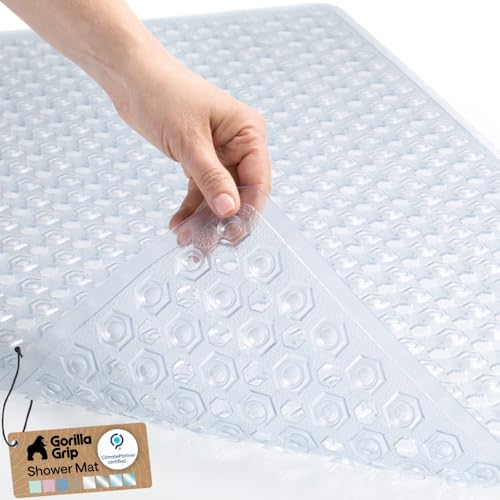
GORILLA GRIP Bath Tub Shower Mat, Bathtub Floor Liner, 35x16 Clear
- Patented Design with Suction Cups: Securely stays in place with powerful suction
- Easy Water Drainage: Drain holes prevent water pooling
- BPA-Free and Textured: Soft, pebble-textured surface for comfort
As an affiliate, we earn on qualifying purchases.
Frequently Asked Questions
How Do I Qualify for Medicare Home Health Services?
To qualify for Medicare home health services, you need to meet specific eligibility requirements, like being under a doctor’s care, needing skilled nursing or therapy, and being homebound. You’ll also need documentation such as a doctor’s order and proof of your condition. Make sure your doctor confirms your medical need, and keep records of your health status, so Medicare can process your coverage smoothly.
Are There Additional Costs Beyond Medicare Coverage?
Imagine needing a nurse visit, but discovering some extra costs because your specific services aren’t fully covered. Yes, there can be additional costs beyond Medicare coverage, especially if services exceed coverage limits or aren’t included. You might pay out-of-pocket for supplies or private-duty nursing. It’s important to review your plan’s details, understand potential extra costs, and discuss options with your provider to avoid surprises during your care.
Can Family Members Provide Home Health Care?
Yes, family caregivers can provide home health assistance, but Medicare typically doesn’t cover the services they offer unless they are licensed professionals. As a family caregiver, you can help with daily activities and basic care, but certain medical services require trained home health professionals. It’s important to understand Medicare rules and consider potential costs or limitations if family members are providing care instead of licensed providers.
How Often Can I Receive Home Health Visits?
You can receive home health visits as often as your doctor approves, following scheduling guidelines to meet your needs. Medicare typically covers visits up to a few times a week, but the exact frequency depends on your condition and care plan. Keep in mind, the more you need, the more your provider will try to accommodate, but it’s always best to stay in close contact with your healthcare team to keep things on the right track.
What Should I Do if My Claim Is Denied?
If your claim is denied, don’t give up. You should start the appeal process by reviewing the denial notice carefully. Gather all necessary documentation requirements, including medical records and provider notes, to support your case. Submit a formal appeal within the specified deadline, and consider seeking help from your healthcare provider or a Medicare representative to strengthen your appeal and increase your chances of approval.

TEESHLY Bath Tub and Shower Mats, Non Slip 40 x 16 Inch Extra Large Bathtub Mat, Machine Washable Bathmat with Drain Holes, Suction Cups for Bathroom Floor, Gray
- Large Non-Slip Bath Mat: 40 x 16 inches with 362 suction cups
- Massage-Style Pebbled Design: Irregular textured surface for friction
- Optimized Drainage Holes: 327 large holes for water flow
As an affiliate, we earn on qualifying purchases.
Conclusion
Think of Medicare’s home health coverage as a guiding lighthouse — illuminating the path to crucial care while safely steering clear of uncharted waters. While it offers essential support, it doesn’t cover every wave. By understanding what’s included and what’s not, you can navigate your health journey with confidence. Remember, this lighthouse helps you stay afloat, but you’re the captain steering your ship toward the best care possible.

Bath Mat,Ultra Thin Bathroom Rugs,Rubber Bath Mats for Bathroom,No Slip Bath Rugs,Quick Dry,Machine Washable,Low Pile,Absorbent,Shower Outside,Sink,Home Decor Accessories.Grey,1'5"x2'3"(17x27Inch)
- Ultra Thin Design: Fits under doors with 0.2-inch thickness
- Quick Dry & Absorbent: Made from terry cloth for fast drying
- Non-Slip Rubber Backing: Provides safety and traction on wet floors
As an affiliate, we earn on qualifying purchases.

YCTMALL Rubber Bath mats Quick-Drying Non-Slip Bathroom mat Super Absorbent Bath mat Instant Dry Bath mat, Bathroom Rug in Front of The Kitchen Sink, Shower Room, Bathtub, Oval(Grey+16.9x26.7in)
- Quick Water Absorption: Soft diatomaceous earth for fast drying
- Easy to Clean: Wipes or machine washable surface
- Non-Slip & Durable: Rubber backing for safety and longevity
As an affiliate, we earn on qualifying purchases.