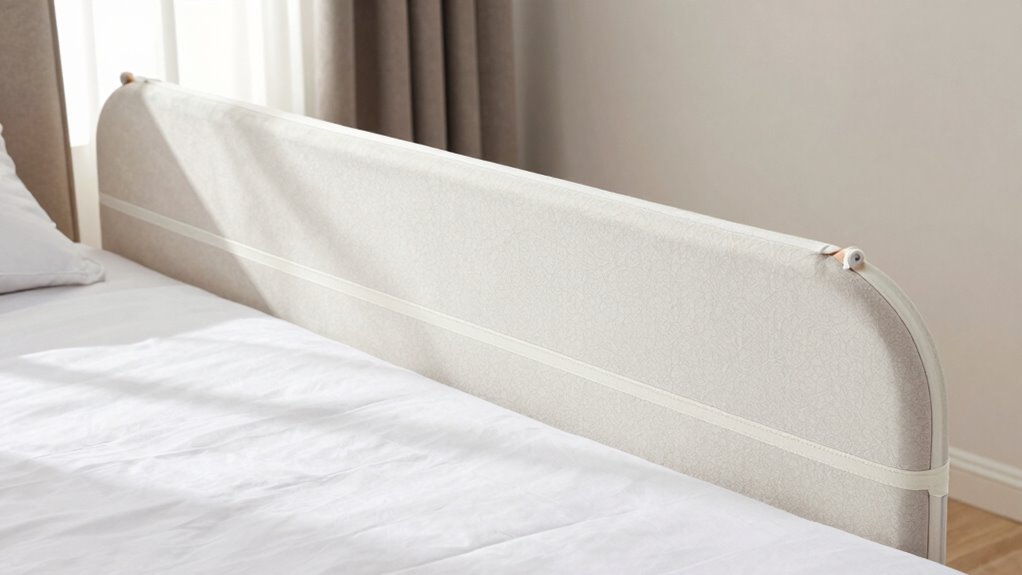

You need to evaluate bed rails and bed height together because their alignment directly affects safety and fall prevention. If the bed is too high, it can make transfers unsafe, while a bed that’s too low may cause discomfort or difficulty moving. Properly positioned rails work best when the bed height is adjusted correctly for the patient’s needs. By balancing both, you create a safer environment. Keep exploring to learn how to optimize these adjustments effectively.
Key Takeaways
- Proper evaluation ensures bed height and rails work together to prevent falls and support safe transfers.
- Correct alignment of bed rails with the bed height minimizes entrapment and mobility hazards.
- Adjusting both factors to individual needs enhances patient comfort and safety during daily activities.
- Regular review prevents hazards caused by misaligned bed height and improperly positioned rails.
- Optimizing bed setup creates a secure environment, reducing injury risks for patients and caregivers.

Have you ever wondered how the height of your bed and the type of bed rails can impact safety and comfort? These two factors are closely linked, and evaluating them together is essential for ensuring both safety standards and patient comfort are met. When you choose the right bed height, you reduce the risk of falls and injuries, especially for those who are elderly or have mobility issues. If the bed is too high, it becomes difficult for the patient to get in and out safely, increasing the chance of accidental falls. Conversely, if it’s too low, it might cause discomfort or make transfers more challenging, which can lead to strain or injury for both the patient and caregiver.
Bed rails are designed to prevent falls and provide support, but their effectiveness depends heavily on the bed height. If the rails are too high relative to the bed, they may become difficult to maneuver or may not provide adequate support at the right points. Conversely, if the rails are too low or poorly positioned, they might not serve their protective purpose effectively. Evaluating these aspects together allows you to strike a balance—ensuring the rails are positioned correctly to support safe transfers and prevent falls, without causing discomfort or restricting movement. Proper assessment helps meet safety standards and enhances patient comfort, making the environment safer and more supportive.
Properly positioned bed rails and appropriate bed height ensure safety, comfort, and support during transfers and daily activities.
When you consider bed height and rails in tandem, you also account for individual patient needs. For example, shorter patients or those with limited mobility may require a lower bed height for safe transfers, while taller patients might need a higher setting for comfort. Similarly, the type and placement of bed rails should complement these height adjustments. If the rails are adjustable or modular, you can tailor them to fit the patient’s specific needs, ensuring safety and comfort are optimized simultaneously. This thorough evaluation helps avoid potential hazards, such as entrapment or difficulty in mobility, which can compromise safety standards.
In the end, neglecting to evaluate bed height and rails together might lead to overlooked risks or unnecessary discomfort. It’s vital to regularly review these factors, especially when a patient’s condition changes, to maintain an environment that prioritizes safety and comfort. By doing so, you create a safer space where patients feel secure and supported, and caregivers can provide effective, confident assistance. Combining careful assessment of bed height with proper bed rail selection isn’t just about compliance; it’s about fostering an environment that promotes well-being and minimizes risk at every turn.

KingPavonini Bed Rails for Elderly Adults Safety, 380 LBS, Model BM03-1
- Heavy-Duty Support: Supports up to 380 lbs, ASTM approved
- Adjustable Fit: Height from 17.6 to 20.9 inches, extends from 28.6 to 34.7 inches
- Universal Compatibility: Fits Twin to King beds (not adjustable beds)
As an affiliate, we earn on qualifying purchases.
As an affiliate, we earn on qualifying purchases.
Frequently Asked Questions
How Often Should Bed Rails and Height Be Reassessed for Safety?
You should reevaluate bed rail installation and bed height adjustment whenever there’s a change in the person’s condition, mobility, or if you notice any safety concerns. Regularly check these aspects at least monthly, and after any fall or injury. Frequent evaluations ensure the bed rails are secure and the bed height is appropriate, reducing fall risks. Staying attentive helps keep the environment safe and comfortable for the user.
Are There Specific Age Groups That Need Different Bed Height Considerations?
Certain age groups demand different bed height considerations because their developmental needs and safety risks vary. For young children, lower beds reduce fall hazards, while teenagers might need higher beds for comfort. As you evaluate safety, remember that age-specific considerations guarantee proper support, prevent injuries, and accommodate growth. Don’t overlook these essential differences—they can mean the difference between safety and a potentially serious accident. Your awareness makes all the difference.
How Do Bed Rails Impact Mobility and Independence?
Bed rails can enhance your safety but may also impact mobility and independence. Good bed rail design allows you to use them without feeling restricted, while proper bed height customization guarantees you can get in and out easily. When evaluated together, these factors help you maintain independence, reduce fall risks, and support safe movement. Balancing safety features with mobility needs is key to creating a comfortable, accessible sleep environment.
What Are the Legal Safety Standards for Bed Rails and Height?
Did you know that falls from beds are a leading cause of injury among seniors? Legal safety standards for bed rails and height emphasize compliance with regulations like the FDA’s guidelines and OSHA standards. You must guarantee your bed rails meet safety regulations to prevent entrapment and falls, while also considering appropriate bed height for easy access. Staying compliant helps protect residents and keeps your facility legally secure.
Can Adjustable Bed Heights Improve Overall Safety and Comfort?
Adjustable beds can considerably improve safety benefits and comfort for you. By allowing you to customize the bed height, you reduce the risk of falls and make getting in and out easier. This flexibility helps accommodate your specific needs, especially if you have mobility challenges. Overall, adjustable bed heights promote a safer, more comfortable sleep environment, giving you better control over your comfort and safety.

RESTISLAND Hospital Bed with 3 Electric Functions, Ultra Low Electric Medical Bed with 6" Foam Mattress, Adjustable Height 7.2”-27.7”, Easy Installation, 530 lbs Capacity
- Electric Adjustment Range: 7.2” to 27.7” height adjustment
- Backrest and Footrest Tilt: Back up to 70°, foot up to 40°
- In-Bed Chair Position: Adjustable for comfort and support
As an affiliate, we earn on qualifying purchases.
As an affiliate, we earn on qualifying purchases.
Conclusion
By evaluating bed rails and height together, you’re anchoring safety in a sturdy harbor, guiding your loved ones safely through their night. Think of the bed as a sailboat—without the right mast (rails) and proper height, it’s vulnerable to rough waters. When you synchronize these elements, you create a secure vessel, shielding them from unseen storms. Together, you guarantee their journey remains calm, protected, and grounded in care.
KingPavonini Bed Rails for Elderly Adults Safety, 380 LBS, Model BM03-1
- Heavy-Duty Support: Supports up to 380 lbs, ASTM approved
- Adjustable Fit: Height from 17.6 to 20.9 inches, extends from 28.6 to 34.7 inches
- Universal Compatibility: Fits Twin to King beds (not adjustable beds)
As an affiliate, we earn on qualifying purchases.
As an affiliate, we earn on qualifying purchases.

GrowthFun Foldable Bed Rail for Toddlers, 71in Reinforced Carbon Steel Frame&Connectors, Breathable Cationic Fabric – Safety Toddler Bed Rails for Queen, King, Twin, Full, No-Tool Setup.
- Enhanced Stability and Support: Double-reinforced carbon steel frame and connectors
- Wide U-Shaped Base: 4 inches wider for superior weight support
- Adjustable Height for Fit: Fits mattresses 4 to 12 inches thick
As an affiliate, we earn on qualifying purchases.
As an affiliate, we earn on qualifying purchases.