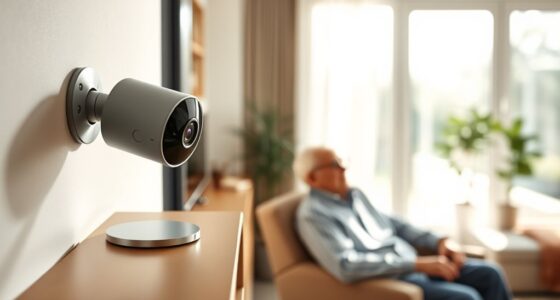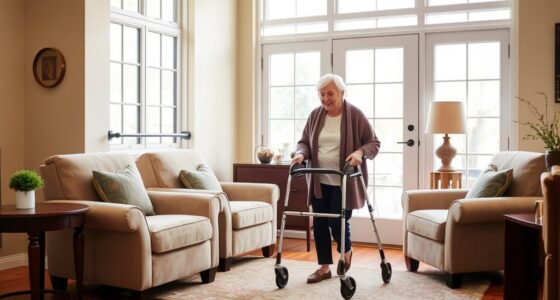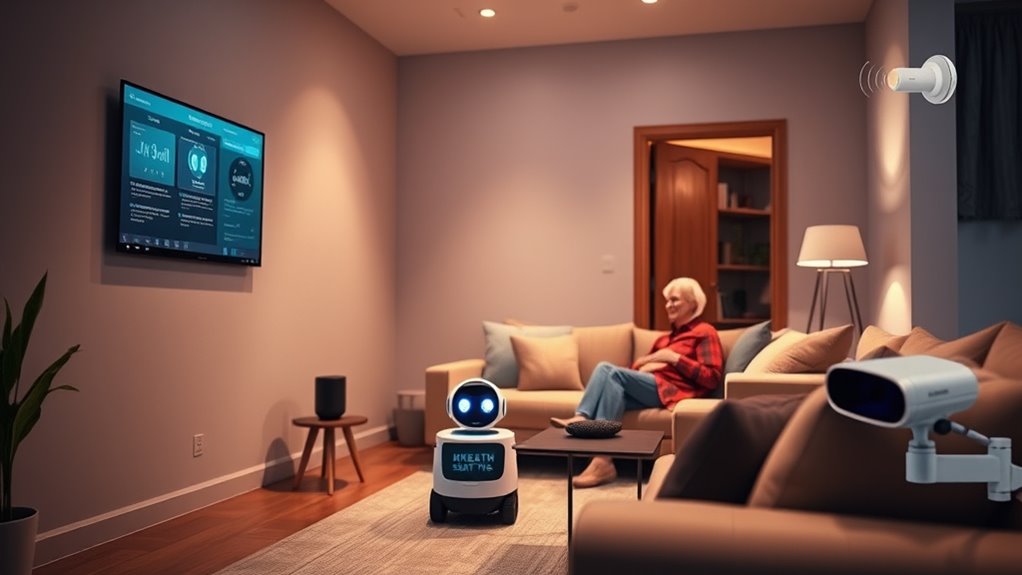

Smart home devices make caregiving safer and easier by offering fall detection sensors that alert you instantly after a fall, motion and inactivity sensors that monitor daily activity, and remote health monitors that keep track of essential signs. Voice assistants help manage routines, while AI analytics detect early health risks. Together, these technologies provide real-time safety and independence, allowing you to better care for your loved ones. Exploring these options reveals even more ways to enhance care.
Key Takeaways
- Fall detection devices and motion sensors provide immediate alerts and continuous monitoring to prevent injuries and ensure prompt assistance.
- Remote health monitoring systems and AI analytics identify early signs of health deterioration, reducing hospital visits and emergency risks.
- Voice-activated assistants facilitate daily routines, medication reminders, and communication, enhancing independence and safety for care recipients.
- Robust data privacy and security measures protect sensitive health information while enabling seamless device integration through home automation.
- Incorporating biohacking techniques and advanced technology optimizes personalized health management, promoting safer, more efficient caregiving environments.
Fall Detection Devices for Immediate Assistance
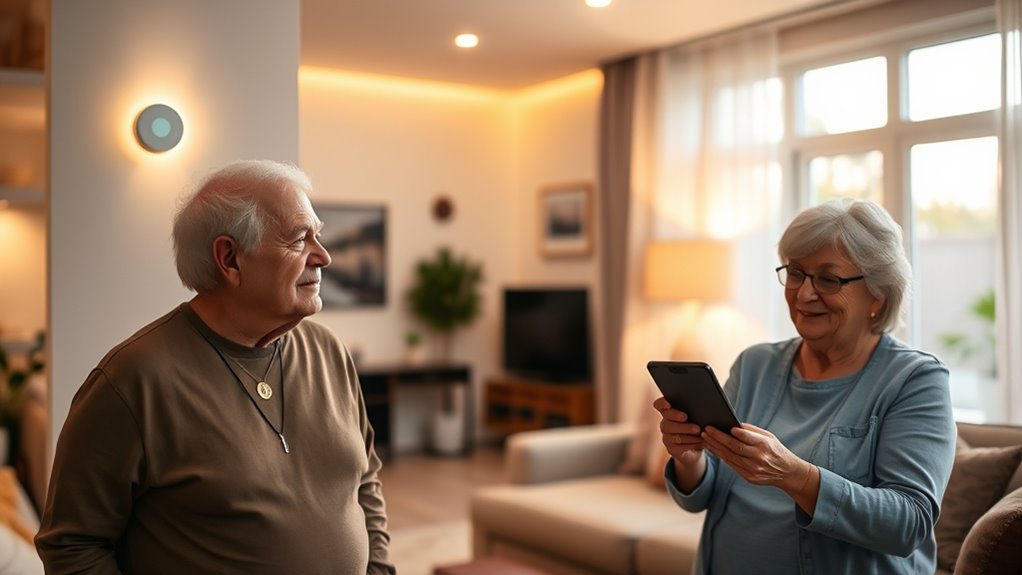
Fall detection devices play a crucial role in providing immediate assistance and preventing serious injuries among older adults. When a fall occurs, these devices automatically alert caregivers or emergency services, ensuring help arrives quickly. Many use sensors in smartwatches, pendants, or in-room systems that detect sudden movements or impacts. Once triggered, they send alerts with location details, reducing response time and minimizing injury severity. These devices operate silently in the background, giving you peace of mind knowing help is just a button press or an automatic alert away. They are especially valuable during nighttime or when you’re alone, offering reassurance and safety. By integrating fall detection technology into daily routines, you considerably reduce the risk of complications from falls and support independent living. Additionally, some devices incorporate essential oils or other soothing elements to help calm individuals after a fall or during stressful situations. Incorporating advanced sensor technology can further improve the accuracy of fall detection and reduce false alarms, enhancing overall safety. Employing reliable detection algorithms helps distinguish between actual falls and normal movements, increasing trust in these systems. Moreover, the integration of real-time monitoring allows caregivers to stay informed and respond promptly to emergencies, ensuring comprehensive safety coverage.
Motion and Inactivity Sensors for Real-Time Monitoring
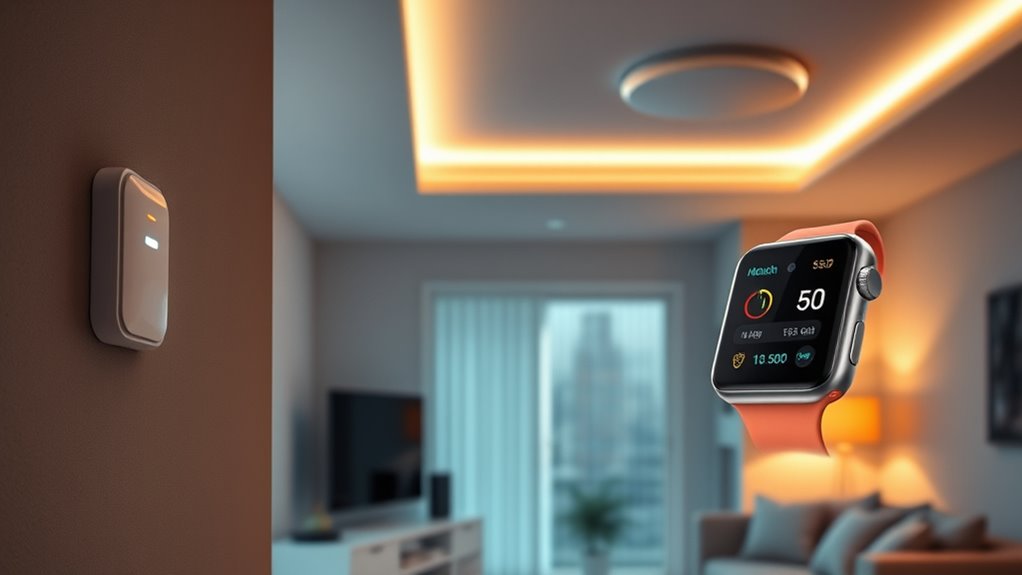
Motion and inactivity sensors continuously monitor activity levels within a smart home, providing real-time insights into an individual’s well-being. When these sensors detect movement, they confirm that the person is active, helping you guarantee they’re mobile and engaged. If inactivity persists beyond a set period, the system sends alerts, signaling possible issues like falls, health emergencies, or exhaustion. These sensors can distinguish between normal routines and unusual patterns, allowing early intervention. They work silently in the background, without disrupting daily life. With their instant notifications, you can respond quickly to potential problems, preventing accidents or health deterioration. By continuously tracking activity, these sensors offer peace of mind, helping you maintain safety and independence for your loved ones while enabling prompt assistance when needed. Incorporating home décor inspiration and thoughtful design can further enhance the comfort and safety features of a caregiving environment. Additionally, understanding the technology behind sensors enables better integration and reliability of these monitoring systems. Moreover, ongoing advancements in sensor accuracy contribute to more reliable and effective monitoring solutions.
Remote Patient Monitoring Systems for Continuous Health Data

Building on real-time activity monitoring, Remote Patient Monitoring (RPM) systems take continuous health data collection a step further by providing ongoing insights into your medical status. These systems use connected devices like wearable sensors, blood pressure monitors, and glucose meters to track essential signs and health metrics around the clock. The data is transmitted securely to healthcare providers, enabling them to detect early signs of health deterioration or complications. With RPM, you don’t need frequent clinic visits, as your condition is monitored remotely, allowing for quicker interventions when needed. This continuous stream of information helps manage chronic conditions more effectively, reduces hospital readmissions, and offers peace of mind for both you and your caregivers. It’s a powerful tool to support your independence and health. Additionally, understanding Free Floating concepts can help in designing adaptable and safe home environments that complement these monitoring systems. Integrating remote monitoring solutions into your home can also promote a sense of security and proactive care. Moreover, leveraging energy-efficient technology in these devices ensures sustainable operation and reduces environmental impact, aligning with European standards for innovation and responsibility.
Voice-Activated Assistants Supporting Daily Tasks
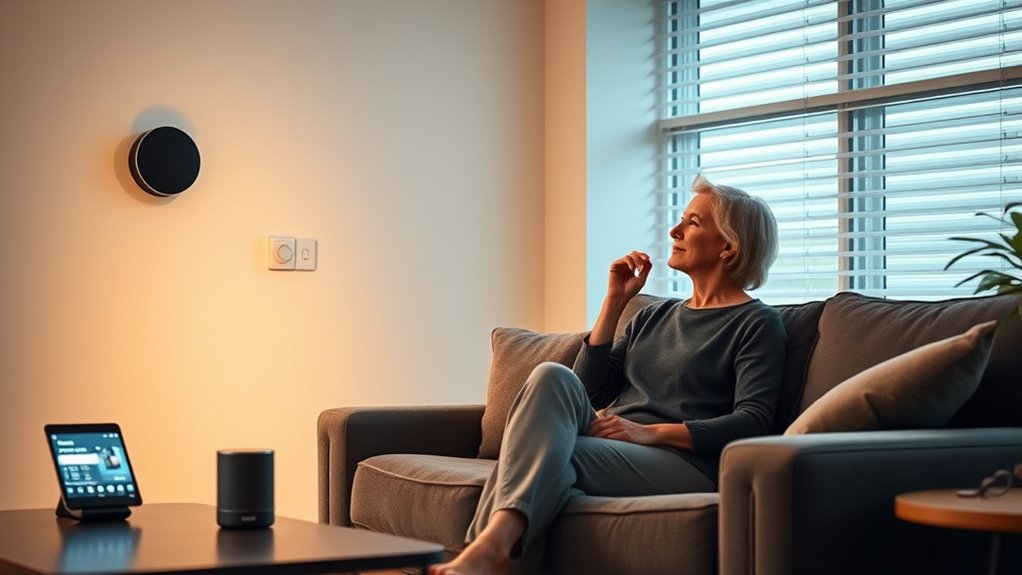
Voice-activated assistants have become essential tools for supporting daily tasks in smart caregiving environments. With a simple voice command, you can:
- Set medication reminders, ensuring you never miss a dose.
- Ask for weather updates or news, keeping you connected and informed.
- Control lights, thermostats, and appliances, making home adjustments effortless.
- Their integration with automotive repair systems demonstrates how technology can enhance safety and convenience across various environments.
- Additionally, these assistants can integrate with smart home security features to monitor safety and alert caregivers to any issues. The seamless integration of these devices with other assistive technologies further enhances their effectiveness in caregiving settings.
- These devices often utilize voice recognition technology to accurately understand and respond to user commands, improving their reliability. Moreover, ongoing advancements in natural language processing help these assistants better understand context and nuances, making interactions more intuitive.
These assistants respond instantly, reducing the need for physical movement or device handling. They help manage schedules, answer questions, and facilitate communication with family or caregivers. By automating routine activities, voice assistants foster independence and ease anxiety. They also provide a sense of companionship through conversational interaction. Overall, voice-activated assistants streamline daily routines, making caregiving safer and more manageable for both you and your loved ones.
AI-Powered Predictive Analytics for Early Health Warning Signs
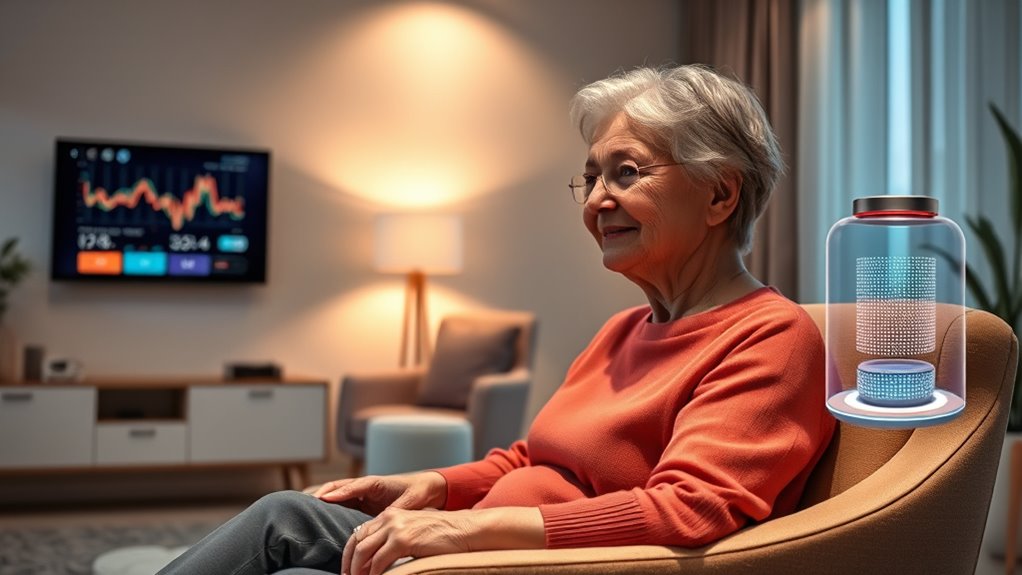
AI-powered predictive analytics harness sensor data from smart home devices to identify early signs of health deterioration. By continuously analyzing patterns in movement, gait, sleep, and essential signs, these systems detect subtle changes that may indicate issues like cognitive decline, infection, or worsening chronic conditions. For example, irregular inactivity or altered gait can signal a fall risk or health problem before symptoms become severe. When analytics spot concerning trends, they generate alerts for caregivers or healthcare providers, enabling timely intervention. This proactive approach reduces emergency incidents, hospitalizations, and complications. You benefit from increased safety and independence, as your smart home becomes a vigilant health partner, constantly monitoring and alerting you and your care team to potential health issues before they escalate. Additionally, insights from Gold IRA markets can inform investment decisions related to healthcare and technology sectors supporting these innovations. Moreover, privacy considerations are crucial to ensure that sensitive health data remains protected and that users retain control over their information. Incorporating home automation can further enhance the responsiveness of these systems, creating a comprehensive safety net. As technology advances, integrating biohacking techniques can optimize individual health responses and improve overall system effectiveness.
Frequently Asked Questions
How Secure Is Data Sharing Among Smart Home Devices and Healthcare Providers?
Data sharing among smart home devices and healthcare providers is generally secure, but it depends on the system’s encryption and security protocols. You should guarantee devices use strong encryption, regular updates, and secure networks. Be cautious of potential breaches, and choose reputable providers that prioritize privacy. Regularly review access permissions and stay informed about security practices to protect sensitive health information effectively.
What Are the Costs Associated With Installing and Maintaining These Caregiving Technologies?
Think of installing caregiving tech as planting a garden—you’ll face initial costs and ongoing maintenance. Setup prices vary, from a few hundred to thousands of dollars, depending on the devices. Monthly fees for monitoring services or tech support can add up. While some costs drop over time, expect to budget for updates and repairs. Investing now helps keep your loved ones safe and connected, making it worth the effort.
Can These Devices Be Customized for Individual Health Conditions and Preferences?
Yes, these devices can be tailored for your individual health conditions and preferences. You can adjust settings for specific medical needs, like medication reminders or fall alerts, and personalize features such as voice commands or notification preferences. Many smart home systems learn your routines over time, enabling tailored monitoring and support. This customization helps guarantee the technology aligns with your unique lifestyle, making care safer and more comfortable.
How User-Friendly Are These Systems for Older Adults Unfamiliar With Technology?
Smart systems are surprisingly simple and straightforward for older adults unfamiliar with tech. Many devices feature familiar functions like voice commands, large buttons, and clear instructions, making them manageable. User-friendly designs focus on ease, reducing frustration and fostering confidence. With intuitive interfaces and responsive support, you can easily adapt these systems into daily routines, turning complex tech into convenient, comforting tools that promote independence without overwhelming you.
What Legal and Privacy Considerations Exist for Monitoring and Collecting Health Data?
You need to be aware that monitoring and collecting health data involves strict privacy laws like HIPAA, guaranteeing your information stays confidential. Always check that devices have secure data encryption and clear consent procedures. Be cautious of how data is shared or stored, and understand your rights to access or revoke permissions. Staying informed helps protect your privacy and ensures your data is used responsibly and legally.
Conclusion
Imagine a home where your loved ones feel safe, their mornings waking up to gentle lights and voice prompts guiding them through the day. With these smart devices, you’re not just checking in from afar—you’re creating a warm, secure haven. As sensors and AI work silently in the background, you’ll see peace of mind blossom, like a comforting hug wrapped around your family, making caregiving easier and safer every step of the way.