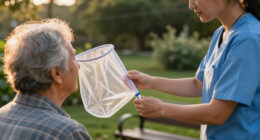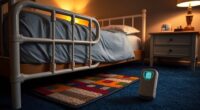
To keep your senior safe while home alone briefly, assess the house for hazards and remove clutter, loose rugs, and cords. Install grab bars in bathrooms, ensure good lighting, and keep frequently used items within easy reach. Encourage them to wear medical alert devices and review emergency contact info, like on the fridge. Setting clear plans and safety routines helps prevent panic and accidents. If you want to learn more about creating a secure, confident environment, keep exploring these tips.
Get ready for Prime Big Deal Days — try Prime free
Exclusive member deals on October 6–7, plus fast free delivery. Cancel anytime.
As an affiliate, we earn on qualifying purchases.
Key Takeaways
- Remove trip hazards like loose rugs, clutter, and cords before leaving.
- Install grab bars and non-slip mats in bathrooms for added safety.
- Ensure all emergency contacts and alert devices are accessible and functioning.
- Adequately light hallways, staircases, and common areas to prevent falls.
- Teach seniors how to respond in emergencies and establish a clear safety plan.
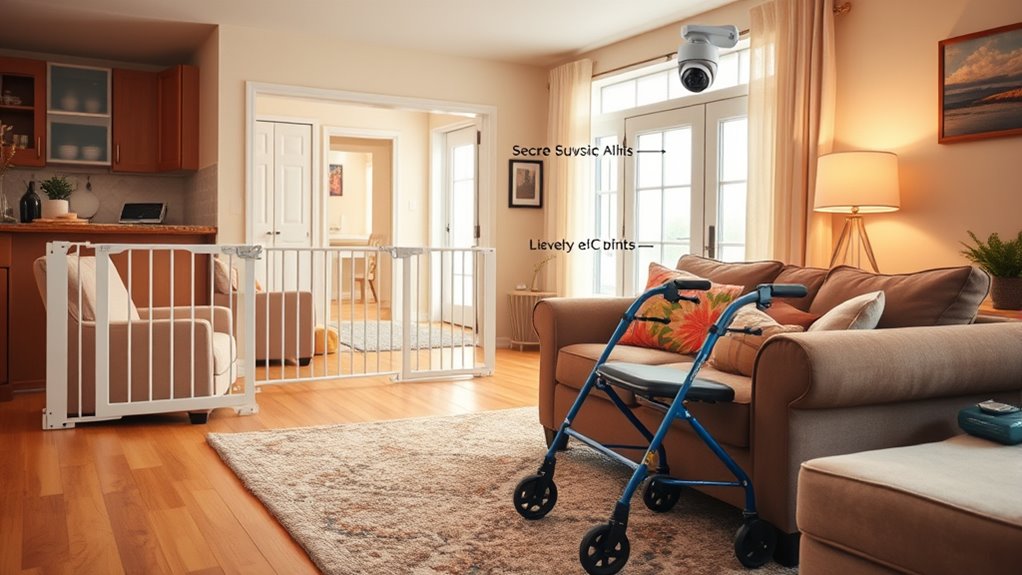
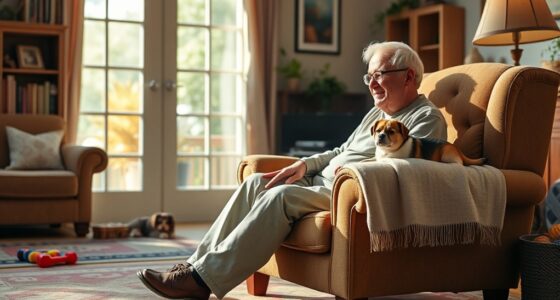
Leaving your senior home alone for a short period can be manageable if you take the right safety measures. One of the most important aspects is guaranteeing emergency preparedness. Before you leave, make sure your senior knows how to respond in an emergency. Keep emergency contacts easily accessible, such as a list of phone numbers on the fridge or a designated emergency button if they have one. It’s also helpful to set up a system where they can alert someone quickly if needed, whether through a monitored alert device or a simple phone call. Additionally, teach them basic safety steps, like how to turn off the stove or reach help if they feel unwell. This way, even when you’re not there, your senior has a plan of action, which can reduce panic and confusion during unexpected situations.
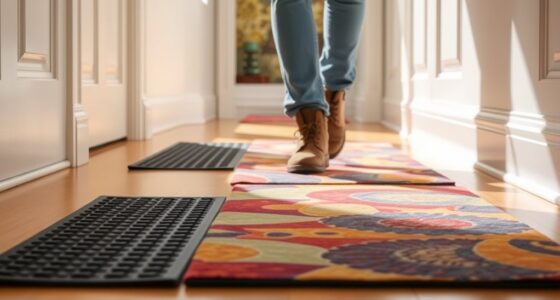
Fall prevention is another critical factor you shouldn’t overlook. Falls are a leading cause of injury among seniors, especially when they’re alone. To prevent falls, assess the home for hazards before you leave. Remove loose rugs, clutter, or cords that could cause tripping. Install grab bars in the bathroom near the toilet and in the shower, and consider using non-slip mats in these areas. Make sure lighting is adequate throughout the house, especially in hallways and staircases, so your senior can see clearly at all times. Keep frequently used items within easy reach to avoid unnecessary stretching or climbing. If stairs are involved, ensure they have sturdy handrails on both sides. These simple adjustments can considerably reduce the risk of falls and help your senior maintain independence while you’re away.
It’s also wise to encourage your senior to wear a medical alert device or emergency pendant when you’re not home. These devices can be lifesavers if they fall or feel unwell, alerting emergency services or a loved one immediately. Regularly check that these devices are working properly and that your senior understands how to use them. Combining emergency preparedness with fall prevention measures creates a safer environment, giving both you and your senior peace of mind during short periods apart. Remember, the goal isn’t to make the house overly restrictive but to create a space where your loved one can feel secure and confident. Small adjustments, combined with clear communication, go a long way in making sure your senior is safe, comfortable, and prepared for any situation that might arise when they’re home alone.
Frequently Asked Questions
How Can I Monitor My Senior Remotely During Short Absences?
You can monitor your senior remotely during short absences with telehealth monitoring and smart home technology. Install cameras or sensors to keep an eye on their safety, and use telehealth services to check in on their health status. Smart devices like voice assistants or emergency alert systems allow quick communication. These tools give you peace of mind, ensuring your senior stays safe and connected even when you’re away briefly.
What Are the Best Emergency Contacts to Have on Hand?
Think of your emergency contacts as the lifesavers in a storm. Keep essential contacts like doctors, nearby family, neighbors, and local emergency services in your emergency kits. Establish clear contact protocols, so your senior knows who to call first and how to reach them. Regularly refresh this list to ensure quick access. Having trusted contacts on hand can turn a crisis into a manageable situation, keeping everyone safe.
How Do I Prevent Falls in the Home for Seniors?
To prevent falls, focus on fall prevention through simple home modifications. Clear walkways, add grab bars in bathrooms, and secure loose rugs. Guarantee good lighting in hallways and staircases, and install handrails if needed. Keep clutter to a minimum and organize furniture to provide stable support. Regularly check for hazards, and encourage seniors to wear supportive shoes. These steps help create a safer environment when they’re home alone.
Are There Specific Safety Devices Recommended for Unattended Periods?
You need the safety devices that can truly be a lifesaver in an emergency. Install smart smoke detectors to instantly alert you or emergency services if there’s a fire, and set up emergency alert systems that notify you if your senior needs help. These devices work around the clock, providing peace of mind that help is just a button press or a sensor trigger away, making your home as safe as Fort Knox.
How Can I Ensure My Senior Feels Secure Alone at Home?
To guarantee your senior feels secure alone at home, focus on medication management and emotional reassurance. Keep medications organized and within easy reach, so they don’t worry about missed doses. Offer regular check-ins or calls to provide emotional reassurance, letting them know you’re nearby and attentive. Set up safety devices like alarms or emergency buttons, and create a calm environment to boost their confidence and comfort while you’re away.
Conclusion
Think of your home as a ship sailing smoothly through calm waters. By taking simple safety steps, you become the steady captain guiding your senior safely through brief uncharted waters. Each precaution is a lighthouse shining bright, directing them safely back ashore. When you prepare your house for their short absences, you’re ensuring their journey remains peaceful and secure. With these small anchors in place, both of you can rest easy, knowing your home is a safe harbor.
Fall yard work Picks
leaf blowers
As an affiliate, we earn on qualifying purchases.