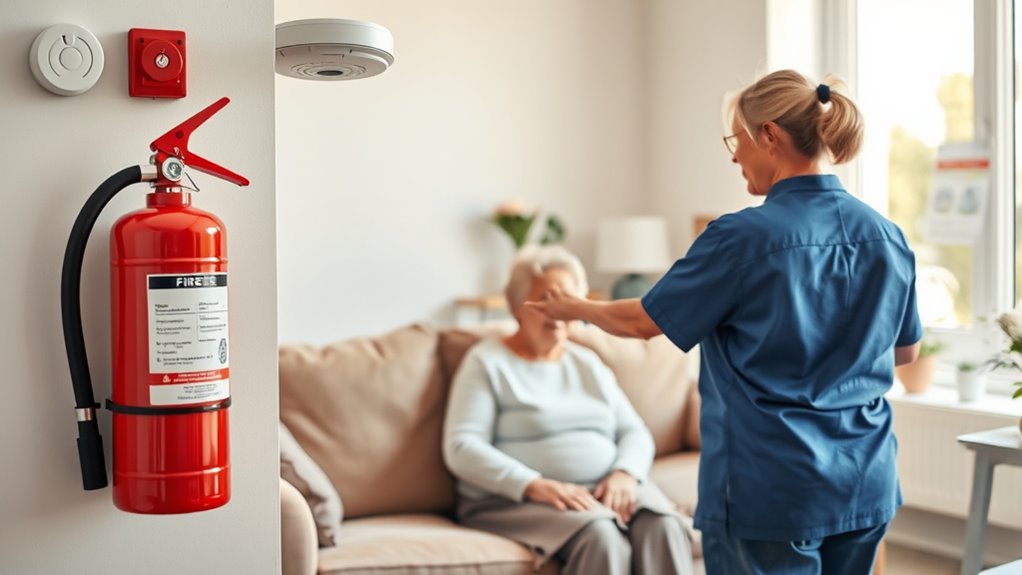

To improve fire safety for seniors, focus on understanding their unique risks, like sensory or mobility challenges, and take proactive steps. Install and regularly test smoke alarms with visual or vibrating alerts, plan multiple clear escape routes, and practice fire drills often. Keep emergency kits ready, check wiring and appliances, and improve home safety by removing hazards. By implementing these strategies, you’ll be better prepared — and there’s more to help you create all-encompassing safety plans.
Key Takeaways
- Install and regularly test smoke alarms with visual or vibrating alerts to accommodate sensory impairments.
- Develop and practice tailored evacuation plans, including multiple accessible escape routes and roles for caregivers.
- Keep flammable materials away from heat sources, avoid indoor smoking, and ensure clear exit pathways for safe evacuation.
- Use visual alarm devices like strobe lights or bed shakers to alert seniors with hearing loss during a fire.
- Conduct routine fire safety assessments, address hazards promptly, and educate seniors on emergency procedures and safety measures.
Understanding the Fire Risks Faced by Seniors
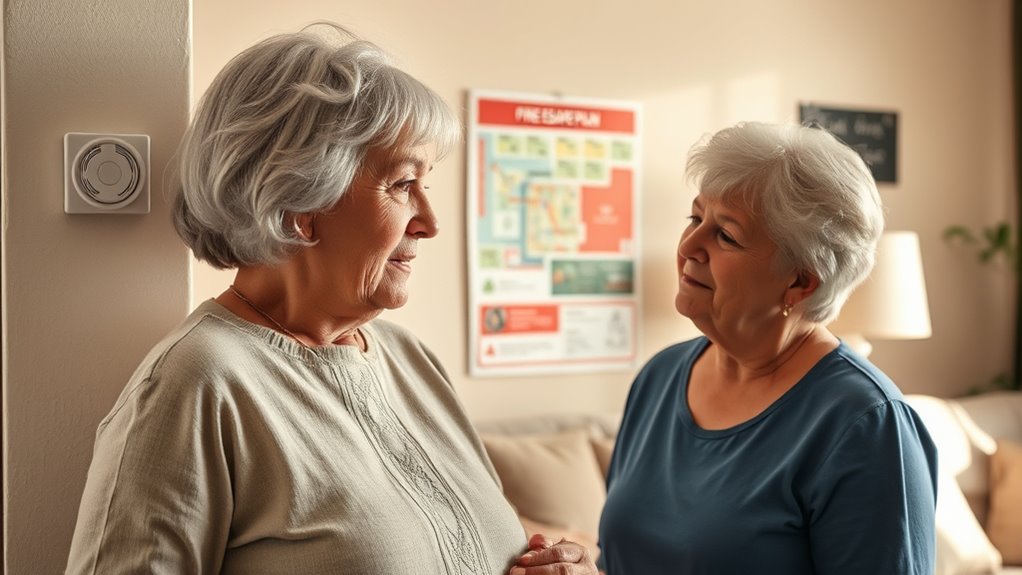
Understanding the fire risks faced by seniors is essential because they are more vulnerable to fire-related incidents than the general population. Studies show adults aged 65 and older suffer about twice the fire death rate, with those 85+ being 3.5 to 5 times more likely to die in fires. Approximately 1,200 older adults die annually from fire-related causes, making fire the sixth leading cause of death in this age group. Clothing fires, especially sleepwear fires, heavily impact seniors, with a death rate 14 times higher than younger groups. Smoking and cooking are primary causes of fatal fires among seniors. Despite representing only about 12-13% of the population, seniors account for over one-third of home fire fatalities, highlighting their increased risk. Home safety technology has become an important tool in reducing fire hazards for seniors, with smart alarms providing early alerts that can save lives. Additionally, implementing fire safety education tailored to seniors can significantly improve their awareness and response in emergencies. Suprem fabric, known for its durability and safety features, can also be used in clothing designed for seniors to help reduce fire risks.
Recognizing Physical and Cognitive Challenges in Fire Safety

Your sensory impairments, like vision and hearing loss, can delay your ability to detect fires quickly. Cognitive decline may cause confusion or forgetfulness, making it harder to follow safety procedures. Recognizing these challenges is essential to improving fire safety measures tailored to your needs. Incorporating fire prevention strategies such as smoke alarms with visual alerts or vibration alerts can significantly enhance safety for those with sensory or cognitive impairments. Additionally, understanding regulatory guidelines can help ensure your safety devices meet recommended standards and provide optimal protection.
Sensory Impairments Impact
Sensory impairments such as diminished vision, hearing, and smell substantially increase fire safety risks for older adults, making it harder to detect and respond to dangers quickly. If you or your loved one have trouble seeing smoke or flames, fires may go unnoticed until they become dangerous. Hearing loss can delay alarm detection, especially if alarms rely solely on sound. A reduced sense of smell might prevent early detection of smoke or gas leaks. These impairments mean you need additional safety measures, like visual alarms, vibrating alerts, or smoke detectors with flashing lights. Understanding sensory impairments is essential for tailoring effective safety solutions. Recognizing these challenges allows you to implement effective solutions that improve safety and ensure faster responses during emergencies. Addressing sensory impairments is critical for protecting seniors from fire-related injuries or fatalities. For example, installing visual alert systems can help compensate for hearing deficits and improve early warning capabilities. Additionally, integrating advanced alarm technology can further enhance safety by providing multiple alert methods.
Cognitive Decline Effects
Cognitive decline can markedly impair an older adult’s ability to recognize fires and respond effectively. You might notice they forget to check smoke alarms or ignore warning signs, delaying evacuation. Confusion and memory lapses can cause hesitation or misjudgment during emergencies, increasing injury risk. They may struggle to follow evacuation instructions or remember fire safety protocols, leaving them vulnerable. Disorientation can make it difficult to identify the source of smoke or flames, causing panic or paralysis. As a caregiver, you need to be aware of these challenges and implement safeguards like visual alarms, simplified escape plans, and regular safety reminders. Understanding how cognitive decline affects response times helps you develop tailored strategies to protect your loved ones during fire emergencies.
Essential Home Safety Measures to Prevent Fires
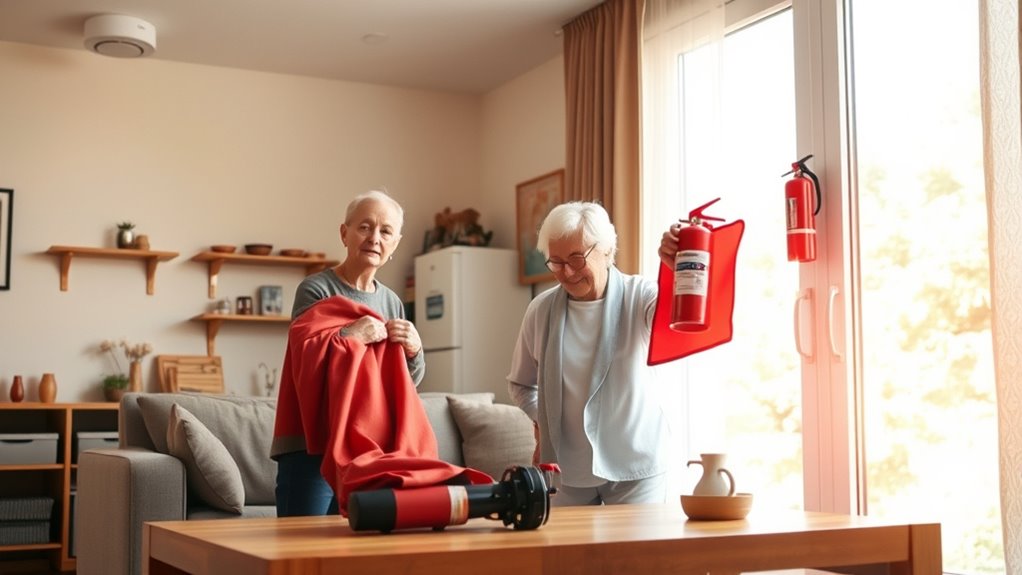
Implementing essential home safety measures can substantially reduce the risk of fires for seniors. Start by installing smoke alarms on every level, checking batteries monthly. Keep flammable materials away from heat sources, and never smoke indoors. Use fire-resistant sleepwear and avoid loose clothing near open flames. Ensure clear exit paths and install grab bars for safe evacuation. Regularly inspect electrical wiring and appliances for damage. Familiarizing yourself with deep-sky imaging concepts can also enhance safety awareness by encouraging systematic checks and preventive measures. Understanding credit card terms is vital for financial literacy that can indirectly influence safety by reducing financial stress. Incorporating fire safety education into routine safety checks can further empower seniors and caregivers to identify potential hazards early, making fire prevention strategies an essential part of home safety practices. Additionally, staying informed about emergency protocols can prepare caregivers and seniors to respond swiftly in case of a fire emergency.
Developing Effective Emergency Plans for Older Adults
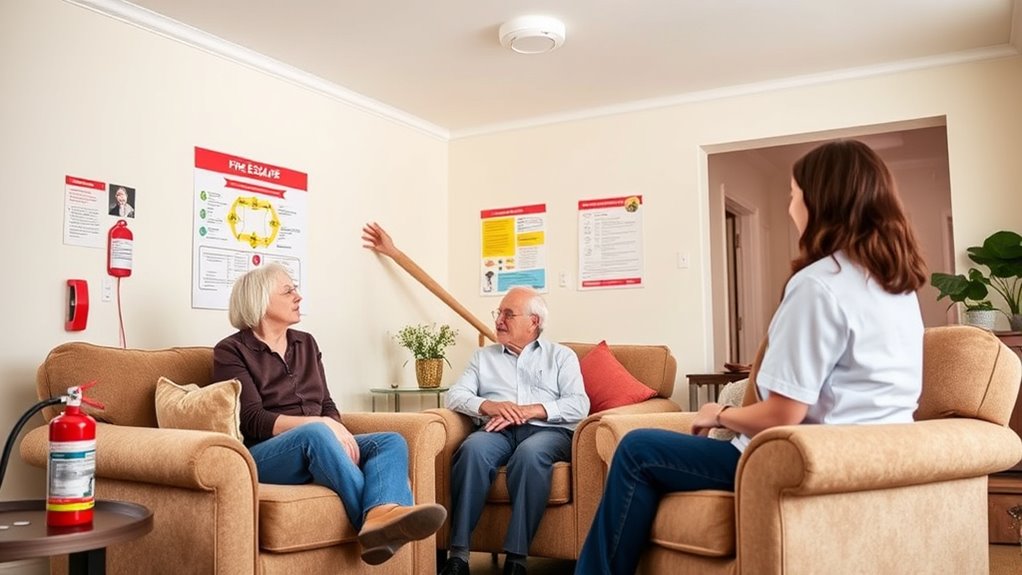
Creating an emergency plan tailored for older adults is vital to guarantee they can respond quickly and safely during a fire. Start by identifying their specific needs, such as mobility limitations or sensory impairments. Clearly map out multiple escape routes from every room, making sure they are accessible and free of obstacles. Assign roles to caregivers and family members, so everyone knows their responsibilities during an emergency. Practice fire drills regularly to build confidence and ensure familiarity with procedures. Include instructions for safely shutting down medical devices if needed. Make certain your plan accounts for any medications or essential items they require. Keep emergency contact information visible and easily accessible. An effective plan reduces panic and confusion, enabling swift, confident action during a fire emergency.
Preparing Emergency Kits Tailored for Seniors

Preparing an emergency kit tailored for seniors is vital to guarantee they have quick access to essential items during a fire or other disaster. You want to make sure they can respond effectively without delays. Focus on items that address their specific needs.
- Medications and Medical Supplies: Include a week’s supply of prescription medications, blood pressure monitors, and any necessary medical devices.
- Communication Devices: Pack a fully charged cell phone, portable charger, and a list of emergency contacts in large print.
- Basic Survival Items: Add bottled water, non-perishable snacks, and a flashlight with extra batteries.
- Accessibility Considerations: Ensure the kit contains accessible features such as easy-to-open containers and large-print instructions to accommodate visual or mobility challenges.
Keep the kit in an accessible location known to both the senior and caregivers. Regularly update its contents to reflect changing needs.
Enhancing Fire Detection and Alarm Systems for the Elderly

You can improve fire safety for seniors by installing visual alarm options, like strobe lights or vibrating alerts, to make sure they notice fires even if they can’t hear traditional alarms. Regularly maintaining and testing your fire detection and alarm systems guarantees they function properly and ready when needed. These simple steps ensure that seniors have reliable alerts to respond quickly during a fire emergency. Proper piercing care and hygiene practices can also prevent infections that might complicate emergency situations. Additionally, understanding fire safety technology can help caregivers select the most effective alert systems for seniors’ specific needs. Staying informed about AI cybersecurity measures can also protect these systems from digital threats that might disable or compromise their effectiveness. Being aware of fire detection advancements can further enhance early warning capabilities, ensuring faster response times. Incorporating smart alarm systems that adapt to different environments can significantly improve overall safety.
Visual Alarm Options
How can fire detection be improved for seniors who may not hear traditional alarms? You can install visual alarm options that provide clear, effective alerts. These alarms use flashing lights, strobe signals, or vibrating devices to capture attention. Here are three options to consider:
- Strobe Light Alarms – Bright flashing lights activate when smoke is detected, alerting those with hearing impairments.
- Vibration Alerts – Bed shakers or wearable devices vibrate strongly to wake or notify seniors during a fire.
- Visual Indicators – Light panels or flashing lamps placed in key areas ensure visibility even from a distance. Incorporating sensory integration into alarm systems can further improve their effectiveness by catering to various alert needs. Utilizing advanced technology can also help customize alert methods based on individual sensory needs. Additionally, integrating networks of connected devices can enhance the responsiveness of visual alert systems in emergency situations. Implementing smart alarm systems that adapt to the environment can further increase safety for seniors. These visual alarm options create a multi-sensory alert system, making sure seniors are promptly informed, regardless of hearing ability. Incorporating nanotechnology into alarm systems could further enhance their sensitivity and reliability.
Regular System Maintenance
Regular system maintenance is essential to guarantee fire detection and alarm systems function effectively, especially for seniors who may have hearing or sensory impairments. You should test alarms monthly by pressing the test button to ensure they sound clearly. Change batteries at least once a year or immediately if the low-battery chirp sounds. Clean smoke detectors regularly to remove dust and cobwebs that can impair sensitivity. Replace alarms every 8-10 years, or sooner if they malfunction or become outdated. Consider upgrading to models with visual alerts or vibration features for better accessibility. Keep documentation of maintenance activities and schedule professional inspections periodically. Proper maintenance ensures alarms respond promptly, providing crucial early warning and increasing safety for seniors in case of fire.
Conducting Fire Drills and Practice Evacuation Strategies
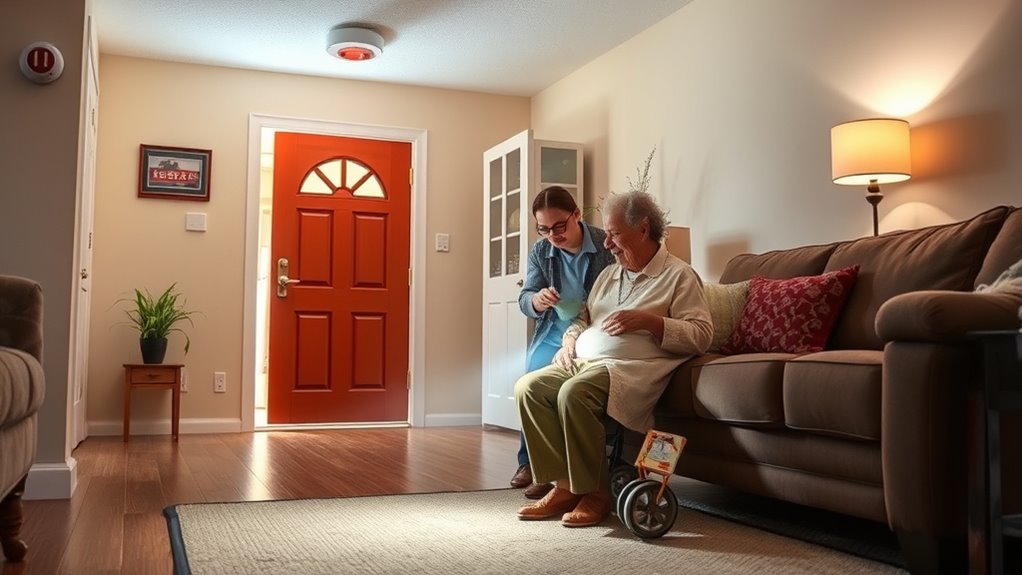
Conducting fire drills and practicing evacuation strategies are essential steps in preparing seniors for emergency situations. Regular drills help identify potential obstacles and build confidence in responding quickly. To guarantee effectiveness:
- Schedule drills at different times of day to simulate various scenarios, like power outages or limited visibility.
- Use clear, simple instructions and walk seniors through each step, emphasizing staying calm and alert.
- Practice with mobility aids and medical equipment to ensure evacuation plans accommodate their needs.
Involve caregivers and family members to reinforce routines and improve teamwork. Keep drills brief and positive to prevent fatigue or anxiety. Regular practice helps seniors recognize alarms, understand escape routes, and respond confidently when it counts.
Supporting Recovery and Reducing Future Risks Post-Fire

After completing fire drills and practicing evacuation strategies, focusing on recovery and future risk reduction helps make certain seniors regain independence and confidence. Start by evaluating your home for fire hazards, such as faulty wiring or flammable materials, and address these issues promptly. Collaborate with local agencies to access resources like home safety assessments and community support programs. Rebuild routines that promote safety, like regular smoke alarm checks and safe cooking practices. Offer emotional support, encouraging seniors to share feelings and fears about fire risks. Reinforce education on fire prevention and emergency response to prevent future incidents. Finally, stay connected with healthcare providers to monitor physical and mental health, ensuring ongoing safety and resilience in the aftermath of a fire.
Frequently Asked Questions
How Can I Assist a Senior With Mobility Issues During a Fire Emergency?
You can assist a senior with mobility issues during a fire emergency by helping them move quickly to a safe area, ideally using their mobility aids. Stay calm, support their movement, and follow their evacuation plan, which should include designated helpers if needed. Keep their essential medications and medical devices accessible, and ensure they’re familiar with accessible exits. Always prioritize their safety and call for emergency help if necessary.
What Are the Best Ways to Communicate Fire Risks to Cognitively Impaired Seniors?
You might think talking to a cognitively impaired senior about fire risks is pointless, but it’s actually essential. Use simple, clear language and visual cues like pictures or alarms with flashing lights to grab attention. Repetition helps reinforce safety messages, and incorporating familiar routines makes the information stick. Keep communication calm and supportive, so they feel secure rather than overwhelmed, turning fire safety from a fear into a manageable part of daily life.
How Often Should Smoke Alarms and Safety Devices Be Inspected in Elderly Homes?
You should inspect smoke alarms and safety devices at least once a month to guarantee they’re working properly. Replace batteries twice a year, ideally during daylight saving time changes, and test alarms monthly. Regularly check that devices are clean, free of dust, and properly maintained. Schedule professional inspections annually for heating systems and electrical wiring. Staying vigilant helps protect your loved ones from fire hazards and ensures alarms respond quickly in emergencies.
What Specific Fire Safety Training Is Recommended for Caregivers of Seniors?
You should prioritize fire safety training that covers emergency evacuation procedures, use of fire extinguishers, and fire prevention techniques. Did you know seniors are 3.5 to 5 times more likely to die in fires? As a caregiver, it’s essential you understand how to recognize fire hazards, assist with mobility challenges, and operate alarms or devices. Regular drills and tailored education help you prepare effectively, ensuring seniors’ safety during emergencies.
How Can Community Resources Support Fire Recovery and Prevention for Older Adults?
Community resources play a crucial role in supporting fire recovery and prevention for older adults. You can access local fire departments for safety assessments, fire prevention education, and home modifications. Senior centers and social services offer support groups and counseling after incidents. Neighborhood networks and volunteer programs can assist with evacuations and home safety checks. By leveraging these resources, you help reduce fire risks and guarantee faster recovery for seniors in your community.
Conclusion
By following these fire safety tips, you create a safety net as sturdy as a fortress around your loved ones. Remember, preparedness is your best defense—like a lighthouse guiding ships safely through stormy waters. Stay vigilant, regularly update safety measures, and practice emergency plans together. Your proactive approach not only shields seniors from harm but also brings peace of mind, ensuring everyone feels secure and confident in facing any fire emergency.