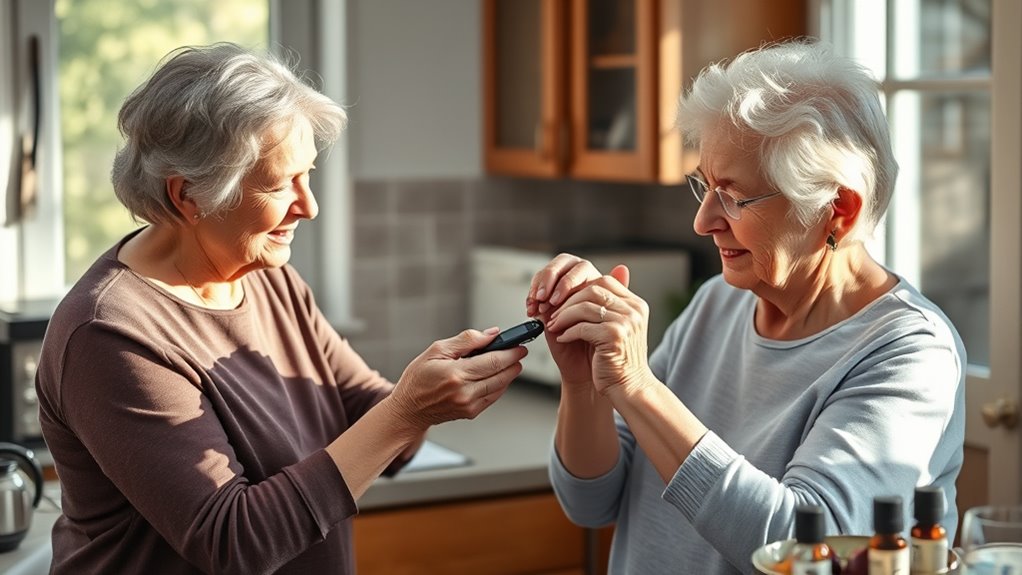

As a caregiver, you need to understand how aging affects blood sugar and tailor care accordingly. Set realistic goals, simplify medications, and monitor blood sugar regularly to prevent lows and highs. Focus on balanced meals, hydration, safe exercise, and reducing fall risks. Address challenges like malnutrition or dental issues while working with healthcare providers. Mastering these strategies will help you provide safe, effective diabetes management—more helpful tips await as you continue.
Key Takeaways
- Personalize blood sugar and medication goals based on the older adult’s health status, cognitive function, and living situation.
- Simplify medication regimens and prefer low hypoglycemia risk drugs like certain metformin or DPP-4 inhibitors.
- Emphasize balanced, nutrient-dense meals, proper hydration, and tailored meal textures to prevent undernutrition and manage blood sugar.
- Promote safe physical activity suited to abilities, incorporating exercises that improve strength, balance, and mobility.
- Ensure a safe environment by addressing fall hazards, monitoring blood sugar, and educating caregivers on symptom recognition and management.

VivaGuard Talking Blood Glucose Monitor Kit, 100 Strips & 100 Lancets
Note: No control solution in the kit. Including 2 AAA batteries.
As an affiliate, we earn on qualifying purchases.
As an affiliate, we earn on qualifying purchases.
Understanding the Unique Needs of Older Adults With Diabetes

Understanding the unique needs of older adults with diabetes is essential because aging affects how your body manages blood sugar and responds to treatment. As you age, there’s a higher risk of complications like hypoglycemia, kidney problems, and heart disease. Many older adults also face other health issues, such as cognitive decline, frailty, or mobility challenges, which make managing diabetes more complex. Your living situation—whether at home, in assisted living, or a nursing facility—also influences your care plan. Unlike younger individuals, nutritional needs may lean more toward preventing undernutrition rather than weight loss. Recognizing these factors helps you and your healthcare team tailor a management approach that considers your overall health, safety, and quality of life. Additionally, understanding how blood sugar control can vary with age helps in setting realistic and safe treatment goals. It is also important to monitor for potential medication interactions, as older adults often take multiple prescriptions that may impact blood sugar levels. Moreover, age-related changes in metabolism and insulin sensitivity can influence how medications are absorbed and processed in the body, requiring careful adjustments to treatment. Furthermore, the cost of managing diabetes may present additional challenges for older adults on fixed incomes, impacting access to medications and supplies. Staying informed about new treatment options can help optimize care and improve quality of life.

AUVON Insulin Cooler Travel Case, Diabete Care, 2x90g TSA-Approved Ice Pack
UPGRADED COOLING EFFECT. This diabetic travel case comes with two upgraded ice packs each weighing 90g, which is…
As an affiliate, we earn on qualifying purchases.
As an affiliate, we earn on qualifying purchases.
Setting and Managing Appropriate Blood Sugar Targets

Setting and managing blood sugar targets for older adults requires a personalized approach that considers overall health, functional status, and risk factors. You should tailor goals based on whether the older adult is independent, frail, or has cognitive impairments. For healthier, independent seniors, an A1C of 7–7.5% often balances control with safety. For those who are frail or have multiple health issues, a target of 7–8% reduces the risk of hypoglycemia and other complications. Avoid strict targets in end-of-life care, focusing instead on preventing symptomatic hyperglycemia. Regular monitoring helps you assess whether targets are being met. Recognizing that blood sugar variability can influence blood sugar management emphasizes the importance of a flexible approach—adjust goals as health status changes, always prioritizing safety and quality of life over rigid numbers. Additionally, understanding piercing care and hygiene can prevent infections that might complicate diabetes management, especially in older adults with compromised immune systems. Incorporating strategies to minimize blood sugar fluctuations can further enhance overall control and reduce adverse events. Being aware of patient education needs ensures that caregivers and patients understand how to effectively manage their condition and respond to changes in blood sugar levels.

NARTGO Heart Medical Alert Hypoglycemia Bracelet for Women Emergency First Aid Health Alert Engraved Stainless Steel Adjustable Chain Bracelets
MEDICAL ALERT: Your medical ID bracelet provides quick recognition of your medical conditions, which leads to faster and…
As an affiliate, we earn on qualifying purchases.
As an affiliate, we earn on qualifying purchases.
Simplifying Insulin and Medication Regimens for Safety

To guarantee safety and improve adherence, simplifying insulin and medication regimens is essential for older adults with diabetes. Complex schedules can lead to missed doses, errors, and increased hypoglycemia risk. Focus on using medications with low hypoglycemia risk, like certain metformin or DPP-4 inhibitors, when appropriate. Start with lower doses and adjust gradually (“start low and go slow”) to prevent adverse effects. Deintensify complex regimens by reducing the number of daily injections or combining medications when possible. Regularly review medications with healthcare providers to eliminate unnecessary drugs and minimize interactions. For some, consider insulin pens or pre-filled syringes for easier administration. Always tailor the plan to the individual’s health, cognitive status, and living situation, prioritizing safety and simplicity. Additionally, utilizing medication management strategies can help ensure proper adherence and reduce errors.

Boost Very High Calorie Very Vanilla Nutritional Drink – 22g Protein, 530 Nutrient Rich Calories, 8 Fl Oz (Pack of 24)
Convenient Weight Gain Support: BOOST Very High Calorie Nutritional Drink provides a high calorie, high protein, nutrient-packed snack…
As an affiliate, we earn on qualifying purchases.
As an affiliate, we earn on qualifying purchases.
Designing Nutrition and Exercise Plans for Older Adults

To create effective nutrition and exercise plans, you need to contemplate each older adult’s unique health status and preferences. Focus on promoting balanced diets that prevent both hyperglycemia and malnutrition while encouraging safe, low-impact physical activities. Remember to address common nutritional challenges, like appetite changes or food limitations, to support overall well-being. Incorporating energy-efficient cloud solutions can also assist healthcare providers in managing patient data securely and efficiently.
Tailoring Nutritional Needs
Designing nutrition and exercise plans for older adults requires careful consideration of their unique health status, physical limitations, and metabolic needs. You should focus on balanced meals that prevent both hyperglycemia and undernutrition, emphasizing nutrient-dense foods like lean proteins, whole grains, vegetables, and healthy fats. Portion control helps manage blood sugar levels, and meal timing can improve stability. For those with physical limitations, adapt food textures or meal preparations to ensure safety and ease of eating. Hydration is essential, especially if medications or health conditions affect fluid balance. When planning exercise, prioritize low-impact activities suited to their mobility and stamina, always considering individual capabilities. Regularly reassess and adjust plans to align with changing health conditions and personal preferences. Incorporating smart gear like glucose monitors and activity trackers can further enhance management by providing real-time feedback and encouraging adherence. Additionally, understanding nutritional needs specific to aging helps tailor dietary strategies effectively. Being aware of common health conditions in older adults, such as arthritis or cardiovascular issues, can help modify both diet and activity plans to accommodate these challenges. Moreover, incorporating personalized approaches that account for individual differences can lead to better health outcomes. Furthermore, staying informed about emerging health management technologies can provide additional support and motivation.
Promoting Safe Physical Activity
Promoting safe physical activity in older adults requires careful planning to match their unique health status and mobility levels. Begin by consulting healthcare providers to identify suitable activities and any restrictions. Encourage low-impact exercises like walking, swimming, or chair exercises to minimize joint stress and fall risk. Set realistic goals that emphasize consistency over intensity, focusing on improving strength, balance, and flexibility. Incorporate activities that your loved one enjoys to boost adherence and motivation. Always monitor for signs of fatigue, dizziness, or pain, and adjust the routine as needed. Guarantee a safe environment—clear pathways, proper footwear, and supervision if necessary. Regularly review and modify the activity plan to align with health changes and prevent injury. Additionally, understanding the physicochemical properties of exercise can help tailor activities that optimize safety and effectiveness for older adults.
Addressing Nutritional Challenges
Addressing nutritional challenges in older adults requires careful planning to guarantee they receive balanced, adequate nourishment while managing diabetes effectively. You need to focus on providing nutrient-dense foods that support overall health and blood sugar stability. Prioritize whole grains, lean proteins, healthy fats, and plenty of vegetables, while limiting processed foods and added sugars. Keep portion sizes appropriate to prevent weight fluctuations and malnutrition. Monitor for signs of undernutrition or overnutrition, adjusting the diet as needed. Incorporating physical activity tailored to their abilities can also help improve metabolism and appetite. Regularly review dietary plans with healthcare providers or dietitians to ensure they meet changing needs. Being aware of the best heat pump options can also contribute to maintaining a comfortable living environment that supports overall well-being. Additionally, understanding the importance of nutritional adequacy can help caregivers better tailor meal plans to meet these needs and prevent deficiencies. Staying informed about technological tools can further assist in managing dietary and health goals effectively. Recognizing the benefits of water-based activities can also promote physical activity that is gentle on joints and encourages consistent exercise. Engaging with sound healing practices may also support mental relaxation and emotional health, complementing physical health strategies. By paying close attention, you help your loved one maintain steady blood sugar levels and improve their quality of life.
Supporting Caregivers: Monitoring, Education, and Assistance
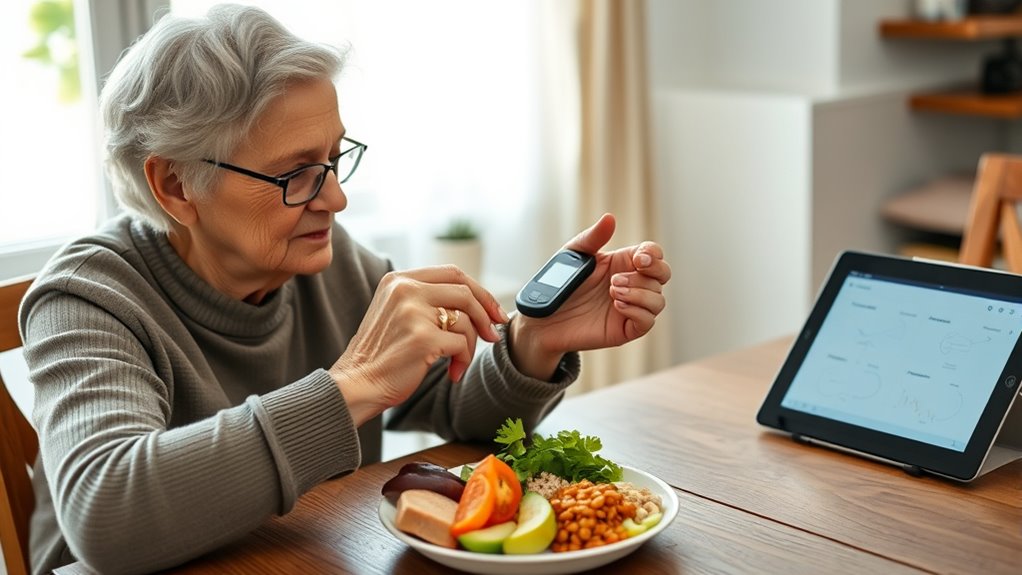
Supporting caregivers is essential for effective diabetes management in older adults, especially those with cognitive or physical limitations. Your role includes monitoring blood sugar levels, ensuring medication adherence, and recognizing signs of hypoglycemia or hyperglycemia. Education is key; stay informed about their condition, medication schedules, and dietary needs. Assistance may involve coordinating appointments or managing supplies. Use tools like blood glucose logs or CGM devices to track trends. Regular communication with healthcare providers helps refine care plans. Understanding blood sugar regulation is fundamental for providing proper support and preventing complications.
Addressing Common Challenges: Fall Risks, Malnutrition, and Comorbidities

Falls are a major concern for older adults with diabetes, so you need to identify and minimize risks like uneven surfaces or medication side effects. Proper nutrition is essential to prevent malnutrition and support overall health, especially when appetite or digestion is affected. Addressing comorbidities helps you manage multiple health issues effectively and reduces the chance of complications. Using appropriate filtration methods can protect vital equipment and ensure consistent medication delivery.
Preventing Falls Safely
Preventing falls in older adults requires a proactive approach that considers their unique risks and health challenges. First, assess their environment for hazards like loose rugs, clutter, or poor lighting. Second, encourage regular exercise to improve strength, balance, and coordination. Third, review medications with healthcare providers to identify those causing dizziness or impairing alertness.
You should also guarantee proper footwear with non-slip soles and install grab bars in bathrooms. Keep walkways clear and well-lit, and consider using assistive devices if needed. Monitoring vision and managing chronic conditions like diabetes can reduce fall risks. These steps help create a safer environment, minimizing the chance of falls and related injuries.
Ensuring Proper Nutrition
Proper nutrition plays an essential role in managing diabetes among older adults, especially when considering the unique challenges they face. You need to guarantee your loved one receives balanced meals that support blood sugar control without risking malnutrition or weight loss. Focus on nutrient-dense foods like lean proteins, whole grains, fruits, and vegetables, while limiting processed sugars and refined carbs. Be mindful of swallowing difficulties or dental issues that may affect eating habits. Monitor for signs of malnutrition, especially after illness or hospitalization. Adjust portion sizes to prevent blood sugar spikes or drops, and consider low-impact physical activity to stimulate appetite. Collaborate with healthcare providers or dietitians to develop tailored meal plans that address comorbidities and support overall health.
Frequently Asked Questions
How Can I Tell if My Older Loved One Is Experiencing Hypoglycemia?
You’ll notice signs like shakiness, sweating, dizziness, hunger, irritability, or confusion if your loved one is hypoglycemic. They might also appear weak, have a rapid heartbeat, or seem unusually anxious or tired. Sometimes, they might lose consciousness. Keep a close eye on these symptoms, especially if they’re on insulin or certain medications, and act quickly by giving them fast-acting carbohydrate sources like juice or glucose tablets.
What Are the Signs of Malnutrition in Seniors With Diabetes?
You should look for unexplained weight loss, muscle weakness, and fatigue, which are common signs of malnutrition. Observe if your loved one has dry skin, brittle nails, or mouth sores. Notice any increased irritability, confusion, or difficulty concentrating. Reduced appetite, difficulty swallowing, or frequent infections also signal nutritional deficiencies. Regularly monitor their eating habits and coordinate with healthcare providers to address these issues promptly.
How Do I Adjust Insulin Doses for Physical Activity or Illness?
If your loved one with diabetes plans to exercise, consider lowering their insulin dose beforehand to prevent hypoglycemia. For example, if they usually take 10 units of insulin, reduce it by about 20-50% depending on activity intensity and duration. For illness, monitor blood sugar closely; if levels are high, a small insulin dose may be needed, but if low, hold off on insulin and hydrate. Always consult their healthcare provider for personalized guidance.
What Safety Measures Can Prevent Falls Related to Diabetes Management?
To prevent falls related to diabetes management, guarantee your loved one’s environment is clutter-free and well-lit. Encourage proper footwear with non-slip soles and assist with mobility aids if needed. Regularly review medications for side effects that may cause dizziness, and monitor blood sugar levels to avoid sudden lows. Encourage safe exercise, and promote routines that support balance and strength. Stay vigilant about their overall health to minimize fall risks effectively.
How Can Caregivers Effectively Communicate With Healthcare Providers About Complex Needs?
You can communicate effectively with healthcare providers by preparing detailed notes on your loved one’s symptoms, medications, and daily routines. Ask questions to clarify treatment plans and express concerns about side effects or challenges. Keep an updated list of medications and health issues, and advocate for their needs during appointments. Regular follow-ups and open, honest dialogue guarantee their complex needs are understood and well-managed.
Conclusion
So, now you’re a master of managing diabetes in your aging loved one—what could possibly go wrong? With all these tips, you’ll confidently navigate blood sugar swings, insulin doses, and tricky nutrition plans. Just remember, if all else fails, blame the unpredictable nature of aging itself. Because nothing screams caregiver hero like turning chaos into calm—one glucose monitor at a time. Good luck, and don’t forget to enjoy the sweet irony!