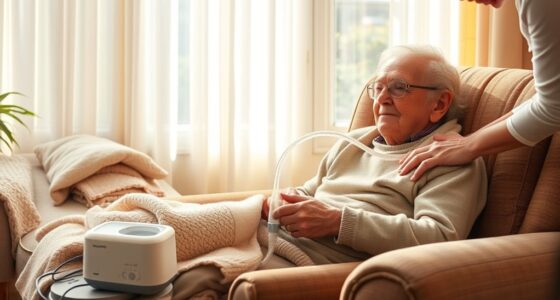

Helping your parent recover and thrive at home involves creating a safe environment, encouraging active participation in therapy, and managing health risks. Remove hazards, install support rails, and adapt the space for mobility. Support emotional well-being, promote healthy habits, and stick to prescribed medication routines. Stay connected with healthcare providers and community resources to guarantee ongoing care. By focusing on these areas, you can make a meaningful difference in their recovery journey—find out more to support their progress fully.
Key Takeaways
- Encourage active participation in high-intensity, skill-based rehabilitation activities to promote neural recovery and independence at home.
- Create a safe, obstacle-free environment with grab bars, proper lighting, and assistive devices to prevent falls and support mobility.
- Support medication adherence and healthy lifestyle habits to prevent stroke recurrence and manage long-term health risks.
- Foster emotional well-being through reassurance, social engagement, and professional mental health support if needed.
- Maintain a structured routine with therapeutic exercises and cognitive activities to enhance recovery, motivation, and overall quality of life.
Understanding the Recovery Timeline and Expectations

Understanding the recovery timeline after a stroke is essential for setting realistic expectations and planning your rehabilitation. Typically, you’ll see about 70% of your recovery happen within the first three months. During this period, high-intensity therapy can greatly boost your progress by promoting brain plasticity and helping your brain reorganize itself. Active participation in skill learning is critical; it stimulates brain networks and encourages functional improvements. Keep in mind that damage to certain neural pathways may limit recovery, but intensive therapy can still make a difference, especially for elderly patients who might need more effort to recover fully. Incorporating connected fitness technology such as smart home gym equipment and wearable devices can support your rehabilitation efforts by providing real-time feedback and personalized training plans. Using neuroplasticity principles can optimize your recovery strategies and enhance neural reorganization. Patience and consistent effort are key, as progress varies from person to person. Understanding this timeline helps you stay motivated and focused on achievable goals. Engaging in free floating activities can also support emotional well-being and motivate ongoing progress.
Creating a Supportive and Safe Home Environment

After establishing realistic recovery goals and engaging in therapy, creating a safe and supportive home environment becomes essential for ongoing progress. A well-designed space encourages independence and reduces risks. Consider these key steps: 1. Remove tripping hazards like loose rugs or clutter to prevent falls. 2. Install grab bars in bathrooms and handrails on stairs for added stability. 3. Arrange furniture to allow clear pathways, making mobility easier. 4. Incorporate energy-efficient technology like smart lighting or sensors to enhance safety and reduce energy consumption. Using smart home automation can further simplify daily tasks and monitor safety remotely, providing peace of mind for caregivers. Implementing these systems can also help manage home safety more effectively and promote ongoing recovery. Additionally, integrating adaptive home features can support your parent’s changing needs over time, fostering greater independence.
Engaging in Effective Rehabilitation Activities

Engaging in effective rehabilitation activities is essential for maximizing recovery after a stroke. You should encourage your parent to participate actively in high-intensity therapy sessions tailored to their needs, focusing on motor skills and daily tasks. Consistent practice helps stimulate brain reorganization and regain lost functions. Incorporate exercises that promote strength, coordination, and balance, and make therapy a regular part of their routine. Occupational and speech therapies can improve communication and independence in daily activities. Use adaptive equipment and modify the home environment to support practice outside therapy sessions. Remember, active participation and repetition are key to neuroplasticity and recovery. Repetition reinforces learning and helps solidify new skills. Your encouragement and involvement can boost motivation, making rehabilitation more effective and helping your parent regain confidence and independence at home. Additionally, understanding the importance of brain plasticity can motivate both caregivers and patients to stay committed to ongoing therapy efforts. Engaging in targeted exercises and maintaining a positive attitude can further enhance recovery outcomes and promote long-term wellness. Incorporating home safety measures can help create a supportive environment that encourages ongoing practice and reduces the risk of falls or injuries.
Managing Medical Care and Preventing Recurrence
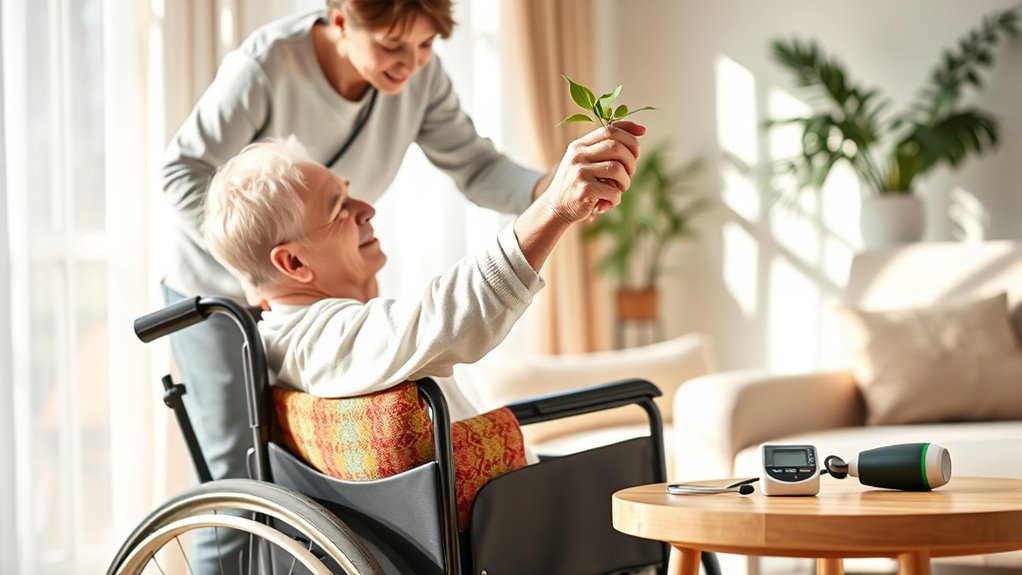
To prevent another stroke, you need to stay consistent with your medications and follow your healthcare provider’s instructions. Making healthy lifestyle changes, like eating well, exercising, and managing stress, can greatly lower your risk. Staying proactive in your medical care ensures you’re doing everything possible to protect your health and maintain your recovery. Utilizing modern toilet systems such as dual-flush toilets can help conserve water and reduce utility costs during your recovery period. Incorporating essential oils for health into your daily routine may also promote relaxation and overall well-being, supporting your recovery process. Regularly reviewing your medical records and appointments can help you stay organized and ensure you’re on track with your recovery goals. Additionally, understanding herbal teas for health benefits can offer natural support for relaxation and overall wellness during your recovery journey. Paying attention to vacuum features to consider can also help in maintaining a clean environment, which is beneficial for overall health.
Medication Adherence Strategies
Effective medication adherence is essential for managing stroke recovery and preventing recurrence. When your parent takes medications as prescribed, they reduce the risk of further strokes and improve their overall health. To support this, consider these strategies:
- Create a medication schedule—use pill organizers and set alarms to ensure doses aren’t missed.
- Maintain a medication list—keep an updated record of prescribed drugs, dosages, and pharmacy contacts for easy reference.
- Monitor for side effects—watch for adverse reactions and communicate with healthcare providers promptly to adjust treatments if necessary.
- Staying informed about AI-driven solutions in healthcare can also help you stay ahead of new treatments and management tools that may benefit your parent’s recovery process.
- Understanding the importance of contrast ratio in visual displays can help you better interpret medical imaging results and monitor progress during recovery. Additionally, utilizing medication management technology can further improve adherence by providing reminders and tracking doses.
- Regularly reviewing piercing care and hygiene guidelines can prevent infections and complications during recovery, especially if your parent has piercings or skin sensitivities.
Encourage your parent to ask questions during appointments and discuss any concerns about their medications. Staying organized and proactive makes adherence easier and helps protect their health long-term.
Lifestyle and Risk Management
Managing your loved one’s medical care and preventing stroke recurrence require consistent lifestyle adjustments and proactive health strategies. Focus on controlling blood pressure, managing diabetes, and maintaining a healthy weight through balanced diet and regular exercise. Encourage medication adherence and regular check-ups to monitor risk factors. Reduce salt intake, limit saturated fats, and increase fruits and vegetables to support vascular health. Avoid smoking and excessive alcohol consumption, which elevate stroke risk. Implement safety measures at home to prevent falls and injuries. Educate your parent on recognizing warning signs of another stroke. Support emotional well-being by addressing stress and mental health needs. Staying engaged with healthcare providers ensures timely adjustments to treatment plans, helping to minimize recurrence chances and promote long-term recovery. Additionally, understanding the role of AI Ethicist Jobs can inform future healthcare policies and ethical considerations in medical technology. Maintaining a healthy lifestyle is crucial for ongoing recovery and reducing the likelihood of future strokes.
Addressing Cognitive and Emotional Well-Being

You may notice emotional shifts or cognitive challenges after your stroke, and recognizing these changes is vital. Supporting cognitive exercises can help rebuild mental skills, while addressing emotional well-being helps you cope better. Taking proactive steps now can greatly improve your overall recovery and quality of life. Incorporating sleep hygiene practices can also enhance cognitive function and emotional resilience during recovery. Additionally, understanding the importance of inner wisdom can empower caregivers and patients to foster a more resilient mindset throughout the healing process. Cultivating mindfulness can further support emotional balance and mental clarity during this challenging journey.
Recognizing Emotional Changes
Recognizing emotional changes after a stroke is essential, as many survivors experience shifts in mood, motivation, and mental clarity that can affect their recovery. These changes might include sudden sadness, irritability, or feelings of frustration. Being aware helps you support your parent effectively.
Consider these key signs:
- Persistent feelings of depression or hopelessness that last beyond typical sadness.
- Increased irritability, anger, or emotional outbursts unrelated to the situation.
- Lack of motivation to participate in therapy or daily activities, despite initial interest.
Supporting Cognitive Exercises
Supporting cognitive exercises plays a essential role in stroke recovery by stimulating brain plasticity and enhancing mental function. You can help your parent by encouraging activities that challenge their memory, problem-solving, and attention skills. Simple tasks like puzzles, word games, or memory exercises keep the brain engaged and promote neural reorganization. Consistency is key; incorporate these activities into daily routines to maximize benefits. Be patient and adaptable, gradually increasing difficulty as your parent improves. Emotional support is equally important—celebrate small successes to boost confidence. Additionally, create a calm environment free of distractions to improve focus. Remember, cognitive exercises should complement physical therapy and emotional care, forming a holistic approach to your parent’s overall recovery and well-being.
Encouraging Independence in Daily Tasks

Encouraging independence in daily tasks is a vital component of stroke rehabilitation, as it helps patients regain confidence and improve their quality of life. You can support your parent by breaking tasks into manageable steps, allowing them to practice gradually and build skills. Focus on fostering motivation and patience, celebrating small successes to boost confidence. To enhance independence, consider these strategies:
Supporting independence through small steps boosts confidence and improves quality of life after stroke.
- Adapt tasks to their current abilities to prevent frustration and promote success.
- Use assistive devices or modifications that make tasks easier and safer.
- Establish routines that promote consistency and help your parent regain a sense of control.
Navigating Social Support and Community Resources
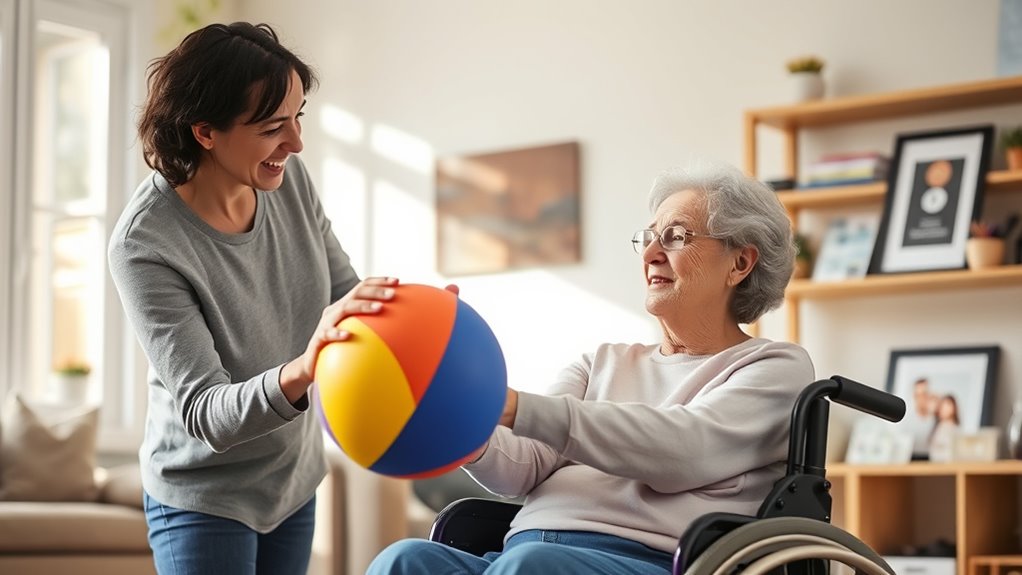
Exploring social support and community resources is essential for maximizing recovery and maintaining independence after a stroke. You can connect with local stroke support groups, which offer emotional encouragement and practical advice from others who understand your parent’s journey. Reach out to community agencies that provide transportation, home care services, or meal delivery programs designed for stroke survivors. Many hospitals and clinics offer rehabilitation programs or referrals to specialists who can support ongoing therapy needs. Additionally, consider consulting social workers or case managers to help you access financial assistance, adaptive equipment, or housing modifications. Building a strong network of professional and peer support ensures your parent stays engaged, motivated, and safe, ultimately fostering better long-term outcomes and quality of life.
Adapting Home for Mobility and Safety
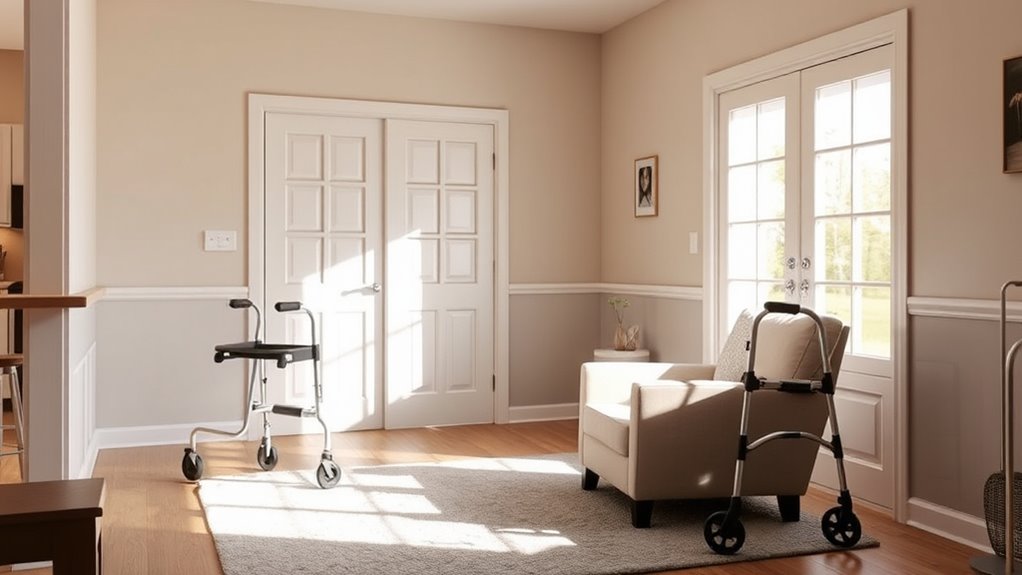
Adapting your home for mobility and safety is a crucial step in ensuring your loved one can move independently and reduce the risk of falls or injuries. Start by identifying hazards and making necessary modifications.
Making home modifications enhances safety and independence during recovery.
- Install grab bars and handrails in bathrooms, stairways, and hallways to provide support during movement.
- Remove clutter and ensure walkways are clear, well-lit, and free of tripping hazards.
- Use non-slip mats and rugs, and consider adding ramps or stair lifts for easier access to different levels.
These adjustments promote confidence and safety, helping your loved one navigate their environment more securely. Regularly reassess the space as recovery progresses, making modifications as needed to support ongoing mobility and safety.
Supporting Long-Term Health and Lifestyle Changes

Supporting long-term health and lifestyle changes after a stroke is essential for preventing recurrence and maintaining your loved one’s independence. You can help by encouraging consistent management of risk factors like hypertension, diabetes, and high cholesterol through medication adherence and healthy habits. Promote a balanced diet rich in fruits, vegetables, lean proteins, and whole grains, and support regular physical activity tailored to their abilities. Educate them about recognizing early signs of health issues and maintaining routine medical checkups. Emotional well-being matters too; foster social connections and provide psychological support to reduce depression and anxiety. Ensuring a safe, structured daily routine helps reinforce healthy behaviors. By actively supporting these changes, you empower your loved one to regain control over their health and enjoy a more independent, fulfilling life.
Communicating and Collaborating With Healthcare Providers

Effective communication and collaboration with healthcare providers are essential for optimizing stroke recovery. You need to actively share your parent’s progress, concerns, and goals to guarantee coordinated care. Clear dialogue helps tailor therapy plans and adjust medications as needed. To strengthen this partnership, consider these steps:
- Keep detailed records of your parent’s symptoms, therapy sessions, and medication schedules to inform discussions.
- Ask questions about prognosis, treatment options, and home care strategies to clarify your understanding.
- Maintain regular contact with the care team through appointments, phone calls, or emails to stay updated and address issues promptly.
Frequently Asked Questions
How Can I Tell if My Parent Is Ready to Return Home?
You’ll know your parent is ready to return home when they can safely perform daily activities like eating, dressing, and moving around with minimal assistance. They should have stable vital signs, no recent complications, and demonstrate good cognitive functioning. Make sure they can manage medication schedules and safety precautions, and that you have support systems in place. Consult their healthcare team to confirm if they’re medically and functionally prepared for the progression.
What Signs Indicate My Parent’s Recovery Is Plateauing?
You’ll know your parent’s recovery is plateauing when their progress in motor skills, speech, or daily activities slows markedly over several weeks. If they stop improving despite ongoing therapy or show little response to new interventions, it’s a sign of a plateau. Additionally, persistent fatigue, unchanged functional independence scores, or difficulty regaining previously lost abilities can indicate recovery has stabilized. Regular assessments help detect these signs early.
Are There Specific Activities to Boost My Parent’s Brain Recovery?
You can boost your parent’s brain recovery by introducing engaging activities that challenge their mind unexpectedly. Try puzzles, memory games, or learning a new skill like cooking or drawing—these stimulate neuroplasticity and keep their brain active. Vary the activities to maintain interest and encourage participation. Remember, active participation is key; it’s not just about activity but about meaningful engagement that sparks brain reorganization and accelerates recovery.
How Do I Manage Medication Side Effects at Home Effectively?
You should monitor your parent’s reactions to their medication closely, noting any side effects like dizziness, nausea, or fatigue. Communicate regularly with their healthcare provider to report these issues and adjust doses if necessary. Keep a detailed medication schedule and make certain they take medications as prescribed. Encourage a healthy lifestyle, proper hydration, and balanced nutrition to minimize side effects and support their overall recovery at home.
What Are the Best Ways to Support Emotional Health After Stroke?
You can support your parent’s emotional health by encouraging open communication about their feelings and listening without judgment. Help them participate in social activities and connect with support groups to reduce isolation. Make sure they have access to counseling if needed and promote activities they enjoy to boost their mood. Providing reassurance, patience, and understanding fosters a positive environment that promotes emotional resilience and recovery at home.
Conclusion
Did you know that nearly 80% of stroke survivors experience some level of recovery within the first three months? By creating a supportive home, staying engaged in rehab, and managing health proactively, you can help your parent thrive after their stroke. Your involvement makes a huge difference in their journey to regain independence and quality of life. Keep learning, stay patient, and celebrate every small victory along the way.