
TL;DR

Turn quiet afternoons into listening time
- Thousands of audiobooks, podcasts and originals
- Listen on your phone, tablet or Echo — also offline
- Cancel anytime
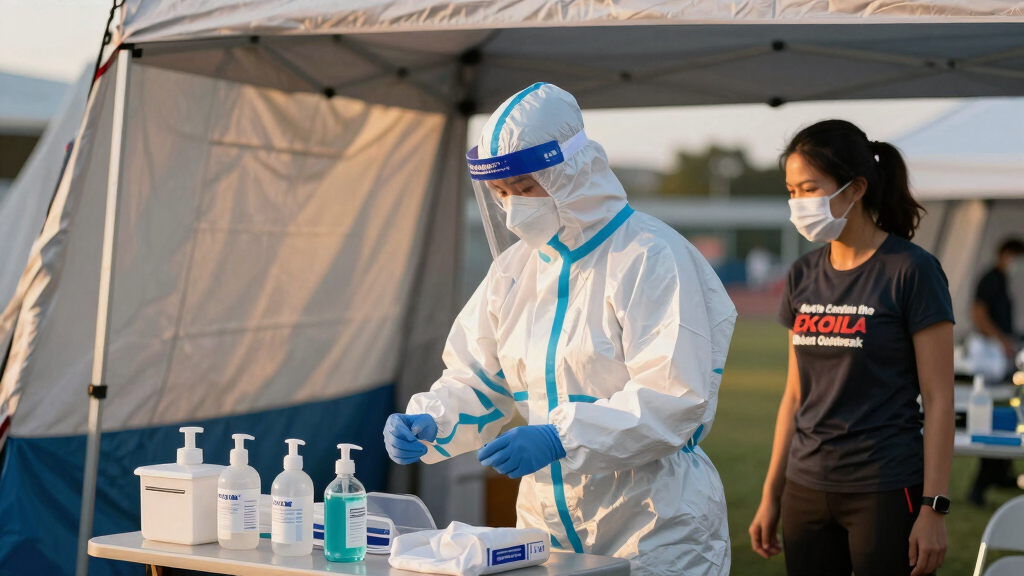
The Ebola outbreak in the Democratic Republic of the Congo and Uganda has surpassed 600 suspected cases and 139 deaths. Response efforts are hampered by delayed detection and limited resources, raising concerns about containment.
The Ebola outbreak in Central Africa has surged to over 600 suspected cases and 139 deaths, prompting the World Health Organization to declare a public-health emergency of international concern on May 17. The rapid escalation underscores the urgent need for containment measures amid limited resources and delayed detection.
According to the World Health Organization (WHO), the outbreak began at least six weeks before official confirmation, with cases reported in multiple urban centers within the Democratic Republic of the Congo (DRC) and Uganda. As of May 18, the WHO confirmed over 600 suspected Ebola cases and 139 deaths. The outbreak’s scale is unprecedented, with health officials acknowledging that they do not yet know the exact origin or full extent of its spread.
The delay in detection is partly attributed to the dismantling of U.S. global health infrastructure, including the CDC and USAID, under recent policy shifts. Hantavirus Outbreak Is Resurrecting Covid-Era Misinformation Tactics The CDC reports that it was only alerted to the outbreak on May 14, despite evidence suggesting the virus had been circulating for weeks. The WHO was notified early this month, but the initial response was hampered by limited surveillance and testing capabilities, particularly concerning the Bundibugyo strain, which current rapid tests often miss. There are no approved vaccines or treatments specifically for this strain, complicating containment efforts.
Historically, the 2014 Ebola outbreak in West Africa, which resulted in over 28,000 infections and 11,308 deaths, demonstrated the importance of early detection and swift response. The current situation echoes those challenges, with health officials warning that the outbreak could worsen without immediate intervention. The porous borders in the region further increase the risk of cross-border spread, especially to neighboring countries like Rwanda, South Sudan, and Uganda, where crossings are frequent and often unregulated.
Why It Matters
This outbreak highlights the importance of maintaining robust global health security infrastructure. Delays in detection and response can increase the risk of further spread, potentially affecting the region and beyond. For the United States and other nations, it underscores vulnerabilities related to disease surveillance and preparedness. The situation emphasizes the need for timely deployment of containment measures, including contact tracing, quarantine protocols, and community engagement, to prevent larger outbreaks.
As an affiliate, we earn on qualifying purchases.
Background
The current Ebola outbreak reflects patterns observed in previous crises, such as the 2014 West Africa epidemic, which was impacted by delayed recognition and response limitations. Since then, investments in global health security have been reduced, affecting the capacity for rapid detection and response. The emergence of the virus in a region with porous borders and limited healthcare infrastructure presents additional challenges. The circulating strain, Bundibugyo, is less well-characterized and more difficult to detect with standard rapid tests, complicating containment efforts. For more on containment strategies, see How to Contain the Ebola Outbreak. Early detection remains a key factor in controlling Ebola outbreaks, but recent policy changes have affected the ability to identify and respond to new cases promptly. Learn more about containment at How to Contain the Ebola Outbreak.
“We do not yet know exactly when the outbreak started or how far it has spread, which complicates containment efforts.”
— WHO representative
“We were only alerted to this outbreak on May 14, which is well after the virus had been circulating for weeks.”
— CDC official
personal protective equipment for Ebola
As an affiliate, we earn on qualifying purchases.
As an affiliate, we earn on qualifying purchases.
What Remains Unclear
It remains unclear exactly when the outbreak began, how many cases are truly confirmed versus suspected, and how far the virus has spread beyond reported cases. The effectiveness of containment measures and the potential for international spread are also still uncertain as investigations continue.
disposable protective suits for infectious diseases
As an affiliate, we earn on qualifying purchases.
As an affiliate, we earn on qualifying purchases.
What’s Next
Health authorities plan to deploy additional testing and contact tracing teams, enhance border monitoring, and accelerate the development and deployment of targeted vaccines and treatments. The WHO and regional governments are coordinating emergency response efforts, with further updates expected as more data becomes available. International support and funding are likely to increase to aid containment.
hand sanitizer for outbreak prevention
As an affiliate, we earn on qualifying purchases.
As an affiliate, we earn on qualifying purchases.
Key Questions
What are the main challenges in containing this Ebola outbreak?
The main challenges include delayed detection, limited testing capabilities for certain strains, porous borders facilitating cross-border spread, and the absence of specific vaccines or treatments for the circulating strain.
How does this outbreak compare to the 2014 Ebola crisis?
While the 2014 outbreak was the deadliest, the current outbreak is progressing rapidly and could potentially reach a similar scale if containment measures are not effectively implemented. Challenges related to detection and response are common to both situations.
What measures are being taken to contain the outbreak?
Authorities are implementing contact tracing, quarantine protocols, border monitoring, and community engagement. Efforts are also underway to develop and distribute targeted vaccines and therapeutics.
What is the role of international organizations in this response?
The WHO is coordinating the emergency response, while the CDC and other agencies support testing, contact tracing, and treatment efforts. International funding and technical assistance are key components of the ongoing response.
Source: The Atlantic
Cold & flu season Picks
humidifiers
As an affiliate, we earn on qualifying purchases.