
TL;DR

Turn quiet afternoons into listening time
- Thousands of audiobooks, podcasts and originals
- Listen on your phone, tablet or Echo — also offline
- Cancel anytime
A Sixty and Me report says many people return to low-impact activities after hip or knee replacement, but recovery and timing vary. It recommends gradual increases in activity, continued strengthening and consulting the surgeon before returning to higher-impact sports.
A Sixty and Me report describes how people can build activity back up after hip or knee replacement, from assisted walking soon after surgery to low-impact exercise later in recovery. It says timing should be guided by healing and advice from the surgeon or physical therapist, while the effects of high-impact sports on implant life remain uncertain.
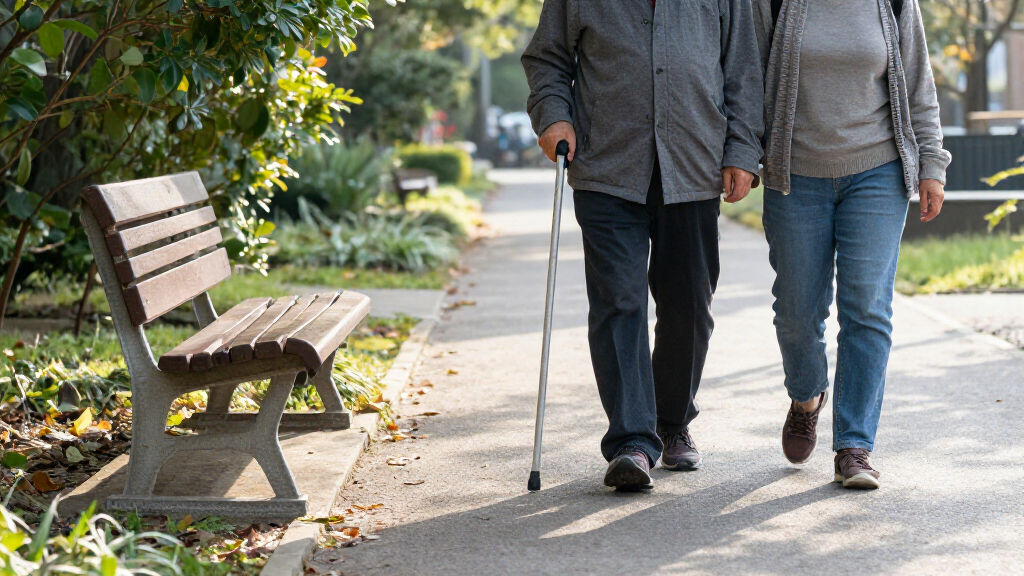
In the report’s account, many patients stand and take their first steps on the day of surgery, with assistance and a walker or cane. The aid helps reduce fall risk while strength and balance recover; the surgeon or physical therapist advises when it can be set aside. Regular walking is part of early rehabilitation, with distance or duration increased gradually.
For knee replacement, the report says much of the ability to bend and straighten the knee returns within about six weeks. It recommends doing prescribed exercises daily during that period, even when the knee feels stiff. Swimming can generally resume once the surgeon confirms the incision has healed. The report puts the return to most other activities at around three months, subject to the surgeon’s clearance; it also cautions that progress may vary from week to week.
After recovery, activities described as lower impact include walking, hiking, swimming and cycling, as well as golf and doubles tennis. Kneeling is not thought to damage a knee replacement, according to the report, but can be uncomfortable at first; a cushion or folded towel may make it easier. Running, singles tennis and pickleball are higher-impact activities for which the report says surgeons do not have a definitive answer on whether participation shortens implant life.
Building Activity Without Rushing Recovery
The guidance matters to people deciding what daily life may look like after surgery, including whether they can return to recreation that joint pain had limited. It presents recovery as a gradual process, rather than a fixed date when everyone can resume the same activities. That distinction can help set expectations, but the report is not a personalized rehabilitation plan.
Continuing strengthening exercises after formal physical therapy ends is another emphasis. The report says muscles around a new hip or knee may continue gaining strength for a year or more. It advises adding time or distance in small increments and paying attention to symptoms the next day: new pain or swelling is a reason to ease back temporarily. It also says short, regular activity sessions can contribute to a sustainable routine.
The report notes that the opposite hip or knee and the lower back can take on more load before surgery and during recovery. New aches in those areas should be discussed with a surgeon or physical therapist. This is practical monitoring guidance, not a claim that every ache signals a complication.
Products Worth Considering

Bowflex SelectTech 840 Adjustable Kettlebell

Garmin Venu 3S GPS Smartwatch with AMOLED Display, Soft Gold and French Gray Silicone Band

Garmin Forerunner 255 GPS Running Smartwatch – 46 mm, Slate Gray
As an affiliate, we earn on qualifying purchases.
Recovery Timelines and Activity Choices
The source is a general-interest report from Sixty and Me, not a newly announced medical guideline or a study comparing outcomes. It describes broad recovery milestones and directs readers toward separate week-by-week guides for hip and knee replacement recovery. The supplied material does not identify the author’s medical credentials or cite clinical research supporting each recommendation.
Its central distinction is between activities that place less force through the joint and sports involving repeated impact. The report lists several lower-impact options that many people may return to after recovery, while advising patients to discuss a particular higher-impact sport with their surgeon before trying it. Individual clearance and timing remain tied to healing and clinical advice.
““Progress over the first three months is not always even; some weeks may feel faster than others.””
— Sixty and Me report
Implant Wear and Individual Recovery
The source does not provide a study, data or a formal guideline establishing how high-impact exercise affects implant lifespan. It describes the issue as unsettled among surgeons and recommends discussing the specific sport with the treating surgeon. It also gives approximate timelines rather than a schedule that applies to every patient.
The supplied material does not state how recommendations differ by implant type, surgical technique, complications or a person’s other health conditions. It offers no individual assessment and does not establish that a particular activity is safe for every patient. Readers should follow their own care team’s instructions, especially about incision healing, walking aids and exercise progression.
Follow-Up Before Returning to Sport
The report sets out no upcoming policy decision, research release or formal next milestone. For an individual recovering from surgery, the next steps it describes are to continue prescribed exercises, increase activity in small increments and seek the surgeon’s clearance before resuming activities that require it. Swimming should wait until the incision is confirmed healed.
People considering a higher-impact sport should ask their surgeon about that activity specifically rather than relying on a general timeline. If new swelling or pain appears after an increase in activity, the report advises easing back; new aches in the other joint or lower back should be raised with a surgeon or physical therapist.
Key Questions
When can someone walk after a hip or knee replacement?
The report says many patients take assisted first steps on the day of surgery, using a walker or cane at first. The care team advises when the aid is no longer needed, and walking should increase gradually.
When can swimming resume?
According to the report, swimming can generally begin once the surgeon confirms the incision has fully healed. Patients should follow their own surgeon’s instructions.
Which activities may be possible after recovery?
The report lists walking, hiking, swimming, cycling, golf and doubles tennis as lower-impact activities many people return to after recovery. Individual ability and timing vary.
Are running and pickleball safe after replacement surgery?
The report says the effect of higher-impact activities such as running and pickleball on implant lifespan is not definitively established. It recommends discussing the specific sport with the surgeon before returning to it.
What should someone do if activity causes new pain or swelling?
The report advises easing back for a while if new pain or swelling appears the following morning after increasing activity. New aches in the other hip or knee, or in the lower back, should be mentioned to a surgeon or physical therapist.
Source: sixtyandme.com