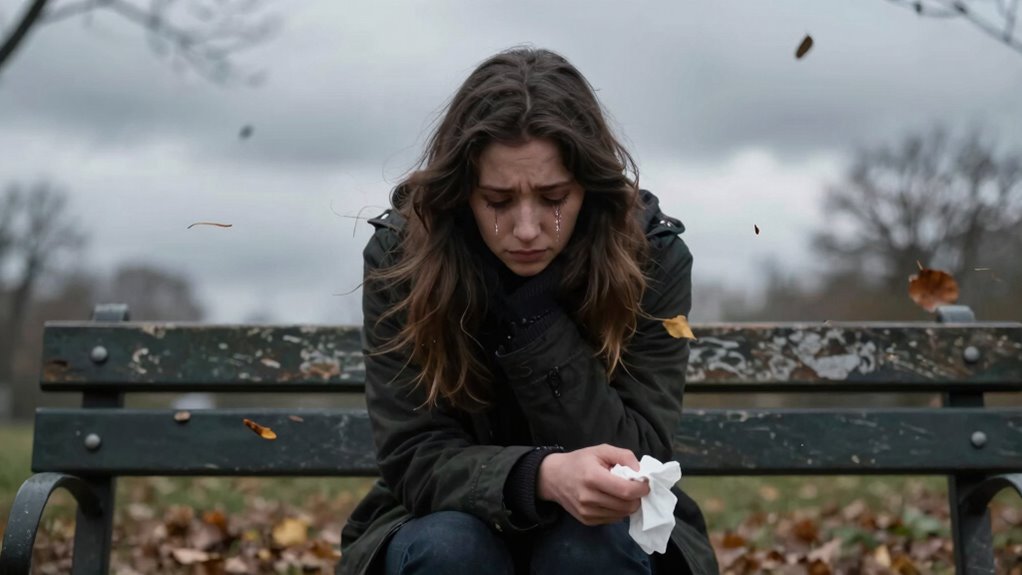

Your emotional recovery needs time because healing is a gradual journey, not a quick fix. It requires patience, self-compassion, and understanding that progress often happens in small, meaningful steps. Rushing can cause setbacks and more emotional pain, so it’s important to embrace the process. Remember, healing isn’t linear—some days will be better than others. If you keep going, you’ll discover the ways to support your growth and find greater resilience over time.
Key Takeaways
- Emotional healing is a gradual process that requires patience and cannot be rushed for effective recovery.
- Fully processing trauma involves experiencing and understanding emotions over time, which can feel overwhelming initially.
- Progress in emotional recovery is non-linear, with small victories building resilience, making time essential.
- Rushing recovery can cause setbacks; consistent effort and patience support sustainable healing.
- Recognizing that healing is a journey fosters self-compassion and realistic expectations, emphasizing the importance of time.

Recovering emotionally from a difficult experience isn’t something that happens overnight. It’s a gradual process that requires patience and understanding. When you face a trauma, your mind and body need time to process what happened, and rushing through these stages can do more harm than good. Trauma processing involves allowing yourself to fully experience and understand your emotions, which can feel overwhelming at first. That’s why it’s essential to give yourself space and time to work through your feelings without judgment.
Healing takes time—trust your process, be patient, and allow yourself space to fully experience your emotions.
During this period, you’ll discover that developing effective coping strategies is essential. These strategies can help you navigate intense emotions, reduce stress, and rebuild a sense of safety. You might find comfort in activities like journaling, meditation, or talking with trusted friends or a therapist. These tools don’t erase the pain overnight, but they empower you to face each day with a little more resilience. Incorporating landscaping or creating a calming outdoor space can also serve as a therapeutic environment to support emotional healing. Remember, coping strategies are personal; what works for someone else might not work for you, so it’s important to explore and adapt until you find what best supports your emotional needs.
It’s important to accept that healing isn’t linear. Some days will feel better, and others might seem worse. That’s normal. Your brain and body are adjusting at their own pace, and pushing yourself to “get over it” can hinder progress. Instead, honor your process by acknowledging small victories along the way. For example, if you’re able to talk about your experience without feeling overwhelmed, that’s a significant step. If you can sit with your feelings without avoiding them, that’s progress. These small moments accumulate, gradually helping you rebuild your emotional strength. Recognizing the emotional recovery process as a journey rather than a destination can help foster patience and compassion for yourself.
It’s also essential to be patient with yourself. Healing takes time, and there’s no set timetable. You might feel guilty for not bouncing back quickly, but that’s a myth. Your emotional recovery is unique, and rushing it can lead to setbacks. Trust that with consistent effort and support, you’ll gradually regain a sense of stability. Focus on self-care, seek professional help if needed, and remember that your feelings are valid. Additionally, understanding the importance of emotional recovery time can help set realistic expectations for your healing journey. Recognizing that healing involves time and patience can make the process feel more manageable and less frustrating. Sometimes, simply acknowledging the healing process as a gradual development can help reduce feelings of frustration and impatience.
journaling for emotional healing
As an affiliate, we earn on qualifying purchases.
As an affiliate, we earn on qualifying purchases.
Frequently Asked Questions
How Long Does Emotional Recovery Typically Take?
Emotional recovery varies depending on the individual and situation, but it generally takes weeks or even months. During this time, you should focus on coping strategies like mindfulness, journaling, or seeking support. Resilience building is key—by developing inner strength, you’ll process emotions more effectively and speed up healing. Remember, patience is essential; giving yourself time allows emotional recovery to unfold naturally and healthily.
Can Immediate Healing Occur After Trauma?
Immediate healing after trauma is rare, but you can boost your emotional resilience right away. While full recovery takes time, using effective coping strategies helps you manage pain and start healing sooner. Be patient with yourself, acknowledge your feelings, and seek support when needed. Remember, emotional recovery isn’t instant—trust the process and give yourself grace as you work through your trauma.
Is Emotional Recovery the Same for Everyone?
Emotional recovery isn’t the same for everyone because cultural differences influence how you process and express your feelings. Your personal resilience also plays a key role; it determines how quickly and effectively you bounce back from trauma. Some people may need more time, while others recover faster, depending on these factors. Recognizing your unique journey helps you be patient and compassionate with yourself during the healing process.
What Are Signs of Incomplete Emotional Healing?
You’re not out of the woods if you still experience trauma triggers or struggle with emotional resilience. Signs of incomplete emotional healing include sudden mood swings, avoidance of certain situations, or feelings of numbness. If you find yourself repeatedly reacting strongly or unable to move forward, it indicates you’re still on the journey. Healing takes time, so don’t rush it—trust that with patience, you’ll regain your emotional strength.
How Can Support Speed up Emotional Recovery?
You can speed up emotional recovery by actively engaging with therapy techniques like mindfulness and cognitive behavioral strategies. Surround yourself with strong support networks—friends, family, or support groups—who listen and validate your feelings. These elements foster a safe space for healing, help process emotions faster, and build resilience. Remember, consistent effort and patience are key, so don’t rush the process, even when support accelerates your progress.
As an affiliate, we earn on qualifying purchases.
Conclusion
Remember, healing your heart isn’t a race—it’s a journey so grand it can change the course of your entire life. Don’t rush the process or beat yourself up for needing time; even the strongest storms take days to clear. Trust that each moment of patience and self-compassion is building a fortress of resilience around you. So, give yourself the grace to heal at your own pace—because, in the end, your emotional recovery is worth more than any sprint.
therapist recommended self-care tools
As an affiliate, we earn on qualifying purchases.
As an affiliate, we earn on qualifying purchases.
As an affiliate, we earn on qualifying purchases.