

When checking your skin after a bath, look for any new or unusual spots, rashes, or changes in color or texture that didn’t appear before. Keep an eye out for redness, swelling, bumps, or dryness that could signal irritation or allergic reactions. Notice any persistent itching or discomfort. Paying attention to these signs helps catch problems early. If you stay alert to these details, you’ll discover simple ways to keep your skin healthy and comfortable for longer.
Key Takeaways
- Look for new or unusual spots, discoloration, or marks that don’t fade.
- Check for redness, swelling, or irritation indicating rash development.
- Feel for excessive dryness, itching, or unusual sensations.
- Inspect common trouble areas prone to dryness or irritation.
- Monitor for persistent or worsening symptoms and seek medical advice if needed.
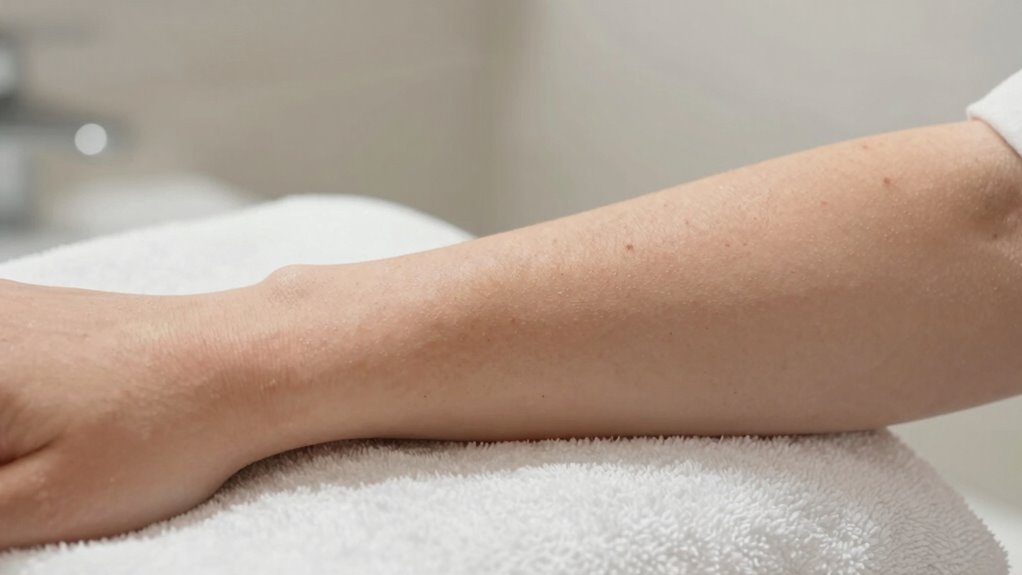
After bathing, taking a few moments to check your skin can help you catch potential issues early. When you inspect your body, pay attention to any new or unusual spots, rashes, or changes in texture. Early detection is key to managing skin problems before they worsen. Look for signs of rash prevention, such as redness, swelling, or irritation that wasn’t there before. Some rashes develop quickly, so noticing them early allows you to take prompt action, whether that’s applying a soothing treatment or consulting a healthcare professional.
While examining your skin, also consider how your skin feels. Is it excessively dry, itchy, or inflamed? These sensations can indicate underlying issues that need addressing. After your check, make sure to follow up with proper moisturizer application. Well-moisturized skin is less prone to rashes and irritation, so keeping your skin hydrated is a simple but effective way to prevent future problems. Use a gentle, fragrance-free moisturizer that suits your skin type, and apply it evenly over your body, especially on areas prone to dryness or irritation.
During your skin check, keep an eye out for any signs of rash development, such as small bumps, redness, or blistering. Some rashes may appear suddenly, while others develop gradually. If you notice persistent or worsening symptoms, don’t hesitate to seek advice from a healthcare professional. Early intervention can prevent rashes from spreading or becoming more uncomfortable. Also, check for any discoloration or unusual marks that don’t fade or change over time. These could be early signs of skin conditions that require medical attention.
It’s important to be thorough without overdoing it. You don’t need to scrutinize every square inch, but paying close attention to key areas — especially those that tend to be more sensitive or prone to irritation — can make a difference. Regular skin checks after bathing help you become familiar with your skin’s normal appearance, making it easier to spot anything unusual. Incorporating knowledge about skin health and proper skin care routines can improve your ability to maintain healthy skin. Additionally, understanding natural skin repair processes can help you adopt practices that support healing and regeneration. Staying vigilant and caring for your skin proactively can save you discomfort and health issues down the line. Remember that early detection plays a vital role in effective skin care management.
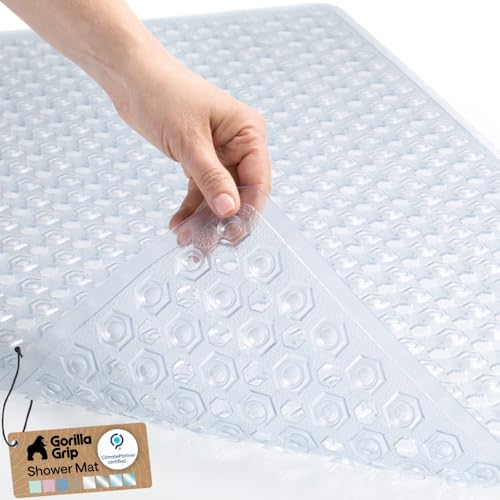
GORILLA GRIP Patented Bath Tub Shower Mat, Machine Washable Bathtub Floor Liner Mats, Suction Cups and Drain Holes to Keep Tubs Clean, Soft on Feet, Bathroom Essentials, 35x16 Inch, Clear
- Patented Design with Suction Cups: Securely stays in place with powerful suction
- Easy Water Drainage: Drain holes prevent water pooling
- BPA-Free and Textured: Soft, pebble-textured surface for comfort
As an affiliate, we earn on qualifying purchases.
Frequently Asked Questions
How Often Should I Perform Skin Checks After Bathing?
You should perform skin checks daily after bathing, especially if you have skin conditions or are prone to irritations. Keep your skin hydrated by inspecting for dryness, redness, or unusual spots that might indicate a problem. Adjust your bathing frequency to prevent dryness—bathing too often can strip natural oils, so find a balance that maintains skin hydration. Regular checks help catch issues early and keep your skin healthy.
What Signs Indicate a Skin Abnormality Needing Medical Attention?
Think of your skin as a map, revealing signs that need attention. If you notice new or changing moles, persistent redness, or sores that won’t heal, these are red flags. Also, watch for unusual bumps, peeling, or discoloration. Protect your skin from sun damage and keep it hydrated, as these habits help prevent issues. If you see any of these signs, consult a healthcare professional promptly to stay ahead of potential problems.
Can Skin Checks Prevent Skin Cancer?
Skin checks alone can’t prevent skin cancer, but they’re essential for early detection. By regularly inspecting your skin, you catch abnormal moles or spots early, increasing treatment success. Combine skin checks with sun protection—like using sunscreen and avoiding peak sun hours—to reduce your risk. Preventing skin aging through hydration and moisturization also helps maintain healthy skin, making it easier to spot changes. Stay vigilant and proactive for healthier skin long-term.
Are There Specific Tools Recommended for Thorough Skin Inspections?
You should use specific tools for thorough skin inspections, like a dermatoscope and UV flashlight. A dermatoscope helps you examine moles and skin irregularities closely, revealing features not visible to the naked eye. UV flashlight tools can highlight unusual pigmentation or skin changes under ultraviolet light. Incorporating these tools into your routine makes skin checks more effective, helping you spot potential issues early and seek medical advice promptly.
Should I Perform Skin Checks on Children or Only Adults?
You should perform skin checks on children too, as part of your routine to guarantee their safety and pediatric skin health. Think of it as your child’s skin being a delicate garden that needs regular tending. By checking their skin after bathing, you can spot any unusual changes or signs of trouble early. This proactive approach helps protect their well-being and supports their overall health, making sure their skin stays healthy and happy.

TEESHLY Bath Tub and Shower Mats, Non Slip 40 x 16 Inch Extra Large Bathtub Mat, Machine Washable Bathmat with Drain Holes, Suction Cups for Bathroom Floor, Gray
- Large Non-Slip Bath Mat: 40 x 16 inches with 362 suction cups
- Massage-Style Pebbled Design: Irregular textured surface for friction
- Optimized Drainage Holes: 327 large holes for water flow
As an affiliate, we earn on qualifying purchases.
Conclusion
After bathing, take a moment to carefully check your skin—look for new or changing moles, spots, or bumps. Feel for any unusual textures or tenderness. Notice any redness, dryness, or irritation. By staying vigilant, you protect your health, catch problems early, and embrace your well-being. Skin checks aren’t just routines; they’re acts of self-care, awareness, and love. Keep watching, keep caring, and keep yourself safe every day.

homerella Bathtub Mat Non Slip 35x16 Shower Mat Non Slip Anti Mold BPA Free
- Non-Slip Design: 250+ anti-slip suction cups for secure grip
- Mold & Mildew Resistant: Machine washable with optimal water drainage
- Skin-Friendly Material: Odorless, BPA-free, eco-friendly vinyl
As an affiliate, we earn on qualifying purchases.

MCombo Power Lift Recliner Chair for Elderly, Fabric 7287 (Brown, Medium)
- Power Lift Assistance: Assists seniors to stand easily
- Reclining Angle: Adjusts up to 140 degrees
- Extended Footrest: 4.7-inch extension for full stretch
As an affiliate, we earn on qualifying purchases.