TL;DR
Two UK advocacy groups are warning they will sue the government if it does not revoke key regulations linked to a recent US trade deal. The dispute centers on provisions allowing external influence over medicine cost assessments, raising concerns about industry influence and policy transparency.
Two UK advocacy groups have announced plans to take legal action against the government if it does not revoke specific regulations embedded in a recent trade agreement with the United States. The groups argue that these provisions could enable external influence over decisions regarding the cost-effectiveness of medicines, potentially impacting drug pricing and healthcare policy transparency. The threat underscores ongoing tensions over the agreement’s implications for public health and industry regulation.
The trade deal, finalized last month, includes a commitment from the US to impose zero tariffs on medicines exported from the UK for at least three years, making the UK the only country with tariff-free access to the US market for pharmaceuticals. In exchange, the UK government pledged to increase public spending on medicines from 0.3% to 0.35% of GDP by 2028, and then to 0.6% by 2035. Additionally, the UK’s National Health Service (NHS) will raise medicine prices by 25% and reduce the maximum rebate it can recover from drugmakers to 15%, as part of broader economic adjustments linked to the deal.
The advocacy groups, whose identities have not been disclosed in detail, contend that certain regulations within the agreement could open the door for outside influence—potentially from industry stakeholders—over the UK’s health technology assessments and pricing decisions. They argue that this could undermine the UK’s ability to make independent, evidence-based decisions on drug reimbursement and affordability.
Why It Matters
This development matters because it highlights ongoing concerns about the influence of the pharmaceutical industry on healthcare policy, especially in the context of international trade agreements. If the advocacy groups succeed in their legal challenge, it could lead to significant changes in UK regulations governing drug pricing and assessments. The dispute also raises questions about the balance between trade benefits and public health sovereignty, with potential implications for other countries negotiating similar deals.

Taber's Cyclopedic Medical Dictionary, 21st Edition (Thumb Index Version)
As an affiliate, we earn on qualifying purchases.
As an affiliate, we earn on qualifying purchases.
Background
The trade agreement, part of broader post-Brexit economic arrangements, was seen as a major step in strengthening UK-US pharmaceutical trade relations. The deal’s provisions on tariffs and pricing were designed to benefit industry and government budgets but have sparked criticism from public health advocates. Previous negotiations have involved contentious debates over transparency, industry influence, and regulatory independence, which continue to influence the current dispute.
“If the government refuses to revoke these regulations, we are prepared to challenge them in court to protect the integrity of our healthcare system.”
— UK advocacy group spokesperson
“The regulations are designed to ensure fair pricing and support the UK’s healthcare sustainability while maintaining strong trade relations.”
— UK government official

Risk Assessment: Tools, Techniques, and Their Applications
As an affiliate, we earn on qualifying purchases.
As an affiliate, we earn on qualifying purchases.
What Remains Unclear
It is not yet clear whether the UK government will agree to revoke the regulations or face the legal challenge. Details about the specific legal grounds and the potential outcomes of such a case remain uncertain, as does the exact nature of the influence the advocacy groups allege.

Prime Screen Urine Drug Test Compact Cup 16 Panel Kit (AMP,BAR,BUP,BZO,COC,mAMP,MDMA,MOP/OPI,MTD,OXY,PCP,THC, ETG, FTY, TRA, K2) -CDOA-9165EFTK (5)
CREDIBLE: Same technology used as Lab screening test.
As an affiliate, we earn on qualifying purchases.
As an affiliate, we earn on qualifying purchases.
What’s Next
The advocacy groups are expected to file formal legal challenges if the government does not act. The case could lead to court rulings that may require amendments to the regulations or even renegotiation of parts of the trade agreement. Meanwhile, negotiations or political debates within the UK government are likely to continue as the dispute unfolds.
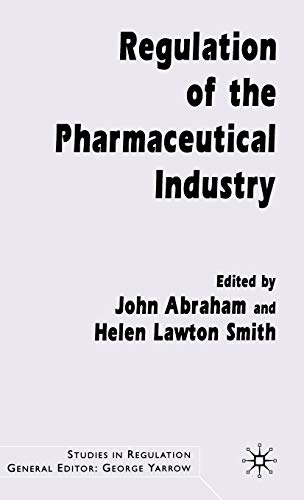
Regulation of the Pharmaceutical Industry (Studies in Regulation)
As an affiliate, we earn on qualifying purchases.
As an affiliate, we earn on qualifying purchases.
Key Questions
What specific regulations are under threat in the UK-US trade deal?
The groups are challenging regulations related to the influence of external stakeholders on the UK’s decisions about the cost-effectiveness of medicines, which they claim could allow undue industry influence.
Why are these regulations controversial?
Critics argue that they may undermine the UK’s ability to independently assess drug value and set prices, potentially favoring industry interests over public health priorities.
What are the potential consequences if the groups succeed in their legal challenge?
The regulations could be revoked or amended, possibly affecting UK trade and pharmaceutical policy, and setting a precedent for future trade negotiations involving health policy.
How does this dispute impact UK-US relations?
The conflict highlights tensions between economic/trade interests and health policy sovereignty, which could influence future negotiations and diplomatic relations.
When will a resolution be expected?
It is unclear; legal proceedings and political negotiations are ongoing, and outcomes will depend on court rulings and government decisions in the coming months.