
To spark joy for seniors with dementia, you can engage them in activities like personalized puzzles, music they love, or gentle group exercises that promote social connection. Creative arts such as painting or crafts allow emotional expression, while sensory experiences like soft fabrics or calming sounds soothe and stimulate. Incorporating familiar routines and objects helps build comfort and confidence. Keep exploring these ideas to discover how each activity can bring more happiness and engagement into their daily life.
Key Takeaways
- Incorporate personalized activities like photo reminiscing and hobbies to stimulate memory and evoke positive emotions.
- Use creative arts and sensory experiences, such as music and tactile crafts, to promote emotional well-being and engagement.
- Facilitate social group activities like singing, storytelling, and shared projects to foster connection and joy.
- Implement gentle physical exercises and movement-based activities to improve mobility, mood, and overall health.
- Create a safe, familiar environment with clear cues and calming elements to support participation and reduce stress.

Skechers Women's Hands Free Slip-Ins Go Walk Flex-Relish Sneaker, Black/Black, 9.5 Wide
EFFORTLESS SLIP-ON DESIGN: These slip on shoes for women feature a convenient laceless design with breathable athletic mesh...
As an affiliate, we earn on qualifying purchases.
Cognitive Stimulation to Keep the Mind Active
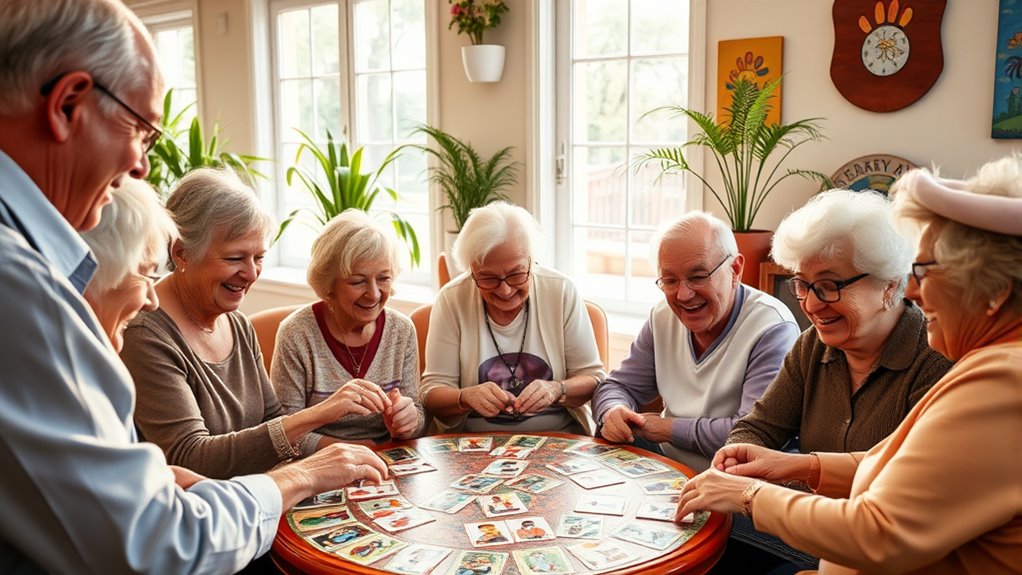
Engaging in cognitive stimulation activities is essential for maintaining mental sharpness in seniors with dementia. These activities challenge your mind, helping to preserve cognitive functions like memory, reasoning, and problem-solving. Playing games such as chess or cards not only sparks mental activity but also fosters social interaction. Crossword puzzles and brain teasers keep your brain engaged, slowing cognitive decline. Learning new skills, like using a computer or journaling, lowers dementia risk by keeping your mind active and adaptable. Structured learning or educational classes provide a sense of purpose while exercising your mental faculties. Montessori-based activities are particularly effective, offering engaging tasks that promote constructive participation. Incorporating natural environments into daily routines can enhance engagement and overall well-being. Additionally, incorporating intergenerational activities can provide meaningful social connections that boost cognitive health. Emphasizing attention to detail during activities can further improve focus and cognitive resilience. Maintaining a routine that includes privacy and safety considerations ensures a secure environment conducive to positive engagement.

Hike Footwear HF Stride – Hands-Off & Ergonomic Barefoot Shoes, Thin Sole & Ultra-Light, Effortless Wear Unisex Dark Gray
🔹 Size Recommendation: For optimal comfort and fit, we recommend ordering one size larger than your usual size,...
As an affiliate, we earn on qualifying purchases.
Creative Arts to Boost Emotional Well-Being
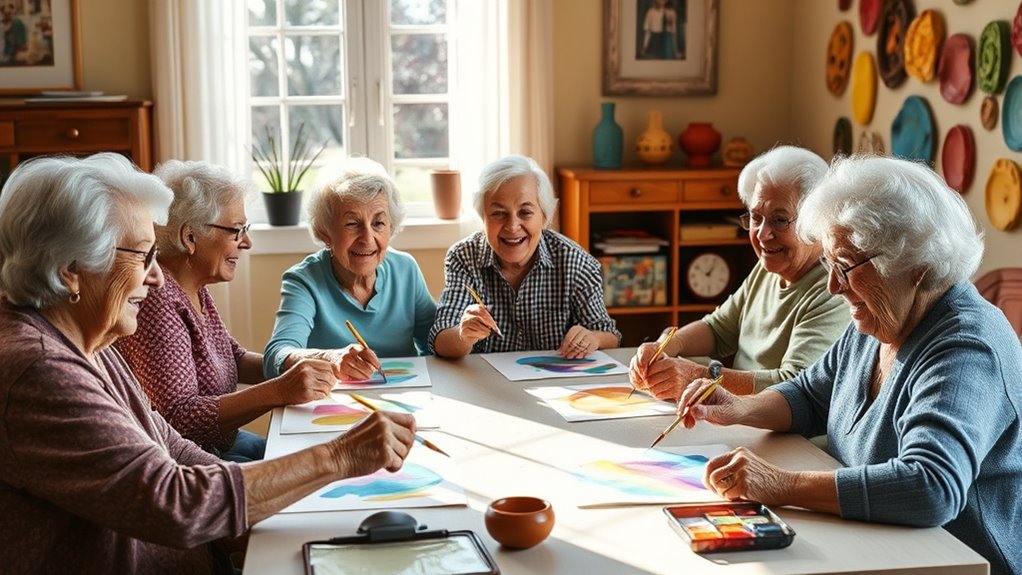
Creative arts activities offer a powerful way to enhance emotional well-being in seniors with dementia. Engaging in painting, drawing, or crafts allows you to express feelings and memories that words might struggle to capture. These activities foster a sense of accomplishment and boost self-esteem, reducing feelings of frustration or confusion. Knitting or crocheting provides repetitive, calming motions that can soothe anxiety and agitation. Arts and crafts also help manage symptoms like depression by bringing joy and focus to each moment. Personalizing projects around favorite colors or themes makes the experience more meaningful. Incorporating easy document management strategies can help seniors and caregivers organize their creative supplies and memories efficiently. Implementing organized records can further support emotional stability by ensuring that cherished artworks and memories are preserved and easily accessible. Additionally, understanding the contrast ratio of art supplies and displays can improve how visual arts are perceived, making the creative process more engaging. Using visual aids during activities can help seniors better understand instructions and stay engaged, enhancing their sense of competence. Recognizing the importance of durability in art supplies ensures that materials remain safe and functional over time. As you participate, you’ll notice improvements in mood and emotional resilience, helping seniors feel more connected, valued, and happy. Creative arts truly nurture the heart and soul.

Scurtain Mens Walking Shoes Wide Width Diabetic Shoes for Men Elderly Seniors Adjustable Swollen Feet Neuropathy Orthopedic Edema Shoes Breathable Barefoot Zero Drop Sneakers Size 10 Black
〓 Comfy wide width Shoes: Designed with upgraded wide toe box, these barefoot-inspired shoes keep your toes in...
As an affiliate, we earn on qualifying purchases.
Sensory Experiences That Engage the Senses
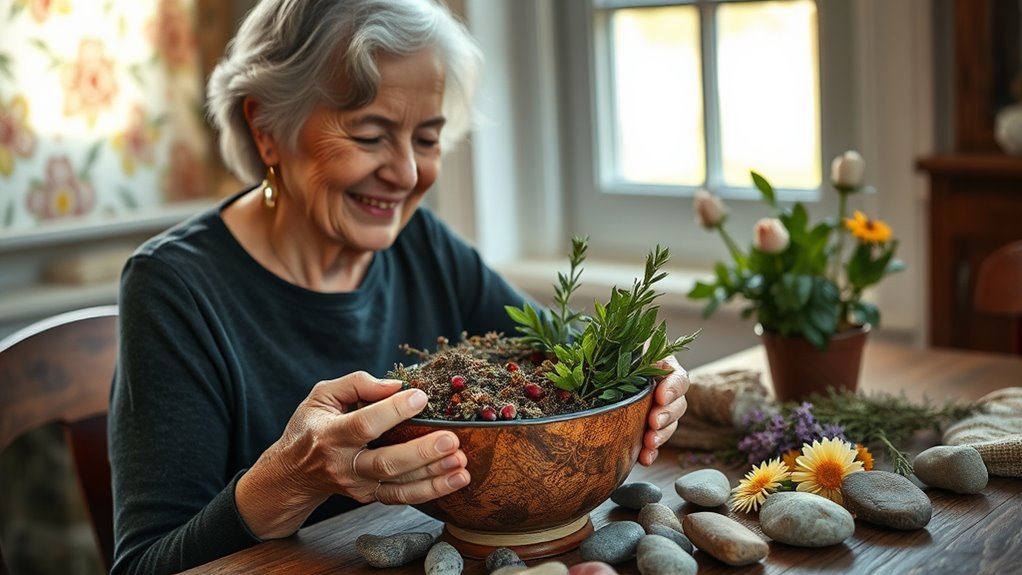
Sensory experiences can play a vital role in supporting seniors with dementia by stimulating their senses and promoting engagement. You can introduce calming music or familiar songs to evoke positive memories and emotional responses. Tactile activities like textured fabrics or soft clay allow hands-on exploration, helping maintain motor skills and provide comfort. Incorporate pet therapy with gentle animals to create multisensory connections that boost mood. Using sound instruments such as bells or drums encourages auditory stimulation and movement. These activities can reduce agitation and enhance emotional well-being. Incorporating therapeutic modalities like aromatherapy or light therapy can further enrich sensory engagement in a safe and controlled manner. Additionally, incorporating sensory rooms designed specifically for dementia care can provide a safe space for engaging multiple senses simultaneously. Creating a multisensory environment with carefully curated stimuli can amplify the benefits of these activities. Engaging multiple senses can also help sensory processing, making it easier for seniors to interpret and respond to their surroundings. By engaging multiple senses simultaneously, you create a soothing environment that promotes focus, relieves stress, and fosters a sense of familiarity and joy for your loved one.

Spesoul Wide Womens Walking Shoes Adjustable Diabetic Shoes Breathable Zero Drop Barefoot Shoe Neuropathy Edema Nursing Shoe Wide Width Sneakers 8.5 Navy
Wide Width:these wide womens walking shoes have a wide toe box design,allowing the feet to stay their natural...
As an affiliate, we earn on qualifying purchases.
Social Activities to Foster Connection and Joy
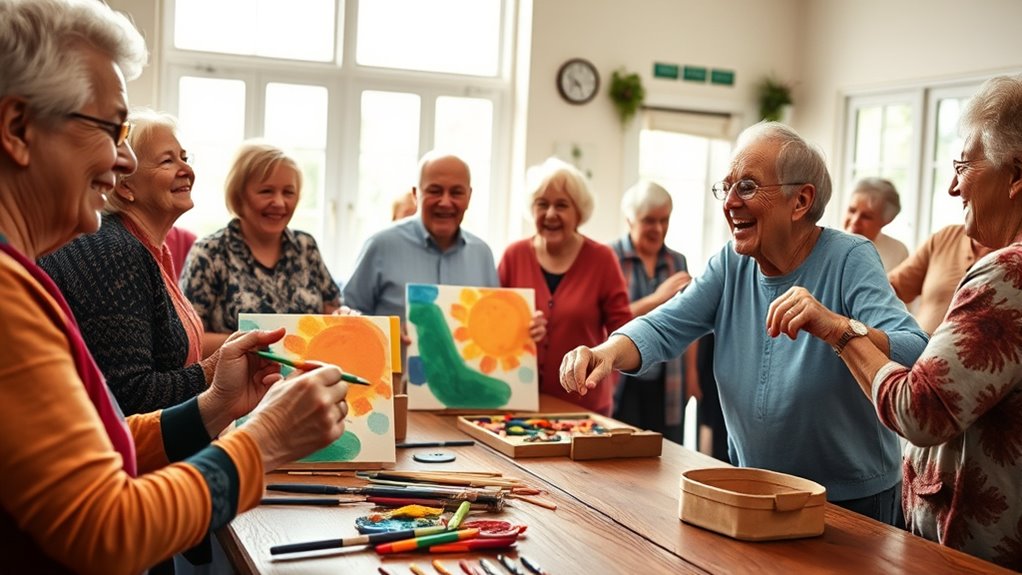
Participating in social activities can considerably enhance emotional well-being and foster meaningful connections for seniors with dementia. When you engage your loved one in group activities like book clubs or music sessions, you create opportunities for shared experiences that boost their mood. Group singing or storytelling encourages interaction and helps reduce feelings of isolation. Volunteering or simple tasks, such as stamping envelopes, give a sense of purpose and belonging. Tailoring activities to their interests ensures they stay engaged and comfortable. These social interactions stimulate cognition and emotional health, making your loved one feel valued and connected. Incorporating rhythm-based activities, such as singing along to familiar songs like Rhythm Failure, can further elevate their mood and engagement. Engaging in meaningful social interactions regularly can also help manage behavioral symptoms and improve overall quality of life, creating joyful moments everyone will cherish. Additionally, involving familiar routines and community engagement can reinforce a sense of stability and familiarity, further enriching their social experience. Creating a consistent schedule with familiar activities can help reduce anxiety and foster a sense of security. Incorporating culturally relevant activities can also deepen their sense of identity and belonging.
Physical Movements for Better Mobility and Health

Engaging in regular physical movements not only enhances overall health but also plays a vital role in maintaining mobility for seniors with dementia. Consistent activity helps strengthen muscles, improve balance, and increase flexibility, reducing fall risks. Simple exercises like seated leg lifts, arm stretches, or gentle walking can be easily incorporated into daily routines. Repetitive movements, such as hand clapping or finger tapping, are especially manageable for those with advanced dementia. These activities stimulate motor skills and promote circulation, supporting overall well-being. Even brief sessions of movement can boost energy and mood. Incorporating safe, low-impact exercises** helps prevent injuries and encourages participation. By encouraging safe, low-impact exercises, you help preserve independence and improve quality of life, making daily activities easier and more enjoyable for your loved one. Incorporating consistent physical activity can also positively influence sleep patterns and overall mental health. Additionally, adapted exercises** tailored to individual abilities can further enhance engagement and safety.
Personalized Activities That Reflect Personal History
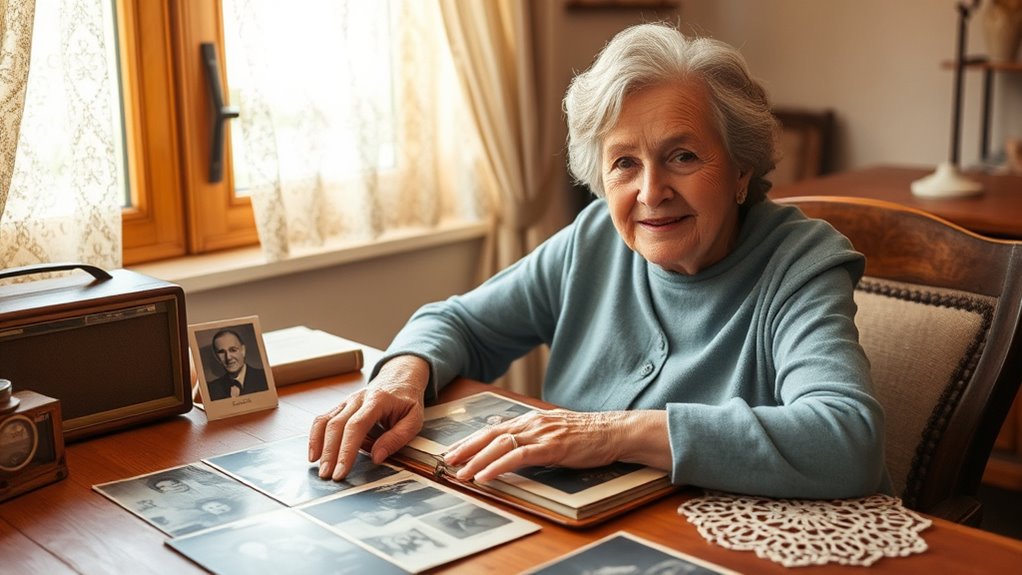
Personalized activities that reflect a senior’s personal history can substantially enhance engagement and emotional well-being. When you incorporate familiar elements from their past, you help evoke positive memories and foster a sense of identity. These activities create a comforting environment where they feel valued and understood. To tailor activities effectively, consider their unique background:
- Use photos, awards, or memorabilia from their achievements
- Incorporate hobbies like gardening, cooking, or crafts they enjoyed
- Share stories about their childhood, work, or family traditions
- Engage them with favorite pastimes such as traveling or reading
- Include familiar routines or objects that hold sentimental value
- Recognizing electric bikes or related technologies can sometimes spark curiosity about modern innovations they may find fascinating. Creating a sense of well-being through personalized activities can support emotional resilience and promote overall happiness. When designing these activities, understanding the importance of emotional connection can help foster deeper engagement and satisfaction.
Incorporating Music and Sound for Emotional Comfort
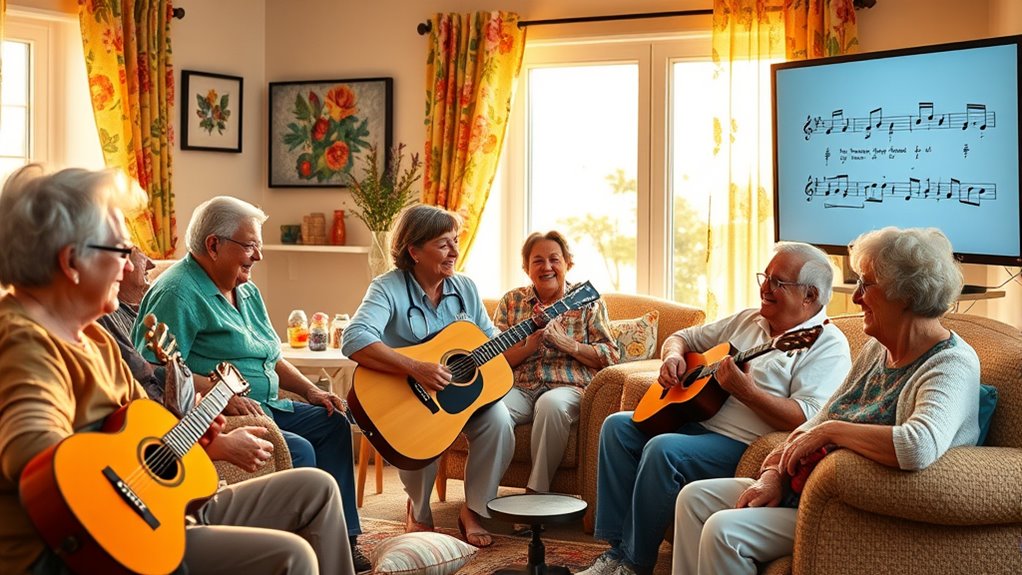
Incorporating music and sound into daily routines can especially boost emotional well-being for seniors with dementia. You can play familiar songs from their past or soothing melodies to create a calming atmosphere. Singing along or gently tapping to the beat encourages participation without pressure. Sound therapy, such as nature sounds or gentle chimes, can reduce anxiety and promote relaxation. Using personalized playlists helps connect them to positive memories and feelings. Keep volume moderate to avoid overwhelm, and observe their responses to identify what resonates best. Incorporating these auditory elements consistently can foster emotional comfort, reduce agitation, and provide a sense of familiarity and safety. Remember, the goal is to create an environment where sound nurtures peace and joy.
Group Engagements for Shared Happiness
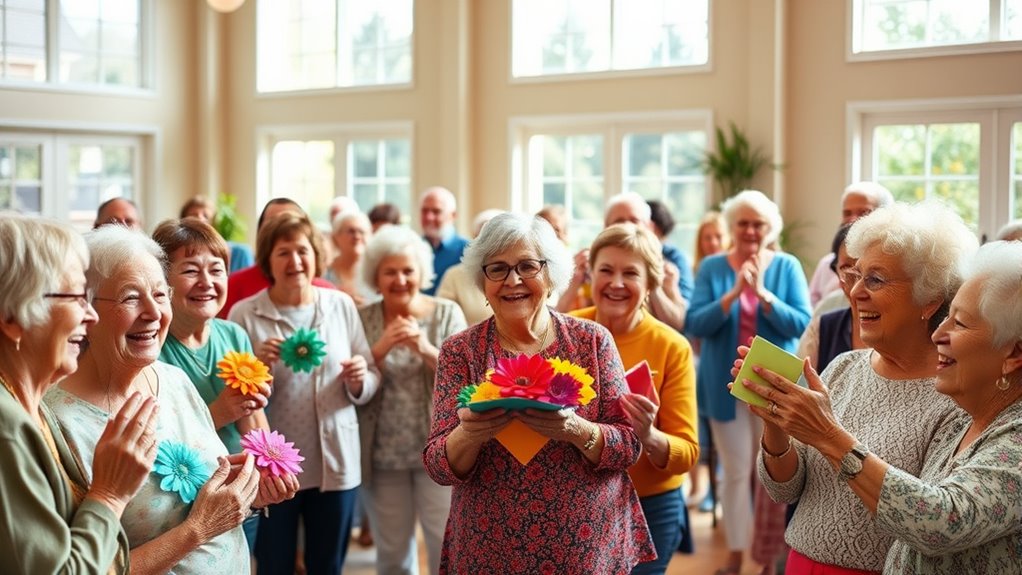
Group engagements foster shared happiness among seniors with dementia by creating opportunities for social connection and collective enjoyment. When you involve seniors in group activities, they experience a sense of belonging and purpose. To maximize benefits, consider activities like:
- Group singing or musical sessions to boost mood and camaraderie
- Book clubs that encourage discussion and mental stimulation
- Collaborative art projects fostering teamwork and creativity
- Group exercise classes to promote physical health and social bonds
- Volunteering activities that give seniors a sense of contribution and community
These activities help seniors feel connected, reduce feelings of loneliness, and create joyful shared experiences. Making group engagement a regular part of their routine supports emotional well-being and enhances overall quality of life.
Tips for Creating a Supportive Activity Environment
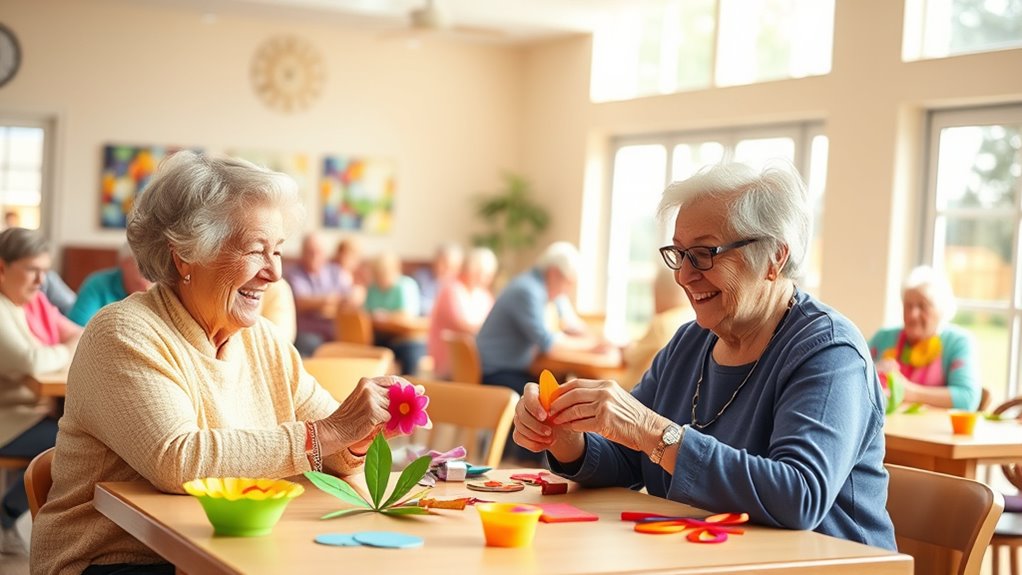
Creating a supportive activity environment starts with optimizing the space to reduce distractions and guarantee safety. You should also personalize the setting to match each senior’s preferences and abilities, making activities more engaging and meaningful. When you tailor the environment, you help seniors feel comfortable, confident, and more willing to participate.
Environment Optimization Tips
A supportive activity environment plays a crucial role in engaging seniors with dementia and enhancing their overall well-being. You want to create a space that minimizes confusion and promotes comfort. Keep the area well-lit, avoiding harsh shadows or glare, to reduce disorientation. Arrange furniture to allow easy movement and prevent falls. Use clear signage or visual cues to guide participation and help seniors locate materials. Limit noise and distractions that could cause agitation. Incorporate familiar objects and calming colors to foster a sense of security. Consider these tips:
- Keep pathways clear and uncluttered
- Use contrasting colors for important items
- Ensure comfortable seating with support
- Maintain consistent lighting and temperature
- Display familiar, meaningful decorations
These adjustments make the environment more accessible, inviting, and conducive to engaging activities.
Personalize Activity Settings
Personalizing activity settings guarantees that seniors with dementia feel comfortable, engaged, and motivated to participate. You can start by adapting the environment to their preferences, such as choosing familiar furniture, lighting, and music. Use items that evoke positive memories or reflect their hobbies, making the space feel safe and welcoming. Keep activities simple and accessible, with clear instructions and minimal distractions. Incorporate familiar objects or themes from their past, like photographs or favorite colors, to foster connection. Seating arrangements should promote social interaction without overwhelming them. Observe their reactions and adjust the setting accordingly, ensuring they’re not overstimulated or bored. Personalization helps create a supportive atmosphere where seniors feel valued and confident to engage actively.
Frequently Asked Questions
How Can Activities Be Adapted for Different Stages of Dementia?
You can adapt activities for different dementia stages by simplifying tasks for early stages, like puzzles or music, to maintain engagement. As the condition progresses, focus on sensory activities like textured materials or gentle movement to stimulate senses without overwhelming. For advanced stages, prioritize familiar routines, touch-based activities, and emotional connection through pet therapy or simple social interactions, ensuring each activity matches their current abilities and comfort levels.
What Safety Precautions Are Essential During Physical Activities?
Think of safety precautions as a sturdy safety net catching your loved one. Always supervise physical activities closely, guarantee the environment is free of hazards, and use appropriate equipment like non-slip mats and padded surfaces. Adjust activities to their ability level, and keep emergency contact info handy. Regularly check for signs of fatigue or discomfort, and encourage breaks to prevent overexertion. Your vigilance helps keep their spirit and body safe during movement.
How Do I Choose Activities Aligned With an Individual’s Interests?
You should start by observing their past hobbies, preferences, and daily routines to find activities they already enjoy. Talk to family members or caregivers for insights into their interests. Choose activities that match their current abilities and comfort levels, making sure they’re meaningful and engaging. Keep activities simple, manageable, and flexible, allowing for adjustments as their preferences and needs evolve. This approach helps foster motivation and joy.
What Signs Indicate an Activity Is Overstimulating or Causing Distress?
Think of yourself as a detective on the case—if your loved one shows signs of overstimulation, they might become agitated, confused, or withdraw. Watch for increased pacing, vocalizations, or visibly distressed expressions. If activities cause these signs, dial it back, simplify the task, or offer calming breaks. Just like a well-tuned radio, modifying the volume ensures the activity remains soothing rather than overwhelming.
How Can Family Members Support Ongoing Engagement at Home?
You can support ongoing engagement at home by choosing activities tailored to your loved one’s interests and abilities, keeping sessions short and manageable. Encourage participation by creating a calm environment and offering gentle guidance. Incorporate diverse activities like music, crafts, or gentle movement, and celebrate small successes. Stay patient, adapt activities based on their mood, and make sure they feel comfortable and supported to foster joy and meaningful connection daily.
Conclusion
Think of engaging activities as a garden you tend with love. With gentle care—cognitive games, creative arts, sensory delights—you nurture joy and connection. Each activity is a blossoming flower, bringing color and warmth to your loved one’s days. By creating this vibrant garden, you help dementia seniors flourish, finding moments of happiness amid the chaos. Your dedication transforms their world into a beautiful, blooming sanctuary of hope and joy.