Many families focus on obvious fall risks like stairs and bathrooms, but the real danger zones are often overlooked. Cluttered walkways, uneven flooring, and small rugs can cause unexpected trips throughout your home. Kitchen spills and slippery floors also pose hazards, as do poorly lit hallways and staircases. Staying vigilant about these less obvious spots can substantially lower your fall risk. Keep going to discover what common areas might be more dangerous than you think.
Listen free for 30 days with Audible
Thousands of audiobooks and originals — cancel anytime.
As an affiliate, we earn on qualifying purchases.
Key Takeaways
- Fall risks are often overlooked in less obvious areas like kitchens, bathrooms, and staircases, not just common living spaces.
- Cluttered walkways and uneven flooring in any room can significantly increase trip hazards.
- Wet or slippery surfaces in bathrooms and kitchens are major fall risks, especially if unnoticed or unaddressed.
- Poor lighting and loose rugs in high-traffic or less obvious zones can lead to falls.
- Regular hazard checks across all home areas are essential, not just in traditionally risky spots.
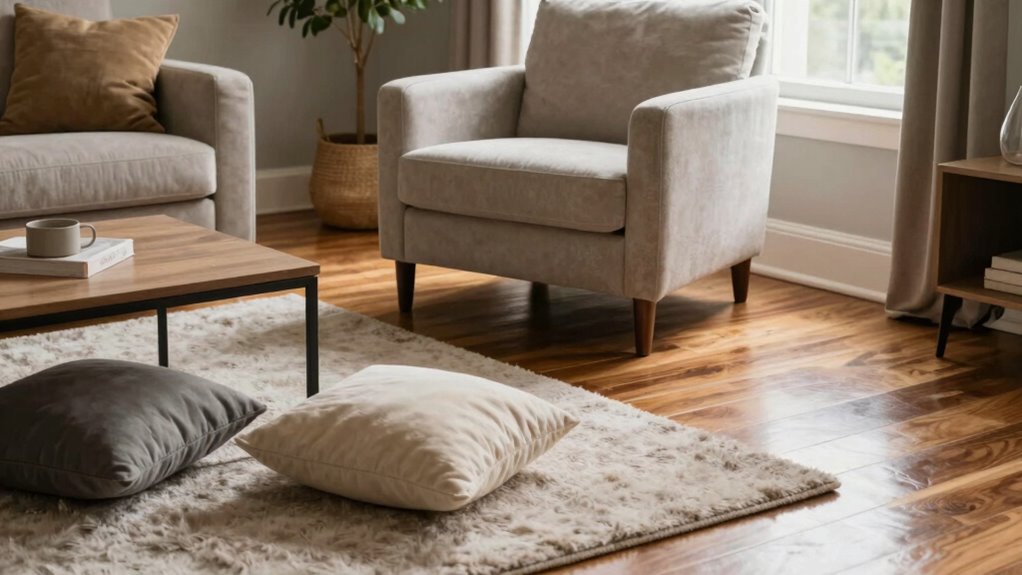
Falls are a leading cause of injury in homes, and understanding where these risks are highest can help you take proactive steps to prevent accidents. Many people assume that the most dangerous areas are bathrooms or staircases, but often, the true fall risk zones are elsewhere. To keep your family safe, you need to focus on hazard identification throughout your home, spotting areas where accidents are more likely to happen. Once you recognize these hazards, you can implement effective safety precautions to reduce the risk of falls.
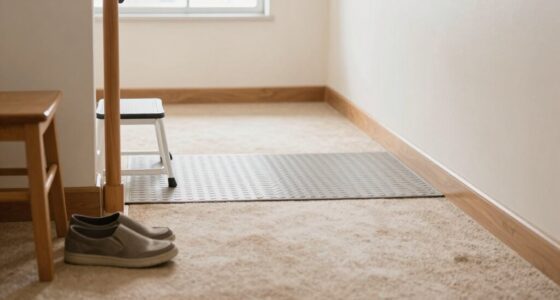
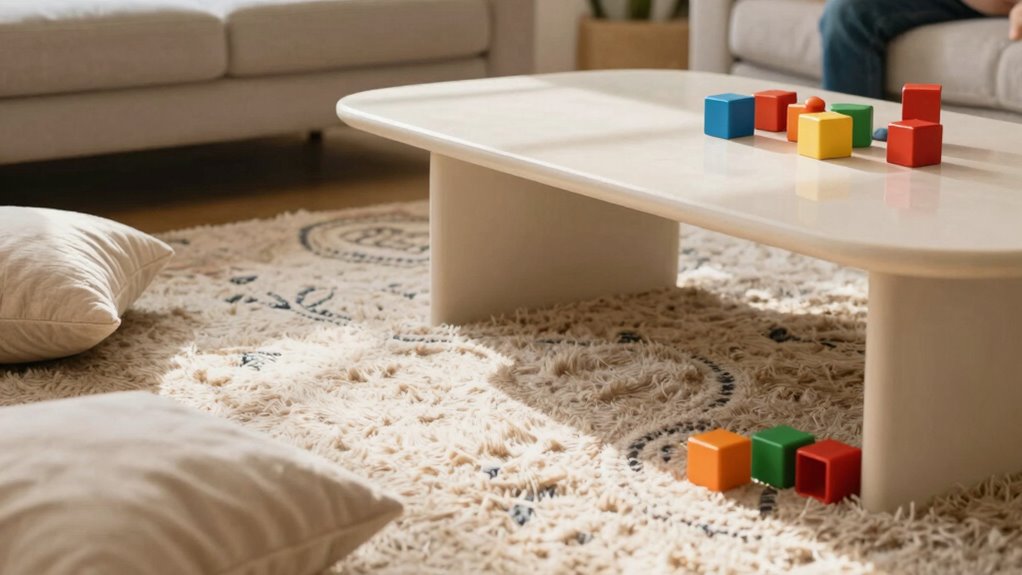
One common mistake is overlooking the importance of cluttered walkways and uneven flooring. Small rugs, cords running across hallways, or cluttered clutter can trip you up unexpectedly. Regularly checking these areas and removing obstacles can make a significant difference. Also, pay attention to flooring surfaces; slippery tiles or waxed floors can be hazardous, especially when wet. Installing non-slip mats or rugs with secure edges can provide better traction and prevent slips. Always remember that hazard identification isn’t a one-time task—it’s an ongoing process that requires vigilance. Incorporating home safety features that address these hazards can further enhance your safety measures.
Regularly check for clutter and uneven flooring to prevent unexpected trips and falls.
Another often overlooked fall risk zone is the kitchen. While many focus on bathrooms or stairs, the kitchen presents unique dangers. Spilled liquids, food, or grease can turn floors into slippery hazards. Keeping the floor clean and dry is a simple but effective safety precaution. Additionally, consider the placement of heavy or sharp objects that could cause a fall if knocked over. Using safety latches on cabinets and storing items securely reduces the chance of accidents. Awareness of LiFePO4 battery maintenance can further enhance your prevention efforts, especially regarding proper electrical safety in home appliances.
Bathrooms also present high fall risks, but many underestimate how dangerous they can be. Wet surfaces are obvious hazards, yet it’s the combination of slick floors, loose rugs, and poor lighting that can cause falls. Installing grab bars near the shower and toilet, along with non-slip mats, can improve safety. Adequate lighting ensures you see hazards clearly, especially at night.
The areas around stairs are vital, but the real risk often lies in poorly lit or uneven staircases. Make sure handrails are sturdy and installed on both sides. Bright lighting along stairways and clear markings on steps help you avoid missteps. Keep stairs free of clutter, and repair loose or broken steps promptly to prevent falls.
As an affiliate, we earn on qualifying purchases.
Frequently Asked Questions
How Can I Identify Hidden Fall Hazards in My Home?
To spot hidden hazards, walk through your home with a keen eye, looking for clutter dangers like loose rugs or cords that could cause falls. Check under furniture for objects that might trip you and make sure there’s adequate lighting in all areas. Be especially cautious around stairs and bathrooms. Regularly inspect these spots, because hidden hazards and clutter dangers often go unnoticed but greatly increase your fall risk.
Are There Specific Flooring Types That Increase Fall Risk?
Certain flooring types, like slippery surfaces such as polished tiles and uneven flooring like loose rugs or aged hardwood, increase your fall risk. You should be cautious around shiny, slick floors, especially if they get wet. Uneven surfaces can cause trips, so secure loose rugs, repair damaged flooring, and add non-slip mats in high-risk areas. Regularly inspecting your floors helps prevent accidents and keeps your home safer.
What Safety Devices Are Most Effective for Fall Prevention?
You should prioritize using assistive devices and balance aids, as they considerably reduce fall risks—studies show they can cut falls by up to 60%. Install grab bars in bathrooms, use sturdy handrails, and add non-slip mats. Keep walkways clear and well-lit. These safety devices provide essential support, helping you maintain stability and confidence while moving around, especially in high-risk areas like bathrooms and staircases.
How Often Should Home Safety Assessments Be Conducted?
You should conduct home safety assessments at least once a year and after any major home modification or changes in elderly assistance needs. Regular evaluations help you identify potential fall hazards and update safety measures. When you notice new mobility challenges or environmental changes, it’s time for another assessment. Keeping your home safe involves staying proactive, ensuring that fall prevention strategies remain effective, especially in areas where elderly assistance is frequently needed.
Can Furniture Placement Reduce Fall Risks Significantly?
Yes, furniture arrangement can substantially reduce fall risks. By organizing your furniture to create clear pathways, you minimize obstacles that could cause trips. Clutter elimination is also vital—keeping walkways free of unnecessary items helps prevent accidents. Regularly reviewing and adjusting your furniture placement guarantees your home stays safe, especially for children and seniors. Thoughtful arrangement and clutter control are simple yet effective strategies to make your home safer and reduce fall hazards.
As an affiliate, we earn on qualifying purchases.
Conclusion
So, next time you’re tiptoeing around your home, remember: the biggest fall risk zone isn’t the staircase or bathroom—it’s your own misguided assumptions. You might think you’re safe because you’ve avoided the obvious hazards, but in reality, you’re just walking into danger with blinders on. Maybe it’s time to rethink your safest spots. Spoiler alert: they’re probably hidden in plain sight, just waiting for you to stumble into them. Stay alert, or stay on the floor!
As an affiliate, we earn on qualifying purchases.
As an affiliate, we earn on qualifying purchases.
Fall Picks
fall essentials
As an affiliate, we earn on qualifying purchases.