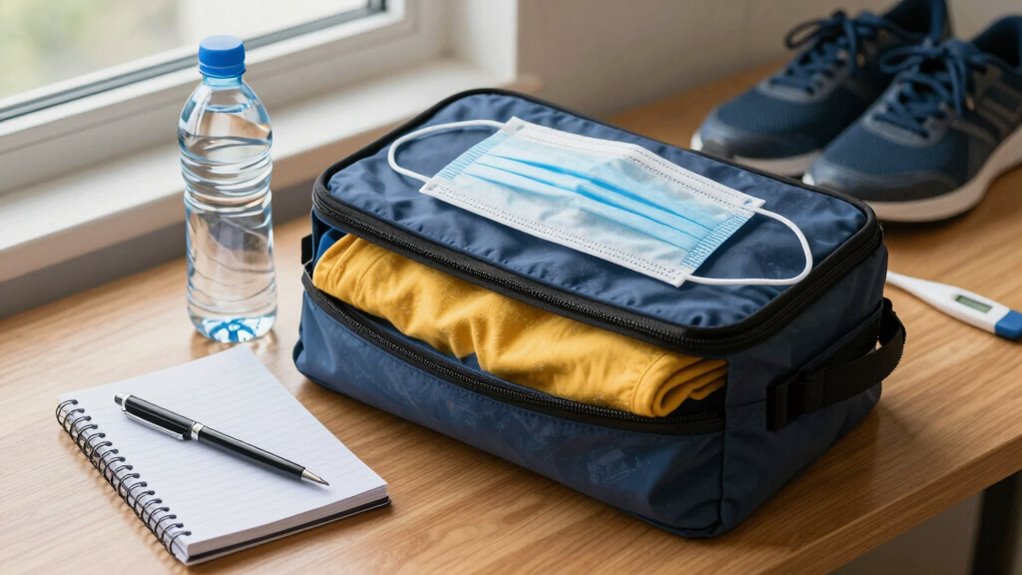

To prepare for a hospital visit like a pro, organize all your documents, including ID, insurance cards, and medical records, and keep digital copies handy. Confirm transportation plans early, and pack essentials like medications, comfortable clothing, and entertainment. Arrive early to handle paperwork and any surprises. Stay informed about hospital protocols and keep reminders for appointment times. With these tips, you’ll navigate your visit smoothly—continue on to discover even more ways to make your hospital experience stress-free.

Turn quiet afternoons into listening time
- Thousands of audiobooks, podcasts and originals
- Listen on your phone, tablet or Echo — also offline
- Cancel anytime
Key Takeaways
- Organize and carry all necessary documents, including IDs, insurance cards, and medical records, for quick check-in.
- Confirm transportation plans and schedule pickups early to ensure punctuality and avoid last-minute stress.
- Pack essential items such as medications, comfortable clothing, entertainment, and any special equipment needed.
- Set reminders for appointment times and hospital protocols to stay prepared and reduce anxiety.
- Familiarize yourself with hospital layout or use wayfinding tools for smooth navigation within the facility.
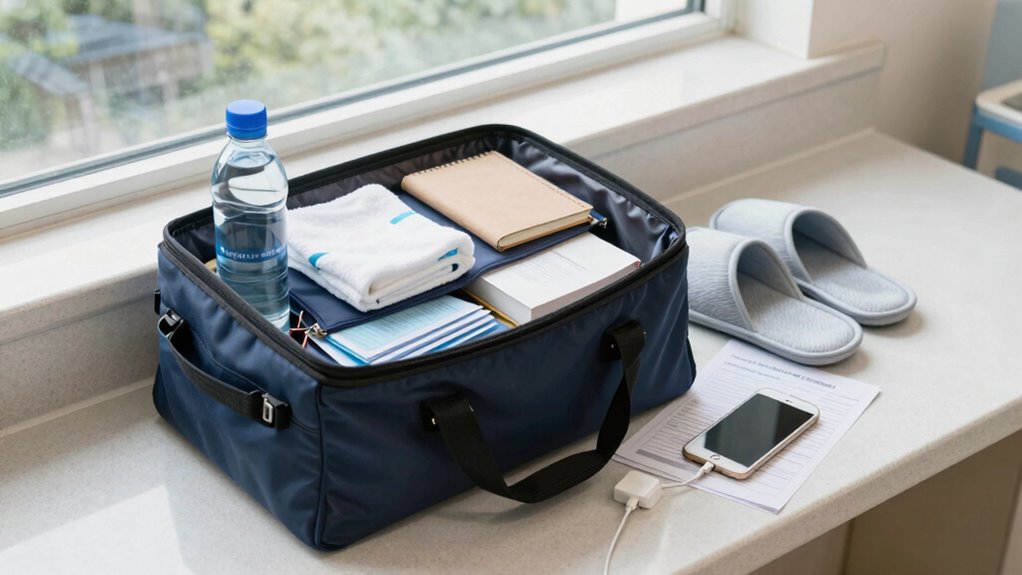
Wondering how to make your hospital visit smoother? It all starts with proper preparation. One of the first things you should do is gather all necessary hospital paperwork. This includes your ID, insurance cards, referral letters, and any medical records related to your visit. Having these documents organized and ready saves you from scrambling at the last minute and delays the check-in process. It’s also helpful to prepare a list of current medications, allergies, and important medical history to bring along or have handy on your phone. This guarantees that healthcare providers have all the information they need to give you the best care possible.
Organize your hospital paperwork and medication list to ensure a smooth, stress-free visit.
Next, consider your transportation arrangements. Planning how you’ll get to and from the hospital well in advance reduces stress and guarantees you arrive on time. Whether you’re driving yourself, carpooling with a friend, or using public transportation, double-check schedules and routes. If you need special transportation, such as a wheelchair or ambulance, make those arrangements beforehand. Confirm your appointment time and account for potential delays, especially during peak hours or bad weather. If you’re using a ride-sharing service or taxi, schedule your pickup early so you’re not rushing at the last minute. If someone is accompanying you, coordinate their schedule to ensure they can assist you if needed.
On the day of your appointment, pack a small bag with essentials like your ID, insurance card, a list of medications, comfortable clothing, and any personal items you might need, such as glasses or hearing aids. Don’t forget to bring a book, magazine, or headphones to keep yourself occupied during waiting times. Arriving early is always a good idea, as it gives you extra time to handle any unexpected delays and to complete any remaining paperwork. It’s also beneficial to familiarize yourself with the hospital layout or have a wayfinding plan to navigate easily. If you’re unsure about what to bring or prepare, call the hospital’s patient services line for guidance.
Finally, set reminders for your appointment and confirm your transportation plans a day before. This proactive approach helps prevent last-minute surprises. Preparing thoroughly can also involve understanding hospital protocols and policies, which helps you know what to expect during your visit. By organizing your hospital paperwork, arranging transportation, and arriving prepared, you’re taking control of your visit. These small steps make a significant difference, helping you feel more confident and less stressed when it’s time to see the healthcare professionals. Preparing thoroughly ensures your hospital visit goes as smoothly as possible, allowing you to focus on your health and well-being.
As an affiliate, we earn on qualifying purchases.
Frequently Asked Questions
What Should I Pack for an Extended Hospital Stay?
For an extended hospital stay, pack travel essentials like your ID, insurance info, and necessary medications. Include comfort items such as a pillow, blanket, and earplugs to make your stay more bearable. Don’t forget personal hygiene products and a phone charger. Bringing books or a tablet can help pass the time. Prioritize items that keep you comfortable, organized, and connected, ensuring a smoother, less stressful hospital experience.
How Do I Handle Medical Bills and Insurance Claims?
You handle medical bills and insurance claims by reviewing your medical billing carefully for accuracy and understanding your insurance coverage. Contact your insurance provider to clarify any confusing charges and make certain all procedures are properly documented. Keep detailed records of all bills, receipts, and correspondence. If needed, don’t hesitate to dispute incorrect charges or ask for assistance from your hospital’s billing department to navigate the insurance claims process smoothly.
Can I Request a Specific Doctor or Nurse?
Ever wondered if you can request a specific doctor or nurse? Yes, you can express your doctor preferences or nurse requests when scheduling your appointment or upon arrival. While hospitals try to accommodate these requests, they might not always guarantee them due to staffing or availability. To increase your chances, communicate your preferences early and speak with the hospital staff. Being proactive helps make certain you receive the care team you’re most comfortable with.
What Are Hospital Visitation Policies During COVID-19?
During COVID-19, hospital visitation policies include strict visitor restrictions to limit exposure, often allowing only essential visitors. Vaccination requirements are common, meaning visitors must be vaccinated or show proof of recent negative tests. You should check with the hospital beforehand, as policies vary by facility and current health guidelines. Be prepared for possible screening procedures and limited visiting hours, ensuring you follow all safety protocols to protect patients and staff.
How Do I Prepare My Home for After Discharge?
Think of your home as a sanctuary, much like a castle after a siege. To guarantee smooth post-discharge care, prioritize home safety by removing tripping hazards and organizing essentials within reach. Set up a comfortable resting area, and stock up on medications, supplies, and easy-to-make meals. Clear pathways and install grab bars if needed. Preparing your home this way helps you recover comfortably and confidently, just like a hero returning victorious.
As an affiliate, we earn on qualifying purchases.
Conclusion
As you step into the hospital with your prepared list and calm mind, you realize that sometimes, the smallest steps—like packing essentials or jotting down questions—can unexpectedly ease your worries. It’s ironic how a simple plan can turn into a comforting routine, almost like the universe aligning to support your health journey. Trust in your preparation; it’s your quiet strength, guiding you through uncertainty with a touch of serendipity.
travel pillow for hospital visits
As an affiliate, we earn on qualifying purchases.
As an affiliate, we earn on qualifying purchases.
As an affiliate, we earn on qualifying purchases.
Halloween Picks
halloween
As an affiliate, we earn on qualifying purchases.