

When you use validation, you focus on a person’s feelings and experiences, which creates emotional safety and trust. Correction, on the other hand, can cause confusion, frustration, or defensiveness, making connection more difficult. Validation helps calm distress and fosters a sense of being heard and accepted. It shifts attention from factual accuracy to emotional well-being, strengthening your relationship. If you want to understand how validation can transform your interactions, there’s more to discover below.
Key Takeaways
- Validation recognizes and respects the person’s feelings, fostering trust and emotional safety, unlike correction which can cause confusion.
- Correcting memories often increases frustration and emotional distance, while validation promotes calmness and connection.
- Emotional connection is prioritized over factual accuracy, making conversations more comforting and meaningful.
- Validation helps reduce agitation and anxiety, promoting emotional well-being better than focusing on correcting inaccuracies.
- Incorporating sensory activities alongside validation builds trust and provides a soothing, multisensory experience.

Have you ever wondered how to connect more effectively with someone living with dementia? It’s a common question, especially as you realize traditional ways of communication often fall short. When someone’s memory recall becomes unreliable, it’s tempting to correct or challenge their stories, but that approach can create frustration and distance. Instead, focusing on validation helps build a genuine emotional connection. Validation isn’t about fixing their memories; it’s about acknowledging their feelings and experiences, which fosters trust and understanding. When you validate, you show that you see their emotions and respect their reality, even if it differs from factual accuracy. This emotional connection becomes the bridge that keeps your relationship strong, despite the challenges of memory loss.
You might notice that when you correct someone, it often leads to confusion or defensiveness. They may cling more tightly to their version of reality or become upset. Validation, on the other hand, encourages them to feel heard and safe. For example, if they believe they’re waiting for a loved one who has passed away, instead of saying, “That person isn’t here,” you could say, “It sounds like you’re waiting for someone special.” This small shift shows empathy and acceptance, which can calm their distress and deepen your connection. Over time, this approach supports their emotional well-being more than trying to straighten out their memories.
The key is understanding that, in dementia, emotional connection often takes precedence over factual accuracy. Your goal isn’t to correct their memory but to acknowledge their feelings and experiences without judgment. This makes conversations more comfortable for both of you. When you validate someone’s feelings, you’re fundamentally saying, “Your emotions are valid, and I care about what you’re experiencing.” This validation can ease anxiety, reduce agitation, and create a sense of safety. Additionally, incorporating water-based activities such as hydrotherapy or aquatic exercises can provide calming sensory input and enhance emotional well-being. Such activities are especially effective because they promote relaxation and a sense of security through sensory input, which is beneficial for emotional health. Engaging in multisensory experiences can further support their emotional and physical comfort, making interactions more meaningful. Recognizing the importance of emotional needs helps create a more compassionate environment that fosters trust. As you practice this, you’ll find that conversations become more meaningful, even if their memories are imperfect or inconsistent.

Sensory Aids for Alzheimer Patients for Therapy and Anxiety Relief Autistic Dementia Sensory Mat Fidget Wrist Cuff ASD ADHD OCD (Orange)
- Therapeutic Anxiety Relief: Reduces anxiety and restlessness
- Includes Multiple Accessories: Buttons, sequins, ribbons, beads, and more
- Easy to Use and Portable: Wraps around wrist or arm, lightweight
As an affiliate, we earn on qualifying purchases.
As an affiliate, we earn on qualifying purchases.
Frequently Asked Questions
How Can Validation Improve Emotional Well-Being in Dementia Patients?
Validation improves emotional well-being in dementia patients by fostering an emotional connection that makes them feel understood and respected. When you validate their feelings, you help enhance their self-esteem, reducing frustration and confusion. This approach reassures them that their emotions are legitimate, which promotes trust and comfort. As a result, they experience less anxiety and agitation, creating a more positive environment that supports their overall mental and emotional health.
Are There Specific Training Programs for Effective Validation Techniques?
Yes, there are specific training programs for effective validation techniques. You can participate in empathy training and communication workshops designed for caregivers and professionals working with dementia patients. These programs teach you how to better understand and connect with individuals, reducing frustration and improving interactions. By enrolling in such training, you’ll develop essential skills that make conversations more meaningful, fostering emotional well-being and enhancing quality of life for those with dementia.
How Does Validation Differ From Traditional Correction Methods?
Validation differs from traditional correction methods by focusing on emotional recognition and communication empathy. Instead of pointing out inaccuracies or trying to correct memory lapses, you acknowledge the person’s feelings and experiences. This approach fosters trust and comfort, reducing frustration. You listen actively, validate their emotions, and connect on a human level, which helps maintain dignity and encourages more meaningful interactions rather than causing confusion or resistance through correction.
Can Validation Reduce Agitation and Behavioral Issues?
Yes, validation can reduce agitation and behavioral issues by fostering emotional connection through gentle reassurance. When you acknowledge your loved one’s feelings without correction, they feel understood and safe. This approach calms their mind, decreases frustration, and diminishes agitation. Your empathetic response helps build trust, making it easier to navigate challenging moments. Ultimately, validation creates a supportive environment that promotes calmness and reduces behavioral disruptions during dementia conversations.
What Are Common Challenges When Practicing Validation in Conversations?
You might find validation challenging when memory recall is fuzzy or inconsistent, creating communication barriers. It’s tough to stay patient when your loved one’s memories don’t align with reality, but correction can worsen agitation. Instead, you focus on their feelings, embracing the moment. The challenge lies in resisting the urge to correct, instead trusting that understanding their emotions fosters connection, even when memories seem unreliable.

25 Pack Dementia Products for Elderly Reusable Water Doodle Coloring Set for Seniors Dementia Activities Animals Water Painting Toys for Alzheimer's Painting Gifts for Nursing Home Patients
- Package Includes: 25 reusable watercolor toys and 2 brushes
- Suitable for Dementia: Designed for elderly dementia activities
- Water-Based Painting: Patterns appear and fade with water
As an affiliate, we earn on qualifying purchases.
As an affiliate, we earn on qualifying purchases.
Conclusion
You might think correction is the best way to guide someone with dementia, but validation truly fosters trust and connection. When you acknowledge their feelings and experiences without judgment, it creates a safe space for communication. Some may worry validation enables confusion, but it actually reduces frustration and agitation. By choosing validation over correction, you’re not just improving conversations—you’re enhancing their dignity and your relationship, making each interaction more meaningful and respectful.

Emotional Support Dog Tag Emotional Support Dog Tag Metal Pet ID Tags ESA Tag Red Medical Alert Symbol Double Sided, Navy Lettering l Easily Switch Between Collars Harness and Vest.
- Material: Polished metal with enamel accents
- Visibility: Double-sided with clear messaging
- Design: Red border with striking graphics
As an affiliate, we earn on qualifying purchases.
As an affiliate, we earn on qualifying purchases.
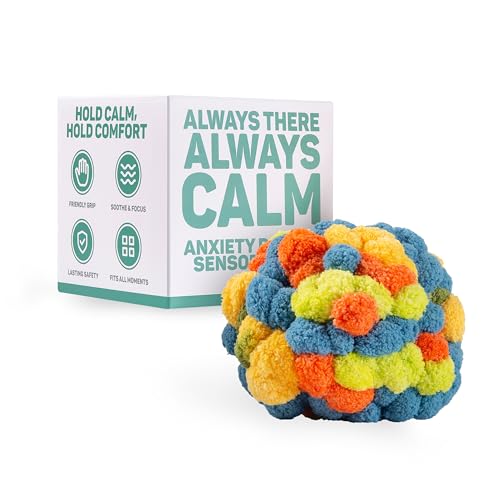
Sensory Toy for Dementia and Alzheimer’s, Soft Textured Fidget Ball for Seniors and Elderly Adults, Calming Anxiety Relief for Busy Hands, Tactile Activity Aid for Memory Care
- Sensory Toy for Dementia & Alzheimer’s: Calming tactile stimulation for seniors
- Relieves Restless Hands: Supports relaxation and focus
- Adult-Friendly Textured Design: Plush, multi-texture surface for seniors
As an affiliate, we earn on qualifying purchases.
As an affiliate, we earn on qualifying purchases.