

Caring for a senior with diabetes involves managing medications safely, setting personalized blood sugar goals, and encouraging balanced meals and hydration. It’s important to monitor blood glucose regularly, using easy-to-read devices or CGMs, and recognize signs of hypoglycemia or illness. Promote safe physical activities suited to their abilities and collaborate with healthcare providers for ongoing adjustments. Staying vigilant and well-informed helps guarantee your loved one’s safety, comfort, and quality of life—discover more tips tailored for their needs.
Key Takeaways
- Regularly monitor blood glucose levels and recognize symptoms of hypoglycemia to ensure prompt treatment.
- Personalize blood glucose targets based on the senior’s health, mobility, and quality of life considerations.
- Assist with medication management, including adherence, side effect monitoring, and understanding drug interactions.
- Support balanced nutrition, hydration, and safe physical activity tailored to the senior’s abilities and preferences.
- Maintain safety plans for emergencies, including access to quick-acting carbs and emergency contact protocols.
glucose monitoring device for seniors
As an affiliate, we earn on qualifying purchases.
As an affiliate, we earn on qualifying purchases.
Understanding Medication Options and Safety
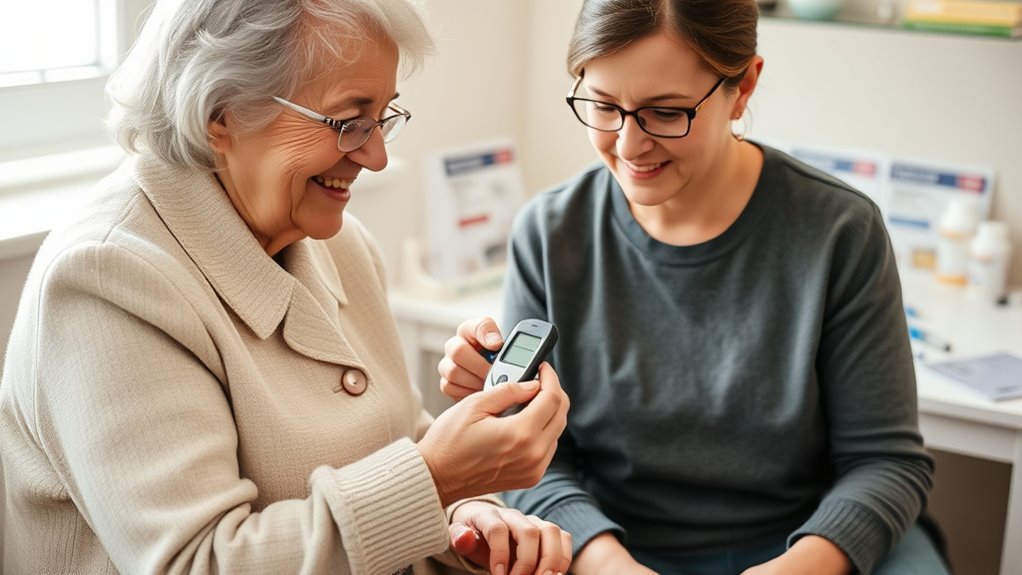
Understanding medication options and safety is crucial when caring for a senior with diabetes. You need to be aware that metformin is often the first choice, especially if your loved one’s kidney function is stable. When selecting medications, prioritize those with low hypoglycemia risk to prevent dangerous episodes. As diabetes progresses, insulin may become necessary; options include long-acting and rapid-acting types. Always follow the “start low and go slow” principle to minimize side effects and avoid overtreatment. Simplifying complex regimens helps reduce medication errors and adverse effects. Regularly review medications with healthcare providers to ensure they’re appropriate. Monitoring for side effects and understanding potential drug interactions are key to keeping your loved one safe. Proper medication management promotes better control and reduces risks associated with diabetes. Additionally, understanding medication safety protocols and proper storage can further prevent accidental misuse or medication errors. Incorporating medication adherence strategies can enhance treatment effectiveness and safety. Being aware of glycemic control techniques helps in maintaining stable blood sugar levels and avoiding complications. Recognizing the importance of body health, including managing other conditions like hypertension or cholesterol, supports overall well-being and diabetes management. Staying informed about patient education empowers caregivers to make confident health decisions.
As an affiliate, we earn on qualifying purchases.
Setting Personalized Blood Glucose Goals
To set effective blood glucose goals, you need to take into account your overall health, including any other medical conditions and cognitive function. Your targets should be adjusted based on your quality of life and personal preferences, not just numbers. By customizing these goals, you can better manage your diabetes while maintaining safety and comfort. Understanding your individual health profile helps in setting realistic and safe blood glucose levels. Incorporating essential oils for health may support overall well-being and stress management, which can positively influence blood sugar control. Additionally, considering safe installation practices ensures that any home modifications or devices used to support your health are secure and appropriate. Staying informed about medical device safety standards is crucial for preventing accidents and ensuring optimal device performance, thereby enhancing your confidence in managing diabetes at home. Using privacy policy knowledge can also help maintain your health data securely during this process.
Assess Overall Health
Evaluating overall health is essential for setting realistic and safe blood glucose goals for seniors with diabetes. You need to take into account factors like comorbidities, cognitive function, mobility, and nutritional status. If your senior is healthy and active, a slightly tighter goal, such as an A1C around 7%, might be appropriate. However, if they’re frail, have multiple health issues, or limited mobility, a more relaxed target of 7.5% to 8% may reduce risks like hypoglycemia and treatment side effects. Assess their ability to manage medications, monitor blood sugar, and maintain a balanced diet. Understanding their overall health helps you collaborate with healthcare providers to establish personalized, safe, and manageable blood glucose goals that support patient safety. Considering factors like comorbidities and functional status can help tailor the approach to their specific needs. Additionally, evaluating their diabetes management skills can ensure the goals are achievable and promote better health outcomes. Recognizing the importance of personalized care plans can further enhance their safety and quality of life. Incorporating insights from the evolution of the English language can also help in communicating complex health information clearly and effectively.
Tailor A1C Targets
When setting A1C targets for seniors with diabetes, it’s essential to customize goals based on their overall health, functional status, and personal preferences. Think about their daily activities, cognitive abilities, and risk of hypoglycemia. To help you visualize, consider these points:
- A healthy, active senior might aim for an A1C of 7–7.5%, supporting tight control.
- A frail or dependent individual may benefit from a relaxed target of 7–8% to prevent hypoglycemia.
- For those nearing end-of-life, focus shifts to avoiding symptoms of high blood sugar rather than strict numbers.
- Understanding blood glucose management can further facilitate personalized care plans that suit individual needs.
- Recognizing individual health status is crucial when determining appropriate A1C targets for seniors. Additionally, assessing comorbidities helps tailor safe and effective goals.
- Considering medication side effects is also important to minimize adverse reactions and ensure comfort.
- Regular monitoring and adjustments based on changing health conditions ensure that the care plan remains appropriate and responsive to the senior’s evolving needs.
Adjusting goals guarantees safety and comfort, reducing the risk of overtreatment and complications. Personalization helps meet each senior’s unique needs and circumstances.
Consider Quality of Life
Have you considered how a senior’s quality of life influences their blood glucose goals? When setting targets, think about their daily routines, mental health, and overall well-being. If a senior values independence and active living, a slightly stricter blood sugar goal might be appropriate to prevent complications. Conversely, if they have limited mobility or cognitive challenges, loosening targets can reduce stress and treatment burden. Focus on balancing safety with comfort, aiming to prevent symptoms of hyper- or hypoglycemia while maintaining their dignity. Regularly reassess their priorities, preferences, and health status to adjust goals accordingly. Personalizing blood glucose targets ensures that management supports not just medical safety but also the senior’s happiness, independence, and overall **quality of life**. Additionally, incorporating trustworthy accessory advice can help caregivers feel more confident in managing daily routines and monitoring tools effectively.
As an affiliate, we earn on qualifying purchases.
Creating Balanced Meal Plans and Proper Hydration

Creating balanced meal plans and ensuring proper hydration are essential components of managing diabetes in older adults. You want to focus on steady blood sugar levels and overall well‑being. To do this, think about:
- Visualize a colorful plate divided into sections—half filled with vegetables, a quarter with lean proteins, and a quarter with whole grains—helping you create nutritious, balanced meals.
- Imagine your senior sipping water consistently throughout the day, avoiding sugary drinks, especially if they’re on medications like SGLT2 inhibitors that increase fluid needs.
- Picture meals prepared with fresh ingredients, reducing processed foods and added sugars, which stabilizes blood glucose and supports better health.
- Incorporate smart design principles by organizing the kitchen for easy access to healthy ingredients, encouraging consistent, nutritious meals.
- Consider the importance of personalized nutrition to tailor meal plans to your senior’s specific needs and preferences, enhancing adherence and health outcomes.
- Additionally, integrating AI-powered kitchen devices can help monitor food freshness and suggest healthy recipes, supporting better meal choices.
easy-to-read blood glucose meter
As an affiliate, we earn on qualifying purchases.
As an affiliate, we earn on qualifying purchases.
Encouraging Safe and Appropriate Physical Activity

Encouraging safe physical activity means customizing routines to match your senior’s abilities and ensuring they stay comfortable. Keep an eye out for signs of hypoglycemia, especially during or after exercise, and adjust activity levels as needed. Promoting consistent movement helps improve health without risking safety or overexertion.
Tailor Activities to Ability
To promote safe and effective physical activity in seniors with diabetes, it’s essential to tailor exercises to their individual abilities and health status. You should consider their mobility, energy levels, and any medical conditions. This guarantees activities are both beneficial and safe.
Here are three ways to customize routines:
- Imagine your senior gently stretching while seated, reducing fall risk and accommodating limited flexibility.
- Visualize them walking at a comfortable pace along a safe, flat path, boosting circulation without overexertion.
- Picture light resistance exercises using bands or small weights, enhancing strength without strain.
Adapting activities helps maintain motivation, prevents injury, and supports overall health, ensuring your loved one stays active within their comfort zone.
Monitor for Hypoglycemia Risk
Monitoring for hypoglycemia risk during physical activity is essential to guarantee your loved one stays safe while staying active. Check their blood sugar levels before exercise to ensure they’re above 100 mg/dL, reducing the risk of low blood sugar. Keep quick-acting carbs, like glucose tablets or juice, nearby in case symptoms develop. Watch for signs such as sweating, dizziness, trembling, or confusion during activity. Encourage your loved one to pace themselves and avoid intense or prolonged exercise if they’re feeling unwell. Remind them to stay hydrated and to eat a small snack if their blood sugar is on the lower side before starting. Regular monitoring and prompt response help prevent hypoglycemia and promote safe, enjoyable physical activity.
Promote Consistent Movement
Maintaining regular movement is essential for managing diabetes effectively and supporting overall health in seniors. It helps improve insulin sensitivity, boosts circulation, and maintains mobility. To promote safe activity, consider these approaches:
- Encourage walking on flat surfaces for 10-15 minutes, adjusting pace based on stamina.
- Incorporate gentle stretching to improve flexibility and reduce stiffness.
- Use light resistance exercises like resistance bands or water aerobics for strength without overexertion.
Always monitor blood sugar levels before and after activity to prevent hypoglycemia. Adapt routines to match the senior’s ability, ensuring safety and comfort. Even light movement can make a significant difference in their health and independence.
Monitoring Blood Glucose Effectively and Using Technology
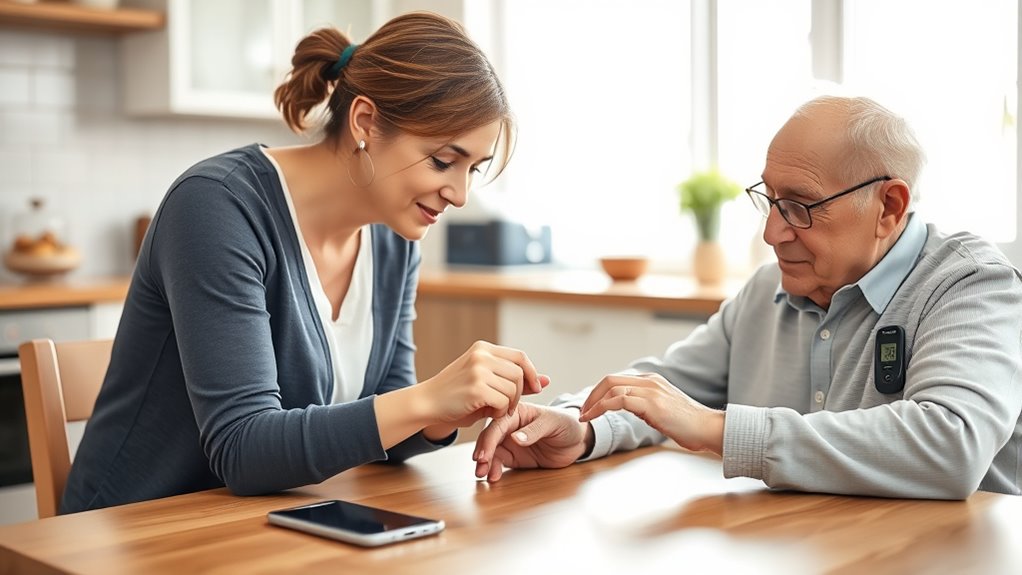
Effective blood glucose monitoring is essential for managing diabetes in older adults, especially as their needs and abilities evolve. Using easy-to-read blood glucose meters helps you track levels accurately and promptly. Encourage your loved one to test regularly, especially before meals and bedtime, to stay aware of their glucose status. Continuous glucose monitoring (CGM) devices offer real-time insights, reduce guesswork, and help prevent surprises. Regularly review the data together to identify patterns and adjust care plans accordingly. As cognitive or physical abilities change, reassess whether the technology remains suitable. Make sure both you and your loved one are trained in using devices correctly and recognizing abnormal readings. Proper monitoring empowers you to respond swiftly and manage blood sugar effectively, promoting safety and better health outcomes.
Recognizing and Managing Hypoglycemia and Illness

Hypoglycemia can occur unexpectedly in older adults with diabetes, especially when medication doses are too high or eating patterns change. Recognizing symptoms quickly is essential. You might notice:
Hypoglycemia can happen suddenly, so quick recognition and action are crucial for older adults with diabetes.
- Shaking or trembling, making their hands or voice quiver.
- Sweating excessively, even in cool environments.
- Confusion or difficulty concentrating, appearing disoriented.
To manage hypoglycemia, keep fast-acting carbs like glucose tablets or juice nearby. When symptoms appear, offer these immediately and monitor blood sugar levels. If the person becomes unconscious or unable to swallow, call emergency services and administer glucagon if available. Always have a plan for illness, as infections or other health issues can worsen blood sugar fluctuations. Quick response can prevent severe complications and keep your loved one safe.
Regularly Reviewing Overall Health and Support Systems

After addressing immediate concerns like hypoglycemia, it’s important to consistently review your loved one’s overall health and support systems. Schedule periodic check-ins with their healthcare team to discuss medication effectiveness, new or worsening symptoms, and overall functional status. Keep track of any changes in weight, mood, or cognition, as these may signal underlying health issues. Evaluate their living environment to ensure safety and accessibility, making adjustments as needed. Stay aware of social support networks, including family, friends, and community resources, to prevent isolation. Regularly reassess their care plan, including dietary needs, physical activity, and medication management, to ensure everything aligns with their current health status. Staying proactive helps catch issues early and supports better long-term outcomes.
Frequently Asked Questions
How Do I Manage Medication Adjustments During Illness or Hospital Stays?
During illness or hospital stays, you should closely monitor your senior’s blood glucose levels and communicate with healthcare providers before making any medication changes. Follow their guidance on adjusting doses, especially for insulin or oral meds. Make certain they stay hydrated and eat as tolerated. Avoid stopping medications abruptly, and be prepared to manage hypoglycemia or hyperglycemia. Keep records of blood sugar readings and medication changes for accurate ongoing management.
What Signs Indicate When Blood Sugar Levels Are Dangerously High or Low?
When blood sugar levels go haywire, watch for warning signs. High blood sugar may cause frequent urination, extreme thirst, blurred vision, and fatigue. Low blood sugar can lead to shakiness, sweating, confusion, dizziness, or even loss of consciousness. Keep a close eye on these symptoms, and don’t wait for a storm to pass—prompt action can prevent serious complications. Regular monitoring helps you catch trouble before it escalates.
How Can I Support Dietary Changes in Seniors With Swallowing or Appetite Issues?
You can support dietary changes by offering soft, easy-to-swallow foods that still provide balanced nutrition. Focus on pureed or mashed options that include healthy fats, proteins, and complex carbs. Encourage small, frequent meals to stimulate appetite. Consult a dietitian for personalized advice. Keep hydration levels up and monitor for signs of choking or discomfort. Adapt textures as needed to ensure safety and maintain proper blood sugar control.
What Safety Measures Should I Take for Insulin Storage and Administration?
Think of insulin storage like a delicate treasure—handle it with care. Keep insulin refrigerated until opened, then store at room temperature away from sunlight and heat. Always check expiration dates and inspect for clarity before use. Use clean, dedicated syringes or pens, and follow proper injection techniques. Keep emergency supplies accessible, and train yourself to recognize signs of hypoglycemia. This vigilance guarantees safety and effective management for your loved one.
How Do I Address Cognitive Decline Affecting Diabetes Management?
You should simplify their diabetes management routines to address cognitive decline. Use clear, consistent instructions, and keep medications and supplies organized in easy-to-identify containers. Implement reminders or alarms for medication times, and involve trusted family members or caregivers in daily care. Regularly review their understanding of treatment, and adapt plans as needed to guarantee safety. Providing supervision and support helps prevent errors and maintains effective diabetes control.
Conclusion
Caring for a senior with diabetes can be challenging, but your support makes a real difference. Did you know that about 34.2 million Americans have diabetes, and many struggle to manage it effectively? By staying informed and attentive, you help your loved one maintain better health and quality of life. Keep learning, monitoring, and adjusting to their needs—your dedication can truly improve their daily well-being and prevent complications.