

As you approach saying goodbye, you’ll notice signs like decreased appetite, irregular breathing, and increased fatigue, which are natural as the body prepares to shut down. Your loved one may drift in and out of awareness and become less responsive, but these changes aren’t suffering—they’re part of the natural process. Offering comfort through gentle words, presence, and respecting their wishes helps create peace during these moments. To understand how to support them best, keep exploring these essential signs and comforting strategies.
Key Takeaways
- Recognize signs like decreased responsiveness, irregular breathing, and loss of interest in food or drink as natural indicators of approaching death.
- Offer emotional reassurance, gentle touch, and maintain a calm environment to provide comfort and reduce distress.
- Focus on symptom management and pain relief through palliative care to ensure physical comfort and dignity.
- Understand that increased fatigue, deep sleep, and breathing changes are normal signs of the body’s final shutting down.
- Support loved ones by maintaining presence, offering gentle communication, and creating a peaceful setting for final days.

When someone is nearing the end of life, recognizing the signs can help you understand what’s happening and provide comfort. It’s a time when physical changes become more evident, and being aware of these signs allows you to prepare emotionally and practically. One of the key ways to support your loved one during this stage is through palliative care, which focuses on relieving pain and symptoms while also addressing emotional and spiritual needs. Palliative care teams work alongside families to ensure comfort and dignity, helping to manage discomfort and provide a sense of peace. By understanding these signs, you can better appreciate what your loved one is experiencing and offer meaningful support.
Recognizing end-of-life signs helps provide compassionate support and comfort through palliative care.
As the body begins to slow down, you might notice a decrease in appetite and thirst. Your loved one may lose interest in eating or drinking, which is a natural part of the process. This isn’t necessarily a sign of pain or suffering but rather a sign that the body is preparing for the final stages. During this time, offering emotional support becomes essential. Comforting words, gentle touch, and presence can reassure them that they are loved. It’s also important to respect their wishes about food and fluids, as forcing intake can sometimes cause discomfort.
Breathing patterns often change as well. You might observe irregular, shallow breaths or periods of rapid breathing followed by pauses. These changes can be distressing to witness, but they’re a natural part of the body’s shutting down process. Providing a calm environment, maintaining a gentle focus, and offering reassurance can help ease anxiety. If breathlessness becomes uncomfortable, consult palliative care providers about options to improve their comfort. Remember, emotional support is indispensable—your presence, patience, and understanding can make a significant difference during these moments. Additionally, knowing that high contrast ratio visuals can aid in clearer perception may provide some comfort to those who are still somewhat responsive.
Other signs include increased fatigue, decreased responsiveness, and perhaps a shift in consciousness. Your loved one may drift in and out of awareness or seem to sleep more deeply. These signs indicate that the body is conserving energy for its final phase. While it can feel overwhelming to see someone so vulnerable, your steady presence can be a source of comfort. Maintain eye contact, speak softly, and offer reassurance without overwhelming them. Providing emotional support during this stage helps them feel safe and loved, even when they can’t respond verbally.
Understanding these end-of-life signs enables you to respond with compassion and patience. Combining awareness of physical changes with the emotional support you provide creates a comforting environment. With palliative care’s guidance and your heartfelt presence, you help your loved one face their final days with dignity, peace, and love.

Palliative Care Specialist (White) 1 x 3" Rounded Corner Name Badge | Care Home Specialism & Role (3 Pack)
- Pre-Printed Care Home Badge: Displays role and specialism clearly
- Rounded Corner Design: Smooth edges for modern look and comfort
- Durable & Lightweight: High-quality materials for long-lasting use
As an affiliate, we earn on qualifying purchases.
As an affiliate, we earn on qualifying purchases.
Frequently Asked Questions
How Can I Tell if My Loved One Is in Pain?
You can tell if your loved one is in pain by observing their behavior and physical cues. Look for signs like grimacing, restlessness, or changes in breathing. Use a pain assessment, asking about their comfort levels and any discomfort they experience. To help, implement comfort measures such as gentle touch, adjusting their position, or providing medications as prescribed. Stay attentive and compassionate to make certain they feel safe and cared for.
What Emotional Signs Indicate Someone Is Nearing End-Of-Life?
You notice their eyes grow distant, like a fading sunset, signaling emotional withdrawal. They might seem less engaged, avoiding conversations or spiritual distress, feeling lost in a fog of silence. Their expressions soften, and laughter dims, as if their spirit gently drifts away. These emotional signs show they’re nearing the end, helping you understand their inner journey and offering comfort through gentle presence and compassionate understanding.
How Do I Prepare My Family Emotionally for Saying Goodbye?
You can prepare your family emotionally for saying goodbye by encouraging open family communication, sharing feelings honestly, and listening without judgment. Support emotional resilience by spending quality time together, expressing love, and creating meaningful memories. Acknowledge everyone’s emotions and seek support from counselors or support groups if needed. This honest, compassionate approach helps your family process grief and find strength during this difficult time.
Are There Cultural Practices That Influence End-Of-Life Care?
Yes, cultural practices considerably influence end-of-life care. You might observe specific cultural rituals and spiritual customs that shape how families approach death, such as prayer, rituals, or specific rites. These traditions help provide comfort, honor beliefs, and facilitate a sense of closure. Understanding and respecting these customs ensures compassionate care that aligns with the patient’s cultural background, helping both families and caregivers find peace during this difficult time.
What Are the Signs of a Peaceful Passing?
A peaceful passing often shows signs like relaxed breathing, a calm expression, and gentle fading of consciousness. You can support this by providing comfort measures such as soothing touch and a quiet environment. Ensuring spiritual readiness through prayer or reflection helps the person find peace. Watch for a serene demeanor, minimal discomfort, and a sense of acceptance, all indicating they are nearing a gentle, tranquil end.
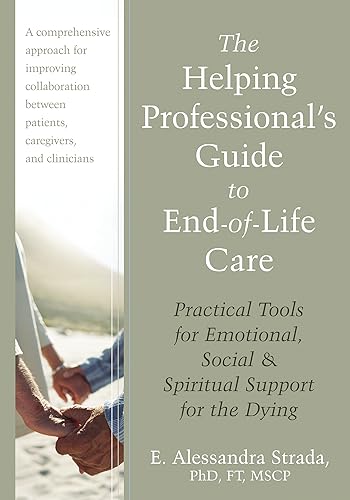
The Helping Professional's Guide to End-of-Life Care: Practical Tools for Emotional, Social, and Spiritual Support for the Dying
- Condition: Used Book in Good Condition
As an affiliate, we earn on qualifying purchases.
As an affiliate, we earn on qualifying purchases.
Conclusion
As you observe the subtle signs of end-of-life, remember that recognizing these moments allows you to offer comfort and peace. Some believe that a gentle farewell signals the soul’s passage, supported by countless stories across cultures. While science focuses on physical signs, your presence and compassion can make all the difference. Trust your intuition and cherish these final days, knowing your care helps ease their journey and brings comfort in life’s most profound shift.
comfort items for terminally ill
As an affiliate, we earn on qualifying purchases.
As an affiliate, we earn on qualifying purchases.

As an affiliate, we earn on qualifying purchases.