

To keep your loved one clean, dry, and comfortable, choose the right incontinence products that fit well and suit their needs, ensuring proper application and regular changing. Maintain skin health by cleaning gently, patting dry, and applying barrier creams. Create a private, comforting environment with soothing colors and good hygiene practices. Staying informed about proper care techniques and available resources can make a big difference—continue exploring for more helpful tips.

Turn quiet afternoons into listening time
- Thousands of audiobooks, podcasts and originals
- Listen on your phone, tablet or Echo — also offline
- Cancel anytime
Key Takeaways
- Apply incontinence supplies snugly to prevent leaks and ensure comfort, checking frequently and replacing promptly when soiled.
- Maintain skin health by cleaning gently, drying thoroughly, and using barrier creams to prevent irritation and sores.
- Practice proper hand hygiene before handling supplies and dispose of used products correctly to reduce infection risks.
- Organize supplies within easy reach in a private, well-ventilated space to promote dignity and independence.
- Seek support and education from healthcare providers or support groups to improve caregiving strategies and emotional well-being.
Understanding Incontinence and Its Causes

Understanding incontinence begins with recognizing that it’s a condition characterized by the involuntary loss of urine or stool, which can profoundly impact your quality of life. It happens when your bladder or bowel muscles weaken or malfunction, making it difficult to control these functions. Several causes contribute to incontinence, including age-related muscle decline, nerve damage from conditions like diabetes or stroke, and hormonal changes, especially in women during menopause. Pregnancy and childbirth can weaken pelvic floor muscles, increasing the risk. Chronic illnesses, obesity, and certain medications also play a role. Knowing these causes helps you understand that incontinence isn’t just a normal part of aging; it’s often manageable with proper care and treatment options. Recognizing what triggers or worsens it is the first step toward effective management. Wave and wind are also factors that can influence incontinence episodes, especially in outdoor or aquatic settings, emphasizing the importance of tailored management strategies.
Recognizing the Signs and When to Seek Help

You should pay attention to early signs like frequent leaks, urgency, or discomfort, as they can indicate underlying issues. If these symptoms persist or worsen, it’s important to consult a healthcare professional for proper evaluation. Recognizing when to seek help can prevent complications and improve your quality of life. Additionally, understanding affiliate disclosure and privacy policies can help you make informed decisions about your healthcare resources and online privacy. Being aware of the infection risks and prevention measures can further support your loved one’s comfort and safety. Incorporating hydrotherapy techniques, such as warm water therapies, can also be beneficial in managing symptoms and promoting relaxation. Being familiar with specialized incontinence products can ensure your loved one’s needs are effectively met.
Identifying Early Symptoms
Recognizing the early signs of incontinence is crucial for seeking timely treatment and improving quality of life. You might notice increased frequency of urination, sudden urges to go, or leaks that happen unexpectedly. Other warning signs include feeling unable to reach the bathroom in time, experiencing dribbling after urination, or noticing changes in bladder habits. Some individuals may feel discomfort, pressure, or a constant sense of fullness. Pay attention to any skin irritation or odor, which can indicate leakage. Early detection allows you to address issues before they worsen, reducing embarrassment and health risks. Being aware of factors like mammography guidelines can help you better understand visual cues that may signal underlying health issues. Additionally, understanding essential oils for incontinence and their properties can provide supportive comfort and management options. Recognizing bladder training techniques can also assist in managing symptoms effectively. Developing a holistic approach to care that includes lifestyle adjustments and medical advice can significantly improve comfort and control. If you observe these symptoms, it’s important to consult a healthcare professional to discuss options and start appropriate management.
When to Consult Professionals
Noticing early signs of incontinence is an important step toward managing the condition effectively. If you observe frequent leaks, sudden urges, or changes in your loved one’s bathroom habits, it’s time to seek professional advice. Persistent skin irritation, infections, or if they’re unable to reach the bathroom safely, indicate the need for medical evaluation. Also, if incontinence interferes with daily activities or causes emotional distress, don’t delay consulting a healthcare provider. They can identify underlying causes, such as infections, neurological issues, or hormonal changes, and recommend appropriate treatments. Early intervention can improve quality of life and prevent complications. Additionally, energy-efficient cloud solutions can support healthcare facilities in managing patient data securely and sustainably. Incorporating proper hygiene practices can significantly reduce the risk of infections and skin problems associated with incontinence. Maintaining a clean and dry environment is essential for preventing skin breakdown, which is common among individuals with incontinence. Remember, professionals are equipped to develop personalized care plans, ensuring your loved one stays comfortable, dry, and dignified.
Selecting the Right Products for Comfort and Discretion
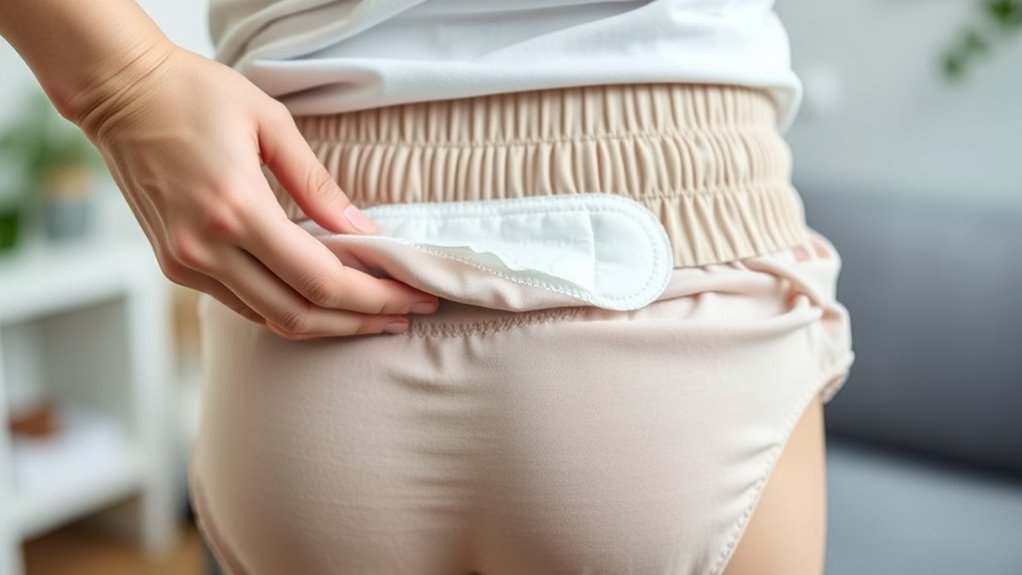
How can you choose incontinence products that offer both comfort and discretion? Start by considering your loved one’s specific needs, such as mobility, skin sensitivity, and level of incontinence. Look for products that fit well and feel natural, avoiding bulky options that draw attention. Features like odor control and breathable materials help maintain dignity and keep skin healthy. Additionally, consulting trusted business and service providers can help identify high-quality products tailored to your loved one’s requirements. To find the right fit, keep these in mind:
- Size and absorbency level matching the individual’s needs
- Discreet, slim design for under clothing
- Soft, breathable materials for comfort
- Odor control features for confidence
- Easy-to-use fastening or adhesive for secure fit
Choosing thoughtfully ensures your loved one stays dry, comfortable, and confident throughout the day. Proper product selection is essential for maintaining skin health and overall dignity. Ensuring you select products with appropriate absorbency levels can significantly improve comfort and protection. Additionally, understanding the horsepower of electric dirt bikes can inform choices when considering mobility aids or recreational equipment for active lifestyles. A good understanding of product features can further assist in making informed decisions.
Proper Use and Maintenance of Incontinence Supplies

To get the best results, you need to apply incontinence supplies correctly, ensuring they fit snugly without causing discomfort. Regular device maintenance is essential to prevent leaks, odors, and skin irritation. By following proper techniques and routine checks, you can maintain hygiene and extend the lifespan of your supplies. Incorporating modern kitchen technology such as smart monitoring devices can also help track and manage incontinence supplies more effectively. Utilizing smart home integrations can provide real-time alerts and optimize supply usage for better comfort and safety. Additionally, paying attention to reliable backup power options can ensure continuous operation of essential health devices during outages. Understanding proper device application techniques, similar to how public figures like Keke Palmer advocate for diversity and representation, can make a significant difference in comfort and effectiveness. Recognizing product durability is also crucial to ensure supplies remain effective over time.
Correct Application Techniques
Proper application and maintenance of incontinence supplies are essential for ensuring comfort, preventing leaks, and promoting skin health. To do this effectively, follow these tips:
- Always wash your hands thoroughly before handling supplies to maintain hygiene.
- Ensure the skin is clean and dry before applying a new product for maximum comfort and protection.
- Fit the product snugly but not too tight, avoiding gaps that could cause leaks.
- Check the positioning regularly to make sure the product stays in place, especially during movement.
- Dispose of used supplies properly to prevent odors and maintain a clean environment.
- Regularly inspect and replace supplies as recommended by guidelines to maintain optimal product performance.
- Understanding the parts of incontinence supplies helps in selecting and applying the right product for effective use.
Regular Device Maintenance
Maintaining your incontinence devices properly is essential for ensuring their effectiveness and your comfort. Regular cleaning and timely replacement prevent odors, skin irritation, and infections. If you use reusable pads or cloths, wash them with mild detergent and hot water after each use, and allow them to dry completely to avoid bacteria buildup. Disposable products should be changed promptly when soiled—don’t wait until they leak. Always follow the manufacturer’s instructions for disposal and storage. Inspect your devices regularly for signs of wear or damage, replacing them as needed. Proper maintenance also involves checking for comfort and fit, ensuring no chafing or leaks. Consistent care prolongs device lifespan, maintains hygiene, and keeps you comfortable and confident throughout the day.
Tips for Maintaining Skin Health and Preventing Irritation
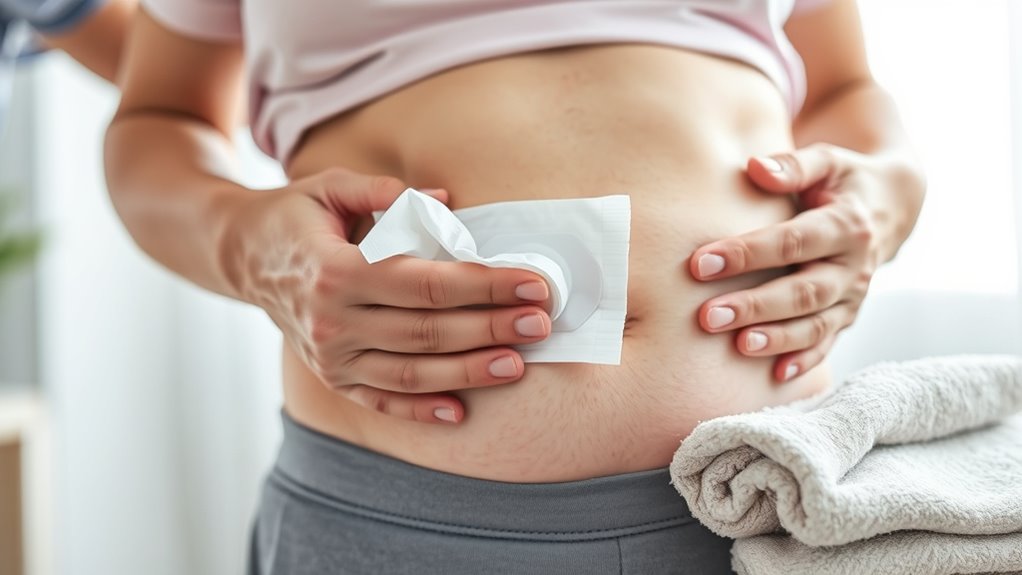
Keeping your skin healthy and irritation-free is essential when managing incontinence, especially since frequent contact with moisture and absorbent products can cause discomfort. To protect your loved one’s skin, keep the area clean and dry, changing products promptly. Use gentle, pH-balanced cleansers instead of harsh soaps, and pat the skin dry—avoid rubbing. Applying a barrier cream or ointment can create a protective layer against moisture. Ensure good ventilation and avoid tight clothing that can trap heat and moisture. Regularly inspecting the skin helps catch early signs of irritation.
- Change incontinence products frequently to minimize moisture contact
- Use soft, breathable fabrics for clothing and bedding
- Apply skin barrier creams to prevent irritation
- Keep the skin dry and well-ventilated
- Stay alert for redness or sores, and address promptly
Creating a Supportive and Dignified Environment

Creating a supportive and dignified environment is essential for individuals managing incontinence, as it directly impacts their comfort, confidence, and quality of life. You can foster this by practicing empathy, respecting privacy, and avoiding embarrassment. Use discreet communication and maintain a calm demeanor to help them feel secure. Organize supplies within easy reach, and ensure the space is clean, private, and comfortable. Addressing emotional needs and encouraging independence boost self-esteem. Here’s a quick guide:
| Supportive Actions | Environment Enhancements |
|---|---|
| Show empathy and patience | Keep the space private and quiet |
| Respect privacy and dignity | Use soothing colors and lighting |
| Encourage independence | Provide accessible supplies |
| Offer reassurance | Maintain cleanliness and comfort |
Resources and Support for Caregivers and Families

Are you aware of the numerous resources available to support caregivers and families managing incontinence? These resources can make a big difference in easing your caregiving journey. Local support groups connect you with others facing similar challenges, offering advice and emotional support. Healthcare providers can recommend specialized products and treatment options tailored to your loved one’s needs. Online educational platforms provide valuable information on managing incontinence effectively. Government programs and insurance plans may help cover costs of supplies and treatments. Additionally, professional home health services can assist with caregiving tasks when needed.
- Support groups and online forums
- Healthcare provider consultations
- Educational workshops and websites
- Insurance and government assistance programs
- In-home caregiver services
Frequently Asked Questions
How Can I Help Reduce the Stigma Around Incontinence?
You can help reduce the stigma around incontinence by openly discussing it with compassion and understanding. Encourage your loved one to share their feelings and experiences without judgment. Educate others about the condition to normalize it and dispel myths. Show that incontinence is common and manageable, emphasizing dignity and support. Your openness and empathy can foster acceptance, making it easier for others to seek help without shame.
Are There Natural or Alternative Remedies for Managing Incontinence?
You can try natural remedies like pelvic floor exercises, which strengthen muscles and may reduce incontinence. Herbal teas such as cranberry or chamomile might help prevent urinary infections, though evidence is limited. Maintaining a healthy weight, staying hydrated, and avoiding bladder irritants like caffeine and alcohol also support bladder health. Always consult your healthcare provider before starting any alternative treatments to make certain they’re safe and appropriate for your specific condition.
How Do I Choose Products Suitable for Active Lifestyles?
To choose products suitable for active lifestyles, look for discreet, breathable, and flexible options like lightweight absorbent pads or high-performance adult diapers with a snug fit. Consider products with odor control and quick-drying features to maintain freshness during activities. Opt for designs that move with you, such as body-conforming or moisture-wicking materials, ensuring comfort and confidence so you can stay active without worry.
What Psychological Support Options Are Available for Incontinence Patients?
You might think psychological support isn’t essential, but it’s actually crucial. Options include counseling, support groups, and online communities where you can share experiences and gain reassurance. You’ll find comfort in knowing you’re not alone. Some clinics offer therapy focused on coping strategies, reducing embarrassment, and building confidence. Remember, emotional well-being is just as important as managing physical symptoms, helping you face daily life with renewed resilience and dignity.
How Can Caregivers Access Affordable Incontinence Supplies?
You can access affordable incontinence supplies by exploring insurance coverage, government assistance programs, and Medicaid options that often help reduce costs. Look for discounts, bulk purchasing, or subscription services from manufacturers. Local clinics, community health centers, and nonprofit organizations may also offer free or low-cost products. Additionally, compare prices online and consider generic brands for quality at lower prices. Staying informed about available resources guarantees you get the supplies you need without overspending.
Conclusion
Taking care of incontinence isn’t just about keeping your loved one dry — it’s about saving the universe from chaos! With the right products, a little know-how, and a caring heart, you can turn everyday struggles into moments of comfort and dignity. Remember, you’re not just a caregiver; you’re a superhero in disguise, making sure your loved one’s world stays safe, dry, and full of love. You’ve got this — the world needs your kindness!
Halloween Picks
halloween
As an affiliate, we earn on qualifying purchases.