
TL;DR

Turn quiet afternoons into listening time
- Thousands of audiobooks, podcasts and originals
- Listen on your phone, tablet or Echo — also offline
- Cancel anytime
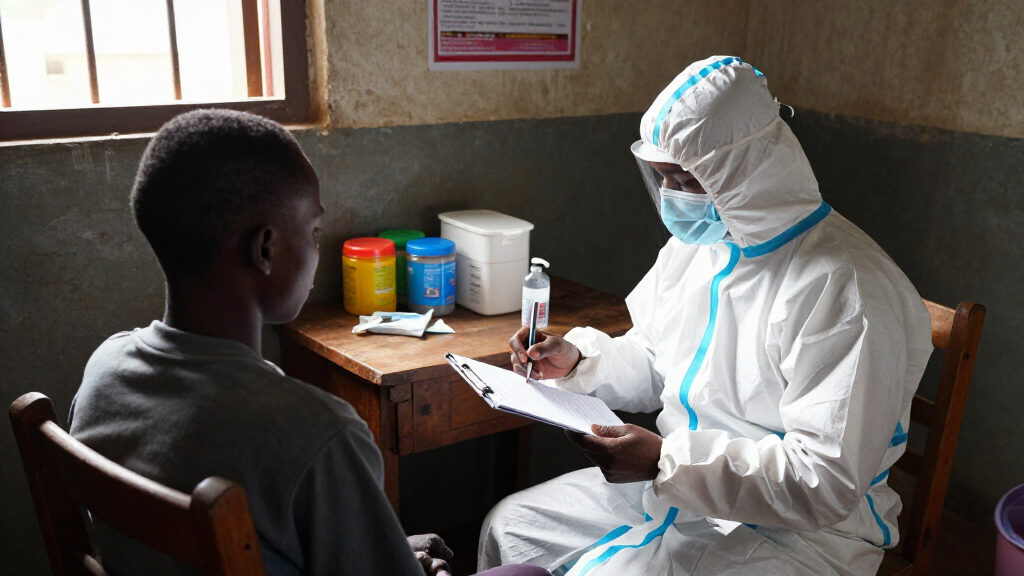
The WHO reports a critical shortage of 5,000 health workers in the Congo Ebola response. This gap hampers containment and increases risks for local populations. The situation underscores ongoing challenges in managing the outbreak.
The World Health Organization (WHO) has reported a shortfall of approximately 5,000 health workers in the ongoing Ebola response in the Democratic Republic of the Congo. This staffing gap is severely impacting efforts to contain the outbreak, which remains a significant public health challenge in the region.
According to a recent report from the WHO, the shortage of around 5,000 health personnel is one of the most critical obstacles to effective Ebola containment in Congo. The organization states that this deficit hampers vaccination campaigns, contact tracing, and treatment efforts, thereby risking further spread of the virus.
Sources within the WHO explain that the staffing gap is due to a combination of factors, including ongoing insecurity, logistical challenges, and difficulties in recruiting and retaining health workers in the affected areas. The report emphasizes that the shortage is a major concern, especially given the persistent transmission of Ebola in certain regions of Congo.
Local health authorities and international agencies are calling for urgent measures to address this personnel deficit, including increased funding, better security arrangements, and international support to recruit and train additional health workers. The shortage has been described as a ‘critical bottleneck’ in the response efforts by WHO officials.
Implications of the Health Worker Shortage in Ebola Control
The reported shortage of 5,000 health workers significantly hampers efforts to control the Ebola outbreak in Congo. Without adequate staffing, vaccination campaigns cannot be scaled up effectively, contact tracing becomes less efficient, and treatment availability diminishes, increasing the risk of wider transmission. This situation endangers both local populations and global health security, as Ebola outbreaks can have regional and international implications.
Experts warn that if the staffing gap persists, it could lead to prolonged outbreaks, higher case numbers, and increased mortality. The shortage also reflects broader challenges faced by health systems in conflict-affected regions, highlighting the need for sustained international support and strategic planning to strengthen health workforce capacity.
Products Worth Considering

Levoit Eleva 300X Air Purifier with Sealed HEPA Filtration

Fitbit Versa 2 Health and Fitness Smartwatch with Heart Rate, Alexa, Music, Sleep and Swim Tracking

Garmin Forerunner 165 GPS Running Smartwatch, 43 mm, Black
As an affiliate, we earn on qualifying purchases.
Background and Challenges in Ebola Response in Congo
The Democratic Republic of the Congo has faced recurring Ebola outbreaks since the virus was first identified there in 1976. The most recent outbreak began in 2022 and has persisted despite concerted international efforts. The region’s ongoing insecurity, with armed conflicts and instability, complicates health intervention efforts and restricts access for responders.
Previous outbreaks have underscored the importance of rapid response teams, vaccination campaigns, and community engagement. However, staffing shortages have repeatedly hampered these efforts, especially in remote or conflict zones, making containment difficult. The current shortage of 5,000 health workers is an extension of these longstanding challenges, exacerbated by the ongoing crisis.
International agencies, including WHO, UNICEF, and MSF, have been involved in vaccination, treatment, and community outreach. Yet, the effectiveness of these interventions depends heavily on sufficient trained personnel, which is now critically lacking.
Unconfirmed Factors and Ongoing Challenges
It is not yet clear how quickly international efforts will be able to fill the staffing gap or whether new security measures will improve recruitment. The exact regions most affected by the shortage and the timeline for potential resolution remain uncertain. Additionally, the full impact of the staffing deficit on case numbers and outbreak duration has yet to be quantified.
Next Steps for Addressing the Staffing Crisis
International agencies are expected to intensify recruitment efforts, provide additional funding, and implement security protocols to facilitate staffing. The WHO has announced plans to deploy additional personnel and collaborate with local authorities to expedite training and retention programs. Monitoring the situation closely will be crucial to assess whether these measures can effectively reduce the staffing shortfall and accelerate outbreak containment.
Key Questions
Why is there a shortage of health workers in Congo’s Ebola response?
The shortage is primarily due to ongoing insecurity, logistical challenges, and difficulties in recruiting and retaining staff in conflict-affected areas, according to WHO and local officials.
How does the staffing shortage affect Ebola containment efforts?
It hampers vaccination campaigns, contact tracing, and treatment, increasing the risk of further spread and prolonging the outbreak.
What is being done to address the staffing gap?
International agencies plan to deploy more health workers, improve security, and increase funding to recruit and train additional staff.
Could this staffing shortage lead to a larger outbreak?
Yes, experts warn that without adequate staffing, the outbreak could persist longer, spread further, and cause more deaths.
When might the staffing shortage be resolved?
The timeline remains uncertain; efforts are ongoing, but security and logistical issues complicate rapid resolution.
Source: local