TL;DR
Geriatric emergency departments provide specialized care tailored to older adults, addressing their unique medical and social needs. This approach aims to improve outcomes and reduce hospitalizations for seniors.
Geriatric emergency departments (GEDs) are emerging as a specialized model of emergency care designed specifically for older adults, with tailored protocols and trained staff to address their unique health needs. This development reflects a growing recognition of the importance of age-specific emergency care amid rising elderly populations worldwide.
Geriatric emergency departments differ from traditional EDs by incorporating comprehensive assessments that focus on the physical, cognitive, and social aspects of aging. They often include multidisciplinary teams trained in geriatric care, such as geriatricians, social workers, and pharmacists. These departments emphasize early identification of issues like falls, medication interactions, and cognitive impairment, aiming to improve patient outcomes and reduce unnecessary hospital admissions.
Recent studies and pilot programs indicate that geriatric EDs can lead to better management of complex health conditions common among older adults, such as frailty and delirium. Hospitals implementing these specialized units report improvements in patient satisfaction and reductions in readmission rates, although data is still being collected to measure long-term impacts.
Implications of Geriatric EDs for Elderly Patient Care
The adoption of geriatric emergency departments signifies a shift toward more personalized, age-appropriate emergency care. As populations age globally, these units could play a crucial role in reducing healthcare costs by preventing complications and hospital readmissions among seniors. For patients, this means more respectful, comprehensive care that addresses their unique health challenges, potentially leading to better quality of life and independence.
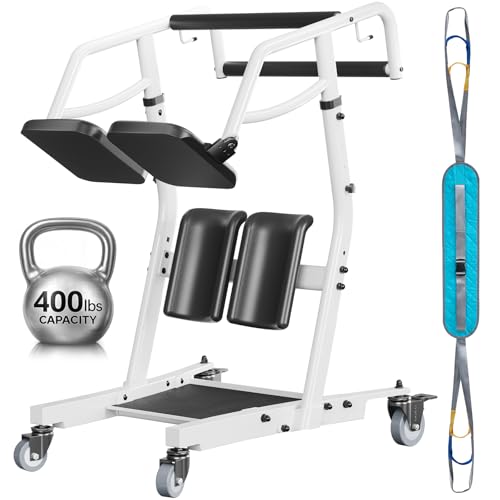
PERLECARE Sit to Stand Lift for Elderly with Safety Belt and Casters
- Adjustable Height for Custom Fit: Seat and knee pads with multiple height options
- Enhanced Safety Features: Safety strap and stable frame for fall prevention
- Compact and Portable Design: Fits most doorways and easy to transport
As an affiliate, we earn on qualifying purchases.
As an affiliate, we earn on qualifying purchases.
Growing Need for Elderly-Focused Emergency Care
The aging of the global population has led to increased demand for healthcare services tailored to older adults. Traditional emergency departments often lack the specialized training and protocols needed to effectively manage complex geriatric conditions. Over the past few years, several hospitals and health systems have begun establishing geriatric EDs, often supported by research highlighting the benefits of age-specific care models. These efforts are part of broader healthcare reforms aimed at addressing the unique needs of seniors.
“Geriatric EDs allow us to focus on the whole patient, not just their immediate injury or illness. We can intervene early to prevent deterioration and improve overall outcomes.”
— Dr. Jane Smith, Geriatric Emergency Physician

KWKSV Power Lift Recliner Chair for Elderly with Vibration Massage and Lumbar Heating Electric Recliner Sofa with Cup Holders and USB Charge Port for Living Room Comfort
- Power Lift for Easy Standing: Supports up to 160° recline for mobility
- Vibration Massage & Lumbar Heating: 8 motors with 5 modes and 2 intensities
- Multiple Storage Pockets: Includes side and front pockets for essentials
As an affiliate, we earn on qualifying purchases.
As an affiliate, we earn on qualifying purchases.
Uncertainties About Long-Term Impact and Scalability
While early results are promising, it remains unclear how widely geriatric emergency departments will be adopted across different healthcare systems and whether they will sustain long-term benefits. Data on cost-effectiveness and patient outcomes over extended periods are still emerging, and some experts question whether these specialized units can be scaled effectively in resource-limited settings.

Utopia Bedding Washable Underpads 34" x 36" (Pack of 4), Waterproof Reusable Heavy Absorbency Incontinence Bed Pads for Adults, Kids, Elderly and Pets, Bedwetting Pads for Sofa and Couch (Blue)
- Maximum Absorbency: Channels liquids to prevent leaks
- Versatile Use: Suitable for all ages and pets
- Enhanced Fluid Control: Absorbs up to 6 cups of water
As an affiliate, we earn on qualifying purchases.
As an affiliate, we earn on qualifying purchases.
Next Steps for Geriatric Emergency Department Expansion
Researchers and healthcare administrators plan to conduct longitudinal studies to evaluate the long-term impacts of geriatric EDs. Additionally, efforts are underway to develop standardized protocols and training programs to facilitate broader implementation. Policymakers may also consider funding incentives to encourage hospitals to establish these units, especially in regions with rapidly aging populations.

Emergency Medical Information Kit for Fridge – “File of Life” Style Magnet Packet with In Case of Emergency Forms, Medication List & Contact Cards – For Seniors, Elderly, EMTs & First Responders
- Placed on Refrigerator for EMTs: Easy access for first responders
- Quick Medical Details: Vital info at a glance
- All-in-One Document Storage: Holds forms, contacts, and cards
As an affiliate, we earn on qualifying purchases.
As an affiliate, we earn on qualifying purchases.
Key Questions
What are the main features of a geriatric emergency department?
Geriatric EDs include specialized staff trained in elder care, comprehensive assessments addressing physical, cognitive, and social issues, and protocols designed to prevent common geriatric complications like falls and delirium.
How do geriatric EDs improve patient outcomes?
By providing tailored assessments and interventions early, geriatric EDs can reduce hospital admissions, prevent complications, and improve overall health and satisfaction among older adults.
Are geriatric emergency departments cost-effective?
Initial studies suggest potential cost savings through reduced readmissions and complications, but comprehensive long-term data are still being collected to confirm these benefits.
Can all hospitals implement geriatric EDs?
Implementation depends on available resources, staff training, and patient demographics. Larger hospitals are more likely to adopt these specialized units, while smaller or resource-limited facilities may face challenges.
What is the future of geriatric emergency care?
Experts anticipate increased adoption, supported by ongoing research and policy initiatives, aiming to make age-specific emergency care a standard component of healthcare systems worldwide.
Source: rss