When your legs feel weak during caregiving, it’s essential to recognize the signs of fatigue and muscle weakness. Using assistive devices like walkers or canes can help reduce strain and keep you safe. Incorporating simple strength exercises and ensuring proper rest can improve your muscle endurance over time. Managing overexertion also prevents injury and burnout. Want to learn practical tips to handle these days better and stay confident? Keep exploring for more helpful strategies.
Key Takeaways
- Recognize signs of muscle fatigue to adjust caregiving tasks safely.
- Use assistive devices like walkers and gait belts to reduce strain.
- Incorporate simple leg strengthening exercises into daily routines.
- Avoid overexertion by balancing activity with rest and recovery.
- Prioritize rest and proper recovery to prevent injury and build muscle resilience.

Ever notice how some days your legs just refuse to cooperate, especially when you’re caring for others? It’s a common experience for caregivers, who often push themselves physically without realizing how fatigue and muscle weakness can sneak up on them. On these “weak leg days,” simple tasks like assisting a loved one out of bed or helping them walk can suddenly feel much more strenuous. That’s because your muscles might be fatigued or weakened from overuse, stress, or even inadequate rest. Recognizing this state is essential, as it allows you to adapt your approach and prevent injury.
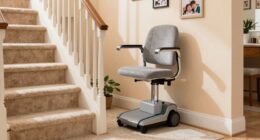
One of the most effective ways to manage weak leg days is to incorporate assistive devices into your routine. Items like walkers, canes, or gait belts can provide much-needed support and stability, reducing the strain on your legs. These devices aren’t signs of weakness or failure; they’re tools designed to help you perform caregiving tasks safely and efficiently. Using assistive devices can make a significant difference in maintaining your balance and preventing falls, especially when your muscles aren’t at their strongest. They allow you to focus on providing care without the added worry of losing stability or overexerting yourself.
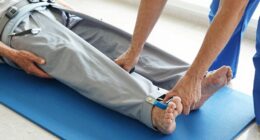
In addition to utilizing assistive tools, focusing on muscle strengthening exercises can help mitigate the frequency and severity of weak leg days. Even during busy caregiving routines, you can incorporate simple, targeted movements that build leg strength. Activities like seated leg lifts, ankle pumps, or gentle resistance exercises can be done in short intervals, making it easier to integrate into your day. Strengthening your muscles improves endurance, balance, and overall mobility, which are all essential when assisting others. Incorporating simple exercises into your routine can gradually improve muscle strength and reduce the impact of weak days. This is especially important because muscle fatigue can be compounded by factors like overexertion, which can be minimized through proper strength training. Additionally, understanding how natural fatigue impacts your muscles can help you better prepare for and manage these challenging days. Recognizing the importance of muscle recovery and incorporating rest periods can help prevent overtraining and reduce muscle weakness. Incorporating proper rest and recovery strategies is crucial for maintaining long-term muscle health and resilience. Over time, consistent muscle strengthening not only reduces the impact of weak days but also enhances your confidence and safety when performing caregiving tasks.
Frequently Asked Questions
Can Weak Leg Days Affect Overall Mobility Long-Term?
Weak leg days can impact your overall mobility long-term if muscle atrophy occurs, leading to reduced strength. This weakness can cause balance issues, increasing the risk of falls and injuries. As a caregiver, it’s important to encourage regular exercise and proper recovery to maintain muscle health. Addressing weak days proactively helps preserve mobility, ensuring you stay active and independent, and prevents long-term complications associated with muscle loss.
Are There Specific Exercises to Strengthen Weak Legs Safely?
Yes, you can strengthen weak legs safely through targeted exercises. Focus on balance training to improve stability and incorporate resistance exercises like seated leg presses or gentle squats to build strength gradually. Always start with light resistance and proper form. Consistency is key, and consulting a physical therapist can help tailor exercises to your needs. These steps will boost your leg strength while minimizing risk of injury.
How Can Caregivers Support Loved Ones During Weak Leg Days?
During weak leg days, you can support your loved ones by offering emotional encouragement and assisting with mobility. Use assistive devices like walkers or canes to help them move safely. Encourage gentle exercises and rest periods, and stay positive to boost their confidence. Your presence and reassurance make a significant difference, helping them feel supported and motivated as they work through these challenging days.
What Nutritional Tips Help Improve Leg Strength?
To boost leg strength, focus on maintaining a balanced diet with adequate protein intake, which helps muscle repair and growth. Incorporate nutrient-rich foods like lean meats, dairy, beans, and nuts. Additionally, doing balance exercises such as single-leg stands and stability drills can enhance muscle coordination and strength. Combining proper nutrition with these exercises will support your loved one’s recovery and strengthen their legs over time.
Is There a Recommended Frequency for Leg Recovery Periods?
You should aim for at least 48 hours of recovery between intense leg workouts. Incorporate exercise variety to avoid overuse and reduce fatigue, allowing your muscles to rebuild stronger. Use effective recovery strategies like stretching, hydration, and proper nutrition. Listening to your body is key; if you experience persistent soreness or fatigue, extend your rest periods. Consistent recovery helps prevent injuries and promotes steady progress in leg strength.
Conclusion
So, next time your legs decide to take a vacation on weak leg days, remember you’re the captain steering this wobbling ship. Embrace the comedy of your wobbly walk, like a newborn giraffe on roller skates. Just laugh it off, because someday, your legs will be back to their heroic self—until then, enjoy the slapstick show. After all, who knew caregiving came with such a hilarious slapstick routine?