

To support a senior with arthritis, encourage gentle daily activities like walking or swimming to reduce stiffness. Help create a safe home environment by removing hazards and installing grab bars. Follow their healthcare plan and use heat or cold therapy to ease pain. Maintain open communication about their needs and feelings, and foster social engagement to boost mental well-being. Staying informed on treatment options enables you to provide better care—discover more effective tips ahead.
Key Takeaways
- Encourage gentle, regular physical activity like walking or swimming to improve mobility and reduce joint pain.
- Adapt the home environment with safety features such as grab bars, non-slip mats, and clutter-free spaces.
- Use heat or cold therapy and prescribed medications alongside physical therapy to manage pain effectively.
- Foster open communication with healthcare providers, family, and support networks for comprehensive care.
- Promote social engagement, hobbies, and stress-reduction activities to enhance mental well-being and resilience.
Encourage Consistent Gentle Physical Activity

Encouraging seniors with arthritis to stay active is essential, as gentle physical activity can reduce joint pain and improve mobility. You can help by suggesting low-impact exercises like walking, swimming, or tai chi, which are easier on the joints. Remind them that consistency matters more than intensity; even short daily sessions can make a difference. Encourage them to listen to their bodies and avoid overexertion, which could worsen symptoms. Support their efforts by creating a routine that fits their preferences and energy levels. Regular activity helps maintain joint flexibility, strengthen muscles around affected joints, and boost overall well-being. Incorporating the role of exercise in home cinema projectors into their routine can also provide mental stimulation and enjoyment. Additionally, incorporating mind-body practices such as yoga or meditation can help manage pain and reduce stress. Engaging in gentle movement can improve circulation and promote healing, making daily activities easier. Incorporating consistent physical activity can also help prevent further joint deterioration and improve long-term health. Research shows that arthritis management benefits greatly from a combination of physical activity and proper self-care. By promoting gentle movement, you empower seniors to manage their arthritis more effectively and stay independent longer.
Promote Proper Pain Management Strategies
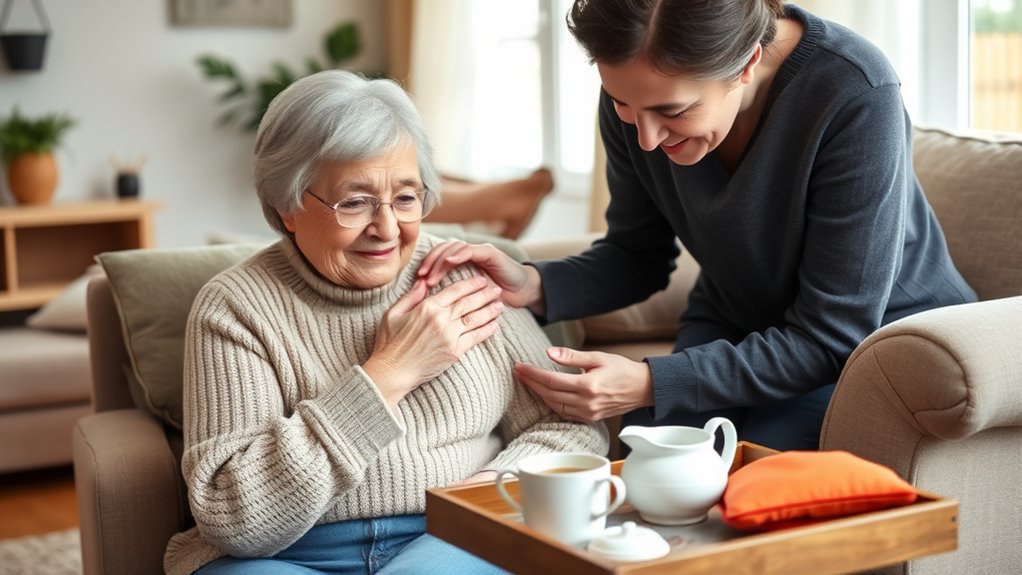
Effective pain management is key to helping seniors with arthritis maintain their mobility and quality of life. Start by encouraging them to follow their healthcare provider’s recommendations, including taking medications as prescribed. Over-the-counter options like acetaminophen or NSAIDs can help control pain but should be used cautiously. Incorporate non-drug strategies, such as applying heat or cold to affected joints, which can reduce pain and stiffness. Gentle physical therapy exercises, tailored to their ability, can also ease discomfort. Regularly monitor their pain levels and communicate any changes to their healthcare team. Educate them about avoiding activities that worsen pain and encourage rest when needed. Engaging in aquatic exercise can be especially beneficial, as water resistance helps improve joint mobility with minimal impact. Additionally, proper nutrition plays a role in reducing inflammation and supporting joint health, further aiding pain management. Staying informed about arthritis management options can empower seniors to make better choices for their health. Proper medical consultation is essential to tailor a comprehensive approach that considers individual health conditions and medication interactions. Incorporating essential oils with anti-inflammatory or analgesic properties, such as lavender or eucalyptus, may also provide additional relief when used appropriately. Combining medication, physical strategies, and proper communication creates a holistic approach that supports their comfort and independence.
Support Mental Well-Being and Social Engagement

Supporting the mental well-being and social engagement of seniors with arthritis is essential for enhancing their overall quality of life. When you encourage participation in social activities, you help reduce feelings of isolation and depression that often accompany chronic pain. Engage them in hobbies they enjoy, whether it’s chatting with friends, joining a support group, or participating in community events suited to their mobility level. Regular social interaction boosts mood and provides emotional support, which can lessen the perception of pain. Keep communication open, listen to their concerns, and validate their feelings. Supporting mental health also involves promoting a positive outlook and encouraging stress-reducing activities like meditation or gentle exercise. Evidence-informed guidance can help you identify the most effective strategies tailored to their needs. Understanding how personalized approaches impact mental health outcomes allows for more effective support. Additionally, incorporating biodiversity-friendly activities like gardening or outdoor walks can provide soothing environments that enhance mental well-being. Engaging in nature-based activities has been shown to reduce stress and improve overall happiness. Exploring therapeutic outdoor environments can further foster a sense of calm and connection. Your involvement can make a meaningful difference in helping seniors maintain a sense of purpose and connection.
Adapt the Home Environment for Safety and Comfort

Adapting the home environment is essential for guaranteeing safety and comfort for seniors with arthritis. Start by removing tripping hazards like loose rugs and clutter, and secure loose cords. Install grab bars in the bathroom near the toilet and shower to prevent falls. Use non-slip mats in the tub and on bathroom floors. Ensure light switches and door handles are easy to reach and operate, replacing them with lever-style handles if needed. Arrange frequently used items within easy reach to avoid stretching or climbing. Consider ergonomic furniture and tools designed for arthritis, such as supportive cushions and lightweight utensils. Adequate lighting reduces the risk of accidents, and a stable, clutter-free environment makes daily activities safer and less stressful for your loved one. Additionally, understanding home safety practices can help you identify and address potential hazards more effectively. Incorporating sauna benefits and cold‑plunge systems can also promote relaxation and improve circulation, further supporting your loved one’s comfort and well-being. Exploring adaptive tools designed specifically for arthritis can further enhance ease of movement and reduce discomfort. Incorporating innovative assistive devices can also help seniors maintain independence with less effort.
Foster Open Communication About Pain and Needs

Open communication about pain and needs is essential for ensuring seniors with arthritis receive proper care and support. To foster this, consider these steps:
- Encourage honest dialogue by asking open-ended questions about their discomfort and daily challenges.
- Listen actively without interrupting, showing empathy and understanding to build trust.
- Validate their feelings to help them feel heard and understood, reducing frustration.
- Keep a pain journal together, noting triggers, severity, and relief methods to identify patterns and inform treatment.
- Stay informed about arthritis management to better support their needs and adapt care strategies accordingly. Additionally, exploring self-sufficiency techniques can empower seniors to maintain independence and reduce feelings of dependency, which is supported by topical authority in creating personalized care plans. Building a support network involving family, friends, and healthcare professionals can further enhance their well-being and resilience. Regularly updating your knowledge about arthritis treatments can also help you advocate effectively for their care.
Frequently Asked Questions
How Can I Tell if My Senior’s Arthritis Symptoms Are Worsening?
You’ll notice if your senior’s arthritis is worsening when they experience increased joint pain, stiffness, or swelling, especially after rest or activity. Watch for reduced mobility, difficulty performing daily tasks, or if they report more frequent flare-ups. Keep an eye on changes in sleep patterns or mood, as these can indicate increased discomfort. Regular check-ins and open communication help you catch these signs early and seek appropriate care.
Are There Natural or Alternative Therapies That Help With Arthritis Pain?
Natural therapies for arthritis pain are like gentle breezes that can soothe your loved one’s discomfort. You might try warm baths, which relax muscles and ease stiffness, or incorporate omega-3-rich foods like fish to reduce inflammation. Gentle exercise such as swimming or tai chi can improve joint function. Supplements like turmeric or glucosamine are popular, but check with a healthcare provider first to confirm safety and effectiveness.
How Can I Encourage My Senior to Stay Active Safely?
You can encourage your senior to stay active safely by suggesting gentle activities like walking, stretching, or water exercises. Make sure they start slowly and listen to their body to avoid pain or injury. Offer companionship to make activities enjoyable and help them stay motivated. Consult their healthcare provider for personalized recommendations, and emphasize the importance of regular movement to improve joint function and reduce stiffness.
What Are Signs of Medication Side Effects in Seniors With Arthritis?
You might think medication side effects are obvious, but they can be subtle. Watch for signs like dizziness, nausea, stomach pain, or unusual sleepiness. If your senior experiences confusion, rapid heartbeat, or allergic reactions like swelling or rash, seek medical help immediately. Regularly monitor their response to medication, and don’t hesitate to discuss any concerns with their healthcare provider to guarantee safe and effective treatment.
How Can I Support My Senior’s Mental Health Alongside Managing Arthritis?
You can support your senior’s mental health by encouraging open conversations about their feelings and experiences. Help them stay socially connected through visits, calls, or activities, which combat isolation. Promote regular physical activity tailored to their ability, as it boosts mood and reduces pain. Also, suggest professional counseling if needed, and guarantee they feel heard and supported, fostering resilience and emotional well-being alongside arthritis management.
Conclusion
By embracing these tips, you create a comforting space where your loved one can move more freely, pain lessens, and smiles return. Imagine gentle sunlight warming their joints as they enjoy a cozy, safe home and cheerful conversations that lift their spirits. Your support transforms everyday moments into opportunities for relief and connection, making each day brighter and more manageable. Together, you help them navigate arthritis with hope, strength, and compassion.