
To help prevent lung infections in bedridden or frail seniors, focus on encouraging deep breathing, coughing exercises, and maintaining good hygiene. Make certain they receive all recommended vaccines, like pneumonia and flu shots, and keep living spaces clean and well-ventilated. Watch for early signs of illness and act quickly. Incorporating these simple strategies can make a big difference in reducing pneumonia risks. Keep exploring for more ways to protect your loved ones’ lung health.
Key Takeaways
- Encourage regular deep breathing and coughing exercises to promote lung expansion and mucus clearance.
- Ensure seniors are current with pneumococcal and influenza vaccinations to prevent respiratory infections.
- Maintain a clean, well-ventilated environment and promote good hand hygiene to reduce pathogen exposure.
- Monitor for early symptoms like cough or fever and seek prompt medical care to prevent complications.
- Combine respiratory exercises, vaccination, and hygiene practices for comprehensive lung infection prevention.

Lung infections can pose serious health risks for seniors, but many of these illnesses can be prevented with simple steps. If you’re caring for a bedridden or frail senior, you need to be proactive in protecting their lungs. One effective way is to encourage respiratory exercises. These exercises help keep the lungs active and clear of mucus, reducing the risk of infections like pneumonia. Even gentle deep breathing or coughing techniques can make a big difference. You might guide them to take slow, deep breaths several times a day or assist with simple techniques that promote lung expansion. Such practices improve oxygen intake and aid in clearing out any accumulated fluids or secretions, which are common in seniors with limited mobility. Incorporating respiratory exercises into their daily routine can considerably boost their lung health and overall well-being.
Another essential aspect is vaccination awareness. Many seniors are unaware that vaccines play a crucial role in preventing lung infections. Ensuring your loved one is up-to-date on their pneumococcal and influenza vaccines is essential. These vaccines are proven to lower the chances of developing serious respiratory illnesses, which can be particularly dangerous for frail or immobile seniors. Talk to their healthcare provider about the recommended vaccination schedule and make sure they receive these shots on time. Being proactive about vaccinations not only protects your loved one but also helps prevent the spread of contagious respiratory diseases within your household or care facility.
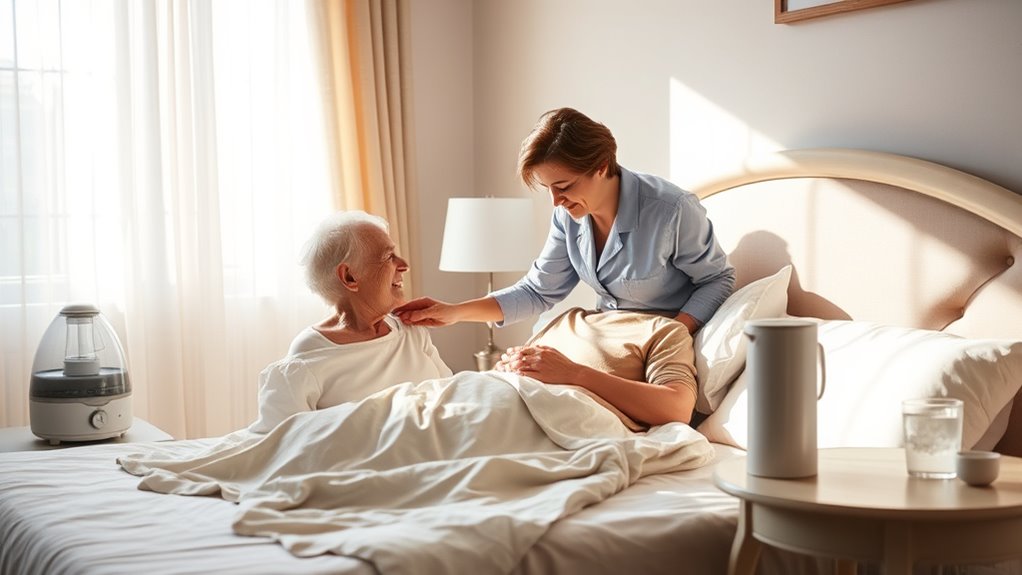
Alongside exercises and vaccinations, maintaining good hygiene practices is vital. Encourage handwashing, especially before meals and after coughing or sneezing, to minimize the spread of germs. Keep their environment clean and well-ventilated, which helps reduce airborne pathogens. If your loved one is bedridden, regularly changing bedding and using appropriate respiratory support devices can also help prevent infections. Staying vigilant for early symptoms like cough, fever, or shortness of breath allows for prompt medical attention, reducing the risk of complications. Recognizing the importance of projector technology in various settings highlights the value of proactive health measures in home and care environments.
Ultimately, protecting a frail or bedridden senior from lung infections involves a combination of consistent respiratory exercises, vaccination awareness, hygiene, and early intervention. By staying informed and proactive, you can help your loved one maintain better lung health and avoid the serious consequences that pneumonia and other respiratory infections can bring. Your attentiveness and simple preventive actions can make a considerable difference in their quality of life and longevity.
Frequently Asked Questions
How Can I Tell if a Senior Is Developing Pneumonia Early?
To spot early signs of pneumonia, monitor the senior’s symptoms closely. Watch for changes like increased cough, shortness of breath, fever, or chest discomfort. Notice if they become more fatigued or confused, which can be subtle indicators. Regular symptom monitoring helps with early detection, so you can seek medical advice promptly. Staying alert to these signs guarantees you identify pneumonia early, improving their chances of quick recovery.
Are There Specific Vaccines Recommended for Preventing Lung Infections?
Think of protecting your loved one like shielding the fortress of Troy. You should get them pneumococcal vaccines and influenza immunizations, which are specifically recommended to prevent lung infections. These vaccines help guard against bacteria and viruses that can cause pneumonia, especially in seniors who are bedridden or frail. Talk to their healthcare provider about scheduling these immunizations regularly, ensuring they stay protected and reduce the risk of serious lung infections.
What Home Modifications Can Reduce Pneumonia Risk for Bedridden Seniors?
You can reduce pneumonia risk for bedridden seniors by adding bed rail safety features to prevent falls and injuries. Incorporate antimicrobial surfaces on frequently touched areas like bed rails, bedside tables, and doorknobs to minimize germs. Guarantee the environment is clean and clutter-free, with good ventilation. Regularly disinfect surfaces, encourage proper positioning, and monitor breathing to lower infection chances and promote better lung health.
How Does Nutrition Impact a Senior’s Lung Health?
Did you know that good nutrition can reduce pneumonia risk by up to 30%? When you focus on diet quality, you strengthen your immune system and support lung health. Staying well-hydrated improves mucus clearance, making it easier to fight infections. Proper nutrition also helps maintain muscle strength, including the muscles involved in breathing. So, prioritize balanced meals and hydration to protect your lungs and overall health.
Can Respiratory Exercises Help Prevent Pneumonia in Frail Elders?
Yes, respiratory exercises can help prevent pneumonia in frail elders. By practicing breathing techniques regularly, you can improve lung capacity and strengthen respiratory muscles. These exercises encourage deep breathing, which helps clear mucus and reduces infection risk. Incorporate simple techniques like diaphragmatic breathing or pursed-lip breathing into daily routines. Staying consistent with these exercises boosts lung health and can considerably lower the chances of developing pneumonia.
Conclusion
Just as a sturdy ship needs a vigilant captain, your loved ones rely on you to guard their health. By following these simple tips, you can help prevent lung infections and keep them sailing smoothly through their days. Remember, a little proactive care today can prevent storms tomorrow. With your dedication, you’re not just caring—you’re nurturing a safe harbor where your loved ones can breathe easy and thrive.