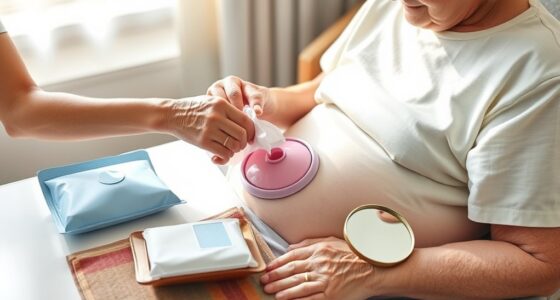
Supporting a loved one through dialysis at home gives them more independence and flexibility, allowing treatment to fit into their daily routine. Your involvement helps guarantee proper setup, safe procedures, and early detection of potential issues. It can strengthen your relationship and boost their confidence, all while providing emotional reassurance. Living together makes it easier to manage treatments and maintain normal life. To discover how to make this process smoother for both of you, learn more about home dialysis support strategies.
Key Takeaways
- Educate yourself about dialysis procedures and potential complications to provide effective support and reassurance.
- Assist with setup, operation, and maintenance of home dialysis equipment to ensure safe treatment.
- Monitor your loved one for warning signs and communicate with healthcare providers promptly.
- Offer emotional support and encouragement to foster confidence and reduce treatment-related stress.
- Encourage independence while providing necessary assistance to promote a positive, collaborative caregiving environment.

Have you ever wondered if you can undergo dialysis comfortably at home? The answer is yes, and more people are discovering how manageable and empowering home dialysis can be. One of the biggest advantages is that it promotes patient independence, giving your loved one more control over their treatment schedule and daily routine. Instead of being tied to a dialysis center’s hours, they can perform treatments at times that suit their lifestyle, which can considerably improve their quality of life. This independence means they can travel more easily, spend more time with family, and maintain a sense of normalcy. However, to make this possible, caregiver support plays a crucial role. As a caregiver, your involvement might include setting up the equipment, ensuring proper technique, and monitoring for any complications. Your support not only helps guarantee the treatment is done safely but also provides your loved one with emotional reassurance, making the process less intimidating and more manageable.
Transitioning to home dialysis can seem formidable at first, but with proper training and support, it becomes a feasible and rewarding experience. Many healthcare providers offer extensive training programs, guiding both patients and caregivers through each step. This education empowers you to assist effectively, whether it’s preparing the dialysis machine, managing supplies, or recognizing warning signs that need medical attention. Your active participation fosters a team approach, which is essential for maintaining safety and treatment efficacy. It’s important to remember that your role isn’t just technical; your emotional support helps your loved one stay positive and motivated. Encouraging independence doesn’t mean you’re stepping back; instead, you’re facilitating a balanced partnership that enhances their confidence and autonomy. Additionally, understanding proper sauna and cold-plunge maintenance can help promote overall well-being and relaxation during recovery routines.
As a caregiver, you’ll also find that taking on this role can strengthen your relationship. Being involved in daily treatment routines allows for closer connection and better communication. It’s natural to feel overwhelmed at times, but knowing you’re contributing directly to your loved one’s health can be incredibly fulfilling. Plus, with the right resources, such as support groups and healthcare team guidance, you’ll never feel alone in this journey. Ultimately, fostering patient independence through home dialysis benefits everyone involved—your loved one gains a sense of control, and you gain peace of mind knowing they’re receiving their treatment in a safe, familiar environment. By supporting their independence and providing caregiver assistance, you’re helping them live more comfortably and confidently despite their kidney disease.
Frequently Asked Questions
How Do I Handle Emergencies During Home Dialysis?
When emergencies happen during home dialysis, stay calm and act quickly. Prepare an emergency kit with supplies and contact information for your healthcare team. Follow your training for crisis communication, informing emergency services if needed and notifying your loved one’s doctor immediately. Keep a list of symptoms to watch for, and guarantee you know how to shut down equipment safely. Staying prepared and calm helps you handle crises effectively.
What Supplies Are Needed for Home Dialysis Setup?
Imagine a well-oiled machine—your home dialysis setup needs the right supplies to run smoothly. You’ll need sterile dialysate, tubing, needles, and gloves, plus a clean workspace. Equipment maintenance is vital, so regularly check and replace supplies to prevent issues. Effective supply management keeps everything ready, ensuring treatment stays safe and uninterrupted. By staying organized and attentive, you support your loved one’s health and make home dialysis a seamless part of daily life.
How Can I Ensure My Loved One’s Safety During Treatment?
To guarantee your loved one’s safety during home dialysis, closely monitor their patient nutrition and hydration, preventing complications. Keep an eye on how they feel emotionally, offering consistent emotional support to reduce stress and anxiety. Follow the prescribed treatment plan carefully, including proper hygiene and equipment checks. Regularly communicate with healthcare providers to address any concerns promptly, creating a safe, supportive environment that promotes their well-being and comfort during treatment.
What Training Is Required to Assist With Dialysis at Home?
Did you know that over 80% of home dialysis patients succeed with proper training? To assist, you’ll need patient education on dialysis procedures, safety protocols, and infection control. Caregiver responsibilities include managing equipment, monitoring for complications, and maintaining hygiene. You typically undergo extensive training from healthcare providers, which covers practical skills and emergency procedures, ensuring you’re fully prepared to support your loved one confidently and safely during treatment.
How Do I Manage Complications or Side Effects at Home?
To manage complications or side effects at home, you should closely monitor your loved one’s symptoms and maintain open communication with their healthcare team. Focus on medication management to prevent adverse reactions, and provide emotional support to ease anxiety or frustration. If you notice any signs of infection, dizziness, or unusual fatigue, seek medical advice promptly. Your attentive care helps guarantee safety and comfort during dialysis treatments.
Conclusion
Supporting your loved one through dialysis at home can be life-changing. Imagine Sarah, who gently helps her father set up his treatment, knowing he’s more comfortable and in control. With your encouragement and the right support, you both navigate this journey confidently. Remember, your presence makes a difference—offering comfort, reassurance, and strength. Together, you can make dialysis a manageable part of everyday life, empowering your loved one to focus on what truly matters: quality time and hope.