
When your loved one doesn’t recognize you, it can be heartbreaking and confusing. Remember, this loss of recognition is caused by brain changes from conditions like Alzheimer’s, affecting memory and connection. Focus on staying patient and using gentle cues like touch, visuals, or calming words. Your effort to understand and adapt helps maintain your bond. To learn more about coping strategies and the latest research, continue exploring ways to support and connect during this challenging time.
Play games included with Prime
Start a Prime free trial and play with Amazon Luna on your devices.
As an affiliate, we earn on qualifying purchases.
Key Takeaways
- Use non-verbal cues like touch, eye contact, and gentle gestures to reassure and connect.
- Maintain a calm, simple communication style and give extra time for processing.
- Focus on shared moments and emotional connection beyond recognition.
- Create a familiar, stress-reduced environment with routines and visual cues.
- Practice patience, empathy, and understanding to support emotional well-being.
senior dementia communication tools
As an affiliate, we earn on qualifying purchases.
As an affiliate, we earn on qualifying purchases.
Understanding the Causes of Memory Loss in Alzheimer’s

Understanding the causes of memory loss in Alzheimer’s involves looking at specific changes happening in the brain. One significant factor is the breakdown of perineuronal nets (PNNs), which are mesh-like structures that surround neurons, supporting social memory formation. When PNNs degrade, especially in the hippocampal CA2 region, your loved one’s ability to recognize familiar faces and remember social connections diminishes. This deterioration impairs neural communication and disrupts the brain’s network integrity. These structural changes are now viewed as key contributors to Alzheimer’s progression and are targeted by emerging therapies. Recent studies also suggest that the loss of PNNs may be linked to decreased electric activity within neural circuits, further exacerbating memory deficits. Additionally, neuroplasticity may offer some hope for developing interventions that promote brain resilience despite these degenerative changes. Moreover, advances in brain imaging techniques are improving our ability to detect these structural changes early, which could lead to more effective treatment strategies. Recognizing the role of inflammation in brain tissue may also open new avenues for preventing or slowing down neurodegeneration. Some research indicates that immune responses play a critical role in the progression of neurodegenerative processes, highlighting the importance of immune system regulation.
familiarity visual cues for Alzheimer’s
As an affiliate, we earn on qualifying purchases.
As an affiliate, we earn on qualifying purchases.
Recognizing the Impact on Family and Relationships
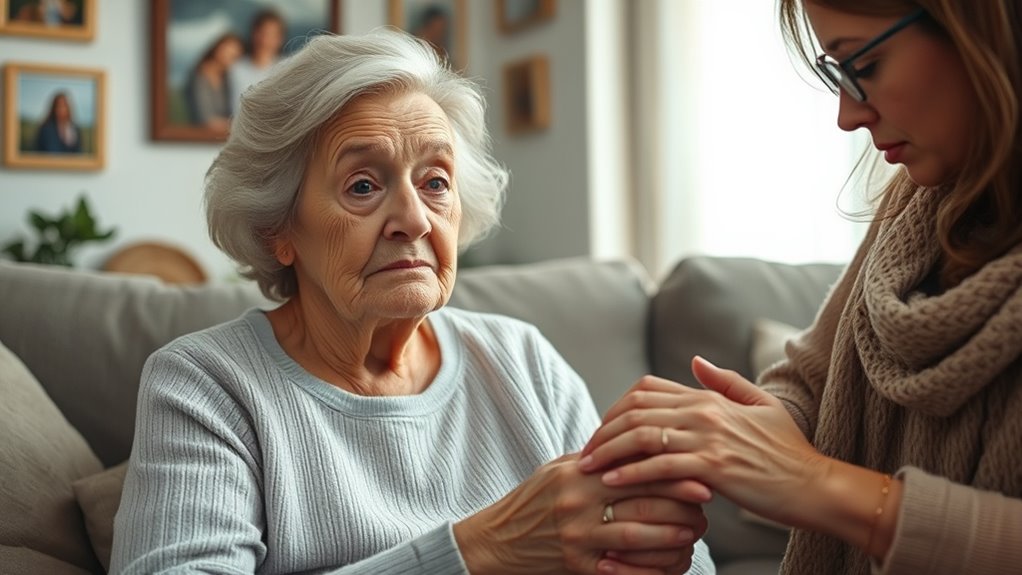
Memory loss in a loved one deeply affects family dynamics and relationships. You might notice increased frustration, emotional distance, or misunderstandings as your loved one struggles to recognize familiar people or places. Daily interactions can become challenging, leading to feelings of helplessness or sadness. Caregiving responsibilities often intensify, putting extra strain on your emotional and physical health. You may also experience grief, mourning the loss of the person you once knew. Despite these challenges, some families find ways to grow closer by adapting their communication and creating new shared experiences. Recognizing the emotional toll and changes in your relationships helps you better understand your loved one’s condition. It also encourages you to seek support and build resilience through patience, compassion, and shared effort. Understanding dog breed traits and behavioral cues can sometimes help you better interpret your loved one’s needs and responses, fostering more meaningful interactions. Being aware of caregiver support resources can provide essential assistance during difficult times, including understanding Feature Buddies and other tools that facilitate emotional connection. Additionally, learning about memory care strategies can help you develop effective approaches to manage daily challenges with compassion and patience. Engaging with professional assistance can also offer tailored guidance to support both your loved one and yourself through these emotional and practical challenges.
calming sensory toys for dementia patients
As an affiliate, we earn on qualifying purchases.
As an affiliate, we earn on qualifying purchases.
Practical Strategies to Manage Memory Challenges

To effectively manage memory challenges, implementing practical strategies can make daily life more manageable and reduce frustration. Keep routines consistent and simple; clear schedules help your loved one anticipate daily activities. Use visual cues like labels, calendars, and photographs to reinforce memory and recognition. Break tasks into small, manageable steps to prevent overwhelm. Maintain a calm environment, minimizing noise and distractions that can cause confusion. Encourage the use of memory aids such as reminder notes or digital devices tailored for cognitive support. Engage in activities that stimulate the brain, like music or puzzles, to promote connection and mental engagement. Regularly incorporating cognitive stimulation can help slow memory decline and keep your loved one engaged. Incorporating environmental modifications can further support their independence and safety. Creating a supportive environment is essential for reducing stress and fostering a sense of security. Being attentive to pet health concerns, like routine veterinary visits, can also contribute to overall well-being. Be patient and adapt your approach as needs change, celebrating small successes to foster confidence. These strategies create a supportive atmosphere that reduces stress for both of you. Creating calm can help reduce anxiety and improve daily interactions for your loved one.
As an affiliate, we earn on qualifying purchases.
The Role of Support Networks and Resources

Have you considered how support networks and resources can make managing memory loss easier? They provide vital emotional support, practical assistance, and valuable education. Here’s how they help:
- Connecting you to local or online caregiver groups where you can share experiences and advice.
- Accessing professional services like memory clinics, counseling, and respite care to ease daily burdens.
- Utilizing educational programs that inform you about the disease process and effective caregiving techniques.
These resources empower you with knowledge, reduce feelings of isolation, and help you develop effective coping strategies. By actively engaging with support networks, you strengthen your resilience and improve the quality of care for your loved one. Remember, you’re not alone in this journey.
Emerging Treatments and Research Advances

Recent research is exploring ways to target perineuronal nets (PNNs), which are critical for social memory, to slow or prevent memory loss. Scientists are developing new drugs that aim to protect or restore PNNs, potentially offering more effective treatments. These advances could lead to therapies that address the root causes of memory decline in Alzheimer’s disease.
Targeting Perineuronal Nets
Emerging research highlights the potential of targeting perineuronal nets (PNNs) to develop new treatments for Alzheimer’s disease. PNNs are protective mesh-like structures around neurons that support social memory. When these nets degrade, social recognition, especially of loved ones, declines. Scientists are exploring ways to preserve or restore PNNs, aiming to slow or reverse memory loss. Here’s how this research advances:
- Identifying molecules that strengthen PNNs to protect neurons.
- Developing drugs that prevent PNN degradation in key brain regions.
- Testing therapies in animal models to assess their ability to maintain social memory.
These efforts could lead to targeted treatments that address the root causes of social memory loss, offering hope for improved quality of life.
Promising New Drug Developments
Building on research that underscores the importance of preserving perineuronal nets (PNNs), scientists are now making significant progress in developing drugs aimed at protecting these structures. Emerging treatments focus on preventing PNN degradation, which is linked to social memory loss in Alzheimer’s. Researchers are exploring compounds that strengthen PNNs or inhibit enzymes that break them down. These advances could slow disease progression and improve recognition abilities. Here’s a snapshot of promising developments:
| Drug Candidate | Mechanism of Action | Stage of Research | Potential Benefits | Challenges |
|---|---|---|---|---|
| PNN Protectors | Stabilize PNNs | Preclinical | Preserve social memory | Human trials needed |
| Enzyme Inhibitors | Block PNN breakdown | Early trials | Reduce memory decline | Long-term safety |
| Neuroprotectives | Support neuron health | Laboratory | Slow neurodegeneration | Efficacy in humans |
Fostering Connection and Compassion Amid Memory Loss

Fostering connection and compassion amid memory loss requires intentional effort and understanding. You can strengthen your bond by focusing on shared moments and showing patience. Here are three ways to do that:
- Use non-verbal cues like touch, eye contact, and gentle gestures to communicate warmth and reassurance.
- Simplify conversations with clear, calm language, and give your loved one time to process.
- Create routines that provide stability and familiarity, reducing confusion and anxiety.
Frequently Asked Questions
How Can I Tell if My Loved One’s Memory Loss Is Normal Aging or Alzheimer’s?
You can tell if your loved one’s memory loss is normal aging or Alzheimer’s by observing how often they forget recent events, conversations, or appointments. Normal aging might cause occasional forgetfulness, but Alzheimer’s typically leads to persistent, worsening memory problems that interfere with daily life. Look for signs like difficulty completing familiar tasks, confusion with time or place, and changes in personality. Consulting a healthcare professional can help determine the cause.
What Are Some Ways to Handle Emotional Grief When Recognition Is Lost?
You can handle emotional grief by accepting your feelings and giving yourself permission to grieve. Focus on creating new moments of connection, like sharing a favorite song or looking through old photos. Practice self-care, seek support from friends, family, or support groups, and consider counseling to process your emotions. Remember, it’s okay to feel sad; nurturing your emotional well-being helps you stay resilient and present for your loved one.
Are There Specific Activities That Can Help Stimulate Social Memory?
Imagine a warm, familiar melody guiding your loved one’s mind back to cherished moments. Activities like looking through photo albums, listening to favorite songs, or sharing sensory experiences can spark social memory. Engage their senses with tactile objects or familiar scents. These moments create a bridge to their past, helping to rekindle recognition and emotional connection, even when memories fade. Consistent, loving interactions strengthen bonds and foster comfort.
How Can I Maintain My Own Mental Health While Caring for Someone With Alzheimer’s?
To maintain your mental health while caring for someone with Alzheimer’s, prioritize self-care, set boundaries, and seek support. Take regular breaks, stay connected with friends and family, and engage in activities that relax and recharge you. Use available resources like caregiver support groups and counseling. Remember, caring for yourself isn’t selfish; it’s essential for providing the best support to your loved one and maintaining your well-being.
What Legal and Financial Planning Should I Consider Early in Diagnosis?
Think of your loved one’s future as a sturdy bridge you’re building now. You should start legal and financial planning early, like drafting a will, setting up power of attorney, and exploring long-term care options. This proactive approach guarantees their needs are met and reduces stress later. By securing these foundations today, you protect their well-being and your peace of mind, steering the journey ahead with confidence and clarity.
Conclusion
Remember, even when your loved one doesn’t recognize you, your compassion and patience are the strongest anchors in their world. Every gentle word and caring gesture can light up their day brighter than the sun. While the journey through memory loss can feel overwhelming, your unwavering support creates a safe harbor amid the storm. Keep hope alive—your love is a powerful force, capable of transforming the toughest moments into moments of connection and understanding.
NFL season / tailgating Picks
team gear
As an affiliate, we earn on qualifying purchases.