Using music and reminiscence therapy allows you to create a comforting environment for those with dementia. By playing familiar songs and encouraging personal stories, you can help evoke positive memories and emotional responses. This approach boosts communication, reduces anxiety, and promotes social connection. Tailoring activities to individual preferences and cultural backgrounds makes them more meaningful. Keep exploring to discover practical ways to incorporate these therapies and enhance the well-being of your loved ones.
Listen free for 30 days with Audible
Thousands of audiobooks and originals — cancel anytime.
As an affiliate, we earn on qualifying purchases.
Key Takeaways
- Personal music and reminiscence evoke positive memories, reducing anxiety and promoting emotional comfort in dementia patients.
- Familiar melodies facilitate communication, supporting language skills and encouraging social interaction.
- Incorporating cultural and personal preferences enhances engagement and emotional connection.
- Creating calm, predictable environments around music sessions decreases agitation and fosters a sense of safety.
- Sharing stories and memorabilia during music therapy deepens emotional bonds and reinforces individual identity.
personalized music playlist for dementia
As an affiliate, we earn on qualifying purchases.
As an affiliate, we earn on qualifying purchases.
The Role of Music Therapy in Dementia Care

Music therapy plays a vital role in dementia care by offering a nonpharmacological approach that addresses behavioral and psychological symptoms. You can use music therapy to reduce anxiety, depression, and apathy, helping improve emotional well-being. It’s also effective in enhancing verbal fluency and language skills, making communication easier for individuals with dementia. Active engagement, like singing or playing instruments, can boost mood and social interaction, while listening to familiar tunes can evoke positive memories. Additionally, familiar music often triggers emotional responses, helping to reconnect individuals with their memories and feelings. Although effects on cognition vary, many find that music helps regulate stress and promotes relaxation. As a versatile intervention, music therapy can be tailored to each person’s preferences and needs, making it a valuable addition to extensive dementia care. Its low risk and high acceptance make it an accessible, effective option. Incorporating sound quality considerations can further enhance the therapeutic benefits of music sessions. Additionally, paying attention to acoustic environment can help optimize the comfort and effectiveness of therapy sessions. Using personalized playlists ensures that music resonates more deeply with individuals, fostering a stronger emotional connection. Furthermore, understanding the benefits of music therapy can help caregivers advocate for its integration into comprehensive care plans.
music therapy for dementia patients
As an affiliate, we earn on qualifying purchases.
As an affiliate, we earn on qualifying purchases.
How Reminiscence Therapy Uses Personal Music Memories

Reminiscence therapy leverages personal music memories to evoke emotional responses and reconnect individuals with their past. You encourage your loved one to listen to songs that hold special meaning, such as tunes from their youth or significant life events. These familiar melodies often trigger vivid memories, helping them recall details and emotions associated with specific times and places. As they sing along or simply listen, they may experience moments of joy, comfort, or nostalgia. This process not only stimulates their brain but also fosters a sense of identity and continuity. Music therapy can be an effective component of dementia care by harnessing the power of familiar sounds to promote emotional well-being. By tapping into these personal music memories, you create a safe space for emotional expression and connection, helping to reduce feelings of confusion, anxiety, and isolation often experienced by those with dementia. Additionally, understanding the benefits of music therapy can guide caregivers in designing more effective and personalized interventions for their loved ones. Incorporating essential oils for emotional support, such as lavender or frankincense, may further enhance the calming effect during reminiscence sessions. Utilizing music therapy techniques grounded in research can optimize the therapeutic impact and deepen emotional connections. Using specialized playlists tailored to individual preferences can further enhance engagement and comfort during these sessions.
As an affiliate, we earn on qualifying purchases.
Benefits of Music for Enhancing Communication and Language Skills
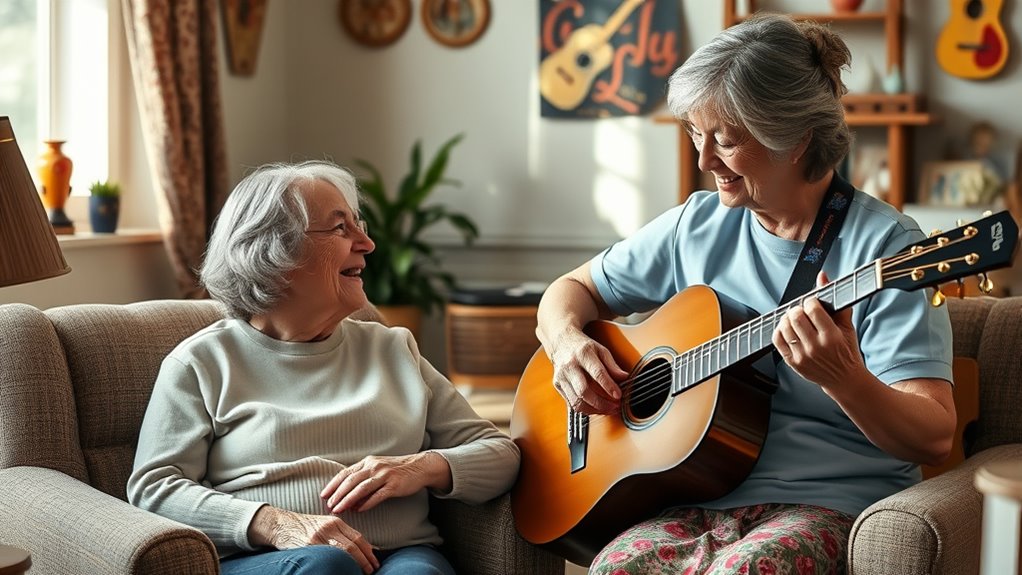
Music can help you improve communication and language skills in people with dementia by boosting verbal fluency. Listening to or singing familiar songs encourages memory recall that supports expressive language. Engaging with music provides a natural way to strengthen social interactions and maintain meaningful conversations. Additionally, incorporating music therapy techniques can further enhance cognitive and emotional well-being in those with dementia. The use of digital displays and other high-tech innovations in music therapy devices can personalize the experience and increase engagement, leading to better communication outcomes. Incorporating ventilation considerations can also improve comfort and safety during music therapy sessions. Understanding how neuroscience supports music’s effects can help tailor interventions for maximum benefit. Moreover, fostering a positive emotional state through music can significantly boost motivation and participation in therapy.
Enhancing Verbal Fluency
Engaging in musical activities can considerably boost verbal fluency and communication skills in people with dementia. When you sing, hum, or participate in musical exercises, it stimulates areas of the brain responsible for language production. Repeating lyrics or singing familiar songs encourages word retrieval and helps reinforce speech patterns. Active participation, like singing along or improvising melodies, reinforces language pathways, making it easier to express thoughts and needs. Music also provides a structured yet enjoyable context for conversation, reducing frustration associated with speaking difficulties. As you incorporate music into routines, you support the maintenance of verbal skills and create opportunities for meaningful interaction. Additionally, understanding the neuroscience behind music therapy reveals how musical engagement can promote neuroplasticity, further aiding language recovery. This approach not only enhances communication but also fosters confidence and social connection in individuals with dementia.
Stimulating Memory Recall
When familiar melodies are played, they can trigger vivid memories and emotional responses, helping you access past experiences more easily. Music taps into deep-seated memories stored in the brain’s emotional centers, often bypassing language barriers. Listening to songs from a person’s youth or significant life moments can evoke detailed recollections, making it easier to reconnect with their personal history. Singing along or humming familiar tunes can reinforce memory pathways, encouraging speech and communication. These musical cues can spark conversations and sharing of stories, fostering social interaction. Music’s emotional power can release long-term memories that have been difficult to access otherwise. Additionally, understanding the Rhythm Failure phenomenon emphasizes how music can influence brain function and memory retrieval. Incorporating familiar melodies into therapy sessions can also help in managing exam anxiety by creating a calming environment. Overall, using familiar melodies serves as a bridge to past experiences, promoting cognitive recall and strengthening communication skills in those with dementia. Recognizing the impact of music and emotional centers highlights its role in emotional healing and memory reinforcement.
familiar songs for elderly memory care
As an affiliate, we earn on qualifying purchases.
As an affiliate, we earn on qualifying purchases.
Emotional and Psychological Improvements Through Musical Engagement
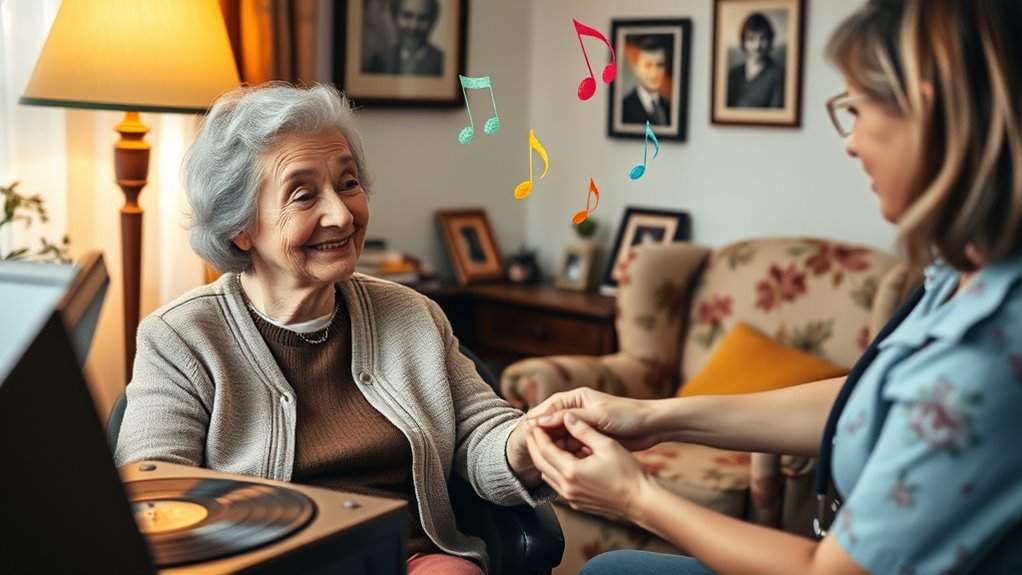
Musical engagement can considerably enhance emotional well-being in individuals with dementia by fostering positive feelings and reducing distress. Listening to familiar songs or singing along often lifts mood, decreases anxiety, and lessens feelings of depression. Active participation, like playing instruments or group singing, boosts engagement and emotional expression. These activities promote feelings of connection, reduce agitation, and improve overall psychological health. Incorporating emotional expression techniques into music therapy sessions can further deepen emotional connections and inspire hope. Additionally, creating a supportive environment during musical activities encourages participation and emotional sharing. Utilizing appropriate technology can also help tailor musical experiences to individual preferences, maximizing therapeutic benefits. Employing specialized tools designed for dementia patients can enhance engagement and comfort during therapy sessions.
Physiological Benefits and Brain Stimulation From Listening to Music

Listening to music can produce immediate physiological benefits by activating various bodily systems and stimulating brain activity. When you listen, your brain processes rhythm, melody, and lyrics, engaging multiple regions such as the auditory cortex and limbic system. This stimulation can reduce stress by lowering cortisol levels and regulating the autonomic nervous system, leading to decreased heart rate and blood pressure. Additionally, familiar music may evoke positive memories, strengthening neural connections and supporting neuroplasticity. Physiologically, music can enhance oxygen saturation and improve sleep patterns, contributing to overall health. These effects help calm agitation and anxiety in dementia patients, offering a non-invasive way to promote physical stability and mental alertness. Listening to music, consequently, provides both immediate and lasting benefits for brain and body health. Enhancing neuroplasticity through musical engagement can further support cognitive resilience and recovery.
Tailoring Music Interventions to Individual Preferences

You can enhance the effectiveness of music interventions by focusing on personal preferences, ensuring the music resonates deeply with each individual. Incorporating cultural relevance helps connect patients to familiar sounds and traditions, making therapy more meaningful. Using adaptive selection techniques allows you to tailor music choices dynamically, maximizing engagement and emotional benefits.
Personal Music Preferences
Personal music preferences play a crucial role in enhancing the effectiveness of music therapy for individuals with dementia. When you tailor music interventions to what someone loves, you boost engagement and emotional response. To do this effectively, consider these steps:
- Discover favorite genres or artists through conversations or observation.
- Identify specific songs that evoke positive memories or feelings.
- Use familiar music from the person’s youth or significant life periods.
- Adjust the tempo and style to match their current mood or activity level.
Cultural Relevance Strategies
Cultural relevance plays an essential role in maximizing the effectiveness of music therapy for individuals with dementia. By tailoring music selections to a person’s cultural background, you help evoke familiar memories and emotions, making therapy more meaningful. You should consider their ethnicity, language, religious traditions, and regional music styles when choosing songs. Incorporating culturally significant music increases engagement and comfort, fostering a stronger emotional connection. It also shows respect for their identity, which can boost their willingness to participate. You might explore family history or ask caregivers for insights into preferred genres or artists. Using culturally relevant music creates a personalized experience that resonates deeply, enhancing the therapeutic benefits and promoting emotional well-being for individuals with dementia.
Adaptive Selection Techniques
Adaptive selection techniques involve customizing music interventions to align with each individual’s unique preferences, history, and emotional responses. By doing so, you guarantee the music resonates deeply, increasing engagement and comfort. Here are some ways to tailor your approach:
- Identify preferred genres or artists based on their past interests and cultural background.
- Choose familiar songs that evoke positive memories and emotional connections.
- Observe emotional responses during music listening; adjust selections if distress or agitation occurs.
- Incorporate personal memorabilia or songs linked to significant life events for a meaningful experience.
Creating a Supportive Environment With Group and Personalized Music Activities
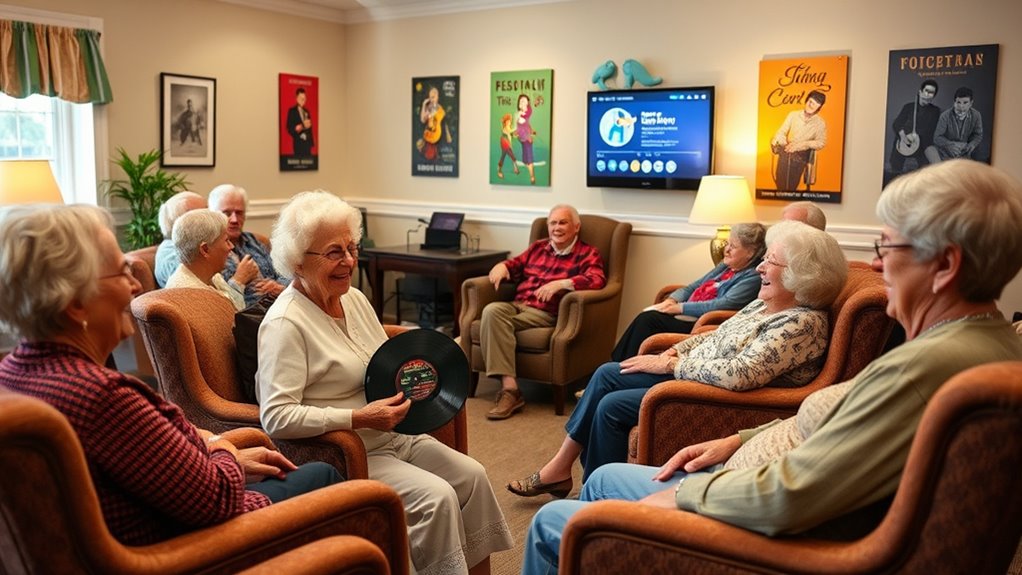
Creating a supportive environment with group and personalized music activities involves intentionally designing spaces and routines that foster engagement, comfort, and emotional safety. You should create a calming, accessible setting where residents feel secure and free to express themselves. Incorporate familiar music tailored to individual preferences, which helps evoke positive emotions and memories. Use group activities to promote social interaction and shared enjoyment, but monitor responses carefully to prevent agitation. Establish predictable routines around music sessions to build familiarity and reduce anxiety. Encourage participation at each person’s comfort level, respecting individual cues and boundaries. A thoughtfully arranged environment enhances emotional well-being, supports social connections, and creates a sense of community, making music activities a meaningful part of daily life for those with dementia.
Integrating Music and Reminiscence for Better Quality of Life
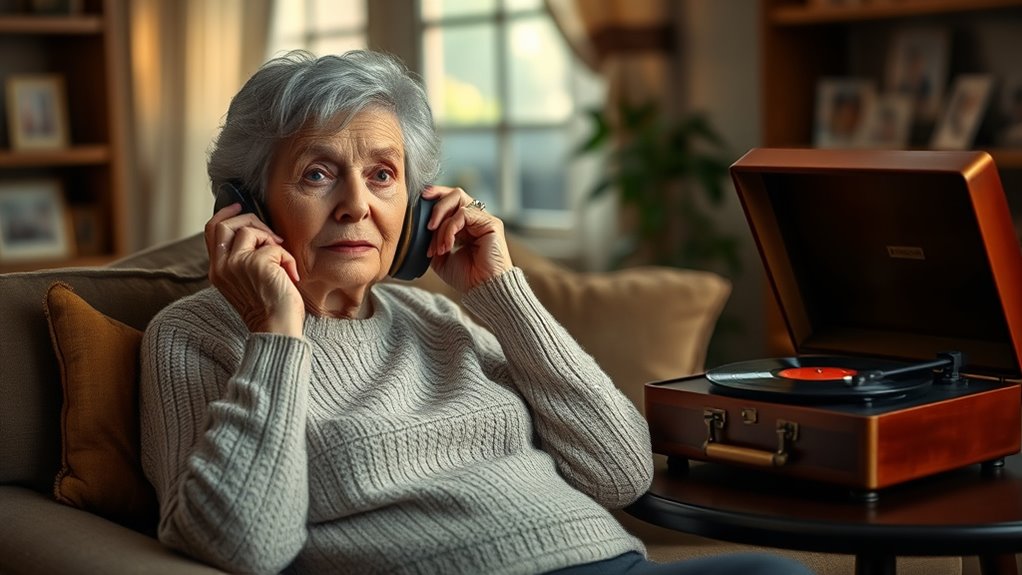
Building on the importance of a supportive environment for music activities, integrating music with reminiscence techniques can markedly enhance quality of life for individuals with dementia. By combining familiar tunes with personal stories, you create meaningful experiences that evoke positive emotions and memories. This approach encourages engagement and strengthens connections. Here are some ways to do it:
- Choose music from the person’s youth or significant life moments to trigger memories.
- Share stories related to the songs to deepen emotional connections.
- Use visual aids like photos or memorabilia alongside music to enrich the experience.
- Incorporate group sessions to foster social interaction and shared reminiscence.
This integration helps reduce isolation, boosts mood, and promotes a sense of identity and belonging.
Practical Tips for Incorporating Music Therapy Into Daily Care
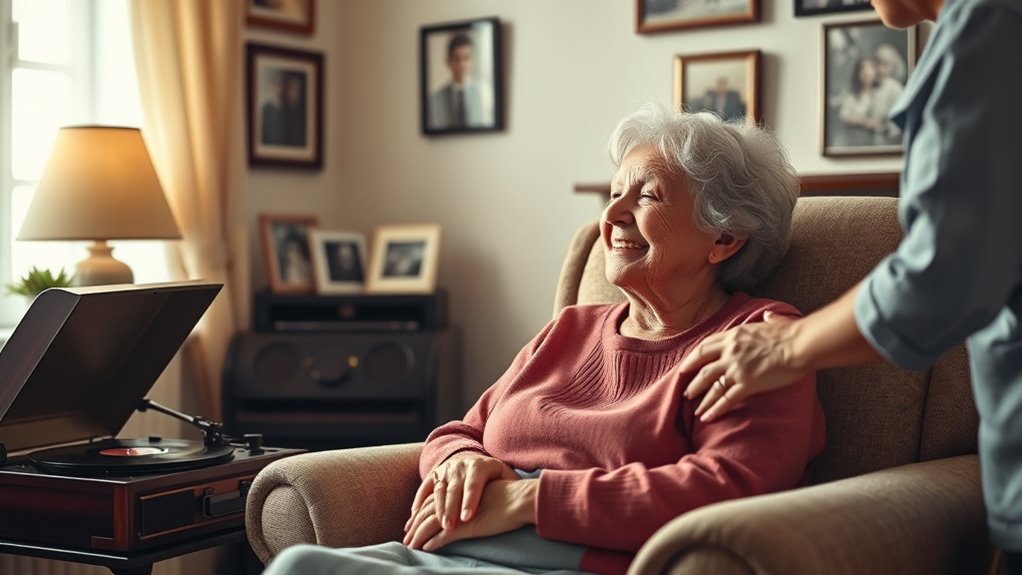
Incorporating music therapy into daily care routines can be highly effective when you plan thoughtfully and tailor activities to each individual’s preferences. Start by observing which genres, songs, or instruments resonate most with them, and incorporate these into daily interactions. Use familiar music during activities like mealtime or dressing to create calming or energizing effects. Keep sessions brief—about 10-15 minutes—to maintain engagement without overwhelming them. Incorporate both active and receptive elements, such as singing along or listening quietly. Involve caregivers and family members to ensure consistency and familiarity. Track responses to refine your approach over time. Remember, patience and personalization are key—adjust activities based on mood and alertness, making music a natural part of daily routines.
Frequently Asked Questions
How Does Music Therapy Impact Long-Term Cognitive Decline in Dementia?
Music therapy’s impact on long-term cognitive decline in dementia remains uncertain. You might notice improvements in verbal fluency and emotional well-being, but evidence shows limited or mixed effects on overall cognition and memory preservation. While it can reduce behavioral symptoms and enhance quality of life temporarily, sustained cognitive benefits are less clear. Incorporating personalized, active music interventions can support engagement, but ongoing research is needed to confirm long-term cognitive preservation.
Are There Specific Types of Music Most Effective for Emotional Well-Being?
You’ll find that familiar, preferred music is most effective for emotional well-being. When you choose songs that resonate with the person’s personal history and tastes, it can evoke positive memories and boost mood. Singing or listening to these tunes actively engages them emotionally and socially, so personalize the playlist. Incorporate genres, artists, or songs from their youth for maximum comfort and emotional connection, enhancing their overall well-being.
How Can Caregivers Personalize Music Interventions for Diverse Dementia Stages?
You can personalize music interventions by selecting songs that resonate with each person’s life history, preferences, and cultural background, especially at different dementia stages. For early stages, involve them in choosing familiar tunes. As dementia progresses, focus on soothing melodies and music linked to positive memories. Observe their reactions to refine choices, ensuring the music evokes comfort, engagement, and emotional connection tailored to their current cognitive abilities.
What Training Do Staff Need to Implement Music Therapy Safely and Effectively?
You need to equip your staff with the keys to open safe, effective music therapy. Train them in understanding dementia’s unique responses, choosing appropriate music, and recognizing cues of distress or engagement. They should learn active listening, emotional support, and how to adapt sessions for individual needs. Think of it as tuning an instrument—practice ensures harmony, so your team can create a comforting, therapeutic environment that resonates with each person’s rhythm.
Can Music Therapy Reduce Reliance on Medication for Behavioral Symptoms?
Yes, music therapy can reduce reliance on medication for behavioral symptoms. You can observe improvements in agitation, anxiety, and depression, which often lead to decreased use of psychotropic drugs. By engaging patients with personalized, active music interventions, you promote natural emotional regulation and behavioral stability. This approach not only minimizes medication side effects but also enhances overall well-being, making it a valuable complementary strategy in dementia care.
Conclusion
Think of music and reminiscence as keys unfastening the heart’s vault, where memories and emotions peacefully reside. By weaving these melodies into daily care, you open doors to comfort and connection for those with dementia. Let each song be a bridge across time, guiding your loved ones back to moments of joy and familiarity. In this symphony of care, your compassion becomes the conductor, creating harmonious healing and renewed hope.
Fall yard work Picks
leaf blowers
As an affiliate, we earn on qualifying purchases.