
Creating a daily routine for your senior involves balancing activities that promote health, independence, and social connection. Include regular meal times, physical activity, and mental engagement, tailored to their preferences and abilities. Foster social interaction through calls, visits, or community activities, while ensuring a safe, comfortable environment. Address health risks proactively with routine checkups and preventive care strategies. If you want practical tips to make this routine effective and uplifting, there’s more to explore below.
Prime for Young Adults — start your free trial
Fast free delivery, streaming and member deals for eligible 18–24 year olds.
As an affiliate, we earn on qualifying purchases.
Key Takeaways
- Establish a consistent daily schedule to reduce anxiety and promote independence in seniors.
- Incorporate social activities and regular interactions to boost mental and emotional well-being.
- Include tailored health and wellness routines, such as exercise, proper nutrition, and routine medical checkups.
- Create a safe, comfortable environment with safety features, good air quality, and appropriate lighting.
- Personalize activities based on individual preferences and abilities to support autonomy and enjoyment.
Understanding the Importance of Daily Routines for Seniors

Daily routines play a vital role in seniors’ overall well-being and quality of life. When you establish consistent daily schedules, you help seniors feel more secure and in control, reducing anxiety and confusion. Routines support independence by encouraging participation in daily activities like dressing, eating, and mobility, which can delay decline. They also promote physical activity, mental engagement, and social interaction—key factors for maintaining health and happiness. Additionally, structured routines make caregiving more manageable by providing clear expectations and reducing stress. Incorporating Free Floating elements into daily routines can further enhance comfort and enjoyment. Understanding the benefits of consistency helps caregivers tailor routines that support emotional and physical well-being effectively. Consistent routines can also help in establishing regular sleep patterns, which are crucial for overall health and cognitive function. Recognizing the importance of personalized routines ensures that individual preferences and needs are met, fostering greater satisfaction. Moreover, integrating aquatic exercises into daily activities can boost physical health and provide a soothing environment.
Key Elements to Include in a Senior’s Daily Schedule

Creating a daily schedule for a senior involves personalizing routines to match their preferences and needs. You should include health and wellness activities that promote physical, mental, and emotional well-being. Proper ventilation considerations can improve indoor air quality and comfort, contributing to overall health. Ensuring a comfortable environment through good air quality can help reduce respiratory issues and enhance relaxation. Regularly checking and maintaining home safety features such as grab bars and smoke detectors can further support a secure living space. Incorporating regular water filtration maintenance can ensure access to clean, better‑tasting water, supporting overall health and hydration. Additionally, understanding field‑of‑view and imaging‑scale concepts can be useful in optimizing the environment for better air circulation and lighting, which can positively impact comfort and safety.
Personalized Routine Planning
Designing a personalized routine for a senior involves tailoring activities to their individual preferences, health status, and daily needs. Start by understanding what activities bring them joy and comfort, whether that’s reading, gardening, or socializing. Consider their physical abilities and limitations, creating a schedule that promotes safety without sacrificing independence. Incorporate routines that align with their daily energy levels—maybe mornings for cognitive tasks and afternoons for relaxation. Flexibility is key; allow room to adjust based on mood or health fluctuations. Talk with your senior to identify their priorities and preferences, ensuring the routine feels meaningful and engaging. Additionally, integrating innovative cloud solutions can help families and caregivers access health data and coordinate care more effectively. By customizing the daily schedule, you help foster a sense of control, satisfaction, and well-being.
Health and Wellness Activities
Incorporating health and wellness activities into a senior’s routine is essential for maintaining independence and quality of life. You should include regular physical activity, such as walking or gentle exercises, to boost strength and prevent falls. Follow CDC guidelines by aiming for 150 minutes of moderate activity weekly and muscle strengthening twice a week. Encourage daily oral health habits and schedule dental visits to prevent issues that can affect nutrition and overall health. Mental engagement through puzzles, reading, or social interactions supports cognitive health. Make time for relaxation and stress reduction techniques like deep breathing or meditation. Consistent medication management ensures safety, while routine health checkups help catch issues early. Incorporating appropriate fitness equipment can also enhance the effectiveness and safety of exercises. Balancing these activities promotes overall wellness and helps seniors stay active, engaged, and healthy.
Supporting Independence With Assistance in Activities of Daily Living
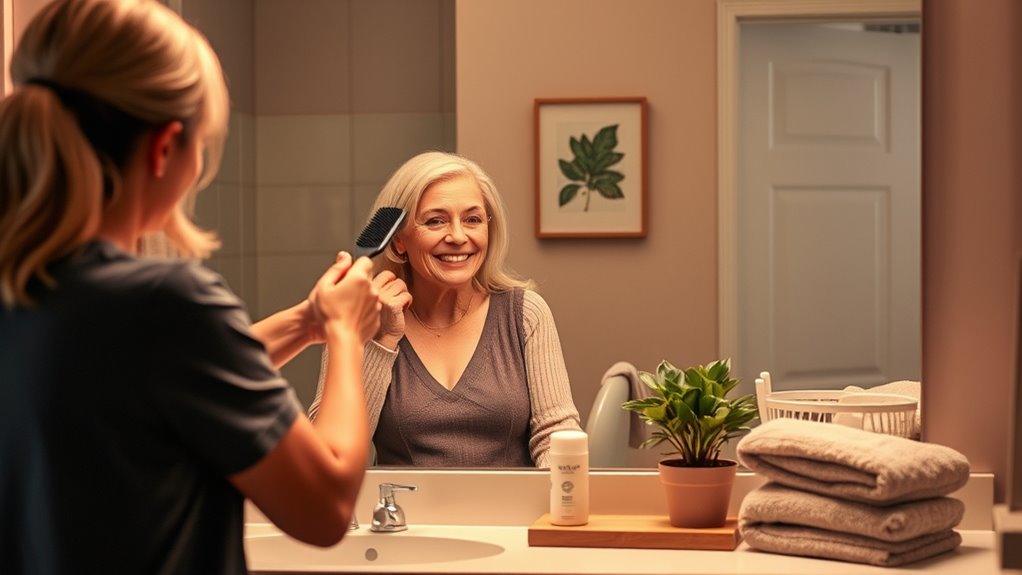
Supporting independence in activities of daily living (ADLs) is essential for maintaining seniors’ quality of life and dignity. You can help by creating routines that promote self-care while offering assistance when needed. Break tasks like dressing, bathing, and meal prep into manageable steps, encouraging your senior to participate as much as possible. Use adaptive tools and techniques to boost independence, such as grab bars or easy-to-open containers. Regularly assess their abilities and adjust support accordingly, avoiding unnecessary restrictions. Respect their preferences and involve them in decision-making to foster autonomy. Providing gentle guidance and encouragement helps seniors feel capable and confident, preserving their sense of control and emotional well-being. Utilizing assistive devices can significantly enhance their ability to perform daily activities independently. Additionally, considering thermal behavior and how it affects comfort can help tailor support strategies to their specific needs. Your attentive support can make a significant difference in their daily comfort and independence.
Incorporating Physical and Mental Engagement for Well-Being

Engaging seniors in both physical and mental activities is essential for maintaining their overall well-being and preventing decline. Incorporate daily exercises like walking, stretching, or light strength training to boost mobility and cardiovascular health. These activities help reduce fall risk and improve energy levels. Equally important is mental engagement; encourage puzzles, reading, or learning new skills to stimulate cognition. Activities like memory games or discussing current events keep the mind sharp. Regular mental challenges can delay cognitive decline and enhance mood. Additionally, incorporating activities that mimic electric power generation can add an element of fun and educational value to their routine. Exploring vetted wave and wind activities can also introduce sustainable and engaging options for physical exertion. Incorporating renewable energy activities can further diversify their experiences and promote environmental awareness. Incorporating practical demonstrations of energy conversion can help seniors understand how different renewable sources generate power. Balance physical and mental tasks throughout the day, tailoring them to your senior’s interests and abilities. Doing so fosters a sense of accomplishment, promotes independence, and contributes to their overall happiness and health.
Promoting Social Connections and Community Involvement
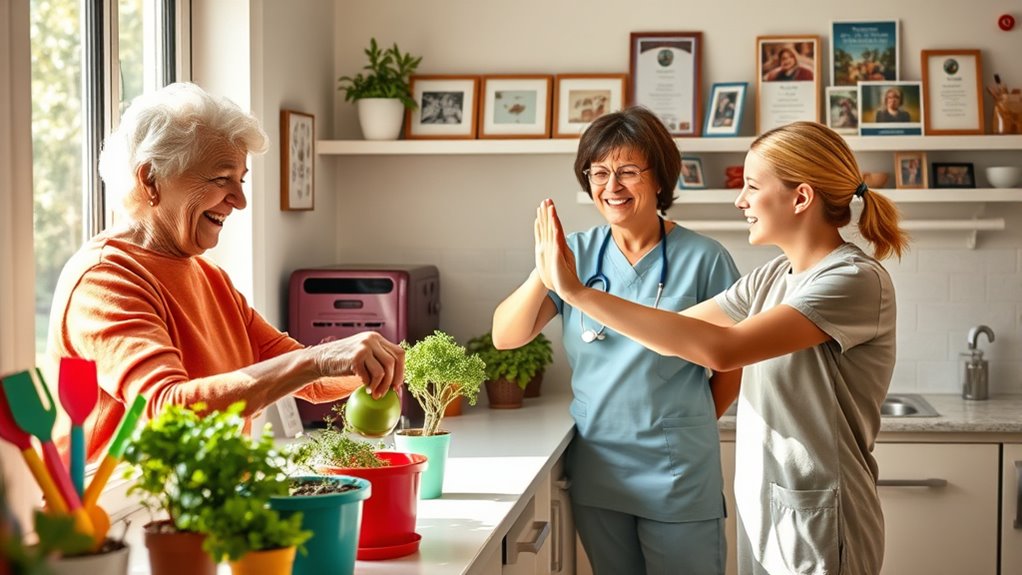
Maintaining social connections and participating in community activities are vital for seniors’ mental and emotional health. When you encourage your senior to stay connected with friends, family, or neighbors, you help reduce feelings of loneliness and boost their mood. Invite them to join local clubs, religious groups, or volunteer opportunities that match their interests. Regular social interaction provides mental stimulation and a sense of belonging, which are indispensable for emotional resilience. Technology can also play a role—video calls and social media help seniors stay in touch if mobility or health issues limit in-person visits. By fostering these connections, you support their overall well-being, enhance their sense of purpose, and contribute to a happier, more engaged life. Incorporating healthy eating habits into their routine can further improve their energy levels and overall health, creating a positive cycle of wellness. Additionally, understanding community involvement can motivate seniors to participate more actively and find new social opportunities to enrich their daily lives.
Addressing Common Health Risks and Preventive Strategies

Addressing health risks and implementing preventive strategies are essential steps in safeguarding seniors’ well-being. By proactively managing common issues, you can help reduce hospitalizations and improve quality of life. Focus on creating routines that include regular exercise to prevent falls and boost cardiovascular health. Promote good oral hygiene, which supports nutrition and overall health. Pay attention to sleep quality, as restorative rest helps seniors recover and stay alert. Additionally, encourage routine health screenings and chronic disease management to catch problems early. Here are some key strategies:
- Incorporate daily physical activity tailored to your senior’s abilities
- Schedule regular dental visits and monitor oral health
- Support consistent medication management and health checkups
- Stay informed about Youngster Choice to understand emerging health and lifestyle trends relevant to aging populations.
Implementing auditory processing strategies can also help seniors with hearing challenges stay engaged and socially connected, reducing feelings of isolation.
Tailoring Routines to Personal Preferences and Cultural Values
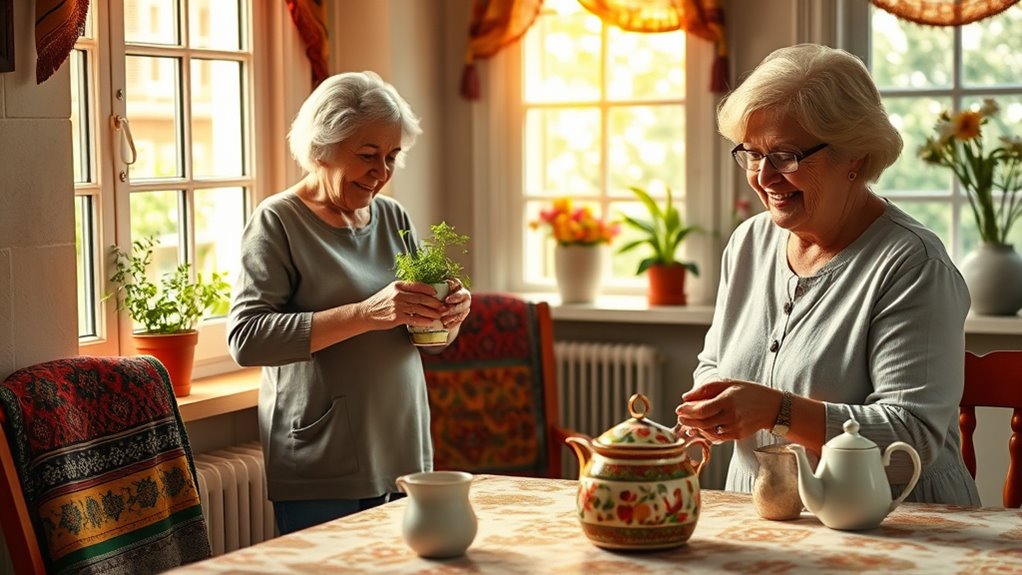
To effectively support seniors, caregivers and health professionals must customize routines based on individual preferences and cultural values. You should ask your senior loved ones about their daily habits, favorite activities, and cultural traditions to build a routine that feels familiar and respectful. Incorporate their preferred foods, spiritual practices, and social interactions to boost comfort and engagement. Recognizing that cultural values influence attitudes toward independence, family roles, and health practices, so adapt your approach accordingly. Flexibility is key—what works for one person might not suit another. By honoring personal and cultural identities, you help your senior feel valued and secure, which improves their overall well-being and makes daily routines more meaningful and effective. Understanding the importance of cultural sensitivity can enhance the effectiveness of personalized routines. Using vetted products for personal care can also ensure safety and quality in their daily hygiene routines. Additionally, staying informed about culturally appropriate health practices can help tailor routines that respect and support their beliefs and traditions.
Frequently Asked Questions
How Can I Create a Flexible Routine That Adapts to Changing Health Needs?
To create a flexible routine that adapts to changing health needs, start by observing your senior’s daily patterns and adjusting activities accordingly. Incorporate options for both structured and relaxed periods, allowing for variations based on energy levels and health status. Keep communication open, regularly reassess their needs, and modify routines as necessary. Prioritize their preferences and comfort, ensuring the routine evolves with their health, promoting well-being and independence.
What Are Effective Ways to Motivate Seniors to Stick to Their Routines?
To motivate seniors to stick to their routines, you should make activities enjoyable and meaningful. Involve them in planning, so they feel a sense of control and purpose. Use positive reinforcement and celebrate small successes to build confidence. Incorporate social interactions and hobbies they love, and keep routines flexible enough to prevent boredom. Showing patience and understanding helps maintain their motivation and fosters a sense of independence.
How Do I Balance Safety With Independence During Daily Activities?
You can balance safety with independence by evaluating your senior’s needs and customizing their environment accordingly. Use safety devices like grab bars, non-slip mats, and proper lighting to prevent accidents. Encourage them to do as much as possible themselves, offering assistance only when necessary. Regularly review safety measures, promote adaptive techniques, and foster open communication, so they feel empowered while staying protected during daily activities.
What Resources Are Available for Caregivers Managing Complex Routines?
You can access a variety of resources to manage complex routines effectively. Use community programs offering training and support, leverage online tools for scheduling and medication management, and connect with local healthcare providers for personalized guidance. Join caregiver support groups to share experiences and gain advice, explore government assistance programs for home care services, and utilize educational materials to stay informed. These resources empower you to handle challenges confidently and ensure your loved one’s well-being.
How Can Cultural Values Influence Personalized Senior Care Routines?
Cultural values shape how you personalize senior care routines by emphasizing specific traditions, dietary preferences, and social interactions. You adapt activities and caregiving approaches to honor traditions, beliefs, and language, making your loved one feel respected and comfortable. By understanding and integrating these values, you guarantee care feels familiar and meaningful, fostering trust and emotional well-being. Tailoring routines to cultural backgrounds helps your senior stay connected to their identity while maintaining health and happiness.
Conclusion
Creating a consistent routine cultivates comfort, confidence, and connection for your senior. By blending balance with activity, support with independence, and social sparks with self-care, you craft a caring, all-encompassing calendar that keeps your loved one lively and loved. Remember, personalization promotes purpose, and patience paves the path. With thoughtful planning and gentle guidance, you turn daily duties into delightful, dependable routines that nurture happiness, health, and harmony.
Evergreen bestsellers Picks
bestsellers
As an affiliate, we earn on qualifying purchases.