

Caring for a bedbound senior at home involves regular repositioning every two hours to prevent skin issues, keeping their skin clean and dry, and providing proper support with specialized mattresses or cushions. Address their emotional needs by creating a soothing environment with familiar objects, soft lighting, and gentle activities. Collaborate with healthcare professionals for personalized plans and caregiver training. To learn how to create a safe, comfortable, and engaging space, keep exploring these essential tips.
Key Takeaways
- Reposition the senior every two hours to prevent pressure ulcers and promote circulation.
- Keep skin clean, dry, and protected with barrier creams; monitor for signs of infection or skin breakdown.
- Create a safe, comforting home environment with proper lighting, familiar objects, and sensory stimulation.
- Collaborate with healthcare professionals to develop personalized care plans and provide caregiver training.
- Maintain consistent routines for hydration, nutrition, and daily care, and utilize technology for remote monitoring and support.
Understanding the Unique Needs of Bedbound Seniors

Understanding the unique needs of bedbound seniors is essential for providing effective care. These individuals face increased risks of pressure ulcers, muscle atrophy, and respiratory issues due to limited mobility. They often experience emotional challenges like feelings of dependence and social isolation. Recognizing that their needs extend beyond physical health is vital; emotional well-being and social connection matter just as much. Bedbound seniors may also have specific nutritional and hydration requirements to prevent complications like dehydration or malnutrition. Their care plans should be tailored to their individual health conditions, mobility limitations, and personal preferences. Additionally, understanding the importance of color accuracy in home environments can help caregivers create a more calming and visually comfortable space for seniors. Proper home environment lighting can significantly influence their mood and overall comfort. Considering environmental modifications can further enhance safety and accessibility within their living space. Being aware of and adjusting to lighting needs can help prevent additional health issues and improve quality of life. Incorporating wellness technology such as adjustable lighting or therapeutic devices can also support their overall well-being. By understanding these unique needs, you can create a supportive environment that promotes safety, comfort, and dignity, ensuring their overall quality of life is maintained.
Essential Daily Care Practices to Prevent Complications
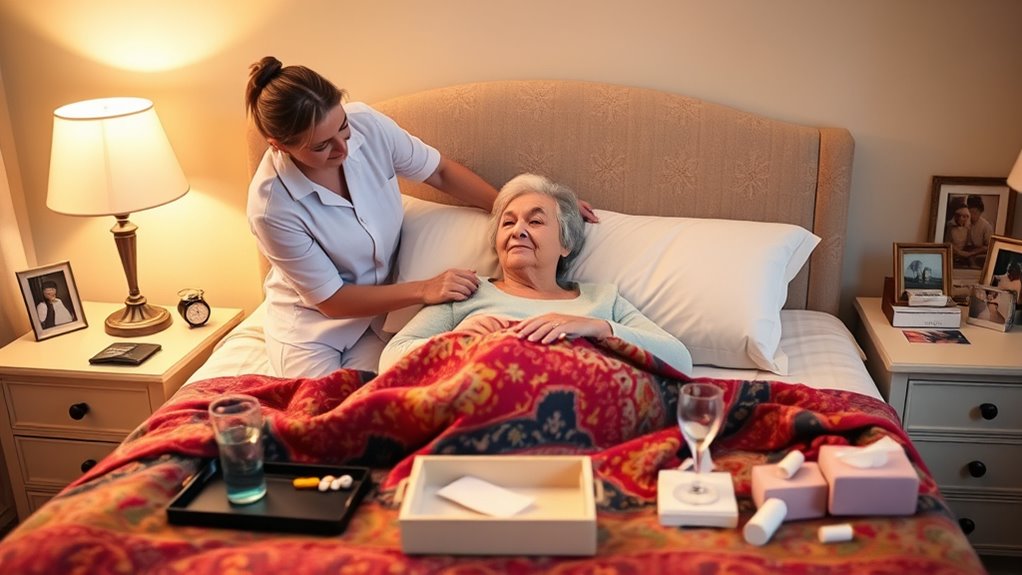
To effectively prevent complications in bedbound seniors, daily care must focus on consistent, proactive practices that address their unique risks. You should reposition your loved one every two hours to prevent pressure ulcers and skin breakdown. Keep their skin clean and dry, and use barrier creams if needed. Make certain they stay well-hydrated and receive balanced nutrition to support overall health and immune function. Monitor for signs of infection, such as fever or redness, and watch for urinary or respiratory issues. Incorporate passive range-of-motion exercises to maintain circulation and muscle strength. Regularly check for swelling, redness, or sores, and encourage gentle movement when possible. Educating caregivers about proper techniques can significantly improve patient outcomes. Collaborate with healthcare professionals to tailor care plans, ensuring timely intervention and reducing the risk of serious health complications. Additionally, understanding bedridden care best practices can further enhance their comfort and safety, such as utilizing pressure-relief mattresses or cushions to reduce skin pressure. Being aware of infection prevention strategies can also help minimize the risk of complications in immobile seniors. Implementing regular skin assessments can help detect early signs of skin issues before they worsen.
Creating a Supportive and Stimulating Environment at Home

Creating a supportive and stimulating environment at home is key to enhancing your loved one’s quality of life and promoting their well-being. Keep their space organized, safe, and comfortable, with easy access to essential items. Use bright, calming colors and soft lighting to create a soothing atmosphere. Incorporate familiar objects, photos, and personal touches to foster a sense of familiarity and security. Engage their senses with gentle music or aromatherapy to boost mood and alertness. Encourage interaction by placing accessible books, puzzles, or sensory toys nearby. Regularly change the environment to prevent boredom and promote mental stimulation. Most importantly, maintain a positive attitude, showing empathy and patience, which helps your loved one feel valued and emotionally supported.
Collaborating With Healthcare Professionals for Optimal Care
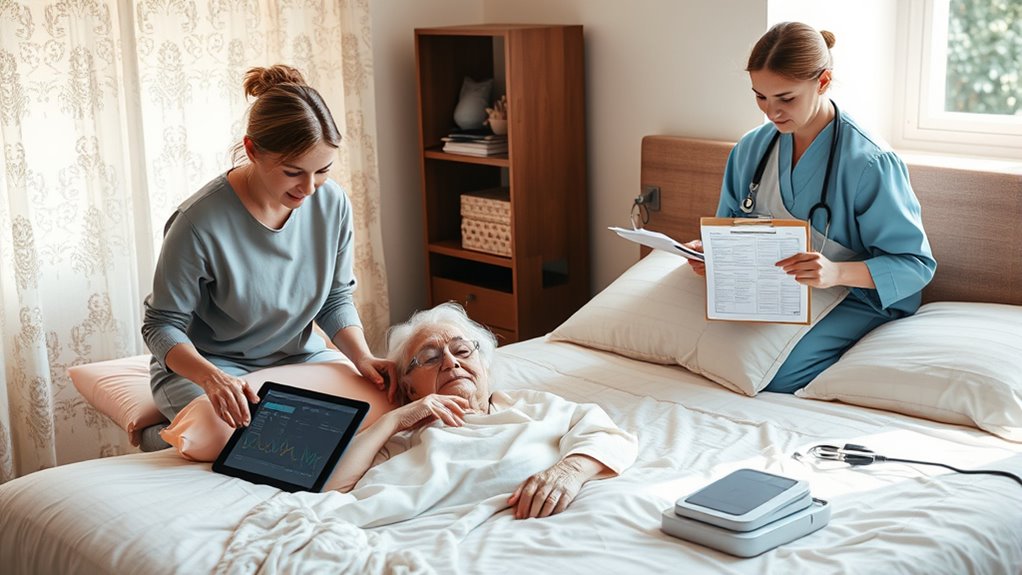
Collaborating closely with healthcare professionals is essential for ensuring that bedbound seniors receive exhaustive and coordinated care. You’ll work with doctors, nurses, therapists, and social workers to develop personalized care plans. These experts help monitor health changes, manage medications, and address complications early. They can guide you on:
Partnering with healthcare professionals ensures comprehensive, coordinated care tailored to your loved one’s needs.
- Scheduling regular home visits for assessments and emergencies
- Adjusting treatments based on evolving health needs
- Providing training on proper repositioning and hygiene techniques
- Connecting you with community resources and support networks. Establishing a comprehensive care team ensures all aspects of your loved one’s health are addressed holistically. This teamwork guarantees your loved one receives timely interventions, reducing risks like pressure ulcers or infections. Clear communication and shared goals help create a seamless care experience, improving quality of life for your senior and easing your caregiving responsibilities. Emphasizing preventive measures, such as regular skin assessments and early detection of issues, is also vital for maintaining their health. Additionally, understanding the importance of professional collaboration can significantly enhance the effectiveness of the overall care plan. Incorporating aquatic therapy techniques, when appropriate, can support mobility and comfort as part of a comprehensive approach. Regular collaboration with healthcare professionals can also facilitate the integration of evidence-based practices, ensuring your loved one’s care aligns with the latest clinical guidelines.
Overcoming Common Challenges in Home-Based Bedridden Care
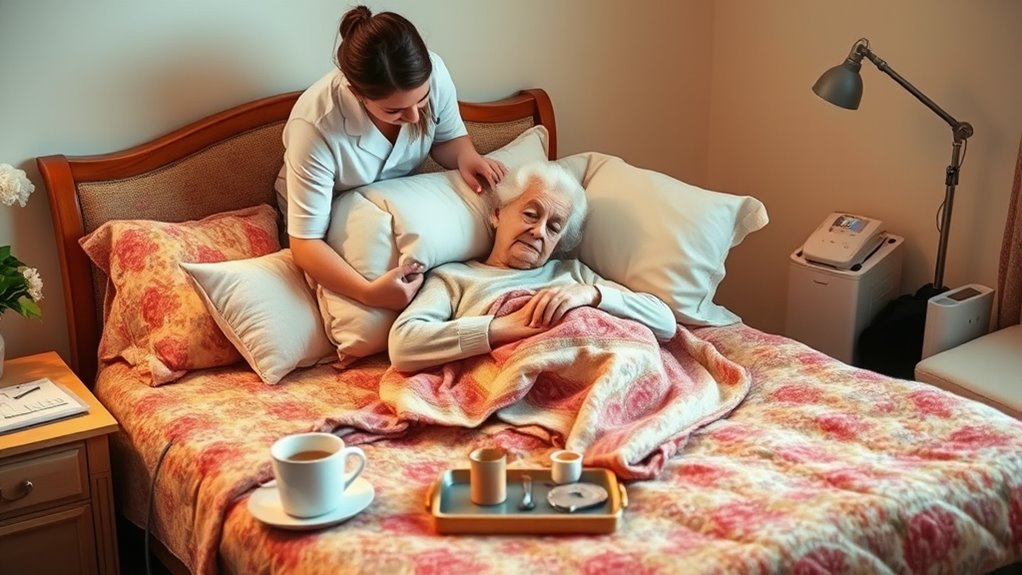
Caring for a bedridden senior at home presents numerous challenges, from managing their complex health needs to ensuring their emotional well-being. You might face issues like preventing pressure ulcers, muscle atrophy, and infections, which require vigilant monitoring and regular repositioning. Emotional support is just as crucial, as prolonged bedrest can cause feelings of dependence and loneliness. To overcome these challenges, stay organized with a care routine, incorporating scheduled repositioning, hydration, and nutrition. Collaborate with healthcare professionals for tailored therapies and advice. Be proactive in identifying early signs of complications, and maintain open communication with your loved one to address their emotional needs. Utilizing connected home fitness technology can also help monitor mobility and health status remotely, enhancing care. Additionally, maintaining an organized medical documentation system ensures that vital health information is accessible and up-to-date. Incorporating AI in health monitoring can further support early detection of potential issues and improve overall care management. Regularly engaging your loved one in mental stimulation activities can also help combat feelings of isolation and promote cognitive health. Incorporating pressure ulcer prevention techniques into your routine is essential for maintaining skin integrity and preventing complications. With consistent effort, you can create a safe, comfortable environment that promotes health and dignity.
Frequently Asked Questions
How Can I Improve Emotional Well-Being for a Bedridden Senior at Home?
To improve your bedridden senior’s emotional well-being at home, spend quality time with them daily, engaging in meaningful conversations and activities they enjoy. Encourage social interaction through visits or virtual calls with family and friends. Provide reassurance, listen actively, and create a calming environment with music or comforting objects. Also, involve them in decision-making to foster independence and boost their sense of control and dignity.
What Are Effective Communication Strategies for Non-Verbal or Cognitively Impaired Seniors?
You should use clear, gentle communication by speaking slowly and softly, maintaining eye contact, and using facial expressions and gestures to convey your message. Pay attention to their non-verbal cues, such as facial expressions or body movements, to understand their needs. Consistently use familiar words or cues, and create a calm environment. Patience and reassurance help build trust, making communication more effective with non-verbal or cognitively impaired seniors.
How Do I Manage Medication Schedules and Prevent Errors in Home Care?
You should create a clear medication schedule using written charts or digital apps, and keep medications organized in labeled containers. Always double-check doses before administering, and involve other caregivers for consistency. Set alarms or reminders to prompt medication times, and monitor for adverse reactions. Regularly review prescriptions with healthcare providers to guarantee accuracy, and keep a record of all medications given to prevent errors and promote safety.
What Funding Options or Financial Assistance Are Available for Home-Based Long-Term Care?
You can explore funding options like Medicaid, which offers long-term care assistance, and Medicare, which covers certain home health services. Additionally, veterans may qualify for Aid and Attendance benefits. Some states provide state-funded programs or community grants for home care. Consider private insurance or long-term care insurance policies if available. Finally, local nonprofits and area agencies on aging can offer resources or financial aid to support your senior’s in-home care needs.
How Can Technology Enhance Safety and Monitoring for Bedridden Seniors at Home?
Technology is like a vigilant guardian, constantly watching over your loved one’s safety. You can install sensors that alert you to unexpected movements or pressure points, preventing falls and pressure ulcers. Video monitoring helps guarantee their well-being, while wearable devices track essential signs and activity levels. These tools give you peace of mind, enabling quick responses if issues arise, and help maintain your senior’s comfort and safety at home.
Conclusion
Caring for a bedbound senior at home is a profound act of love and dedication. As you navigate daily routines and challenges, you’ll discover moments of unexpected connection and resilience. But the journey doesn’t end here—hidden complexities and evolving needs may test your resolve. Are you prepared to adapt and deepen your care? The next step could change everything, opening new possibilities you never imagined. Stay attentive—your most impactful moments are still ahead.