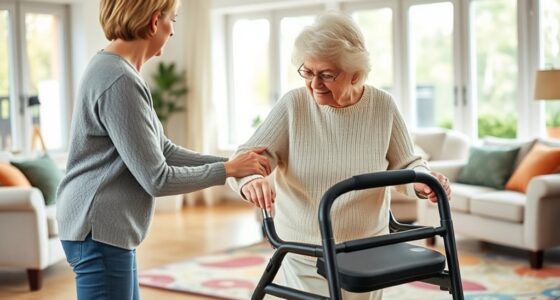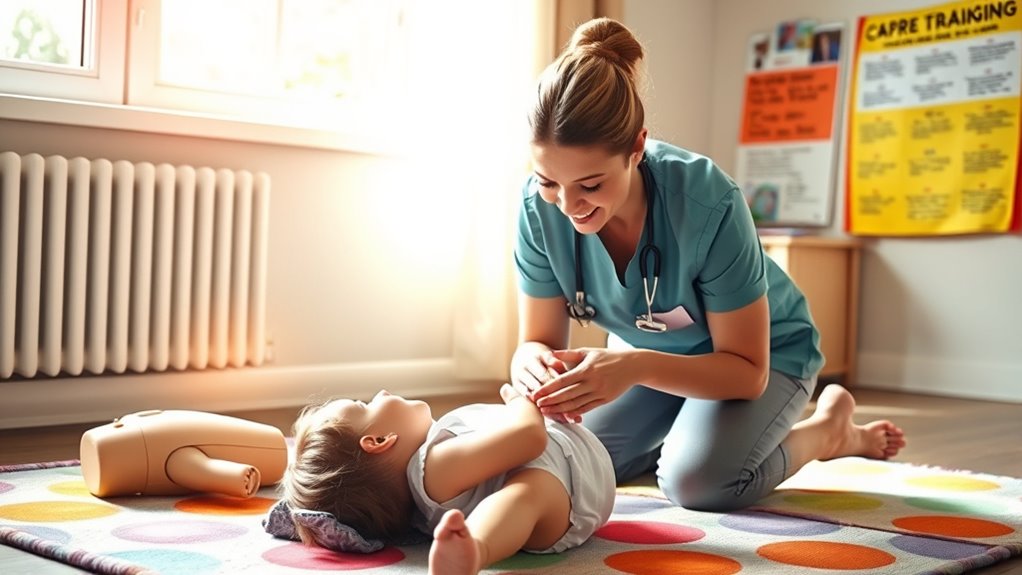

Learning CPR is vital for every caregiver because it enables you to act quickly during emergencies, potentially saving lives. You’ll gain confidence, recognize signs of trouble, and know how to respond effectively until professional help arrives. Courses from organizations like the Red Cross or American Heart Association offer hands-on practice and certification. Staying current with your training keeps your skills sharp. Keep exploring to discover how you can be better prepared for those critical moments.
Listen free for 30 days with Audible
Thousands of audiobooks and originals — cancel anytime.
As an affiliate, we earn on qualifying purchases.
Key Takeaways
- Learning CPR enables caregivers to provide immediate life-saving assistance during emergencies, increasing survival chances.
- Proper CPR training builds confidence and ensures quick, effective response when someone stops breathing or their heart fails.
- Certified CPR courses, offered by organizations like the American Heart Association and Red Cross, combine hands-on practice and theory for comprehensive learning.
- Regular practice and updated training help caregivers stay prepared, sharp, and confident in emergency situations.
- Accessible CPR training ensures caregivers are equipped with critical skills, especially when caring for vulnerable individuals such as children and seniors.
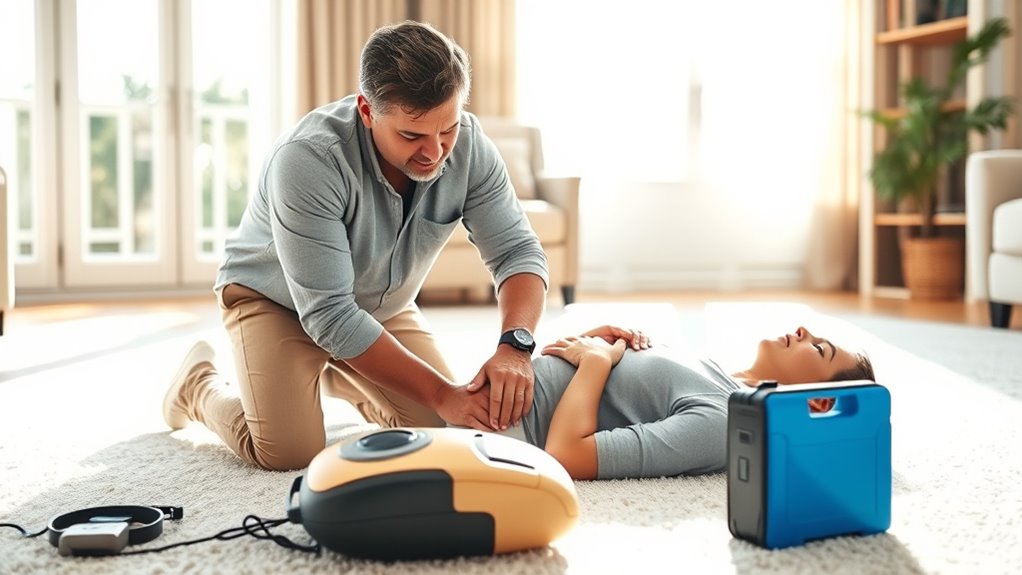
Every caregiver should be prepared to respond effectively in emergencies, and CPR training is an essential skill that can make a life-saving difference. When someone suddenly stops breathing or their heart ceases to beat, knowing how to perform CPR can be the difference between life and death. Being equipped with proper first aid skills ensures that you’re ready to act promptly, providing critical assistance until professional help arrives. These skills are fundamental components of an effective emergency response, allowing you to stay calm and focused during stressful situations.
Learning CPR isn’t just about memorizing steps; it’s about developing confidence in your ability to intervene when it matters most. First aid skills include recognizing the signs of cardiac arrest, choking, or breathing difficulties, and knowing how to respond quickly and effectively. When you’re trained, you understand how to assess the situation, call emergency services, and administer CPR or other necessary first aid measures. This proactive approach can greatly improve survival chances, particularly in settings where professional medical help might take precious minutes to arrive.
Getting trained in CPR is accessible and straightforward. Many organizations, such as the American Heart Association or the Red Cross, offer classes tailored for caregivers. These courses typically combine hands-on practice with theoretical knowledge, ensuring you feel comfortable performing life-saving techniques. You don’t need prior medical experience to benefit from these trainings; they’re designed for everyone, emphasizing practicality and confidence-building. Plus, certifications from reputable providers are widely recognized, giving you peace of mind that your skills are current and reliable.
As a caregiver, your role often involves looking after vulnerable individuals—children, seniors, or those with health conditions. In such environments, your ability to respond swiftly to emergencies isn’t just helpful; it’s essential. Regularly updating your training ensures you stay familiar with current protocols, which can evolve as new guidelines emerge. Additionally, practicing these skills regularly helps reinforce your muscle memory, so you’re prepared to act instinctively when a crisis occurs. High refresh rates in modern projectors demonstrate the importance of staying current with technology to enhance your viewing experience.
Frequently Asked Questions
How Often Should Caregivers Renew Their CPR Certification?
You should renew your CPR certification every two years through a CPR refresher course. This guarantees your skills stay current and effective in emergencies. Regular certification renewal is vital because CPR guidelines update periodically, and refreshed training boosts your confidence and competence. Don’t wait too long; staying up-to-date with your certification renewal helps you respond quickly and correctly when someone needs CPR, potentially saving a life.
Are Online CPR Courses as Effective as In-Person Training?
Online training can be effective for CPR certification, especially if it combines interactive modules with hands-on practice. However, in-person training often provides better skill retention and confidence. Certification validity remains similar for both formats, but some employers prefer in-person courses for assurance. To guarantee you’re fully prepared, choose accredited programs and verify that your online certification meets current guidelines. Ultimately, the best approach depends on your learning style and available resources.
What Is the Cost Range for CPR Certification Programs?
Certification costs for CPR programs typically range from $20 to $100, depending on the provider and course type. You’ll find that course pricing varies based on whether it’s a basic or advanced certification, with some organizations offering discounts or group rates. Keep in mind, investing in quality training is essential for ensuring you’re prepared to act confidently in emergency situations, so consider the value alongside the cost when choosing a program.
Can CPR Skills Be Maintained Without Frequent Practice?
Back in the day, CPR skills can fade if you don’t practice regularly. To keep muscle memory sharp, you should take refresher sessions every two years or so. Short, frequent practice sessions help maintain your confidence and effectiveness, ensuring you’re ready if an emergency happens. Skipping practice risks losing crucial skills, so stay proactive with periodic refreshers—they’re essential for keeping your CPR abilities reliable and current.
Are There Specific CPR Guidelines for Children Versus Adults?
Yes, CPR guidelines differ for children and adults to prioritize child safety during pediatric emergencies. For children, use gentler compressions at a shallower depth and provide rescue breaths more often. For adults, apply harder compressions with deeper pressure. Understanding these distinctions helps you respond effectively in pediatric emergencies, ensuring you deliver appropriate care while safeguarding the child’s well-being. Always stay updated on the latest CPR guidelines for both age groups.
Conclusion
By learning CPR, you’re opening a door to be a silent hero when someone needs you most. It’s a simple step that can turn moments of uncertainty into powerful acts of care. Think of it as acquiring a secret strength—ready to be called upon in life’s unexpected turns. Embrace the training, and you’ll always be prepared to make a difference, even in life’s quietest, most vulnerable moments.
Fall yard work Picks
leaf blowers
As an affiliate, we earn on qualifying purchases.