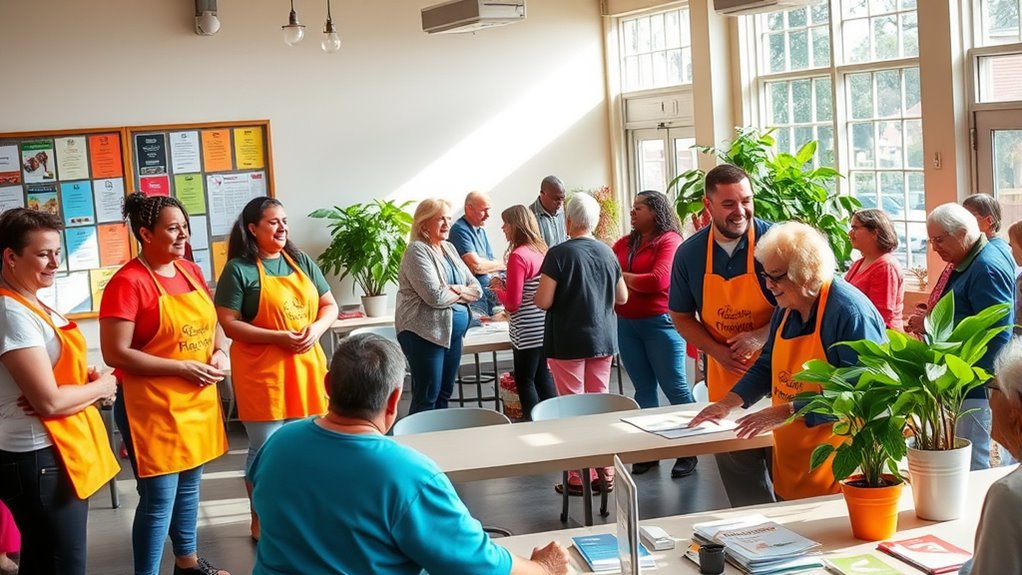

To find local programs and volunteers that can lighten your load, start by reaching out to community centers, libraries, or your city hall for information. Check community websites or social media pages for ongoing initiatives, or ask neighbors and friends for trusted recommendations. Many programs are easy to join and tailored to your needs, offering support with errands, companionship, or household chores. Keep exploring further to discover even more ways your community can lend a helping hand.
Open a free Amazon Business account
Business pricing, bulk buying and tax-exempt orders.
As an affiliate, we earn on qualifying purchases.
Key Takeaways
- Contact local community centers, libraries, or city hall to learn about available volunteer programs and support services.
- Check community websites and social media pages for information on nearby programs and volunteer opportunities.
- Ask neighbors or trusted friends for recommendations on reliable local support organizations.
- Volunteer programs are typically easy to access, often with simple sign-up processes and tailored to specific needs.
- Participating in local support initiatives fosters community bonds and provides mutual assistance during challenging times.
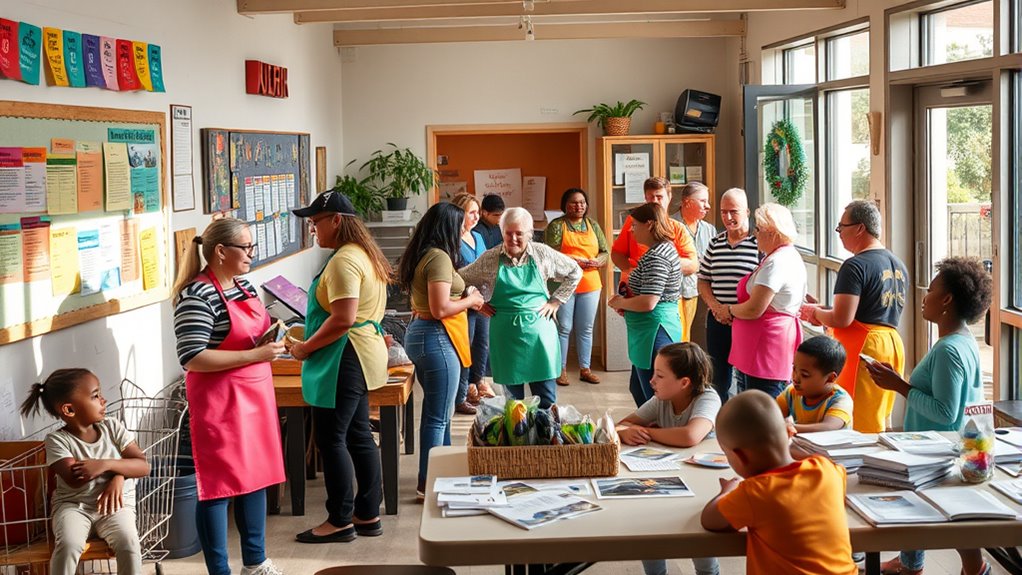
Have you ever wondered where to turn when you need support or assistance in your community? Finding the right local support can feel overwhelming, especially when you’re unsure where to start. Fortunately, many communities offer a wealth of resources designed to help residents navigate challenges and lighten their loads. One of the most effective ways to access this help is through local volunteer programs. These programs connect you with individuals enthusiastic to lend a hand, whether you’re dealing with health issues, juggling family responsibilities, or facing financial difficulties.
Volunteer programs are at the heart of community support. They’re often run by local nonprofits, faith-based groups, or civic organizations, all focused on strengthening neighborhoods and providing aid where it’s needed most. When you participate in or seek out these programs, you tap into a network of caring volunteers who are committed to making a difference. These volunteers may assist with errands, offer companionship, provide tutoring, or help with household chores. The beauty of volunteer programs is their flexibility—many are tailored to meet specific needs and can be accessed quickly, often without lengthy application processes.
Local nonprofits, faith groups, and civic organizations operate volunteer programs that strengthen communities and provide tailored, accessible support.
To find these programs, start by reaching out to local community centers, libraries, or city hall. They usually have information about ongoing volunteer initiatives and support groups. Many communities also have dedicated websites or social media pages where they post about upcoming volunteer opportunities and support services. Don’t hesitate to ask neighbors or friends if they know of local organizations that provide assistance. Sometimes, word of mouth is the fastest way to connect with trusted programs that genuinely meet your needs. Understanding trusted resources in your area can make a significant difference in accessing reliable help.
Engaging with local support isn’t just about receiving help; it’s also about building relationships. When you participate in volunteer programs, you become part of a community that values mutual aid. This sense of belonging can be incredibly uplifting, especially during tough times. Many programs also offer training and resources that can empower you to help others in return, creating a cycle of support that benefits everyone involved.
Frequently Asked Questions
How Can I Verify the Credibility of Local Volunteer Programs?
You can verify a volunteer program’s credibility by checking if they conduct background checks on volunteers, ensuring safety. Look for program accreditation from reputable organizations, which indicates adherence to quality standards. Research their reviews or ask for references from past participants. Additionally, visit their website or contact local agencies to confirm their legitimacy. These steps help you feel confident that you’re working with trustworthy, well-vetted programs.
Are There Age Restrictions for Volunteers in Community Programs?
Volunteer age limits vary depending on the program, but generally, youth participation policies set minimum ages, often starting at 14 or 16. Some programs may allow younger children with adult supervision. To find out specific age restrictions, check each program’s volunteer guidelines or contact coordinators directly. Remember, age limits are in place to guarantee safety and appropriate responsibilities, so always verify before signing up.
How Do I Find Programs Specific to My Health Needs?
You can find programs tailored to your health needs by searching online for specialized community services in your area or asking your healthcare provider for recommendations. Many local hospitals, clinics, and community centers offer tailored health programs designed for specific conditions. You might also contact local support groups or health organizations, which often partner with community resources to provide specialized programs that meet your unique health requirements effectively.
Can I Request Assistance for Specialized Tasks Through Community Resources?
Imagine needing help with grocery shopping due to mobility issues. Yes, you can request assistance for specialized tasks through community resources. Typically, you’ll go through a volunteer request process, where you specify your needs and the tasks involved. Many programs match volunteers who can handle specialized tasks like medical errands or home modifications, making it easier for you to get tailored support when you need it most.
What Support Is Available for Non-English Speaking Community Members?
You can find support for non-English speaking community members through local programs that offer translation services to overcome language barriers. Many community centers, hospitals, and social services provide multilingual staff or access to interpreters, ensuring you receive assistance in your preferred language. These resources aim to make communication easier, so don’t hesitate to ask about translation services when seeking help—you’re not alone in facing language barriers.
Conclusion
Don’t hesitate to reach out—you might think help isn’t available, but community programs and volunteers are more accessible than you realize. By tapping into these resources, you lighten your load and build connections that enrich your life. Remember, asking for help isn’t a sign of weakness; it’s a smart way to stay resilient. So take that first step today—your community is ready to support you, and you don’t have to do it alone.
Fall Picks
fall essentials
As an affiliate, we earn on qualifying purchases.