
To stay a healthy caregiver, prioritize your well-being by managing stress with simple practices like deep breathing or short walks, and build routines focused on nutrition, hydration, and rest. Engaging in regular physical activity boosts immunity and mood, while connecting with others offers emotional support. Taking care of your mental health ensures you’ll stay resilient and effective. Keep exploring ways to strengthen your self-care—your health directly impacts your ability to support others effectively.
Key Takeaways
- Prioritize stress management techniques like mindfulness and deep breathing to strengthen immunity and improve overall well-being.
- Establish consistent self-care routines such as balanced nutrition, hydration, sleep, and regular physical activity.
- Seek emotional support through friends, support groups, or counseling to maintain mental health and resilience.
- Recognize signs of overwhelm early and take breaks to prevent burnout and preserve immune function.
- Maintaining physical and mental health ensures sustainable caregiving and enhances compassion and patience.

Have you ever considered how your own health impacts the quality of care you provide? As a caregiver, your well-being directly influences your ability to support others effectively. When you neglect your health, stress levels can skyrocket, making it harder to stay focused and compassionate. That’s why prioritizing stress management and establishing solid self-care routines aren’t just indulgences—they’re essential tools for maintaining your resilience. By actively managing your stress, you reduce the risk of burnout and keep your mind clear, allowing you to respond thoughtfully rather than react impulsively. Simple practices like deep breathing exercises, mindfulness, or even short walks can make a significant difference. Building these habits into your daily routine helps you stay grounded when caregiving demands intensify.
Self-care routines serve as your foundation for sustained health and emotional strength. They act as a buffer against the physical and mental toll caregiving often takes. This doesn’t mean you need hours of free time; rather, it’s about integrating small, meaningful actions into your day. For example, nourishing your body with balanced meals, staying hydrated, and getting enough sleep are fundamental. Regular physical activity, even a brief stretch or a quick jog, releases endorphins that boost your mood and immunity. Equally important is carving out moments for yourself—whether that’s reading, listening to music, or practicing meditation. These routines help you recharge, making it easier to show up for your loved ones with patience and energy.
Self-care habits boost resilience, recharge your energy, and help you care better for others.
Taking care of your mental health is equally essential. Recognize when you’re feeling overwhelmed and don’t hesitate to seek support. Connecting with friends, joining support groups, or talking to a counselor can provide relief and perspective. Remember, caring for yourself isn’t a sign of weakness; it’s a necessary step to better serve others. When you’re physically and emotionally balanced, your immune system functions more effectively, and your overall well-being improves. This, in turn, reduces your vulnerability to illness, enabling you to stay healthy and present for those who depend on you. Recognizing how color accuracy and other technical aspects influence your environment can also help create a more calming and effective caregiving space.
Ultimately, maintaining your health through stress management and self-care routines isn’t just about avoiding illness. It’s about cultivating a sustainable caregiving practice that nourishes your body and mind. The better you take care of yourself, the more capacity you’ll have to give compassionate, consistent care. Your health isn’t a distraction from your caregiving duties—it’s the very foundation that allows you to provide the support and kindness your loved ones need. Prioritize your well-being today, and you’ll reap the benefits in every moment you spend caring for others.
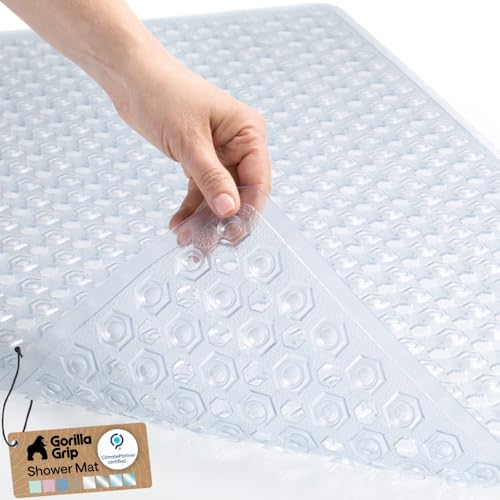
GORILLA GRIP Patented Bath Tub Shower Mat, Machine Washable Bathtub Floor Liner Mats, Suction Cups and Drain Holes to Keep Tubs Clean, Soft on Feet, Bathroom Essentials, 35x16 Inch, Clear
PATENTED DESIGN WITH POWERFUL SUCTION GRIP: a bath mat designed to securely stay in place; this patented bathtub...
As an affiliate, we earn on qualifying purchases.
Frequently Asked Questions
How Can Caregivers Balance Self-Care With Their Responsibilities?
You can balance self-care with your responsibilities by setting mindful boundaries that protect your energy. Prioritize activities that boost your emotional resilience, like regular exercise or mindfulness practices. Remember, it’s okay to ask for help and take breaks when needed. By maintaining these boundaries and nurturing your emotional strength, you’ll stay healthier and more energized to care effectively for others. Your well-being is essential for sustainable caregiving.
What Are Quick Stress-Relief Techniques for Busy Caregivers?
Did you know that 70% of caregivers experience high stress levels? To quickly relieve stress, try mindfulness exercises like focusing on your breath, or use simple breathing techniques—inhale deeply through your nose, hold for a few seconds, then exhale slowly through your mouth. These quick practices can help calm your mind, reduce anxiety, and restore your energy, even during your busiest moments.
How Does Sleep Impact Caregiver Immunity and Health?
Getting quality sleep is vital because it directly impacts your immune function and overall health. Poor sleep hygiene weakens your immune system, making you more vulnerable to illness. By establishing a consistent sleep schedule, creating a restful environment, and avoiding screens before bed, you support your immunity and improve your well-being. Prioritizing sleep helps you stay energized and better equipped to handle caregiving challenges.
Are There Specific Nutrients That Boost Caregiver Immunity?
Think of yourself as a modern-day knight, armor in the form of nutrients. To boost your immunity, focus on vitamin C-rich foods like citrus and berries, and consider zinc supplements to enhance immune response. These nutrients help fight off illness and keep you energized. Prioritizing them in your diet supports your health, so you can continue caring for others without burning out. Remember, your well-being is the foundation of your caregiving strength.
How Can Caregivers Maintain Social Connections During Busy Times?
You can maintain social connections during busy times by engaging in virtual support groups and online communities. Schedule regular virtual catch-ups with friends or family to stay connected, even if you’re pressed for time. Participating in community engagement activities online helps you feel supported and connected. These tools make it easier to nurture relationships, reduce stress, and guarantee you don’t feel isolated, all while managing your busy caregiving schedule.

YINENN Bath and Shower Safety Mats 40x16 inch, Non Slip with Suction Cups for Bathroom Stall and Tub Floor, Extra Large and Machine Washable, Drain Holes Keep Bathtub Clean, Clear
Extra large bath shower safety mats: No chemical smell, vinyl quality material. Heavy duty and standard dimensions and...
As an affiliate, we earn on qualifying purchases.
Conclusion
Remember, taking care of yourself is like tending a garden—you need to nurture your own well-being to flourish. When you invest in your health, your energy blooms, and you’re better equipped to support others. Don’t forget, a healthy caregiver is the sturdy root that sustains the entire plant. So, prioritize your immunity and well-being; your strength will ripple outward, creating a vibrant, thriving environment for everyone around you.

TEESHLY Bath Tub and Shower Mats, Non Slip 40 x 16 Inch Extra Large Bathtub Mat, Machine Washable Bathmat with Drain Holes, Suction Cups for Bathroom Floor, Gray
NON-SLIP LARGE BATH MAT: Our non-slip large bathtub mat offers superior coverage with its 40 x 16-inch size,...
As an affiliate, we earn on qualifying purchases.

VOCIC Sit to Stand Lift, One-Step Stand Assist Lift for Elderly, Patient Lift Chair Transport Unit with Wheels, Fall Prevention & Muscle Building, AY03 2026 Upgraded
This product features an active open-design and DOES NOT include or support a safety belt restraint. It is...
As an affiliate, we earn on qualifying purchases.