If you get sick unexpectedly, it’s vital to have backup plans in place. Keep an organized list of your medical equipment, medications, and emergency contacts, and store supplies in accessible containers. Establish reliable backup power sources and clear transportation and evacuation plans. Set up a communication system to contact caregivers and emergency services quickly. Building a trusted support network around you can make all the difference—continue exploring to learn how to create an all-inclusive plan that keeps you prepared.

Get comfort and care essentials delivered free — and shop member deals
- Fast, free delivery on millions of items
- Access to Prime Big Deal Days deals on October 6–7
- Prime Video, Amazon Music and more included
Key Takeaways
- Maintain an up-to-date emergency contact list including healthcare providers, family, and support networks.
- Prepare a comprehensive medical supply kit with medications, supplies, and backup power sources for continuity of care.
- Develop a clear evacuation plan with transportation options and designated destinations, rehearsing it regularly.
- Establish multiple communication channels with caregivers, family, and emergency services for quick alerts and updates.
- Train caregivers and family members on emergency procedures, medical interventions, and response protocols to ensure swift action.
Assessing and Documenting Medical Equipment Needs

Evaluating and documenting your medical equipment needs is a crucial step in emergency preparedness. You should create a thorough list of all your medical devices, including their serial numbers, models, and power requirements. This helps guarantee you have the right backup supplies and know what to replace if needed. Keep this information in your emergency kit or a secure, accessible location. Regularly review and update your documentation to reflect any changes in your equipment or care plan. Knowing exactly what devices you rely on makes it easier to prepare backup options, whether that’s extra batteries, manual alternatives, or spare devices. Proper documentation also speeds up response times during emergencies, reducing stress and ensuring continuous care. Medical equipment management is vital for ensuring that your medical needs are accurately represented and accessible when needed. Additionally, understanding net worth and other personal financial details can be beneficial for long-term planning and securing necessary resources during health crises. Being aware of toilet maintenance and repairs can also help prevent unexpected disruptions, particularly if your equipment involves plumbing or water-dependent systems. Moreover, maintaining an up-to-date equipment inventory can streamline the process of acquiring replacements or repairs quickly when necessary.
Establishing Reliable Backup Power Sources
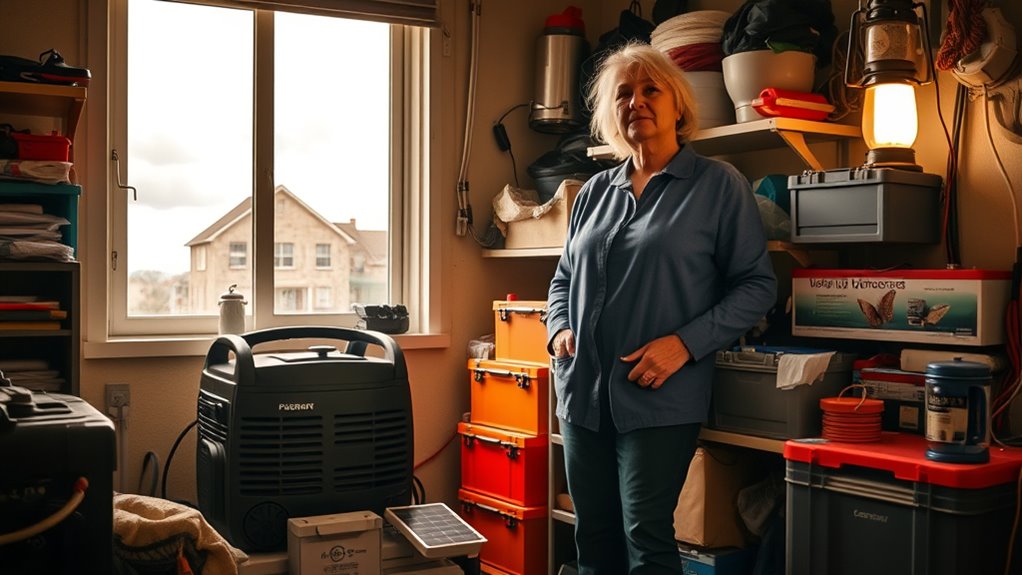
Having documented your medical equipment needs, the next step is guaranteeing these devices stay operational during power outages. You should invest in reliable backup power sources, such as generators or battery systems, and keep them maintained. Test your backup systems regularly to confirm they work when needed. Store fuel safely and ensure easy access to batteries or portable power units. Consider your devices’ power requirements and plan accordingly. Use the table below to compare options:
| Power Source | Pros | Cons |
|---|---|---|
| Portable Battery | Easy to use, quiet | Limited run time |
| Standby Generator | Long-lasting, reliable | Requires fuel, maintenance |
| Solar Power | Eco-friendly, renewable | Weather-dependent |
| Uninterruptible Power Supply (UPS) | Instant backup, compact | Limited capacity |
Additionally, understanding power management can help you optimize your backup solutions to ensure continuous operation of essential devices, especially in emergency situations. Proper planning and backup system maintenance are crucial to ensure your power sources remain dependable when you need them most. Regularly updating your emergency preparedness plan can further enhance your readiness.
Creating Emergency Transportation and Evacuation Plans

You need to plan for how non-mobile patients will be evacuated quickly and safely during emergencies. Coordinating with emergency transport services in advance guarantees you can move patients with complex medical needs without delays. Having clear procedures and accessible transportation options reduces confusion and keeps everyone safe. Additionally, establishing emergency communication protocols ensures that caregivers and responders stay informed and coordinated during crises. Incorporating home energy considerations, such as ensuring backup power supplies for medical devices, can enhance safety during extended outages. Recognizing modern safety technologies can further improve evacuation procedures and emergency responses. Understanding specialized equipment designed for medical evacuations can also streamline efforts during critical situations. Exploring high-heat outdoor cooking tools and techniques can provide valuable insights into efficient, reliable procedures that may be adapted for emergency situations requiring quick, effective resource management.
Planning for Non-Mobile Patients
How can caregivers develop effective emergency transportation and evacuation plans for non-mobile patients? First, identify accessible transport options tailored to their needs. Ensure that specialized medical equipment, medications, and supplies are packed and ready to go. Establish clear communication with emergency services to coordinate swift assistance. Pre-arranged destinations, like healthcare facilities or shelters equipped for non-mobile patients, are essential. Regularly review and update the plan to adapt to changing conditions. Use this table to organize key details:
| Patient Needs | Transportation Options | Emergency Contacts |
|---|---|---|
| Medical equipment compatibility | Ambulance, specialized transport | Family, healthcare providers |
| Medication management | Portable medical supplies | Emergency services |
| Accessibility requirements | Wheelchair-accessible vehicles | Support network contacts |
| Care instructions | Clear evacuation steps | Local emergency agencies |
This structured approach minimizes delays and confusion during emergencies. Additionally, incorporating evacuation procedures into your plan ensures preparedness for unexpected situations. To maximize safety, consider training caregivers and family members on the use of emergency equipment and evacuation techniques.
Coordinating Emergency Transport
Effective coordination of emergency transport is crucial for ensuring non-mobile patients receive timely care during disasters. You need a clear plan that includes reliable transportation options suited to your loved one’s medical needs. Establish relationships with local Emergency Medical Services (EMS) and confirm their availability in emergencies. Pre-arrange transportation agreements and communicate specific requirements, like oxygen tanks or wheelchair accessibility. Keep an updated list of accessible shelters equipped for medical needs. Make certain all medical devices, medications, and vital information are prepared for quick transfer. Educate your loved one about evacuation procedures to reduce confusion. Regularly review and practice your plan to identify gaps. Understanding emergency preparedness and its proper use can help in organizing medical supplies and ensuring a smooth transition during emergencies. Having a well-coordinated strategy minimizes delays and ensures your loved one gets prompt, safe transportation in urgent situations.
Developing a Personal Emergency Communication System

Have you considered how a reliable personal emergency communication system can guarantee immediate contact with caregivers and emergency services during crises? You should set up multiple ways to stay connected, such as a dedicated cellphone, a backup landline, or a two-way radio. Make sure these devices are always charged and easily accessible. Share clear instructions on how to reach you, including your home address, contact numbers, and preferred communication methods. Establish a code word or phrase for emergencies to quickly alert others. Consider using emergency apps or alert systems that send automatic notifications to your contacts. Regularly test your communication plan to make certain everything works smoothly, and update contact information as needed. This proactive approach reduces confusion and delays during critical moments. Incorporating wave and wind considerations into your plan can also help ensure reliable communication in outdoor or adverse weather conditions. Additionally, understanding fandom dynamics can help you better coordinate with community members or neighbors who may assist in emergencies. Being aware of connected fitness technology can also help you leverage devices that automatically send alerts if certain health parameters are detected, further enhancing your safety network. Moreover, including disaster preparedness practices within your plan can ensure you’re ready for unexpected situations. Planning for redundant communication methods can further improve your response time when primary devices fail.
Preparing an Up-to-Date Caregiver and Medical Contact List

You need to keep your caregiver and medical contact list current so you can reach the right people quickly in an emergency. Make sure it includes all essential contacts, such as doctors, pharmacies, and emergency services. Organize the list for easy access, so it’s ready when you need it most. Additionally, including emergency preparedness tips can help ensure you’re fully ready for unforeseen situations. Regularly review and update the list to reflect any changes in contact information or medical needs, ensuring your contact information remains accurate and reliable.
Keep Information Current
Why is it crucial to keep caregiver and medical contact lists current? Outdated information can delay critical responses during emergencies, risking your loved one’s safety. If contact numbers, addresses, or medical details change and you don’t update your list, responders might struggle to reach the right people or access essential information. An accurate, current list ensures emergency personnel, medical providers, and support networks can act swiftly. It also helps you coordinate care smoothly, avoid miscommunications, and keep everyone informed. Regularly review and update your contact list whenever you have a change in phone numbers, addresses, medications, or healthcare providers. Keep the list stored in accessible locations—both physically and digitally—to guarantee it’s always ready when you need it most.
Include Emergency Contacts
Keeping your emergency contacts up to date guarantees that help can reach you and your loved ones without delay during a crisis. Regularly review and update your list to include current phone numbers, addresses, and email addresses for family members, close friends, and healthcare providers. Confirm that your medical contacts, such as primary care doctors, specialists, and pharmacies, are listed with accurate details. Include any relevant emergency services and local support organizations. Keep multiple copies of this list in accessible locations—such as your emergency kit, home, and digital devices—and share it with trusted individuals. An accurate, exhaustive contact list helps responders act swiftly and ensures your care network remains informed and prepared in an emergency.
Organize for Quick Access
Organizing your caregiver and medical contact list for quick access guarantees that emergency responders, family members, and healthcare providers can reach you without delay. Keep this list updated and stored in multiple accessible locations, such as your phone, wallet, and emergency kit. Make sure it includes essential information like names, phone numbers, and relationships. Also, add details about medications, allergies, and medical conditions for quick reference. Consider using digital tools or apps that sync across devices for real-time updates. Regularly review and verify contact information to ensure accuracy. Keep printed copies in secure, visible spots around your home. This preparation minimizes confusion, saves precious time, and helps ensure prompt assistance during crises.
- Include complete names, phone numbers, and relationships
- List medications, allergies, and medical conditions
- Use digital tools for real-time updates
- Store printed copies in multiple accessible locations
Organizing a Stockpile of Essential Supplies and Medications

Creating a reliable stockpile of essential supplies and medications is a crucial step in emergency preparedness. Start by listing all necessary items, including prescription medications, over-the-counter remedies, medical supplies, and daily essentials like food and water. Keep medications in their original containers with clear labels, and regularly check expiration dates to guarantee freshness. Store supplies in a dedicated, easily accessible location, preferably in waterproof containers. Consider including backup batteries, medical devices, and personal hygiene products. Maintain an inventory list with quantities and expiration dates, updating it monthly. Make certain family members or caregivers know where the stockpile is stored. Having these supplies ready in advance reduces stress and saves valuable time during an emergency, keeping your loved ones safe and cared for.
Training and Drills to Handle Unexpected Health Crises

Training and drills are essential to guarantee caregivers and staff are prepared to respond effectively during unexpected health crises. Regular practice helps identify gaps and reinforces procedures. You should simulate various scenarios, such as sudden illness or equipment failure, to build confidence and responsiveness. These drills ensure everyone understands their roles and the location of emergency supplies. Incorporate communication protocols, evacuation steps, and medical intervention techniques to improve coordination. Consistent training also helps caregivers adapt to evolving needs and new equipment. Use these exercises to evaluate response times and decision-making skills. By practicing proactively, you minimize chaos and ensure swift, effective action when real emergencies occur.
- Conduct scenario-based simulations regularly to test response efficiency
- Review and update emergency procedures based on drill outcomes
- Train staff on new medical devices and technology integration
- Foster team communication and leadership during crisis situations
Building a Community Support Network for Emergency Assistance
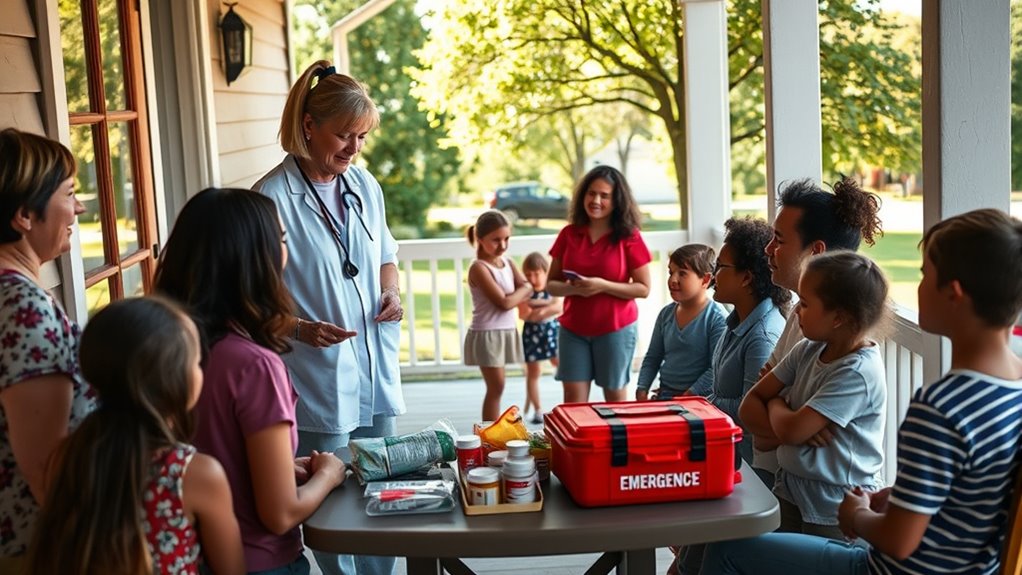
Building a strong community support network is essential for guaranteeing emergency assistance is readily available when caregivers and care recipients face crises. You should identify trusted neighbors, friends, or family members who can step in during emergencies. Establish clear communication plans, including contact information and specific roles, so everyone knows what to do. Connect with local support groups, community centers, and healthcare providers to create a reliable safety net. Share emergency plans and medical needs with your network, ensuring they understand the care recipient’s requirements. Regularly update everyone on changes in health or circumstances. By cultivating these relationships before an emergency occurs, you ensure prompt help, reduce stress, and maintain continuity of care during unforeseen events.
Frequently Asked Questions
How Often Should I Review and Update My Backup Plans?
You should review and update your backup plans at least every six months, or whenever there’s a significant change in your or your care recipient’s health, medications, or living situation. Regular check-ins ensure your plans stay relevant and effective. Additionally, update contact lists, medical equipment details, and emergency procedures after any incident or new information. Staying proactive keeps you equipped for unexpected situations, reducing stress during emergencies.
What Legal Documents Should I Prepare for Emergencies?
Coincidentally, having the right legal documents prepared can be the difference between smooth care and chaos during emergencies. You should have advance directives, including a healthcare power of attorney and living will, to clarify your medical wishes. Additionally, prepare financial and legal documents like a durable power of attorney, HIPAA releases, and a will or trust. Keep copies accessible, and guarantee loved ones and caregivers know how to retrieve them swiftly.
How Can I Ensure My Caregiver Communicates Effectively During a Crisis?
You should establish clear communication channels with your caregiver before a crisis. Share detailed emergency contact lists, medical instructions, and preferred methods of communication like calls, texts, or emails. Guarantee they understand your needs and update these details regularly. Use technology, like emergency apps or caregiver registries, to stay connected. Practice communication plans during drills so your caregiver feels confident and prepared to relay crucial information quickly during an emergency.
What Resources Are Available for Financial Assistance During Emergencies?
During emergencies, you can access financial assistance through federal programs like FEMA grants, disaster unemployment benefits, and local relief funds. Many charities and community organizations also offer emergency aid. Keep your documentation ready, such as proof of income and medical expenses, to accelerate application processes. Reach out to social services and support networks early to explore available resources and ensure you get the help you need quickly.
How Do I Coordinate With Local Authorities for Emergency Support?
Think of it like constructing a bridge to connect you with help. You should contact your local emergency management office early, establish communication lines, and share your household’s medical needs. Register your household in caregiver registries and confirm evacuation plans. Keep emergency contacts handy, participate in community drills, and stay updated on local alerts. These steps make sure you’re not left alone when disaster strikes, and support is just a call away.
Conclusion
When sickness strikes, your backup plans become your safety net—a sturdy bridge over turbulent waters. With prepared medications and reliable communication, you’ll face emergencies with confidence. Imagine the calm in your home, even amid chaos, like a lighthouse guiding you through a storm. By building this safety net today, you transform uncertainty into resilience, ensuring that no matter what happens, you’re always ready to weather the storm and keep your loved ones safe.
Fall Picks
fall essentials
As an affiliate, we earn on qualifying purchases.