Staying connected with your spouse who has dementia means adapting your communication approach. Use simple language, speak slowly, and maintain eye contact to foster understanding. Pay attention to non-verbal cues like gestures and facial expressions, which become more meaningful. Be patient during mood swings and emotional changes, offering reassurance and comfort. Establish routines and create a supportive environment to reduce confusion. To learn effective strategies and tools that strengthen your bond, explore the next steps outlined below.
Key Takeaways
- Use simple language, slow speech, and short sentences to facilitate understanding and connection.
- Incorporate non-verbal cues like eye contact, gestures, and touch to reinforce communication.
- Maintain a calm, patient, and friendly tone to reduce confusion and emotional distress.
- Engage in shared routines and familiar environments to promote comfort and emotional bonds.
- Practice active listening, empathy, and humor to strengthen emotional connection despite cognitive challenges.
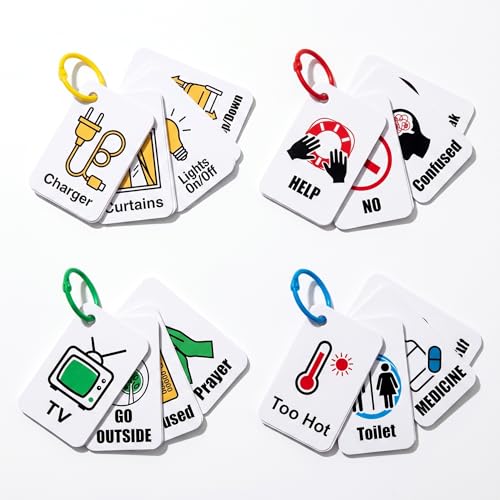
Aphasia Communication Cards for Adults, 50 PCS Visual AAC Aid
- Designed for Adult Communication: Supports adults with aphasia and speech difficulties
- 50 Practical Daily Use Cards: Covers water, food, restroom, pain, and more
- Respectful, Age-Appropriate Design: Simple, recognizable illustrations for seniors and caregivers
As an affiliate, we earn on qualifying purchases.
As an affiliate, we earn on qualifying purchases.
Understanding the Impact of Dementia on Communication

Dementia profoundly affects how spouses communicate, often leading to a significant loss of meaningful verbal exchanges. You might find that your partner no longer understands or responds to your words as they once did. Conversations become frustrating because messages lack context or are misunderstood, making sharing difficult. As a result, you often rely more on non-verbal cues like gestures, facial expressions, and tone to interpret needs and emotions. This shift can create feelings of distance and loneliness, as both of you struggle to connect in familiar ways. Without proper support or adaptation, communication difficulties can lead to misunderstandings, conflict, and a decline in intimacy. Recognizing how dementia impacts communication is essential to maintaining your relationship and finding new ways to stay connected. Additionally, understanding the role of non-verbal cues can help you better interpret your partner’s feelings and needs when words are no longer effective. Developing communication strategies tailored to these changes can also enhance your interactions and foster a deeper connection despite the challenges. Incorporating professional guidance can provide valuable tools and techniques to navigate communication barriers effectively. Recognizing that natural changes in speech and comprehension are part of dementia can help set realistic expectations and reduce frustration in your interactions. Being aware of these communication shifts can help you adapt your approach and maintain emotional closeness over time.

10Pcs Nonverbal Communication Board Waterproof Aphasia Patient Communication Tools Durable Non Verbal Communication Device Cards for Nonverbal Adults, Kids
- Package Includes: 10 double-sided communication boards
- Size and Material: 27 x 35cm lightweight waterproof boards
- All-inclusive Content: Includes emotions, actions, pain levels, and more
As an affiliate, we earn on qualifying purchases.
As an affiliate, we earn on qualifying purchases.
Practical Tips for Effective Spousal Conversations

To have more effective conversations with your spouse who has dementia, it’s important to use clear and simple communication techniques. Speak slowly and clearly, using short sentences to help them process information better. Keep your tone calm and friendly, avoiding a high pitch or a child-like voice, which can cause discomfort. Allow your spouse plenty of time to respond, and don’t rush or interrupt them. Use eye contact and gentle gestures like nodding or smiling to show you’re engaged. Include them in conversations, speaking directly to them rather than talking as if they’re not there. Practice active listening by giving your full attention and encouraging their participation. Incorporating innovative cloud solutions into your support system can also provide additional resources and connectivity options to help maintain connection and reduce frustration during your conversations.

Joyreal AAC Device for Autism, Non Verbal Communication Tools for Speech Therapy & Stroke Rehab. Communication Tablet, Autism Talking Aids with 8 Programmable Buttons & Adjustable Volume
- 37 Pre-Installed Talking Buttons: Easy-to-understand visual instructions
- Male/Female Voice Switch: Switch between male and female voices
- 8 Programmable Buttons: Record personalized instructions
As an affiliate, we earn on qualifying purchases.
As an affiliate, we earn on qualifying purchases.
Embracing Non-Verbal Cues and Body Language

When talking with your spouse who has dementia, paying attention to non-verbal cues can make a big difference. Your spouse’s facial expressions, gestures, and posture often reveal their feelings and needs better than words. Watch for signs of confusion, frustration, or comfort through their body language. For example, leaning in might show engagement, while turning away could indicate distress. Use your own body language to create a calm, welcoming environment—maintain gentle eye contact, smile warmly, and keep an open posture. Sometimes, a comforting touch or a gentle nod can convey understanding and reassurance. Remember, non-verbal signals are powerful tools for connection, especially when verbal communication becomes challenging. Being mindful of these cues helps you respond empathetically and foster a sense of safety and trust. Additionally, incorporating at-home beauty tech devices designed to promote relaxation can enhance your overall well-being and create a soothing atmosphere during your interactions. Recognizing and interpreting these non-verbal cues can significantly improve your communication and strengthen your bond. Developing an awareness of smart home technology can also support your efforts by providing subtle prompts or reminders to your loved one, reducing anxiety and enhancing comfort. Using environmental cues effectively can help create a more supportive and reassuring environment for your spouse.
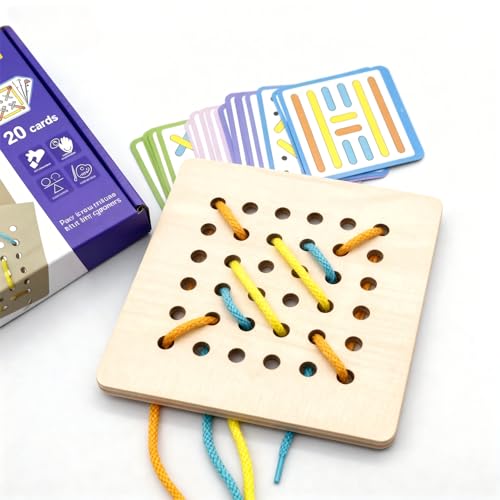
Dementia Products for Elderly, Dementia Activity Kit for Seniors –Memory Games & Puzzles for Alzheimers Patients – Engaging Activities for Dementia Care
- Designed for Caregiving Needs: Supports both dementia patients and caregivers
- Calming Activity for Restlessness: Reduces anxiety with soothing threading tasks
- Encourages Memory and Connection: Fosters reminiscence and shared stories
As an affiliate, we earn on qualifying purchases.
As an affiliate, we earn on qualifying purchases.
Managing Emotional Challenges and Behavioral Changes

Managing emotional challenges and behavioral changes requires caregivers to remain patient and adaptable, as these issues often fluctuate unpredictably. You’ll notice mood swings, agitation, or withdrawal that can be frustrating. To handle this, stay calm and avoid reacting emotionally. Use a gentle tone and simple language, and give your spouse space if needed. Humor and laughter, when appropriate, can ease tension and reconnect you emotionally. Be mindful of your own stress; managing frustration helps prevent negative reactions. If overwhelmed, step away safely to regain composure. Practice self-compassion and consider therapeutic approaches that foster emotional resilience. Additionally, utilizing communication tools and strategies can help bridge understanding and reduce frustration during difficult interactions. Being aware of behavioral symptoms can also help you anticipate and respond more effectively. Recognizing emotional fluctuations as part of the disease process can help you maintain empathy and patience. Consistent routines and familiar environments can provide comfort and reduce confusion for your spouse. Using behavioral management techniques can sometimes help lessen challenging behaviors and promote calmness. Remember, these behaviors are symptoms of the disease, not personal attacks. Your patience and understanding are essential in maintaining a supportive environment and strengthening your bond through these difficult moments.
Engaging in Communication Enhancement Programs

Engaging in communication enhancement programs offers a structured way for spouses to improve their interactions despite the challenges posed by dementia. These programs provide practical tools and techniques to navigate communication breakdowns and foster meaningful connection. You learn strategies like using simple language, maintaining eye contact, and incorporating non-verbal cues to better understand your partner’s needs. Programs such as CARE involve coaching, role-play, and joint sessions that build confidence and skills. By participating, you can reduce frustration, increase engagement, and create a more positive communication environment. Incorporating best practices in communication and leveraging modern technology can further enhance your interactions and understanding. Utilizing specialized training can help you adapt to your partner’s evolving communication abilities. Building on these methods, effective listening skills are essential for recognizing subtle cues and responding empathetically. Developing empathy and patience can significantly improve your connection and reduce misunderstandings. Over time, these interventions help preserve your spouse’s dignity while strengthening your bond. Committing to such programs empowers you to stay connected and supportive, even as dementia progresses.
Frequently Asked Questions
How Can I Rebuild Trust if Communication Has Broken Down?
To rebuild trust when communication breaks down, you should focus on patience and consistency. Use clear, calm language, and give your spouse time to process. Show empathy through non-verbal cues like eye contact and gentle touch. Avoid rushing or criticizing, and instead, listen actively and validate their feelings. Small, regular interactions help restore connection, making your spouse feel safe and valued, gradually rebuilding the trust that may have been lost.
What Technologies Can Support Better Communication With My Spouse?
You can use technologies like tablets or smartphones with simplified interfaces, voice-activated devices, and photo-sharing apps to support better communication. These tools help you share memories, send reminders, or initiate conversations in ways your spouse can understand and engage with easily. Video calls also enable face-to-face interaction when in-person visits aren’t possible. By integrating these technologies, you foster connection, reduce frustration, and help your spouse feel more involved and valued.
How Do I Handle Misunderstandings During Conversations?
When misunderstandings happen, don’t throw in the towel. Instead, stay calm and patient, gently rephrasing or simplifying your message. Use clear, simple language and give your spouse time to process. Keep eye contact and use nonverbal cues like smiling or nodding to reinforce your message. If confusion persists, switch to a different topic or take a break; sometimes, a little space clears the air.
What Are Signs My Spouse Is Overwhelmed or Distressed?
You’ll notice your spouse is overwhelmed or distressed if they become agitated, confused, or withdraw suddenly. Look for signs like increased eye avoidance, fidgeting, or changes in facial expression, such as frustration or sadness. They might also have difficulty following conversations or seem overwhelmed by sensory stimuli. When you see these signs, slow down, speak calmly, and give them space to process, helping them feel safe and supported.
How Can I Maintain Intimacy Despite Communication Barriers?
Imagine holding a fragile butterfly gently in your hands, carefully maintaining its delicate wings. To keep intimacy alive, use gentle touch, warm smiles, and eye contact to connect beyond words. Share quiet moments, listen actively, and show understanding through affection and patience. Keep routines familiar and celebrate small victories, fostering a sense of closeness. Your consistent presence and compassion create a safe space where love and trust can still flourish despite communication barriers.
Conclusion
Staying connected with a spouse who has dementia can feel like steering through a fog, but with patience and understanding, you’ll find your way. Remember, even when words stumble, non-verbal cues and heartfelt gestures speak volumes. Embrace each moment, and don’t be discouraged by setbacks. Like a lighthouse guiding ships home, your love and effort can shine brightly, guiding your partner through the haze toward moments of clarity and connection.