To protect your heart health, it’s important to regularly monitor your blood pressure at home using a validated cuff and proper technique. Know your target ranges, especially below 130/80 mm Hg, and watch for signs of heart failure like shortness of breath, swelling, or fatigue. Managing your blood pressure with lifestyle changes and medical guidance can prevent serious heart problems. Keep exploring to learn how you can stay proactive and healthy as you age.
Key Takeaways
- Regularly monitor blood pressure at home using validated upper arm cuffs for accuracy.
- Recognize signs of heart failure such as shortness of breath, swelling, and fatigue for early intervention.
- Keep blood pressure below 130/80 mm Hg, ideally under 120 mm Hg systolic, to reduce cardiovascular risks.
- Use proper measurement techniques: sit upright, cuff at heart level, quiet environment, and record multiple readings.
- Adopt healthy lifestyle habits like balanced diet, regular exercise, and stress management to support heart health.

Smart Watch Fitness Tracker with 24/7 Heart Rate, Blood Oxygen Blood Pressure Monitor Sleep Tracker 120 Sports Modes Activity Trackers Step Calorie Counter IP68 Waterproof for Andriod iPhone Women Men
【Superb Visual Experience & Effortless Operation】Diving into the latest 1.58'' ultra high resolution display technology, every interaction on...
As an affiliate, we earn on qualifying purchases.
Understanding Blood Pressure Ranges for Seniors

Understanding blood pressure ranges for seniors is essential for managing heart health effectively. Knowing where your blood pressure falls helps you and your healthcare provider decide on appropriate treatments and lifestyle changes. Normal blood pressure is less than 120/80 mm Hg, but many seniors fall into higher categories. Elevated blood pressure is 120–129 systolic with less than 80 diastolic. Stage 1 hypertension ranges from 130–139 systolic or 80–89 diastolic, while Stage 2 hypertension is 140 or higher systolic or 90 or higher diastolic. The goal for most seniors is to keep blood pressure below 130/80 mm Hg, ideally aiming for less than 120 mm Hg systolic. Regularly understanding these ranges helps you stay proactive in maintaining your heart health and preventing complications. Monitoring blood pressure is a simple yet vital step in managing overall cardiovascular health. Being aware of blood pressure control techniques and the importance of timely medication adjustments can further support heart health. Additionally, understanding the blood pressure categories can help you recognize when to seek medical advice to prevent adverse outcomes. Recognizing the importance of personal health monitoring can empower seniors to take charge of their heart health, especially since some modern farmhouse decor trends now incorporate health-related smart technology to assist with regular monitoring.

Pedometer Watch Senior Friendly No App/Phone Required, Waterproof Fitness Tracker Watch with Step Counter Calories/Sleep Tracker for Walking Running for Men Women
【𝐍𝐨 𝐀𝐏𝐏 & 𝐏𝐡𝐨𝐧𝐞 𝐑𝐞𝐪𝐮𝐢𝐫𝐞𝐝 𝐏𝐞𝐝𝐨𝐦𝐞𝐭𝐞𝐫 𝐖𝐚𝐭𝐜𝐡】This pedometer watch doesn't require any App or smartphone connections! It's as...
As an affiliate, we earn on qualifying purchases.
The Importance of Home Blood Pressure Monitoring
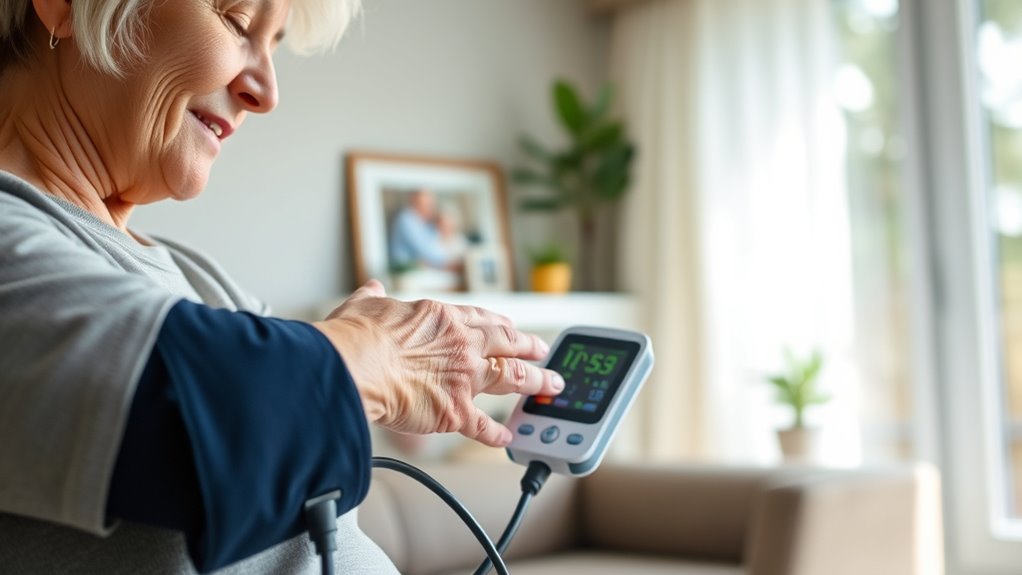
Monitoring your blood pressure at home is a crucial step in managing your heart health, especially if you have high blood pressure. Regular checks help you and your healthcare team track your progress and adjust treatments as needed. Using a validated, upper arm cuff monitor ensures accuracy. Take at least two readings one minute apart and record the results to get a clear picture of your blood pressure trends. Incorporating accurate measurement techniques can further improve the reliability of your readings. Adopting proper measurement techniques can also help in detecting subtle changes that might require medical attention. Understanding the value of home security systems can offer peace of mind by safeguarding your health-related devices and personal information. Proper device storage and maintenance can also extend the lifespan and accuracy of your blood pressure monitors. Ensuring correct cuff placement and fit is essential for obtaining consistent and accurate readings.
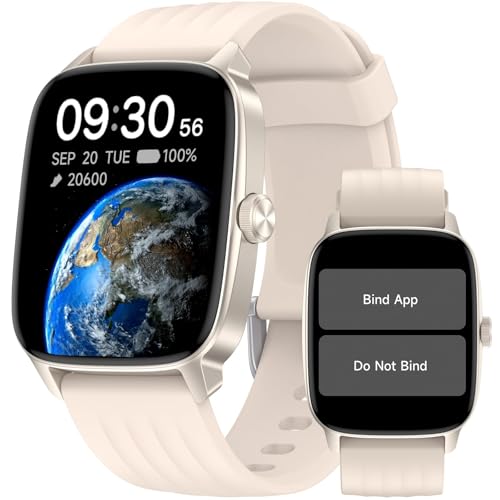
DAVIKO Pedometer Watch Senior Friendly No App/Phone Required, Waterproof Fitness Tracker Watch with Step Counter Calories/Sleep Tracker for Walking Running for Men Women
No APP & Phone Required Pedometer Watch: The pedometer watch can be used seperately without APP or smartphone...
As an affiliate, we earn on qualifying purchases.
Proper Technique for Accurate Blood Pressure Readings

To get accurate blood pressure readings, you need to pay attention to proper cuff placement, making sure it’s snug but not too tight around your arm. You should also measure in a quiet, comfortable environment, avoiding any movement or talking during the process. Taking multiple readings one minute apart helps guarantee your results are reliable and consistent. Additionally, being aware of blood pressure monitoring techniques can improve the accuracy of your assessments. Regularly reviewing your blood pressure readings can help detect patterns and potential health concerns early. Ensuring proper device calibration can also contribute significantly to measurement accuracy. Incorporating proper measurement techniques can further enhance the reliability of your blood pressure readings, especially when combined with an understanding of air quality’s impact on health, which can influence overall cardiovascular well-being.
Correct Cuff Placement
Proper cuff placement is essential for obtaining accurate blood pressure readings. You should position the cuff on your upper arm, about one inch above the bend of your elbow. Make sure the cuff is level with your heart; sitting upright helps maintain proper alignment. The cuff should fit snugly but not too tight—you should be able to slide two fingers underneath comfortably. Avoid placing the cuff over clothing; it’s best to have your bare arm or a thin shirt underneath. Keep your arm supported and relaxed at heart level throughout the measurement. Incorrect placement, such as too loose or too tight, can lead to false readings. Take your time to ensure the cuff is properly positioned before starting your measurement. Using proper cuff placement techniques can significantly improve the accuracy of your blood pressure readings.
Optimal Measurement Conditions
Achieving accurate blood pressure readings requires paying attention to several key conditions during measurement. First, sit comfortably with your back supported and feet flat on the floor. Rest your arm at heart level, supported on a flat surface. Make sure the cuff fits properly—snug but not tight—and position it on the bare skin of your upper arm. Avoid talking, moving, or crossing your legs during the measurement, as these can affect results. Wait at least five minutes after physical activity or caffeine intake before taking a reading. Use a validated device and follow the manufacturer’s instructions carefully. Consistency in measurement conditions helps guarantee reliable results, making it easier to track your blood pressure accurately over time. Additionally, proper ventilation considerations in your environment can contribute to more accurate readings. Ensuring adequate air circulation can prevent fluctuations caused by environmental factors. Maintaining a comfortable and stable environment minimizes external influences that could impact your blood pressure measurements. Being aware of measurement techniques can further improve the accuracy and reliability of your readings.
Multiple Readings Protocol
Taking multiple blood pressure readings during each measurement session helps guarantee accuracy, as individual readings can vary due to factors like movement or stress. To get reliable results, sit quietly for five minutes before measuring, with your feet flat on the floor and back supported. Rest your arm at heart level, and verify the cuff fits properly—snug but not tight. Take at least two readings, one minute apart, and record both. If readings differ by more than 5 mm Hg, take additional measurements until readings stabilize. Always use a validated device and follow the manufacturer’s instructions. Proper blood pressure monitoring techniques, including consistent use of the correct cuff size, are essential for accurate assessments. Using proper measurement techniques can also help reduce variability caused by external factors. Consistently using this protocol helps you track true blood pressure levels, making it easier your healthcare provider to assess and manage your heart health accurately. Additionally, maintaining a consistent measurement routine can improve the reliability of your readings over time.
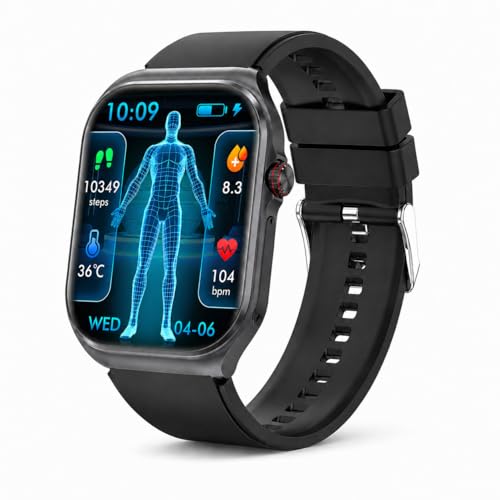
Nicdeix Smart Watch for Adults & Seniors, 1.87" Large Easy-to-Read Display, Bluetooth Calls, Heart Rate & SpO2, Sleep & Stress Tracking, 110+ Sports Modes, IP68, for Android & iPhone
[Daily Wellness Made Simple with Health Smart Watch] Track your heart rate, SpO2, sleep quality, and stress trends...
As an affiliate, we earn on qualifying purchases.
Recognizing Signs of Heart Failure in Older Adults
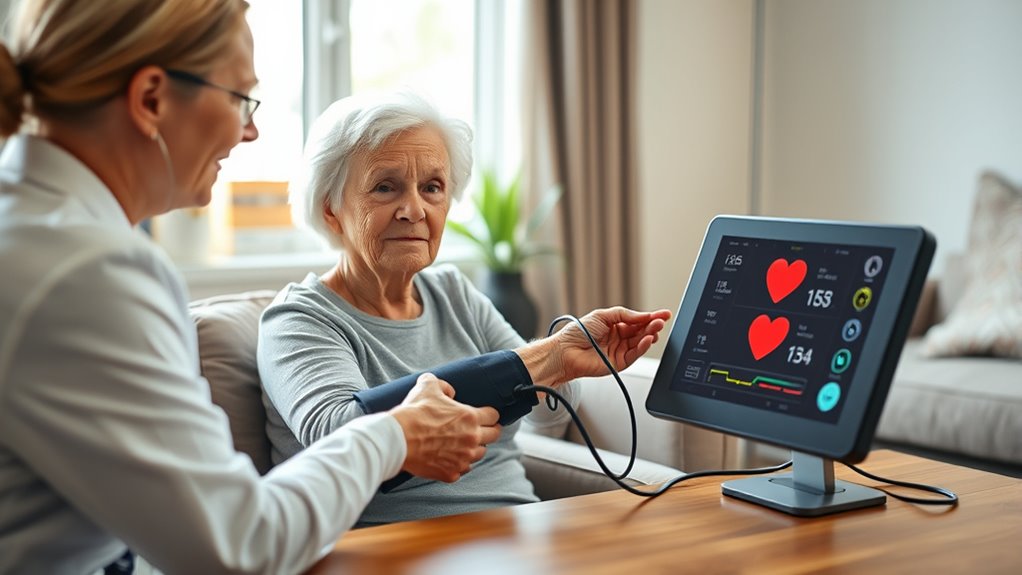
You should watch for signs like shortness of breath, especially during light activity or at rest. Swelling in your legs, ankles, or feet can also be a warning, as it indicates fluid buildup. Additionally, persistent fatigue and an irregular heartbeat are common signs that your heart may not be pumping effectively.
Shortness of Breath
How can you tell if shortness of breath is a sign of heart failure in older adults? If you notice you’re feeling breathless during light activity or even at rest, it could be be a warning sign. Heart failure causes fluid to build up in your lungs, making it harder to breathe. Pay attention if your breathing suddenly worsens or if you wake up gasping for air at night. You might also experience difficulty lying flat or feel more short of breath when climbing stairs. These symptoms aren’t normal and should be discussed with your healthcare provider. Early recognition helps manage the condition more effectively and prevents it from worsening. Monitoring symptoms can help detect changes early and improve management. Incorporating smart health monitoring devices can also assist in tracking these symptoms more accurately and alerting you or your healthcare team to concerning changes. Always report new or worsening breathlessness to your doctor promptly.
Swelling and Fatigue
Swelling and fatigue are common signs of heart failure in older adults that shouldn’t be ignored. Recognizing these symptoms early can help you seek treatment before conditions worsen.
- Notice if your legs, ankles, or feet become swollen, especially by the end of the day.
- Feel persistent tiredness or weakness that doesn’t improve with rest.
- Experience sudden weight gain from fluid buildup.
- Find yourself short of breath during light activity or when lying down.
These signs indicate your heart might be struggling to pump blood effectively, leading to fluid retention and decreased energy. If you notice any of these symptoms, talk to your healthcare provider promptly. Managing swelling and fatigue early can improve your quality of life and prevent further complications.
How Blood Pressure Control Impacts Overall Heart Health

Controlling blood pressure is essential for maintaining overall heart health, especially as you age. When you keep your systolic pressure below 120 mm Hg, you greatly lower your risk of heart attacks, strokes, and death. Proper management reduces strain on your arteries and heart, preventing damage that can lead to heart failure. Consistent blood pressure control also helps preserve cognitive function and lowers the chances of developing conditions like Alzheimer’s disease. For seniors, this means adopting strategies to keep your blood pressure within healthy ranges. Achieving and maintaining good control minimizes the risk of complications and enhances your quality of life. Remember, working closely with your healthcare provider ensures your blood pressure goals are safe and effective for your unique health situation.
Lifestyle Strategies to Manage Blood Pressure

Adopting healthy lifestyle habits can substantially improve your blood pressure management. Small changes can make a big difference in keeping your blood pressure within a healthy range. Focus on incorporating these strategies:
- Eating a balanced diet rich in fruits, vegetables, whole grains, and lean proteins
- Reducing salt intake to less than 2,300 mg daily, or lower if advised
- Engaging in regular physical activity, like brisk walking or swimming, for at least 150 minutes weekly
- Managing stress through relaxation techniques like deep breathing, meditation, or hobbies
These habits help lower blood pressure naturally and support overall heart health. Consistency is key, so make these practices part of your daily routine. Combining lifestyle changes with medical guidance can optimize your blood pressure control and reduce health risks.
Medical Treatments and When to Seek Help
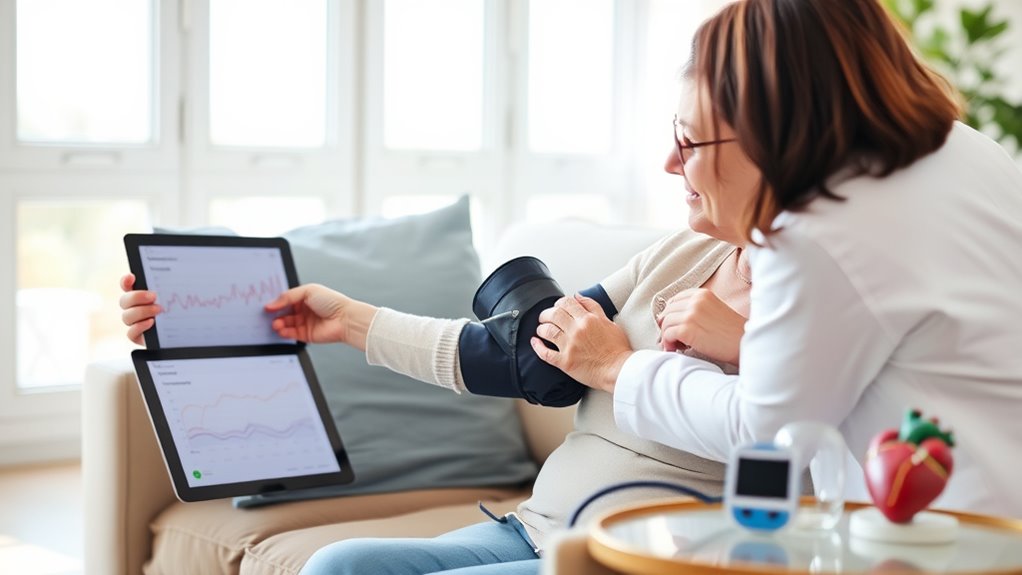
Medical treatments for high blood pressure typically involve medications prescribed by your healthcare provider to help lower and manage your numbers effectively. Common options include diuretics, ACE inhibitors, beta-blockers, and calcium channel blockers. It’s vital to take medications exactly as directed and not to stop without consulting your doctor, even if you feel fine. Regular check-ins with your healthcare provider help determine if your treatment is working or needs adjustments. If you experience symptoms like severe headache, chest pain, sudden weakness, confusion, or difficulty breathing, seek help immediately. These could be signs of a hypertensive crisis or heart failure. Monitoring your blood pressure at home and maintaining open communication with your healthcare team ensures you stay on track and catch issues early.
Developing a Routine for Heart Health Monitoring

Establishing a consistent routine for heart health monitoring helps you stay on top of your blood pressure and catch potential issues early. To do this effectively:
- Pick a specific time each day to check your blood pressure, like morning or evening.
- Use a validated, upper arm cuff monitor for accurate readings.
- Take at least two readings one minute apart, then record the results.
- Share your readings regularly with your healthcare provider to track changes.
Creating a routine makes monitoring manageable and helps you recognize patterns or sudden spikes. Keep your monitor in a consistent place, and ensure the cuff fits properly for accurate measurements. Staying disciplined with your routine empowers you to manage your heart health proactively and catch problems before they become serious.
Frequently Asked Questions
How Often Should Seniors Check Their Blood Pressure at Home?
You should check your blood pressure at home at least once a day, ideally in the morning and evening. If you have high blood pressure or other health issues, your healthcare provider may recommend more frequent monitoring. Use a validated automatic cuff, take two readings one minute apart, and record your results. Regular monitoring helps you and your doctor manage your blood pressure effectively and reduce health risks.
Can Stress or Anxiety Affect Blood Pressure Readings in Seniors?
Yes, stress and anxiety can temporarily raise your blood pressure readings. When you’re anxious or stressed, your body releases hormones that constrict blood vessels, increasing pressure. To get accurate readings, try to relax for a few minutes before measuring. Avoid checking right after stressful events. Regular monitoring helps you and your healthcare provider understand your true blood pressure levels, accounting for these temporary spikes caused by stress or anxiety.
Are There Specific Foods That Help Lower Blood Pressure Naturally?
Think of your diet as the steering wheel that guides your blood pressure. Foods rich in potassium, like bananas, sweet potatoes, and spinach, naturally help lower it. Incorporate more whole grains, berries, and fish like salmon, which contain omega-3s. Cut back on salt, processed foods, and saturated fats. These small changes can be the gentle tide that helps keep your blood pressure in check and your heart healthy.
What Are Common Side Effects of Blood Pressure Medications in Seniors?
You might experience side effects from blood pressure medications, such as dizziness, fatigue, or headaches. Some seniors may also notice swelling in their ankles or a persistent cough, especially with certain drug types. It’s important to report any unusual symptoms to your healthcare provider promptly. Never stop or adjust your medication without consulting your doctor to guarantee safe and effective blood pressure management.
How Can Caregivers Assist Seniors With Monitoring Their Blood Pressure?
You can help seniors monitor their blood pressure by choosing a validated, upper arm cuff monitor and ensuring it fits properly. Remind them to take at least two readings, one minute apart, and record the results. Assist in setting a routine, teach proper technique, and encourage sharing their readings with healthcare providers. Your support makes it easier for them to stay consistent and manage their blood pressure effectively.
Conclusion
Think of your heart as a finely tuned engine—you keep it running smoothly by regularly checking the oil level. Just like routine maintenance prevents breakdowns, monitoring your blood pressure and watching for signs of heart failure helps keep your heart strong. When you stay proactive, you’re less likely to face surprises down the road. Make blood pressure checks part of your daily routine, and your heart will thank you for it, keeping you healthy and active for years to come.