
Managing medications for your aging loved one involves understanding their medication routines, using reminder tools, organizing pills clearly, and maintaining open communication with healthcare providers. Regular reviews help prevent harmful drug interactions and inappropriate prescriptions, reducing risks of side effects and hospitalizations. Leveraging technology and community resources can support adherence and safety. Staying informed about best practices guarantees your loved one takes medications correctly. Keep exploring to learn more about creating a safe medication management plan.
Key Takeaways
- Use medication organizers, reminders, and routines to improve adherence and reduce errors.
- Regularly review medications with healthcare providers to prevent polypharmacy and harmful interactions.
- Maintain open communication with healthcare teams and keep updated medication lists.
- Access community resources and programs for medication management support and education.
- Educate your loved one about medication purposes and side effects to promote safety and prompt reporting.
Understanding Medication Use and Common Challenges in Older Adults

Understanding medication use in older adults is essential because most individuals aged 65 and older take at least one prescription drug, with many managing multiple medications simultaneously. Nearly 89% of older adults do, and over half take four or more medications at once. This high prevalence increases the complexity of medication regimens, making adherence challenging. Older adults often face difficulties understanding instructions, managing timing, and remembering doses. Cognitive decline, physical limitations, and complex schedules contribute to non-adherence and medication errors. Additionally, inappropriate medication use affects a significant portion of this population, raising safety concerns. Recognizing these challenges helps you better support your loved one in managing their medications safely and effectively, reducing risks and improving their health outcomes. Awareness of medication management strategies, such as pill organizers and medication reviews, can further assist in preventing errors. Implementing patient education and regular communication with healthcare providers can also significantly enhance medication safety.
Recognizing Risks of Inappropriate Medication and Drug Interactions

Inappropriate medications and drug interactions pose significant safety risks for older adults, often leading to adverse health outcomes. Using medications that aren’t suited for their age or health condition can cause side effects, worsen existing issues, or lead to hospitalizations. Drug interactions happen when two or more medicines interfere with each other’s effectiveness or increase side effects. For example, combining blood thinners with certain pain relievers can cause bleeding problems. With polypharmacy, the risk of harmful interactions rises sharply. It’s vital to review all medications regularly with healthcare providers, ensuring each drug is necessary and appropriate. Be alert to symptoms like dizziness, confusion, or unusual bleeding, which might signal adverse reactions. Recognizing these risks helps prevent complications and keeps your loved one safer. Understanding medication management techniques can also help in minimizing these dangers. Incorporating regular filter checks and adhering to manufacturer guidelines can further support overall safety and health. Additionally, consulting with pharmacists about potential drug interactions can provide an extra layer of protection for your loved one’s medication regimen. Being aware of body-specific considerations, such as age-related changes in drug metabolism, is also crucial for safe medication management. Moreover, staying informed about emerging pharmacological developments can help optimize treatment plans and reduce risks.
Strategies to Improve Medication Adherence at Home

To help your loved one stick to their medication routine, using reminder tools like alarms or apps can make a big difference. Organizing medications with pillboxes or labeled containers also reduces confusion and missed doses. Clear communication with caregivers guarantees everyone stays informed and supports consistent adherence. Implementing proper organization techniques can further enhance medication management at home. Additionally, understanding medication side effects can encourage your loved one to stay engaged with their regimen and report any issues promptly. Educating your loved one about medication interactions can also prevent adverse effects and ensure safe medication use. Recognizing rhythm failure symptoms can aid in early intervention and better management of health conditions. Incorporating water-based exercises or aquatic therapy can promote physical activity and improve overall health in aging loved ones.
Use Reminder Tools
Using reminder tools can considerably boost medication adherence for your aging loved one at home. These tools help overcome forgetfulness and complex schedules, making medication routines easier to manage. You can try various options to find what works best, such as:
- Electronic pillboxes that beep or light when it’s time to take medication
- Smartphone alarms or calendar alerts
- Medication reminder apps with notifications
- Visual cues, like placing medications in visible spots
- Customized checklists to track doses
Implementing these tools guarantees your loved one stays on schedule, reduces missed doses, and promotes safety. Incorporating technology-enabled solutions can further enhance adherence and streamline medication management. Using reminder tools that are easy to operate ensures your loved one remains engaged in their health routine. Consistency is key, so choose reminders that fit their daily habits and preferences. Combining multiple tools can enhance adherence and support their overall health management. For optimal safety, ensure your medication management practices align with health and safety standards. Additionally, selecting user-friendly devices can help your loved one feel more confident in managing their medications independently. Employing simple and accessible reminder methods can also reduce frustration and increase the likelihood of consistent use.
Organize Medications Properly
Organizing medications properly is essential for ensuring your loved one takes the right doses at the right times. Start by using clear, labeled containers or pill organizers divided by days and times. This approach supports European cloud innovation by leveraging advanced organizational tools that can be integrated with digital reminders. This helps prevent missed doses and accidental double dosing. Keep medications in a consistent, easily accessible location, away from heat, moisture, and direct sunlight. Establish a routine, such as taking medications after meals or during specific daily activities. Regularly review all prescriptions with healthcare providers to eliminate unnecessary or duplicate medications. Keep an updated list of medications, including dosages and schedules, and share it with caregivers or family members involved. Implementing medication adherence strategies can further reduce errors and improve safety. Proper organization reduces confusion, supports adherence, and enhances safety, making medication management simpler and more reliable. Incorporating medication organization systems can help maintain these routines effortlessly over time.
Communicate With Caregivers
Effective communication with caregivers is essential for ensuring your loved one follows their medication regimen correctly. Clear, consistent, and open dialogue helps prevent missed doses and medication errors. Make sure everyone involved understands the medication schedule, potential side effects, and any changes in the regimen. Use tools like shared calendars or medication management apps to keep everyone updated. To improve communication, consider these strategies:
- Hold regular care team meetings or calls
- Share written instructions and medication lists
- Encourage questions and feedback from caregivers
- Use technology, like alerts or reminders, to reinforce adherence
- Document all medication changes and observations
- Essential resources such as medication management tools can greatly enhance coordination and adherence. Additionally, understanding the impact of cookies on online tools can help in selecting accessible and user-friendly digital solutions. Recognizing the thermal behavior of medications and devices can also aid in optimizing storage and handling procedures. Maintaining awareness of net worth and personal financial management can further support comprehensive caregiving strategies.
Leveraging Technology to Support Medication Management
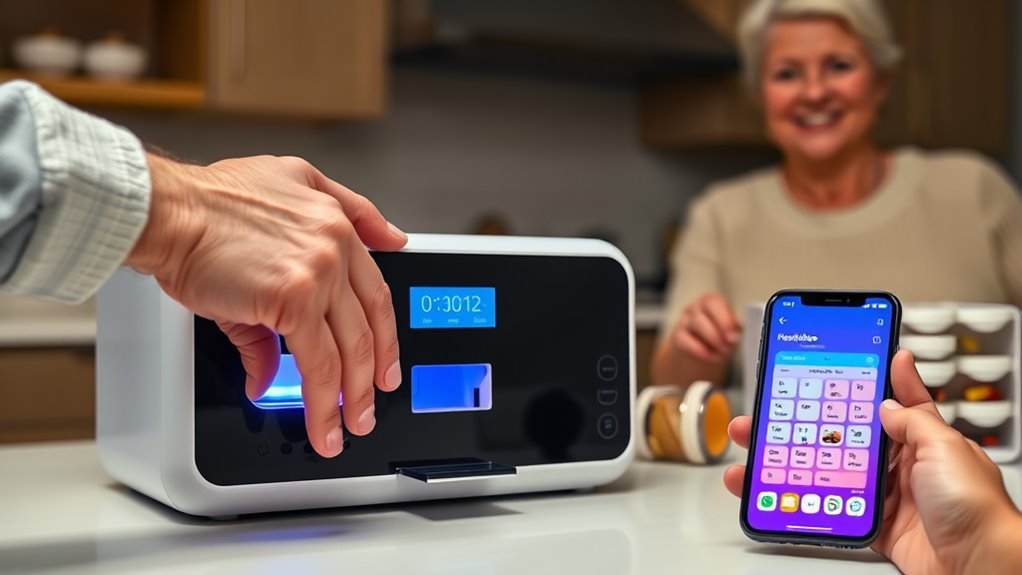
Using digital reminder tools and electronic monitoring systems can greatly improve your loved one’s medication routine. These technologies help guarantee timely doses and reduce the risk of missed or duplicate medications. Incorporating such tools makes managing complex regimens more manageable and promotes safety.
Digital Reminder Tools
Digital reminder tools have become essential in supporting medication management for older adults, especially those with complex regimens or cognitive challenges. These tools help guarantee medications are taken on time, reducing missed doses and improving adherence. You can choose from various options to suit your loved one’s needs:
- Smartphone apps with customizable alerts
- Digital pillboxes that sound or light when it’s time to take medication
- Text message reminders sent daily
- Voice-activated devices like smart speakers
- Automated phone calls for missed doses
Using these tools promotes independence and safety, minimizes confusion, and relieves caregiver stress. By integrating technology into daily routines, you empower your loved one to stay on track with their medications and enhance their overall health outcomes.
Electronic Monitoring Systems
Electronic monitoring systems have revolutionized medication management for older adults by providing real-time oversight and support. These systems include electronic pillboxes, medication dispensing devices, and digital tracking tools that alert you when doses are missed or overdue. With these tools, you can confirm your loved one takes their medications correctly and on time, reducing the risk of errors and adverse effects. Many systems sync with smartphones or caregivers’ devices, offering instant updates and reminders. Some even feature automated dispensing, minimizing confusion and misuse. By leveraging technology, you gain peace of mind, knowing that medication adherence is continuously monitored and managed proactively. This approach not only enhances safety but also encourages independence while maintaining oversight, making medication management more reliable and less stressful.
Collaborating With Healthcare Providers for Safe Medication Practices

Collaborating effectively with healthcare providers is essential to ensuring your loved one’s medication safety. You need to communicate openly about their medications, health changes, and concerns. Regularly review medication lists, ask questions about potential side effects, and clarify instructions to prevent errors. Building a strong partnership helps identify issues early and adjust treatments as needed. Keep these points in mind:
- Keep an updated list of all medications, including over-the-counter drugs
- Share any new symptoms or side effects with providers promptly
- Confirm understanding of dosing schedules and medication purposes
- Schedule regular medication reviews and follow-ups
- Advocate for deprescribing unnecessary medications to reduce risks
Policy and Community Resources to Assist Older Adults With Medications
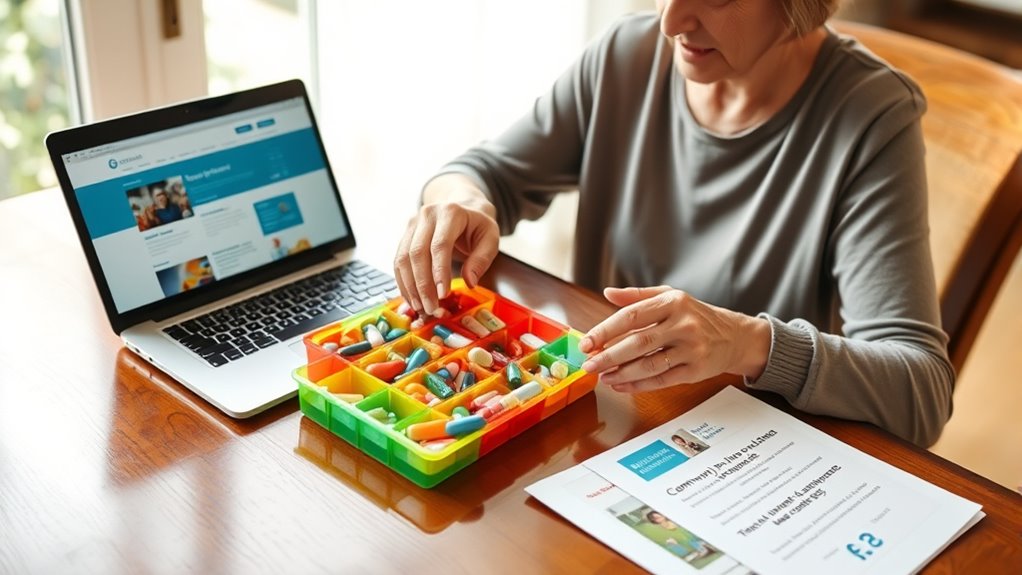
Policy and community resources play an essential role in supporting older adults with medication management. These resources help guarantee access to necessary medications, promote safe use, and reduce risks associated with polypharmacy. Local health departments, senior centers, and community clinics often offer medication review services, education, and assistance with prescription management. Programs like Medication Therapy Management (MTM) and pharmacist-led reviews can identify inappropriate medications and optimize regimens. Public policies also promote coordinated care through Medicaid, Medicare, and state-funded initiatives that improve access and affordability. Additionally, community organizations may provide transportation to pharmacies, home delivery services, and caregiver support. Leveraging these resources empowers you to advocate for your loved one’s medication safety, enhances adherence, and reduces hospitalizations related to medication errors.
Frequently Asked Questions
How Can I Identify if My Loved One Is Experiencing Medication Side Effects?
You should watch for new or worsening symptoms, like dizziness, confusion, nausea, or unusual tiredness. Keep track of any changes in mood, behavior, or physical health. If your loved one reports side effects or if you notice them acting differently, consult their healthcare provider promptly. Regular communication and medication reviews help catch side effects early, ensuring their safety and comfort while managing medications effectively.
What Are the Signs That Medications Are Interacting Dangerously?
Imagine your loved one’s medications are a delicate orchestra, and a dangerous interaction is like a discordant note. Signs include sudden confusion, severe dizziness, unexplained bleeding, or rapid heartbeat—symptoms that can signal harmful drug interactions. If you notice these, stop the medication and consult their healthcare provider immediately. Staying vigilant and aware of these warning signs can prevent serious health crises and keep the harmony in their treatment.
How Do I Handle Missed Doses or Forgotten Medications at Home?
If your loved one forgets a dose, don’t double up unless instructed by their healthcare provider. Instead, remind them to take the missed medication as soon as they remember. If it’s close to the next dose, skip the missed one and continue with the regular schedule. Keep a medication calendar or set reminders to help prevent future missed doses, and always consult their doctor if you’re unsure.
Are There Specific Apps Recommended for Medication Management for Older Adults?
You should consider apps like Medisafe, MyMeds, or Pill Reminder that are popular for older adults. These apps send reminders, track medication schedules, and offer refill alerts, making adherence easier. Choose one with simple navigation and clear alerts to suit your loved one’s tech comfort level. Regularly review medication plans with healthcare providers to guarantee the app aligns with their needs and reduces the risk of missed doses.
How Can I Ensure Healthcare Providers Communicate Effectively About Medication Changes?
You can guarantee effective communication with healthcare providers by keeping an updated list of all medications and sharing it at every appointment. Ask questions about any changes and clarify instructions. Encourage providers to use electronic records and decision support systems that promote coordination. Additionally, consider appointing a single point person, like a family member or caregiver, to oversee medication updates and ensure everyone stays informed.
Conclusion
Managing your loved one’s medications is like tending a delicate garden—you need attention, patience, and the right tools. By staying informed, using technology, and working closely with healthcare providers, you help guarantee their health blossoms instead of withering. Remember, your proactive steps are the roots that support their well-being. With care and vigilance, you can help your aging loved one navigate medication management smoothly, keeping their health thriving day after day.