

To guarantee proper nutrition for seniors, focus on creating colorful, balanced meals that include fruits, vegetables, lean proteins, whole grains, and dairy or fortified alternatives. Use herbs and spices to enhance flavor without excess salt, and prepare soft, easy-to-eat options for dental issues. Store meals safely, plan ahead, and incorporate community resources like meal programs. Staying mindful of health conditions and preferences helps you provide nutritious, appealing meals—learn more tips to support their well-being.
Key Takeaways
- Incorporate colorful, nutrient-dense foods and flavor enhancers to make meals appealing and support varied nutrient intake.
- Balance all food groups, emphasizing fruits, vegetables, lean proteins, whole grains, and dairy for comprehensive nutrition.
- Adjust meal textures and ingredients to accommodate health conditions like dental issues or swallowing difficulties.
- Use proper storage, labeling, and batch cooking to ensure food safety, freshness, and convenience.
- Leverage community resources, meal delivery services, and support networks to supplement nutrition and reduce caregiver burden.
Understanding the Unique Nutritional Needs of Older Adults

As you age, your nutritional needs change to support overall health and independence. You require fewer calories but need more essential nutrients like calcium, vitamin D, and fiber to maintain bone strength, immune function, and digestive health. Proper protein intake becomes imperative for preserving muscle mass and preventing weakness, which helps sustain mobility. Hydration is often overlooked but is essential; dehydration can lead to serious health issues. Many seniors face challenges like malnutrition, which increases hospitalization risk. Understanding these unique needs helps you choose nutrient-dense foods and plan meals that meet your body’s requirements. Prioritizing these nutritional goals supports your energy levels, prevents chronic diseases, and promotes a better quality of life as you age.
Creating Balanced and Appealing Meal Plans
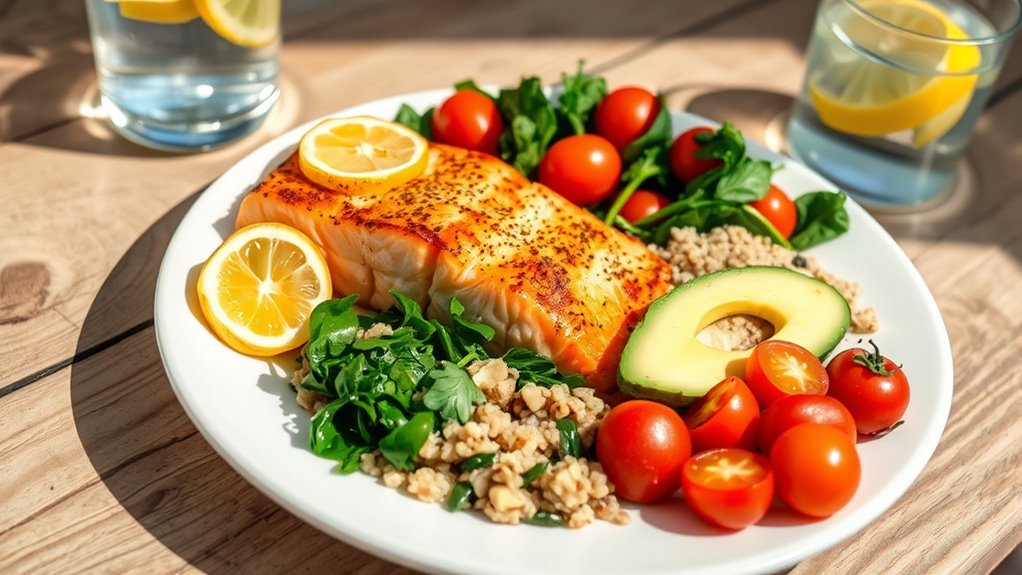
To create meal plans that are both nutritious and appealing, focus on incorporating colorful foods that provide a variety of vitamins and minerals. Use flavor enhancers like herbs and spices to make meals more enjoyable without adding excess salt or sugar. Make sure to balance all food groups, ensuring each meal includes fruits, vegetables, lean proteins, and whole grains for ideal health. Additionally, considering nutrient-dense foods can help maximize nutritional benefits while keeping meals flavorful and satisfying. Exploring eco-friendly accommodations can also promote sustainability in meal sourcing and preparation, supporting environmentally conscious practices.
Incorporate Colorful Foods
Incorporating colorful foods into meal plans not only makes meals more visually appealing but also boosts their nutritional value. Bright fruits and vegetables provide essential vitamins, antioxidants, and phytochemicals that support overall health. To maximize benefits, consider these tips: 1. Include a variety of colors—red tomatoes, orange carrots, green spinach, purple berries—to ensure diverse nutrients. 2. Use colorful vegetables in stir-fries, salads, or roasted dishes for visual appeal. 3. Add fruits like mango, kiwi, or watermelon as snacks or dessert options. 4. Incorporate vibrant herbs and spices to enhance flavor and appearance without added sodium. Additionally, choosing energy-efficient cloud servers can support sustainable practices in food production and distribution, reflecting a commitment to environmentally conscious energy consumption. Incorporating visual appeal techniques can further motivate seniors to enjoy their meals and maintain proper nutrition, especially when understanding the benefits of colorful foods for health. Engaging seniors with nutrient-dense options can also encourage a more balanced and enjoyable eating experience.
Use Flavor Enhancers
Enhancing the flavor of meals is essential for making healthy eating enjoyable, especially for seniors who may experience diminished taste sensitivity. Using herbs, spices, and citrus can add vibrant flavor without extra salt or sugar, encouraging better eating habits. Fresh herbs like basil, parsley, and cilantro brighten dishes, while spices such as cinnamon, paprika, and turmeric offer depth and warmth. A splash of lemon or lime juice can elevate flavors and reduce the need for salt. Avoid heavy reliance on salt, which can impact blood pressure. Instead, experiment with flavor combinations to make meals appealing. Mild seasonings are best for sensitive palates, and presentation matters—colorful garnishes can make meals more inviting. These simple strategies can help seniors enjoy their food more and support proper nutrition. Incorporating safety glasses for 2024 can also be beneficial when preparing meals involving hot or sharp tools, ensuring caregiver safety during food prep.
Balance Food Groups
Creating balanced and appealing meal plans is essential for ensuring seniors get all the nutrients they need while enjoying their food. To achieve this, focus on including a variety of food groups:
- Fill half your plate with fruits and vegetables for vitamins, minerals, and fiber.
- Allocate a quarter of the plate to lean proteins like poultry, fish, or beans to support muscle health.
- Use the remaining quarter for whole grains such as brown rice or whole-wheat bread to provide sustained energy.
- Incorporate dairy or fortified alternatives for calcium and vitamin D to strengthen bones.
Practical Tips for Preparing and Storing Nutritious Meals
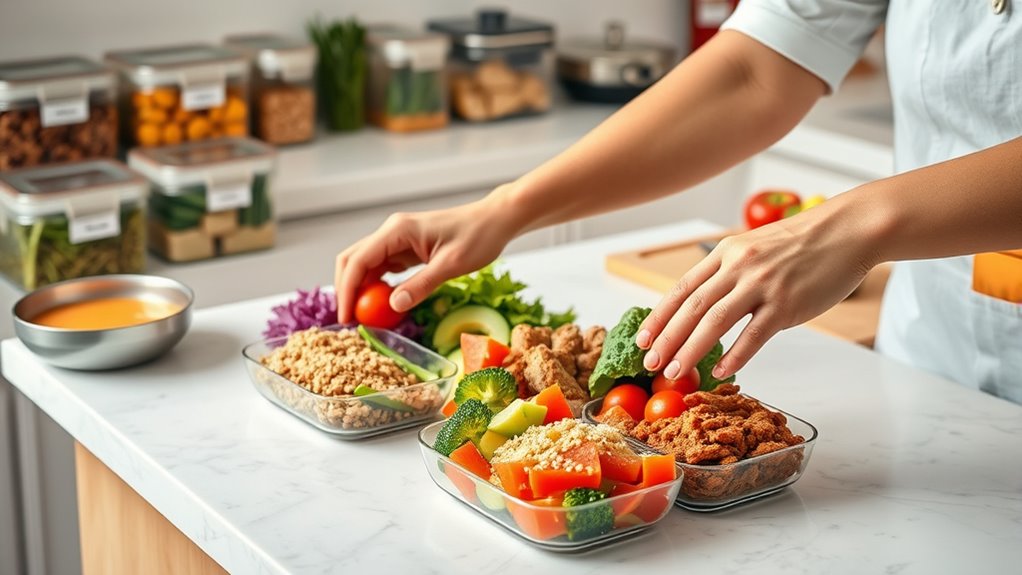
To make healthy eating easier, focus on efficient meal prep techniques like batch cooking and using pre-cut ingredients. Smart storage solutions, such as airtight containers and labeled freezer bags, help keep meals fresh and accessible. Proper portioning guarantees you’re getting the right nutrients without waste, making mealtime both convenient and nutritious. Incorporating connected kitchen appliances into meal preparation can further streamline cooking and ensure precise control over ingredients and timing. Additionally, natural pools into backyard plans can also promote a healthy environment and well-being for seniors. Using meal planning tools can simplify the process and ensure balanced nutrition. Implementing professional meal services can also provide convenience and variety for caregivers. Moreover, utilizing proper food storage methods ensures that perishable items remain safe and retain their nutritional value over time.
Efficient Meal Prep Techniques
Efficient meal prep is essential for seniors looking to maintain a nutritious diet without spending too much time or energy in the kitchen. To streamline your process, consider these tips:
- Batch cook and freeze meals like soups, stews, and casseroles for quick, nutritious options.
- Prepare ingredients in advance—wash, chop, and portion fruits and vegetables for easy access.
- Use versatile pantry staples such as canned beans, frozen vegetables, and whole grains to create quick meals.
- Invest in containers that are microwave-safe and stackable to simplify storage and reheating.
Smart Storage Solutions
Proper storage is key to maintaining the freshness and nutritional value of your meals, especially when preparing in advance. Use airtight containers to prevent spoilage and preserve nutrients. Label each container with the date to ensure you consume older items first, reducing waste. Store perishable foods in the fridge at 40°F (4°C) or below, and keep leftovers visible for easy access. Freeze meals in portioned containers for longer shelf life and convenience, especially batch-cooked soups or casseroles. Use clear containers to quickly identify contents. Keep raw meats separate from other foods to avoid cross-contamination. Regularly clean your storage areas to prevent mold and bacteria growth. Understanding safe storage practices helps ensure your meals stay safe and nutritious. Proper storage helps retain flavor, nutrients, and safety, making meal prep more efficient and effective for seniors’ nutritional needs. Additionally, proper organization can reduce food waste and save time during meal preparation. Incorporating temperature control practices further safeguards against spoilage and bacterial growth, ensuring your meals remain healthy and safe for consumption. Maintaining appropriate storage conditions is essential for preserving the quality and safety of your prepared meals. Using monitoring devices such as thermometers can help you maintain optimal temperatures and prevent spoilage.
Meal Portioning Strategies
Wondering how to make meal prep easier and guarantee your nutritious meals stay fresh? Try these meal portioning strategies to save time and reduce waste:
- Use divided containers to pre-portion meals, making reheating quick and convenient.
- Measure servings with a kitchen scale or measuring cups to ensure proper nutrient intake.
- Freeze individual portions of soups, stews, or casseroles for grab-and-go meals.
- Label containers with dates to track freshness and prevent spoilage.
- Incorporate visual and auditory cues when preparing and storing meals to help ensure consistency and proper portion sizes.
- Understanding topical authority in meal planning can help caregivers create more effective and personalized nutrition strategies for seniors.
Tailoring Meals to Address Common Health Conditions

To effectively support seniors with common health conditions, you need to tailor their meals to meet specific nutritional needs. For heart health, reduce sodium and saturated fats while increasing fiber-rich foods like oats, beans, and vegetables. Incorporating heart-healthy foods can further enhance their cardiovascular well-being. For diabetes, control carbohydrate portions, focus on whole grains, and maintain consistent meal times to stabilize blood sugar levels. To promote bone strength, incorporate calcium-rich foods such as dairy, leafy greens, and fortified products, along with vitamin D sources like fatty fish or supplements. For digestive health, boost fiber intake with fruits, vegetables, and whole grains, and encourage adequate hydration. If dental issues exist, prepare soft foods like mashed vegetables, smoothies, or soups to ensure they’re easy to chew and swallow without sacrificing nutrition. Additionally, utilizing specialized kitchen tools like blenders and food processors can make meal preparation easier and safer for seniors with limited chewing ability. Recognizing the importance of nutritional needs in overall health can help caregivers design more effective meal plans. Incorporating a variety of dog-friendly ingredients, such as cooked chicken or vegetables, can also inspire nutritious meal ideas for seniors.
Overcoming Challenges in Maintaining a Healthy Diet

Maintaining a healthy diet can be challenging for seniors due to various physical, emotional, and practical barriers. You might face issues like limited mobility, reduced appetite, or financial constraints. To overcome these, consider:
Staying healthy with age can be tough; simplify meals, use delivery services, and seek support to maintain good nutrition.
- Simplifying recipes to reduce effort and time.
- Using meal delivery or prep services for convenience.
- Shopping with a clear list to avoid unnecessary purchases.
- Adding flavor with herbs and spices to boost appeal if taste diminishes.
- Planning for reliable backup power to keep appliances running during outages, ensuring that refrigeration and cooking equipment remain functional and maintaining consistent access to nutritious foods.
Addressing these barriers helps guarantee proper nutrition. Focus on small, manageable changes and utilize community resources. Encourage regular meal routines, and adapt recipes to fit physical needs. With targeted strategies, you can make healthy eating accessible and sustainable despite challenges.
Incorporating Community Resources and Support Systems
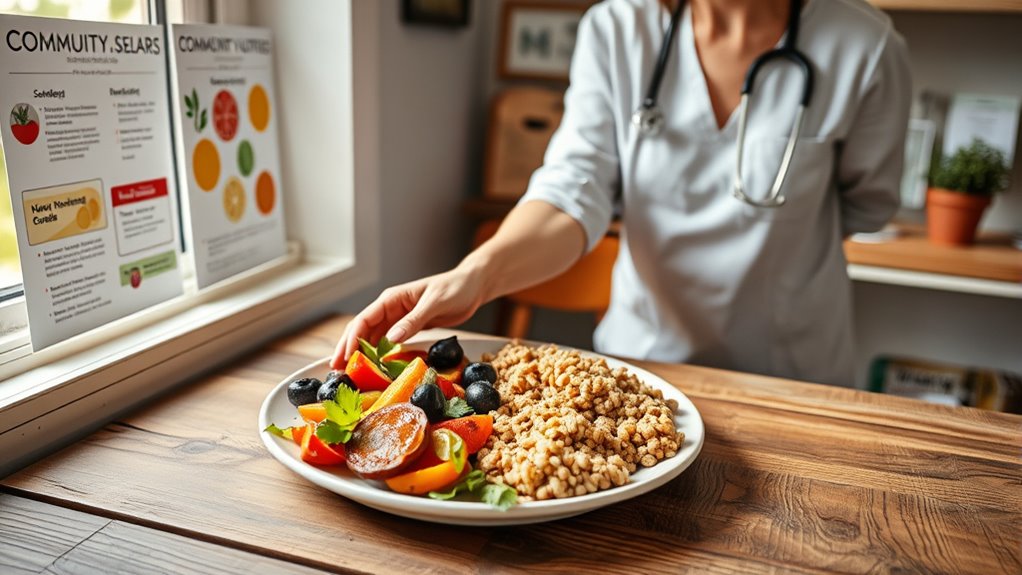
Addressing barriers to healthy eating can be more effective when you tap into community resources and support systems. Local meal programs, like senior centers or congregate meal sites, offer nutritious, balanced meals and social interaction, reducing isolation. Meal delivery services, such as Meals on Wheels, provide convenient options for seniors with limited mobility or energy. Community health clinics can connect you with nutrition counseling tailored to specific health conditions. Support groups and caregiver networks offer emotional encouragement and practical advice. Libraries or community centers often host nutrition workshops that boost knowledge and motivation. By leveraging these resources, you can ensure your senior loved ones access nutritious foods, stay engaged, and maintain their independence while overcoming common barriers to healthy eating.
Frequently Asked Questions
How Can I Encourage Seniors to Drink More Water Daily?
To encourage seniors to drink more water daily, offer it in appealing ways, like adding slices of fruit or herbs for flavor. Keep a water bottle nearby and remind them regularly to sip throughout the day. Make drinking easier by serving small, frequent amounts and incorporating fluids into meals, like soups or smoothies. Creating a routine helps build the habit, while gentle encouragement boosts their motivation to stay hydrated.
What Are Quick, Nutritious Snack Ideas for Seniors on the Go?
You can offer seniors quick, nutritious snacks like pre-portioned nuts or trail mix for healthy fats and protein. Fresh fruit slices or dried fruits provide natural sweetness and fiber. Yogurt with berries makes a convenient, calcium-rich option. Whole-grain crackers with cheese or hummus offer energy and nutrients. Keep these snacks handy in bags or purses, so they’re easy to grab on the go, supporting their energy and nutritional needs throughout the day.
How Do I Modify Meals for Seniors With Dental Issues?
To modify meals for seniors with dental issues, focus on soft, easily chewable foods like mashed potatoes, scrambled eggs, yogurt, smoothies, and well-cooked vegetables. Cut meats into small, tender pieces or opt for fish, ground poultry, or tofu. Avoid hard, sticky, or crunchy foods that could cause discomfort or choking. Incorporate flavorful herbs and spices to enhance taste, and serve meals at a suitable temperature for easier eating.
What Affordable Foods Provide the Most Essential Nutrients for Seniors?
Think of affordable foods as treasure chests of essential nutrients. Canned beans and lentils pack protein and fiber without breaking the bank, while frozen spinach and broccoli deliver calcium and vitamins D and K. Whole grains like oats and brown rice fuel energy, and canned sardines or salmon provide omega-3s and calcium. These budget-friendly options are nutritional gold mines, helping seniors stay strong and healthy every day.
How Can I Help Seniors Maintain Social Connection During Mealtimes?
You can help seniors maintain social connections during mealtimes by organizing group meals or inviting friends and family over regularly. Encourage participation in community dining programs or senior centers that offer shared meals. You might also set up virtual meal gatherings if in-person isn’t possible. Creating a warm, inviting environment helps seniors feel connected and valued, making mealtime a pleasant social experience that boosts their emotional well-being.
Conclusion
By weaving together thoughtful meal planning and heartfelt care, you become the guiding star on your senior’s nutritional journey. Remember, each nutritious bite is a building block of their vitality and happiness. With patience and creativity, you can turn mealtime into a nourishing celebration, transforming challenges into opportunities. Keep inspiring their health with love and dedication—because, together, you’re crafting a vibrant, flavorful tapestry of well-being that lasts a lifetime.