
If you’re caring for an older adult or someone with mobility issues, a medical alert system can be a essential safety tool. These devices offer quick emergency responses, fall detection, and GPS tracking, helping maintain independence while reducing your worries. They’re cost-effective and easy to use, with features that suit various needs. To learn how to choose the best system for your loved one and improve their safety, explore further options and tips.
Key Takeaways
- Medical alert systems provide rapid emergency response, crucial for seniors with mobility or health issues living alone.
- They enhance independence and safety, reducing caregiver stress and increasing confidence for active seniors.
- Features like fall detection and GPS tracking ensure timely assistance during medical or accident emergencies.
- These systems are cost-effective, helping prevent costly hospitalizations and potentially lowering long-term healthcare expenses.
- Regular device maintenance and caregiver involvement maximize safety benefits and ensure reliable emergency preparedness.
Understanding What Medical Alert Systems Offer

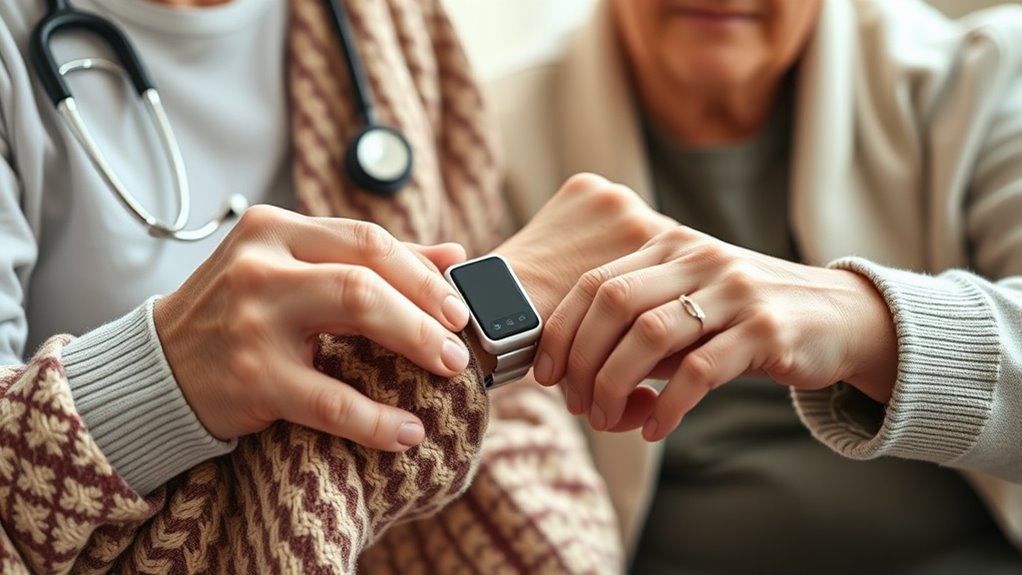
Medical alert systems provide a vital safety net for older adults by offering immediate help during emergencies. They typically include wearable devices like pendants or wristbands with buttons to call for assistance. Advanced models feature automatic fall detection, which alerts responders without the user pressing a button, reducing injury risk. Many systems include GPS tracking, ensuring help can locate the user even outside the home. Two-way communication allows users to speak directly with emergency operators, providing reassurance and quick assessment. Environmental sensors monitor conditions like temperature and air quality, enhancing safety. Centralized apps and dashboards enable family members and caregivers to monitor activity, location, and device status remotely. The choice of a system can also be influenced by projector technology, as some models integrate with home automation systems for comprehensive safety and convenience. These features work together to promote independence while ensuring rapid response when needed, and incorporating connectivity options can further improve emergency response times and system reliability. Additionally, selecting systems with battery backup ensures continued operation during power outages, adding an extra layer of security.
A user-friendly interface is also important to ensure that all users and caregivers can easily operate and interpret the system’s alerts and controls.
Who Can Benefit Most From These Devices
Older adults living alone or with medical conditions that affect balance, such as nerve or thyroid issues, can benefit most from these devices. If you or your loved one face increased fall risk, medical alert systems provide quick emergency response and peace of mind. These devices are especially helpful for those with mobility limitations or chronic health problems, ensuring help is just a button press away. They also serve well for individuals who are less confident about seeking help during emergencies. Whether you’re managing health issues or living solo, these systems support independence and safety. reliable technology features, such as GPS tracking and automatic fall detection, can further improve safety and responsiveness. Incorporating emergency response protocols into everyday routines can enhance the effectiveness of these devices and ensure timely assistance when needed. Additionally, understanding cloud service dependencies emphasizes the importance of reliable connectivity to maintain device functionality.
Common Features and Technological Innovations
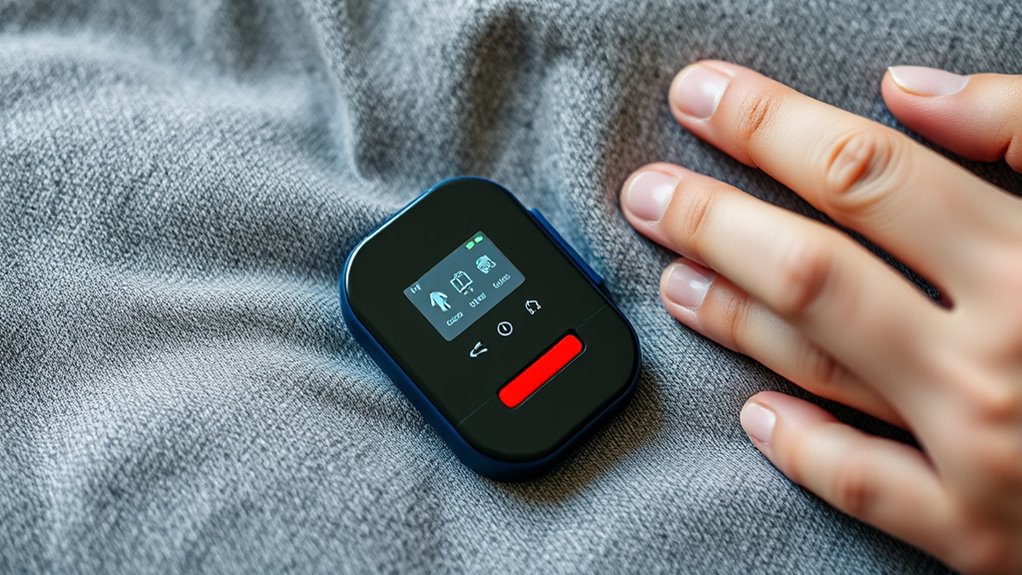
Modern medical alert systems include features like automatic fall detection, GPS tracking, and environmental sensors to keep you safe. These innovations allow quick emergency responses and provide real-time updates on your location and surroundings. Understanding these advanced features helps you choose the right system to meet your needs. Additionally, some systems now incorporate local automation to seamlessly coordinate with other smart home devices, enhancing safety and responsiveness. Incorporating navigation and mapping capabilities can further improve the system’s efficiency in emergency situations, ensuring help arrives promptly. Incorporating energy-efficient technology can extend battery life and reduce overall power consumption, which is especially important for ensuring continuous protection. As technology advances, integrating field‑of‑view considerations can improve the system’s ability to monitor wider areas effectively.
Automatic Fall Detection
Have you ever wondered how automatic fall detection works and why it’s such an essential feature in medical alert systems? It uses sensors in wearable devices or base stations to detect sudden movements or impacts consistent with a fall. When a fall occurs, the system automatically triggers an alert to emergency contacts or monitoring centers, even if the user can’t press a button. This quick response can notably reduce injuries and ensure prompt assistance. Additionally, regulatory compliance ensures these devices meet safety standards, giving users and caregivers peace of mind. UST projectors and ALR screens are examples of innovative technology that enhance safety features by providing clear visual alerts or instructions during emergencies. The integration of support breakfast options can also contribute to overall well-being, especially for seniors who may need nutritious start to their day. Incorporating advanced sensor technology can further improve the accuracy and reliability of fall detection systems, reducing false alarms and ensuring timely responses. Emerging sensor accuracy improvements continue to make fall detection systems more dependable, minimizing the risk of missed or false alarms. Automatic fall detection offers peace of mind, making it a crucial innovation in senior safety technology.
GPS Location Tracking
GPS location tracking is a vital feature in advanced medical alert systems that helps guarantee your safety outside the home. With this technology, you can be quickly located in case of an emergency, whether you’re on a walk, running errands, or visiting unfamiliar places. It provides real-time updates to caregivers and emergency responders, reducing response times and increasing safety. Modern devices incorporate precise GPS algorithms, ensuring accurate positioning even in challenging environments like urban areas or indoors. Some systems also offer geofencing, alerting caregivers if you leave designated safe zones. Innovations like integrated maps and location history further enhance safety, helping caregivers monitor mobility patterns and plan support accordingly. Overall, GPS tracking empowers you with greater independence while giving loved ones peace of mind. Additionally, advancements in GPS algorithms continue to improve accuracy and reliability, making these systems more effective in diverse settings. The development of advanced positioning technology is continually expanding the capabilities of these systems, ensuring better coverage and dependability. Moreover, real-time data processing plays a crucial role in maintaining the system’s responsiveness and precision. Recent innovations also include multi-satellite systems, which enhance location accuracy by leveraging signals from multiple navigation networks. These technological enhancements are inspired by ongoing research in satellite navigation to ensure dependable performance across different environments.
Environmental Monitoring Features
Did you know that environmental monitoring features in medical alert systems can considerably enhance your safety at home? These features track environmental factors that affect well-being, alerting you or caregivers to potential hazards before they cause harm. Modern systems often include sensors for room temperature, air quality, humidity, and smoke detection, helping prevent issues like hypothermia or respiratory problems. Some devices even monitor for carbon monoxide leaks and detect sudden changes in air quality, providing timely alerts. Technological innovations such as smart sensors and integrated apps make it easier to maintain a safe living environment. Additionally, environmental monitoring features can help identify subtle changes that might indicate underlying health issues, allowing for early intervention. With these features, you get proactive safety measures that protect against environmental risks, offering peace of mind and promoting independent living.
Evaluating the Costs and Financial Advantages
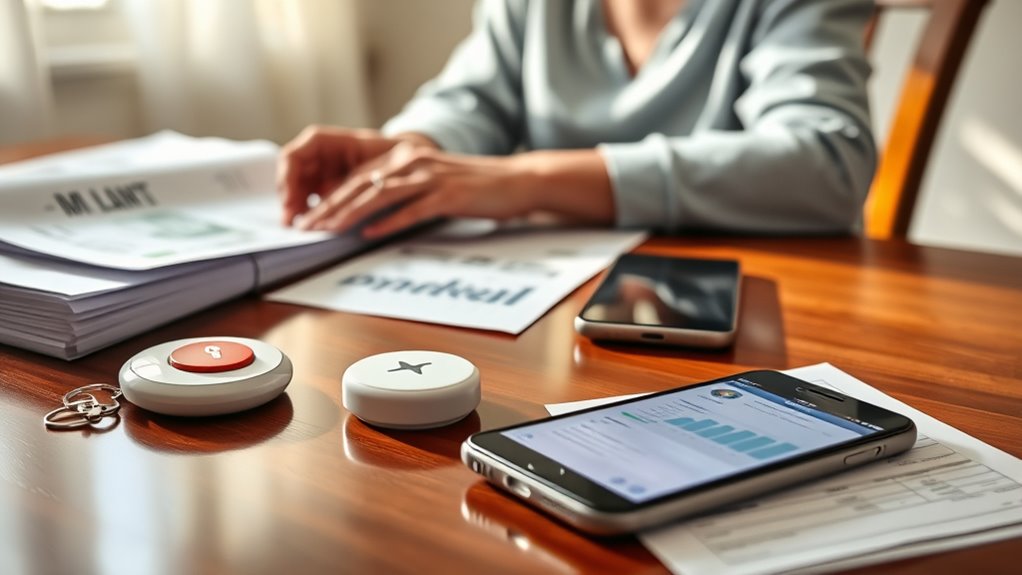
You can compare the costs of medical alert systems to assisted living, often finding them to be more budget-friendly. These systems not only provide immediate emergency support but can also help reduce long-term healthcare expenses by preventing costly hospitalizations. Evaluating these financial advantages helps you make informed decisions that balance safety with affordability.
Cost Comparison With Assisted Living
Are medical alert systems a more cost-effective alternative to assisted living? Generally, yes. These systems operate on a subscription basis, often costing a fraction of assisted living fees, making them a budget-friendly option. They can also help reduce healthcare expenses by enabling quick emergency responses, potentially preventing hospitalizations. When comparing costs, consider that assisted living involves monthly fees covering housing, meals, and care, which can run into thousands of dollars. In contrast, alert systems provide essential emergency support without the extensive costs. This makes them ideal for maintaining independence while managing expenses.
- Significantly lower monthly costs than assisted living
- No upfront or long-term commitments
- Help prevent costly hospital stays
- Easier to scale with evolving care needs
Budget-Friendly Emergency Support
Medical alert systems offer a cost-effective way to guarantee emergency support without the high expenses associated with traditional care options. Instead of costly assisted living or frequent hospital visits, these systems provide immediate response during emergencies, potentially reducing healthcare costs over time. Their subscription fees are typically affordable, making them accessible for many families. By enabling quick assistance after falls or medical crises, alert systems can prevent injuries or hospitalizations, saving money and reducing stress. They also require minimal ongoing expenses compared to full-time caregiving or extensive home modifications. With transparent pricing and flexible plans, you can choose options that fit your budget while ensuring your loved one’s safety. Overall, these systems deliver essential emergency support without draining financial resources.
Long-Term Healthcare Savings
Investing in a medical alert system can lead to significant long-term healthcare savings by preventing costly emergencies and hospital stays. These systems enable rapid response during falls or medical crises, reducing injury severity and hospital admissions. Over time, the financial benefits add up, saving you money and stress. Additionally, early intervention can prevent complications that lead to expensive treatments.
Consider these advantages:
- Fewer emergency room visits and hospitalizations
- Lower insurance premiums due to reduced health risks
- Less need for costly home healthcare or assisted living
- Preservation of independence, delaying more expensive care options
Overcoming Barriers to Adoption
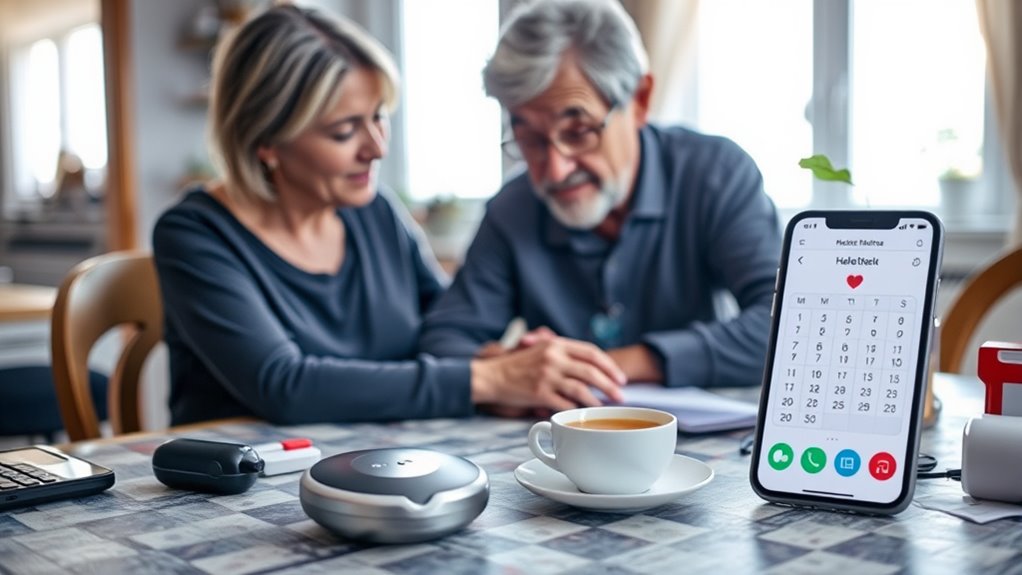
Overcoming barriers to adoption for medical alert systems requires addressing both awareness and cost concerns. Many seniors underestimate their fall risk or believe they don’t need the device until an emergency happens. Cost also prevents some from using these systems regularly. To help, educate your loved ones about the benefits and safety features, emphasizing how these devices provide peace of mind and independence. Additionally, explore options like government programs, discounts, or bundled services to reduce costs. Here’s a quick overview:
| Barrier | Solution | Benefit |
|---|---|---|
| Lack of awareness | Share success stories and safety statistics | Increased understanding and trust |
| Cost concerns | Seek financial assistance or trial periods | Affordability and peace of mind |
| Underestimating risk | Conduct fall risk assessments with professionals | Better risk awareness |
| Technophobia | Offer simple, user-friendly devices | Easier adoption and confidence |
How Medical Alerts Improve Emergency Response

Medical alert systems enable you to receive rapid emergency alerts, ensuring help arrives quickly when needed. With automatic fall detection, help can be triggered immediately, reducing injury risk and delays. These features streamline emergency response, giving you and your loved ones greater peace of mind.
Rapid Emergency Alerts
Rapid emergency alerts are essential in ensuring timely medical assistance during urgent situations. They instantly notify emergency services, caregivers, or family members, reducing delays that can worsen health outcomes. With automated alerts, you don’t have to rely solely on the user to call for help—especially critical if they’re unable to speak or move. Features like GPS tracking pinpoint the user’s exact location, speeding up response times. Two-way communication allows responders to assess the situation and provide instructions immediately. Environmental sensors can also detect hazards like extreme temperatures or poor air quality, alerting caregivers before a crisis occurs. By enabling rapid responses, medical alert systems save lives, prevent injuries, and provide peace of mind for everyone involved.
- Instant notification to emergency contacts
- Precise GPS location tracking
- Two-way voice communication
- Environmental hazard detection
Immediate Fall Response
When a fall occurs, immediate medical alert response can mean the difference between a quick recovery and serious injury. With a medical alert system, help is instantly on the way, reducing the time you or your loved one spends on the ground. Many systems feature automatic fall detection, which triggers alerts even if the person can’t press a button. This rapid notification ensures emergency services are alerted immediately, speeding up assistance and treatment. Two-way communication allows you to speak directly with responders, providing crucial information about the situation. Environmental sensors can detect hazards like poor lighting or temperature extremes, allowing for quick adjustments. Overall, these features help minimize injury severity, promote faster medical intervention, and provide peace of mind during vulnerable moments.
The Role of Caregivers in Device Utilization

Caregivers play a crucial role in guaranteeing effective device utilization, as their involvement often determines whether older adults adopt and consistently use medical alert systems. You can help by explaining how the system works, demonstrating its features, and encouraging regular use. Your support boosts confidence and ensures the device becomes part of their daily routine. To maximize effectiveness, consider these key actions:
- Regularly check device functionality and battery life
- Assist with device setup and customization
- Educate your loved one on emergency procedures
- Monitor usage and address any concerns promptly
Choosing the Right System for Your Loved One
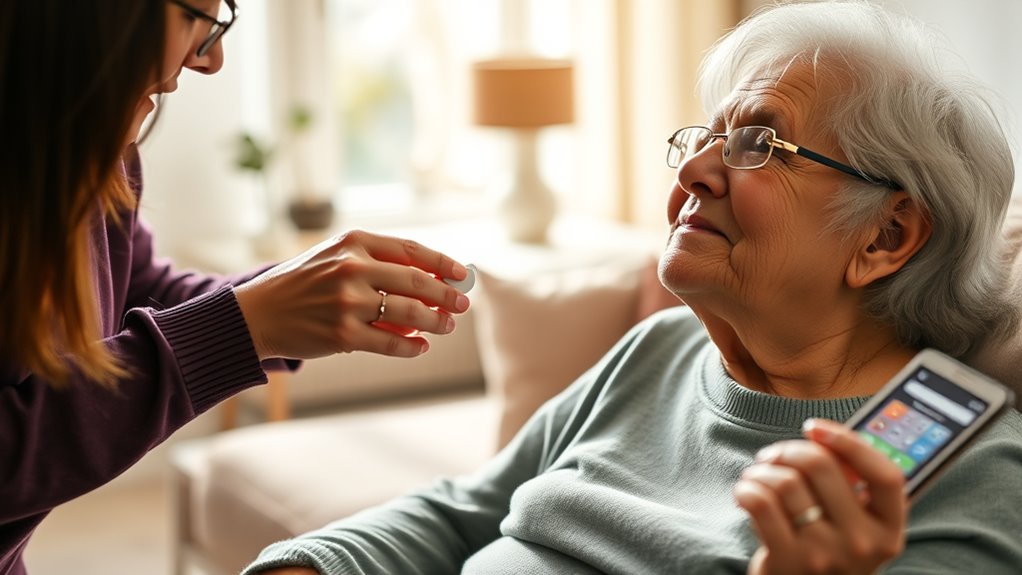
Selecting the right medical alert system involves considering your loved one’s specific needs, lifestyle, and safety concerns. First, assess their health status—do they have mobility issues, cognitive impairments, or medical conditions that require constant monitoring? If they enjoy outdoor activities or live alone, a mobile or GPS-enabled device may be best. For those with fall risks, systems with automatic fall detection offer added safety. Consider ease of use; devices should be simple to operate and comfortable to wear. Budget is also important—look for transparent pricing and features that match your financial plan. Finally, check if the system offers 24/7 emergency support and reliable connectivity. Choosing thoughtfully ensures your loved one gets the appropriate level of protection and independence.
Real-Life Success Stories and Benefits

Real-life stories demonstrate how medical alert systems can make a meaningful difference in seniors’ lives. For example, a woman who fell at home was quickly assisted thanks to her alert system, avoiding serious injury. Another senior used GPS tracking to stay safe during outdoor walks, boosting confidence. Caregivers report reduced stress knowing help is just a button away. These systems provide tangible benefits like:
Stories show how medical alert systems protect seniors, providing quick help, independence, and peace of mind.
- Rapid emergency response during falls or medical crises
- Increased independence and confidence for active seniors
- Peace of mind for families, knowing loved ones are monitored
- Better coordination with healthcare providers through real-time data
These success stories highlight how medical alert systems can ensure safety, promote autonomy, and ease caregiver concerns—making a real difference every day.
Tips for Integrating Technology Into Daily Care

Integrating technology into daily care routines can substantially enhance safety and independence for older adults. Start by evaluating their specific needs—whether it’s fall prevention, medication reminders, or emergency communication. Choose user-friendly devices with clear instructions and simple interfaces to encourage consistent use. Introduce new tools gradually, explaining how each one benefits their safety and independence. Encourage regular check-ins to ensure devices work properly and address any concerns. Leverage companion apps to monitor activity, battery life, and environmental factors remotely, keeping you informed without disrupting their routine. Train your loved one on how to operate the technology confidently, and provide ongoing support. By integrating these tools thoughtfully, you foster a safer environment while promoting autonomy and peace of mind.
Frequently Asked Questions
How Do Medical Alert Systems Work During Power Outages or Internet Failures?
During power outages or internet failures, many medical alert systems rely on backup batteries and cellular networks to stay operational. You should check if your device has a long-lasting battery and cellular connectivity options, ensuring it works even without power or Wi-Fi. Regular maintenance and testing help confirm the system’s readiness. This way, you can be confident your loved one stays protected, no matter the situation.
Are Medical Alert Devices Suitable for Seniors With Cognitive Impairments?
Think of medical alert devices as lifelines woven into your loved one’s daily routine. For seniors with cognitive impairments, these devices can be highly suitable, especially with features like automatic fall detection and two-way communication. They act as an extra set of eyes and ears, providing reassurance and prompt emergency response. Caregivers should choose simple, user-friendly models and consider training to maximize safety and independence for those with memory or judgment challenges.
What Training or Setup Is Required for Effective Device Use?
You need to set up and train your loved one on device use. Start by reading the user manual thoroughly, then help them practice activating the system and using features like fall detection or two-way communication. Make sure they understand how to wear or carry the device properly. Regularly check the device’s battery life and update settings as needed. Practice makes perfect, so revisit training periodically to reinforce confidence and effective use.
How Do Privacy and Data Security Concerns Impact Device Choices?
Are you worried about privacy and data security affecting your device choice? You should be, because these concerns influence which alert systems you trust. Look for devices with strong encryption, clear privacy policies, and options to control data sharing. By choosing reputable brands that prioritize security, you can guarantee your loved one’s information stays protected while still benefiting from reliable emergency alerts and communication features.
Can Medical Alert Systems Be Integrated With Other Smart Home Technologies?
Yes, medical alert systems can be integrated with other smart home technologies. You can connect them to devices like smart locks, thermostats, and security cameras, creating a seamless safety network. This integration allows you to monitor and control your loved one’s environment remotely, enhance emergency responses, and improve overall safety. By syncing these devices, you’ll gain better oversight, convenience, and peace of mind for both caregivers and seniors.
Conclusion
A medical alert system can provide peace of mind, enhance safety, and promote independence. It offers protection, support, and reassurance when you need it most. By understanding its features, evaluating costs, and choosing the right device, you can empower your loved one. Embrace technology, overcome barriers, and stay informed. With the right system, you’ll gain confidence, foster security, and build trust—creating a safer environment, supporting independence, and strengthening your caregiving journey.