If an elderly person falls, stay calm and check for injuries like cuts, bruises, or signs of head trauma. Help them sit up slowly, preferably rolling onto their side first, then gently supporting them as they rise. Watch for dizziness or pain and avoid rushing. Clear any hazards around them to prevent another fall. For more detailed steps on helping them safely and checking injuries, keep exploring proven safety tips and techniques.
Key Takeaways
- Stay calm, assess for pain, dizziness, or visible injuries, and call emergency services if necessary.
- Encourage the person to roll onto their side before helping them sit up slowly.
- Support their weight with your hands or aid devices, ensuring they are stable before standing.
- Check the environment for hazards and remove clutter to prevent further falls.
- Reassure the person, monitor for injuries, and seek medical attention if unsure about their condition.
Have you ever wondered how to guarantee your elderly loved ones can move safely and confidently? Falls prevention is a critical aspect of ensuring their independence and well-being. When seniors experience a fall, it’s essential to know how to assist them properly and minimize further injury. Providing effective mobility assistance not only helps them get back on their feet but also reassures them that they’re supported. Understanding the correct approach can make a significant difference in their recovery and confidence.
Ensuring safe mobility supports independence and confidence for your elderly loved ones.
First, stay calm and evaluate the situation. Avoid rushing to lift them immediately, as hasty movements might cause additional injury. If they’re conscious and able to communicate, ask how they feel and whether they experience pain or dizziness. Check for obvious injuries such as cuts, bruises, or swelling. If there’s any suspicion of broken bones, head injury, or severe pain, avoid moving them and call emergency services right away. Remember, your priority is to prevent further harm and ensure they receive the medical attention they need.
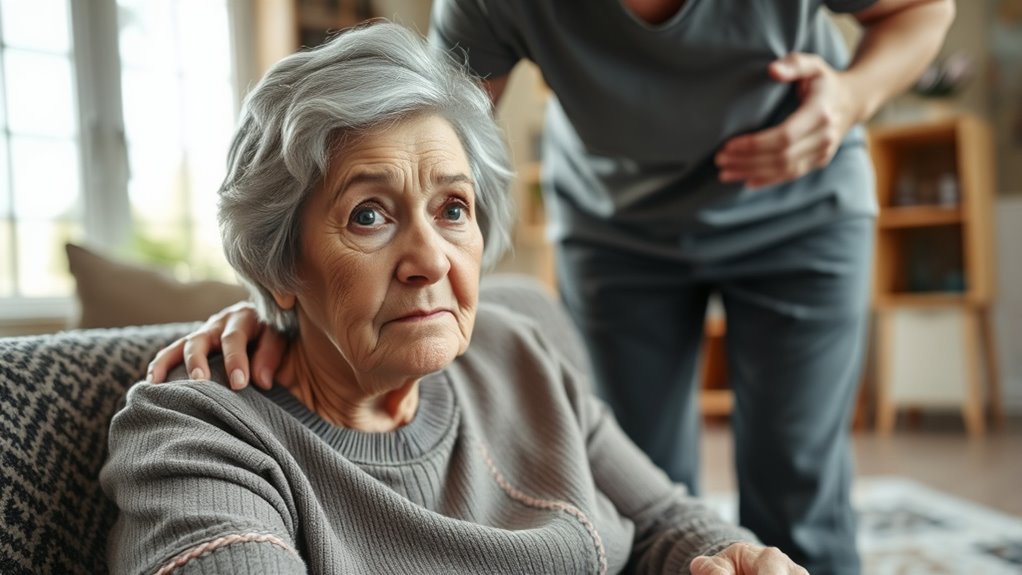
When it’s safe to help them up, get down to their level to provide support. Offer your hand or arm, and encourage them to roll onto their side first, then slowly push up into a seated position. From there, assist them to stand by supporting their waist or arm, ensuring they have stable footing. It’s important to remind them to move slowly and carefully, especially if they’re feeling dizzy or unsteady. If they’re unable to stand without assistance, consider using mobility aids like a walker or cane, which can be invaluable tools in falls prevention and maintaining their confidence to move around safely.
After they’re upright, make sure they’re steady before releasing support. Offer reassurance, and encourage them to sit down if they feel unsure. It’s helpful to review their environment afterward—clear away clutter, secure loose rugs, and install grab bars where needed to improve mobility assistance and prevent future falls. Regular exercise, balance training, and strength-building activities also play essential roles in falls prevention, empowering your loved ones to move more confidently. Additionally, using high-contrast visual cues can help improve their perception and awareness of hazards in their environment.
Helping an elderly person up after a fall requires patience and care. By staying calm, evaluating injuries carefully, and providing gentle support, you help them regain their footing safely. Incorporating fall prevention strategies and mobility assistance measures creates a safer environment, boosting their confidence and independence. Your attentive response can make all the difference in their recovery and ongoing safety.
Frequently Asked Questions
When Should I Call Emergency Services Instead of Helping Myself?
You should call emergency services right away if you notice signs of serious injury, like bleeding, broken bones, or unconsciousness, or if the person can’t move or feels dizzy. In medical emergencies, quick action is vital. Remember, fall prevention is key, but if a fall results in severe pain or if you’re unsure about their condition, don’t hesitate to get professional help. Your prompt response can save lives.
How Can I Prevent Falls in Elderly Individuals at Home?
Research suggests that maintaining home safety is vital for preventing falls in elderly individuals. You can do this by removing tripping hazards, ensuring proper lighting, and installing grab bars in bathrooms. Using mobility aids like walkers or canes correctly also reduces risks. Regularly review their environment for hazards, encourage exercises to improve strength and balance, and keep pathways clear. These steps help create a safer home and minimize fall risks effectively.
What Are Signs of Internal Injuries After a Fall?
Signs of internal injuries include persistent pain, swelling, dizziness, weakness, or difficulty breathing. If you notice blood in urine or stool, or if the person feels nauseous or confused, seek medical help immediately. Fall prevention strategies like removing tripping hazards and installing grab bars can reduce risks. Stay vigilant, and don’t ignore any unusual symptoms after a fall, as internal injuries may not be immediately visible but can be serious.
Are There Specific Techniques for Assisting Wheelchair-Bound Seniors?
When assisting wheelchair-bound seniors, use proper transfer techniques to guarantee safety. Always lock the wheelchair wheels, position yourself close, and help them pivot or slide onto a sturdy transfer board if needed. Employ assistive devices like transfer belts or slide sheets to reduce strain. Communicate clearly throughout, ensuring the senior feels supported and comfortable. Avoid rushing, and always check for stability before moving them to prevent falls or injuries.
How Often Should Elderly Individuals Have Fall Risk Assessments?
You should have fall risk assessments for elderly individuals at least once a year, sometimes more often if their health changes. These assessments help identify hazards like unsafe home modifications and evaluate balance exercises’ effectiveness. Regular check-ups guarantee you stay ahead of potential risks, adjusting safety measures as needed. Staying proactive now can prevent future falls, keeping your loved ones safer and more secure in their daily lives.
Conclusion
Remember, your quick, gentle actions can turn a potentially disastrous fall into a moment of safety. Always stay calm, support the person carefully, and check for injuries thoroughly. Think of yourself as a hero in a real-life rescue—every second counts, and your care can make all the difference. By staying alert and compassionate, you’re not just helping someone up; you’re saving them from a world of pain and complications.