

Building a support network as a caregiver involves reaching out to local resources like community health websites, senior services, and support groups to share experiences and tips. Connect with family, friends, and neighbors to delegate tasks and gain emotional backing. Use technology such as apps, remote monitoring, and safety devices to streamline care. Explore financial assistance programs and workplace benefits to ease your burden. Stay proactive in creating long-term strategies for sustainable support—there’s more to discover as you continue your journey.
Key Takeaways
- Research local resources, support groups, and community programs through online directories and healthcare providers.
- Foster open communication with family, friends, and neighbors to share caregiving responsibilities and build trust.
- Utilize technology like apps, remote monitoring, and assistive devices to coordinate care and stay connected.
- Participate in support groups to share experiences, gain practical tips, and reduce emotional isolation.
- Establish regular check-ins and create a long-term plan to adapt your support network as needs evolve.
Understanding the Importance of Support Networks in Caregiving

Support networks are crucial for caregivers because they provide the resources and emotional support needed to sustain long-term caregiving. When you have a strong support system, you’re more likely to care for your loved one effectively and with less stress. These networks help you access essential services, such as transportation, in-home assistance, and financial aid, making your caregiving tasks more manageable. They also offer emotional comfort, reducing feelings of isolation and burnout. Knowing you’re not alone in this journey can boost your resilience and improve your well-being. Support networks enable you to extend your caregiving capacity, often allowing your loved one to stay at home longer and maintain better quality of life. Additionally, establishing digital infrastructure can connect caregivers to vital online resources and communities, further strengthening your support system. Building a community of support provides shared knowledge and practical assistance, making caregiving more sustainable. Moreover, leveraging local resources can help fill gaps in services and provide targeted assistance tailored to your situation. Recognizing the value of emotional support is essential for maintaining your mental health and sustaining your caregiving efforts. Developing a caregiver network can also foster a sense of empowerment and shared responsibility, which is vital for long-term success. Ultimately, they’re indispensable for both your health and your loved one’s care.
Identifying and Accessing Local Support Services
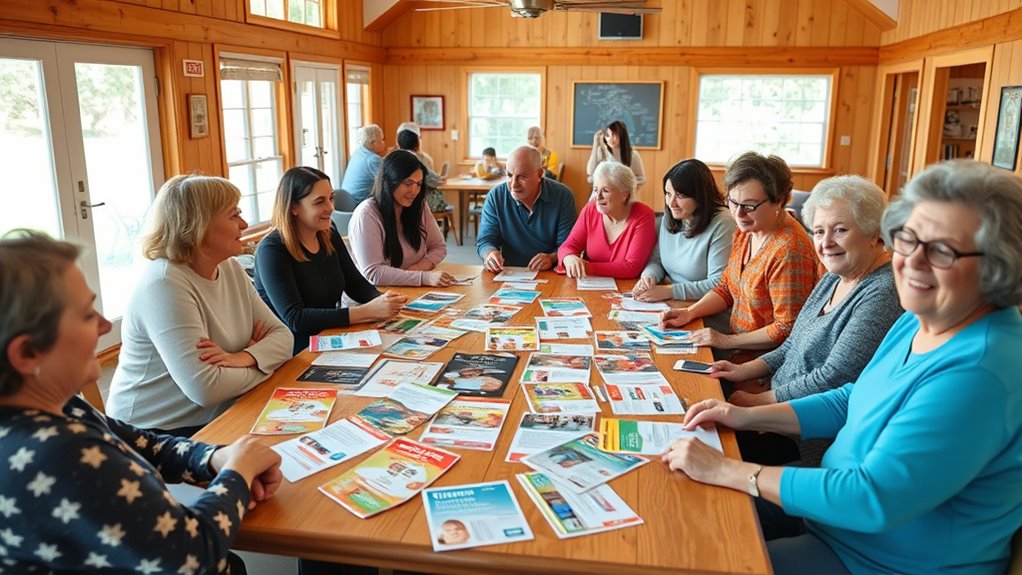
How can you effectively find and access local support services tailored to your caregiving needs? Start by researching online resources like community health websites, local government pages, and nonprofit organizations. Visit or call your local Area Agency on Aging or senior services office—they can connect you to programs designed for caregivers. Check with hospitals or clinics for patient support programs. Talk to your healthcare provider for recommendations. Use social media and community boards to discover local support groups, workshops, and classes. Don’t hesitate to ask neighbors, friends, or other caregivers for referrals. Keep a list of services, contact information, and eligibility criteria handy. Regularly review available resources, as new programs often emerge to better support caregivers like you. Additionally, exploring Free Floating options can provide flexible, cost-effective assistance tailored to your unique needs.
Building Emotional and Social Connections Through Support Groups

Joining a support group gives you a safe space to share your feelings and connect with others who understand your experience. You can exchange practical tips that make caregiving easier and learn from others’ successes and challenges. These connections help build emotional resilience and remind you you’re not alone in this journey. Additionally, participating in support breakfast initiatives can foster a sense of community and shared purpose among caregivers. Engaging with resources that promote emotional resilience can further strengthen your ability to cope with caregiving stresses. Maintaining awareness of air purifier maintenance dos and don’ts can also serve as a metaphor for caring for oneself—regularly checking in and cleaning out what’s unnecessary to keep your environment healthy.
Connecting for Emotional Support
Building emotional and social connections through support groups can considerably strengthen your resilience as a caregiver. Joining a group gives you a safe space to share feelings, frustrations, and successes with others who understand your experience. These connections reduce feelings of isolation and validate your emotions, making caregiving feel less overwhelming. Support groups also offer encouragement and practical advice, helping you develop coping strategies and maintain your mental health. Participating regularly helps you build a network of trusted individuals who can offer comfort and reassurance during difficult times. By connecting emotionally with others facing similar challenges, you’ll find a sense of belonging and understanding that bolsters your ability to provide care with strength and compassion. Incorporating holistic approach such as mindfulness and stress management techniques into your routine can further enhance your emotional well-being and resilience as a caregiver. Engaging in peer support networks can also provide additional layers of understanding and shared wisdom, strengthening your emotional foundation. Recognizing the importance of emotional and social connections can lead to more meaningful and sustainable support systems that benefit both you and those in your care.
Sharing Practical Experiences
Sharing practical experiences in support groups allows caregivers to exchange valuable tips and strategies that can make daily caregiving tasks more manageable. By sharing real-life stories, you gain insights into what works and what doesn’t, helping you avoid common pitfalls. Hearing others’ experiences can introduce you to new tools, techniques, and resources you might not have considered. A strong community can also serve as a support network that provides ongoing emotional and practical assistance. It also fosters a sense of community, reminding you that you’re not alone in your challenges. When you discuss your struggles and successes, you build connections that provide encouragement and practical advice. These exchanges empower you to handle complex situations with more confidence and resilience. Incorporating sustainable living principles into your caregiving routine can also promote long-term well-being for both you and those you care for. Recognizing the importance of support networks can help you establish a reliable foundation for ongoing assistance and emotional strength. Building trust within your community can further enhance your ability to access diverse support and resources. Additionally, engaging regularly with these groups can help you stay informed about latest caregiving resources, making your caregiving journey more effective and less stressful.
Leveraging Technology to Enhance Caregiving Efficiency

Using assistive technology can make caregiving more manageable by automating routine tasks and monitoring health. Time-saving tools help you allocate your time more effectively, reducing stress and burnout. Additionally, safety measures like sensors and alerts keep your loved ones secure, giving you peace of mind. Incorporating smart appliances and connected devices into your caregiving routine can further streamline responsibilities and enhance safety. For example, robotic cleaning devices like robot vacuums can maintain a clean environment with minimal effort, ensuring a healthier space for your loved ones. Smart thermostats and HVAC systems can optimize energy management to keep the home comfortable and reduce utility costs. Furthermore, integrating remote health monitoring technology enables timely responses to health changes, fostering safer living conditions. Understanding electrical safety basics ensures that all these devices are used securely and effectively within your home environment.
Assistive Tech Solutions
Assistive technology has become a vital tool for caregivers seeking to improve efficiency and reduce stress. By integrating smart devices, apps, and specialized equipment, you can streamline daily tasks and guarantee better care. Here are three key solutions to contemplate:
- Medication Management Devices – Automated dispensers and reminders help prevent missed doses and improve safety.
- Remote Monitoring Systems – Cameras and sensors allow you to keep an eye on your loved one from anywhere, reducing anxiety and enabling quicker responses.
- Emergency Alert Systems – Wearable devices or alarms notify you immediately if your loved one needs help, enhancing safety and peace of mind.
Utilizing performance cookies can also help monitor how these assistive tools are functioning and identify areas for improvement.
Time-Saving Tools
Leveraging technology can substantially boost your efficiency as a caregiver by streamlining daily tasks and reducing time spent on routine activities. Using apps and devices, you can easily organize appointments, medication schedules, and care plans in one place. Digital reminders help guarantee medications are taken on time, while shared calendars keep everyone involved updated. Remote monitoring devices allow you to check on your loved ones without constant check-ins, saving time and easing worries. Automated grocery and meal delivery services eliminate trips to stores, freeing up valuable hours. Communication platforms like video calls and messaging apps facilitate quick updates with healthcare providers and support networks. These tools help you stay organized, reduce stress, and focus more on quality time with your loved ones.
Enhancing Safety Measures
Technology plays a crucial role in enhancing safety for caregivers and their loved ones by providing real-time monitoring and alert systems. These tools help you respond quickly to emergencies, prevent accidents, and ensure your loved one’s well-being. To maximize safety, consider:
- Installing sensors on doors, windows, or mobility devices to detect unusual activity or falls.
- Using wearable devices that monitor vital signs and send alerts if health issues arise.
- Setting up emergency response systems that enable instant communication with healthcare providers or emergency services.
These technologies not only provide peace of mind but also reduce the risk of accidents and health crises. By leveraging these tools, you can create a safer environment and respond proactively to your loved one’s needs.
Navigating Financial and Workplace Resources
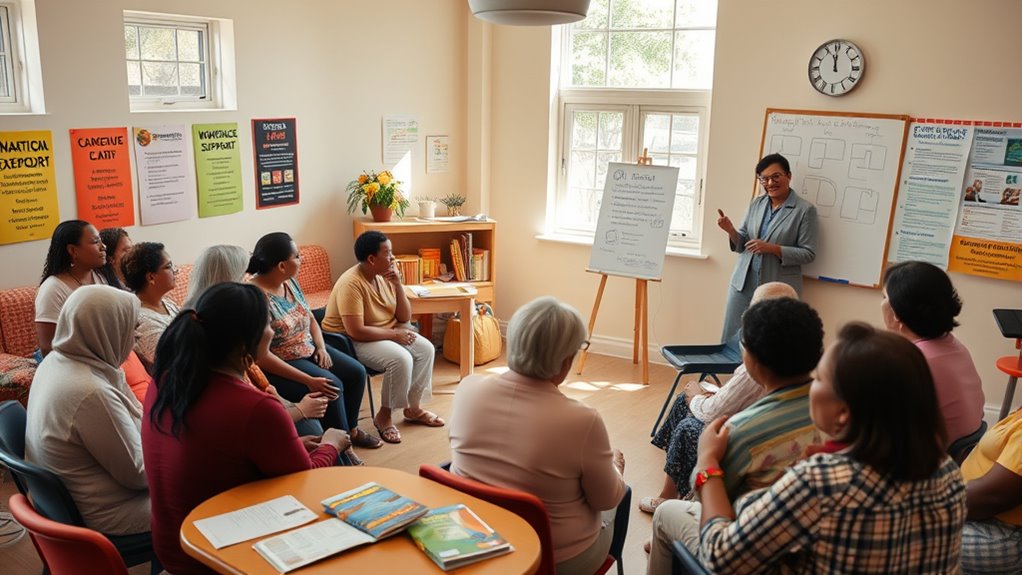
Are you aware of the financial and workplace resources available to support caregivers? Many programs can help ease your financial burden and make balancing work easier. You might qualify for government assistance like Medicaid, Social Security, or caregiver stipends, which can cover medical expenses or provide direct cash support. Your employer may offer family leave, flexible schedules, or caregiving benefits—so don’t hesitate to ask about these options. Additionally, some workplaces provide employee assistance programs (EAPs) that include counseling and support services. Explore local community resources, such as respite care grants or transportation assistance, to lessen your daily responsibilities. Staying informed and proactive allows you to leverage these resources, reducing stress and helping you maintain your own well-being while caring for others.
Engaging Family and Friends for Practical Assistance

Engaging family and friends for practical assistance can substantially lighten your caregiving load. When you ask for help, you’re not just sharing tasks—you’re building a support system that makes your role sustainable. To do this effectively:
- Clearly define specific tasks, like grocery shopping or medication reminders, so helpers understand their role.
- Create a schedule or calendar to coordinate who’s doing what and when, preventing misunderstandings.
- Communicate openly about the needs and limitations, encouraging honest conversations to foster trust and commitment.
Developing a Long-Term Support Strategy for Sustainable Care

Creating a long-term support strategy is essential for maintaining sustainable caregiving. First, assess your ongoing needs and set clear goals for care, including medical, emotional, and practical support. Identify reliable support sources, such as family, friends, community services, and support groups. Build a diverse network that can adapt to changing circumstances over time. Schedule regular check-ins with your support team to review progress and address new challenges. Incorporate technological tools like medication reminders or safety devices to streamline daily tasks. Prioritize self-care to prevent burnout and stay resilient. By planning ahead and fostering strong relationships, you’ll create a sustainable system that ensures both you and your loved one receive consistent, effective support.
Frequently Asked Questions
How Can I Find Culturally Specific or Language-Specific Support Services?
You can find culturally specific or language-specific support services by reaching out to local community organizations, cultural centers, or faith-based groups that serve your community. Use online directories or contact healthcare providers for referrals. Attend cultural events or support groups designed for your background. Also, ask for recommendations from trusted friends or family members who share your culture. Many services now offer bilingual staff or translated materials to better support your needs.
What Are Effective Ways to Encourage Reluctant Family Members to Participate?
You can encourage reluctant family members by openly discussing the benefits of support, emphasizing how their involvement eases everyone’s burden. Show appreciation for their strengths and listen to their concerns without judgment. Offer specific, manageable tasks and respect their boundaries. Sometimes, sharing success stories or involving a neutral mediator can motivate participation. Remember, positive reinforcement and patience often help family members feel more comfortable engaging in caregiving roles.
How Do I Balance Caregiving With My Own Mental Health Needs?
You must prioritize your mental health by setting boundaries, taking regular breaks, and asking for help when needed. Schedule time for activities that relax and rejuvenate you, like exercise or hobbies. Stay connected with friends or support groups to share your feelings and gain emotional support. Remember, caring for yourself isn’t selfish; it’s essential for maintaining your strength and resilience to provide the best care possible.
What Legal Protections Exist for Caregivers in the Workplace?
Ever wonder what legal protections are out there for you as a caregiver at work? You’re safeguarded by laws like the Family and Medical Leave Act (FMLA), which lets you take unpaid, job-protected leave for caregiving needs. Some states also offer paid leave or workplace accommodations. Check your employer’s policies and local laws to make certain you’re aware of your rights and can balance work and caregiving effectively.
How Can Technology Be Tailored to Meet Unique Care Recipient Needs?
You can tailor technology to meet your care recipient’s needs by evaluating their specific abilities and challenges first. Choose assistive devices that support their daily activities, safety, and communication. Use apps and remote monitoring tools for better management and peace of mind. Involve your care recipient in selecting technology to ensure it’s user-friendly and effective. Regularly update and adapt tech solutions as their needs evolve, keeping care personalized and responsive.
Conclusion
Remember, building a support network isn’t just about avoiding burnout; it’s about proving you’re human, not a superhero. So, don’t be afraid to lean on others — after all, even Superman had the Justice League. The more you gather around you, the less you’ll feel like you’re carrying the world solo. Embrace your village, because let’s face it, even superheroes need a team to save the day.